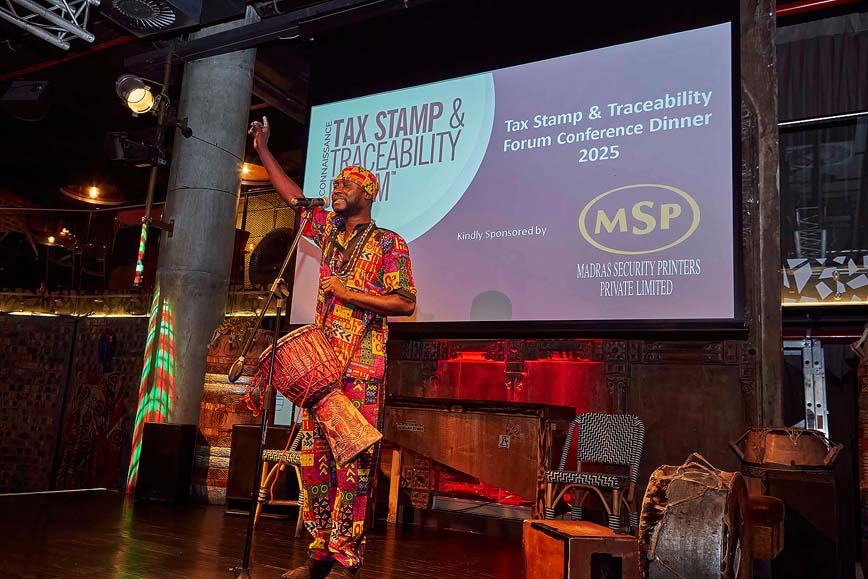
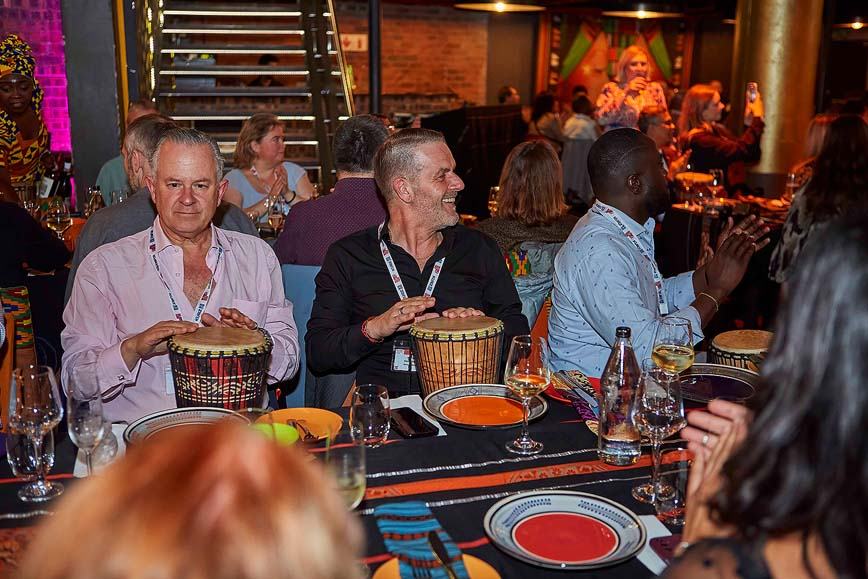
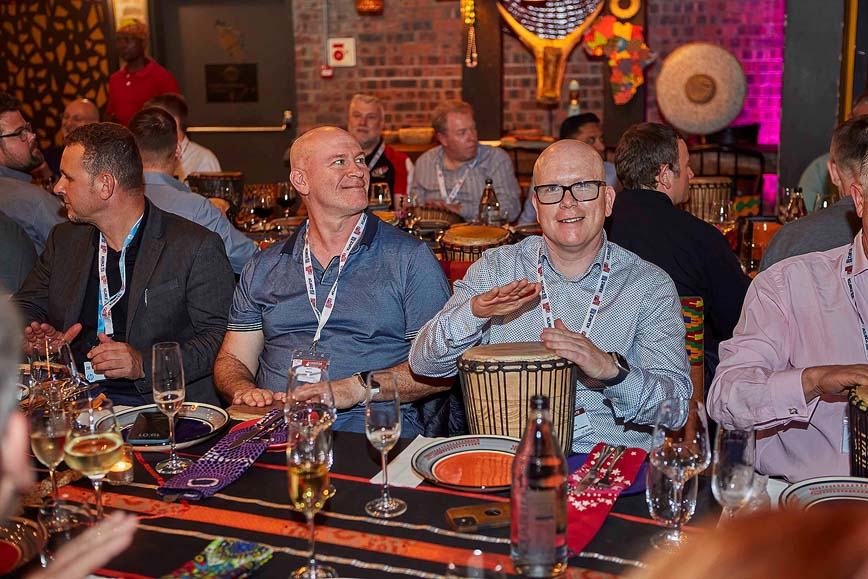
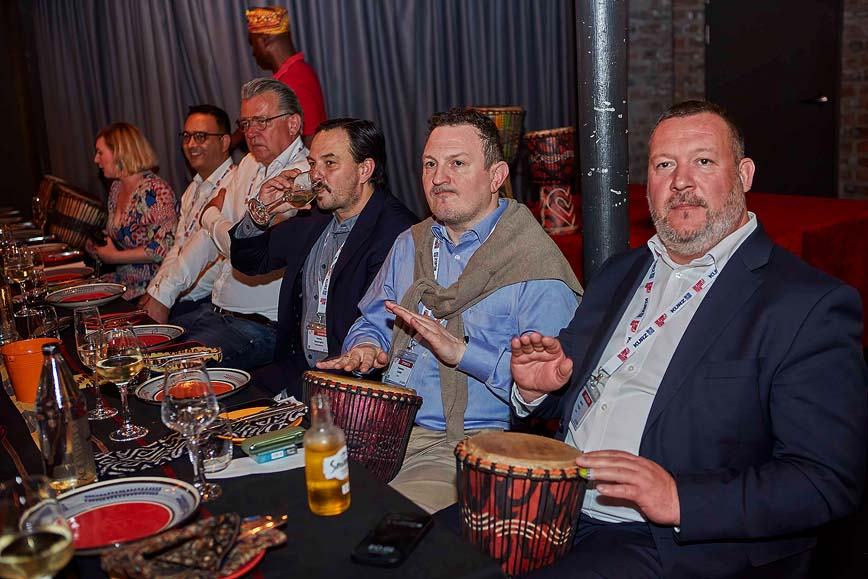
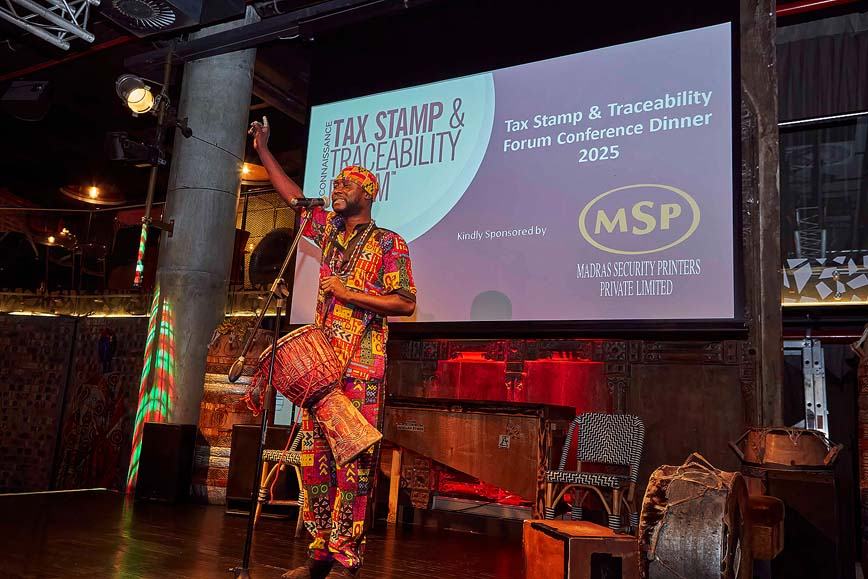
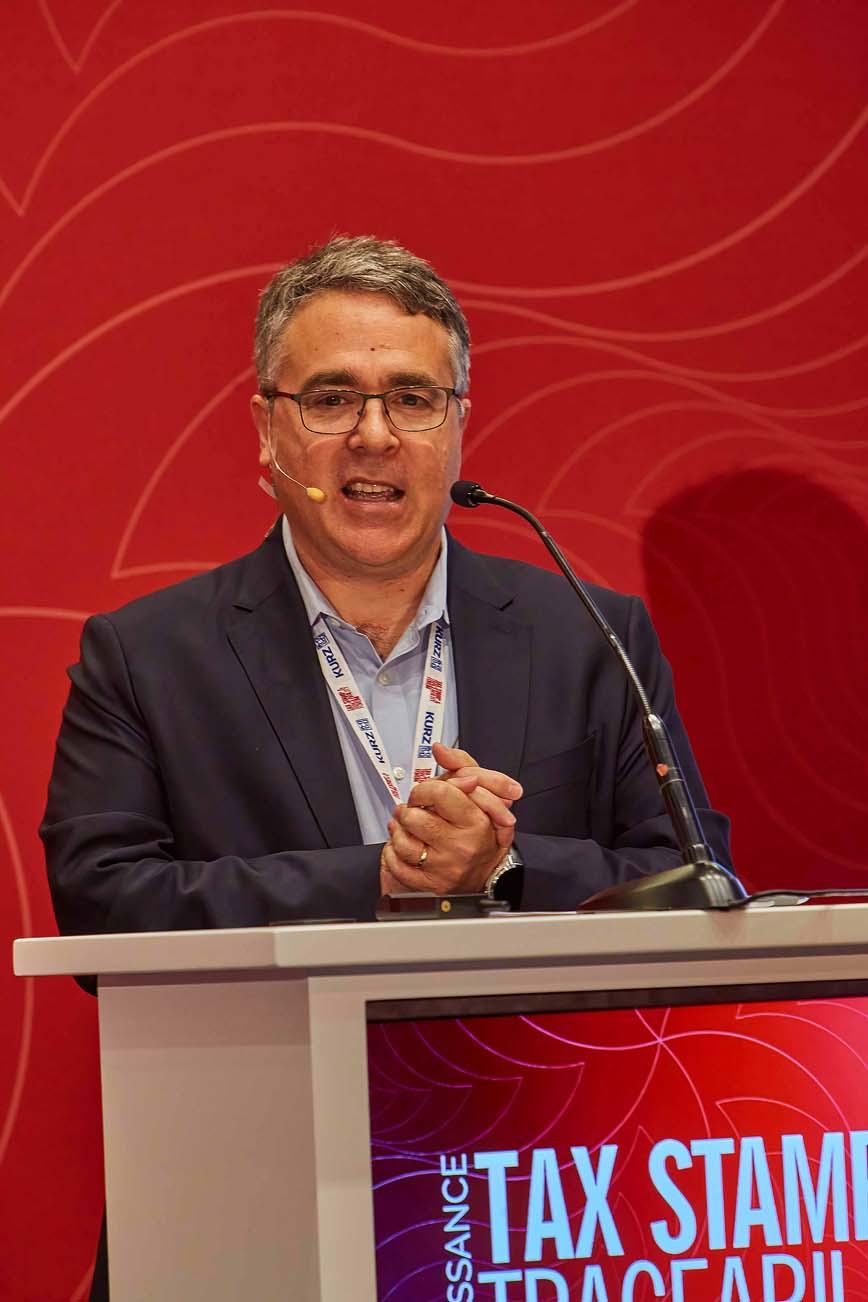
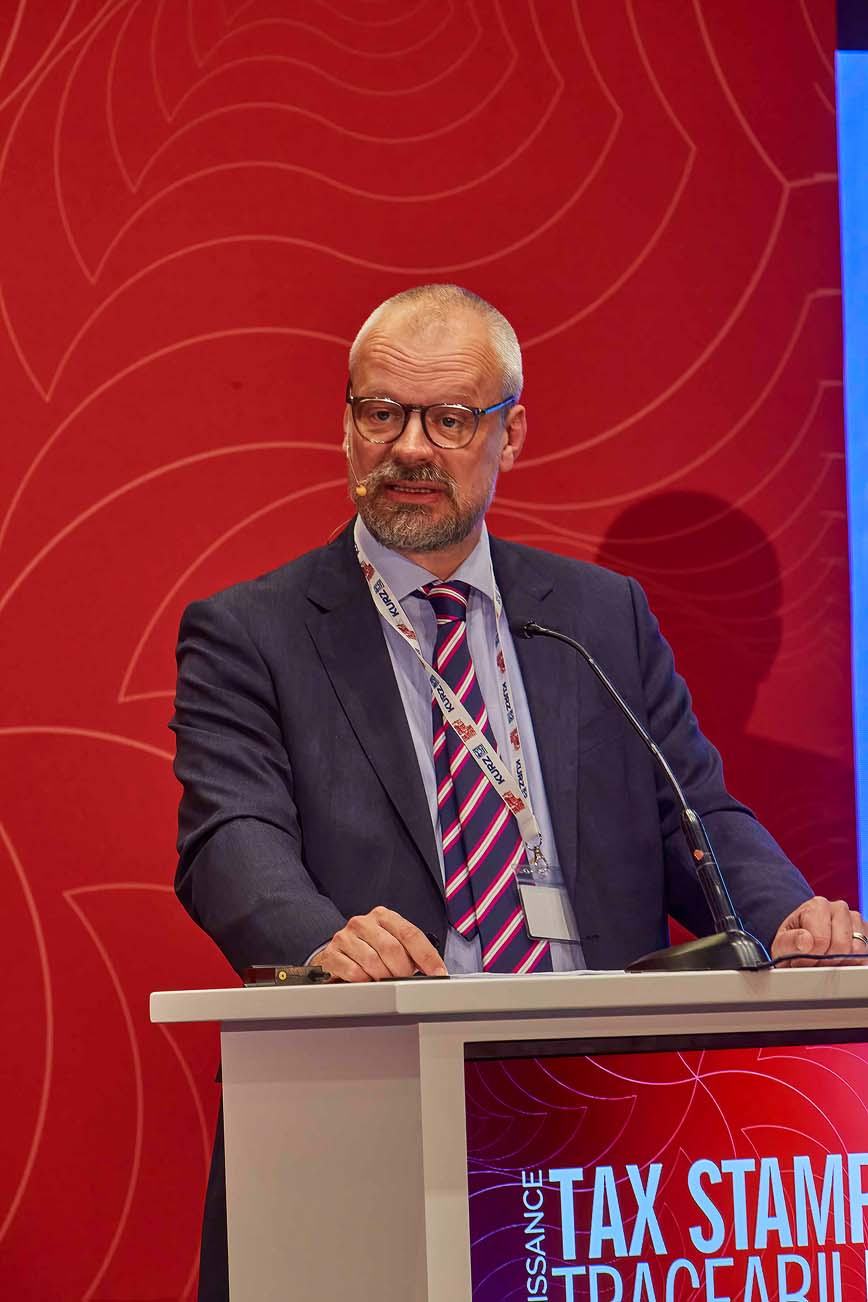
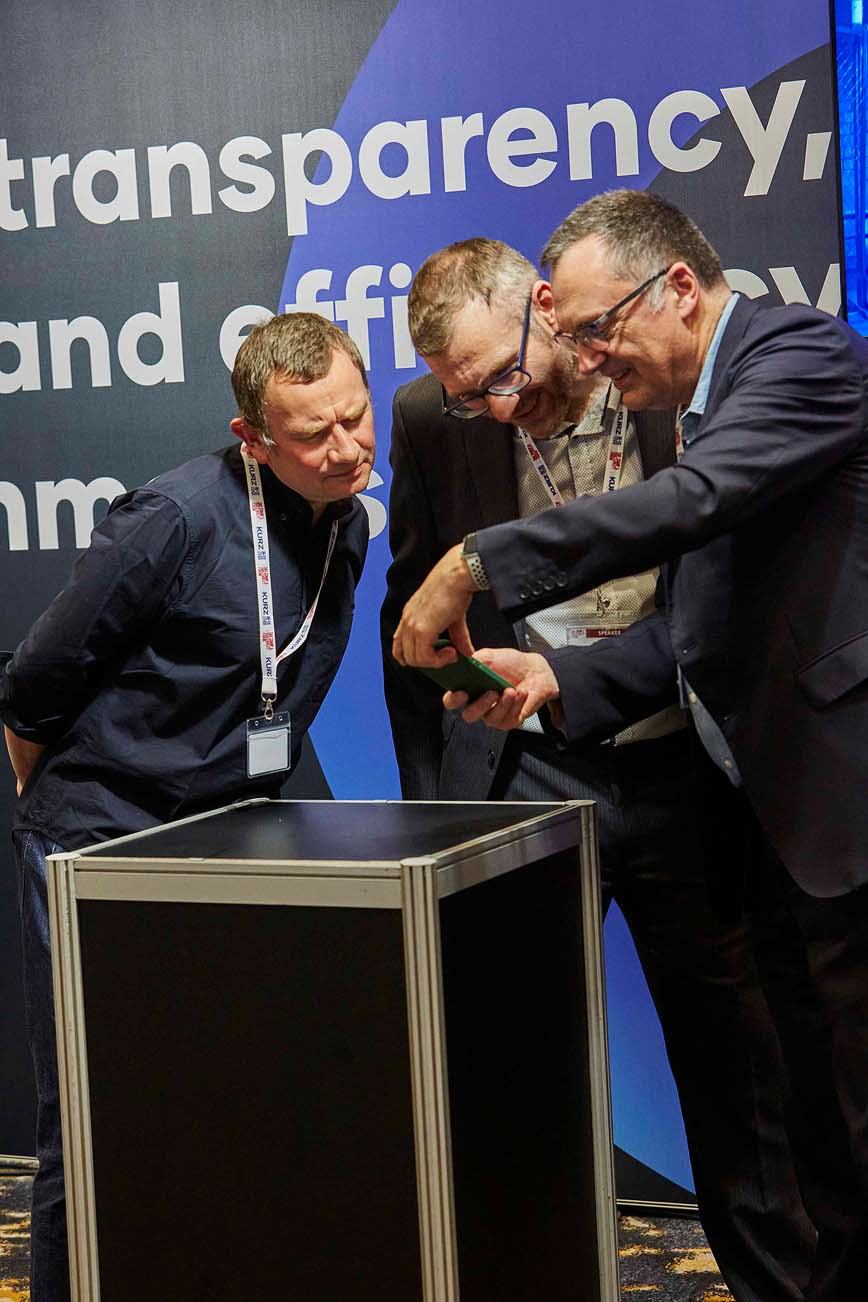
TSTF 2025 – The Best Forum Yet?
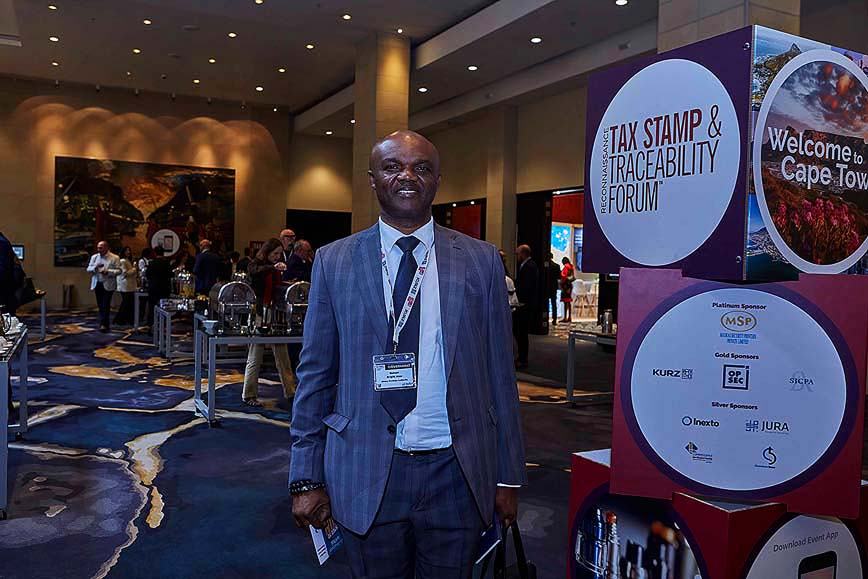
The recent Tax Stamp & Traceability Forum™ (TSTF) has been hailed by some as the best TSTF ever. Yet, the overall number of delegates in attendance (170) was low compared to previous events (over 200). So, why was this 12th edition deemed so successful? Let’s take a look.
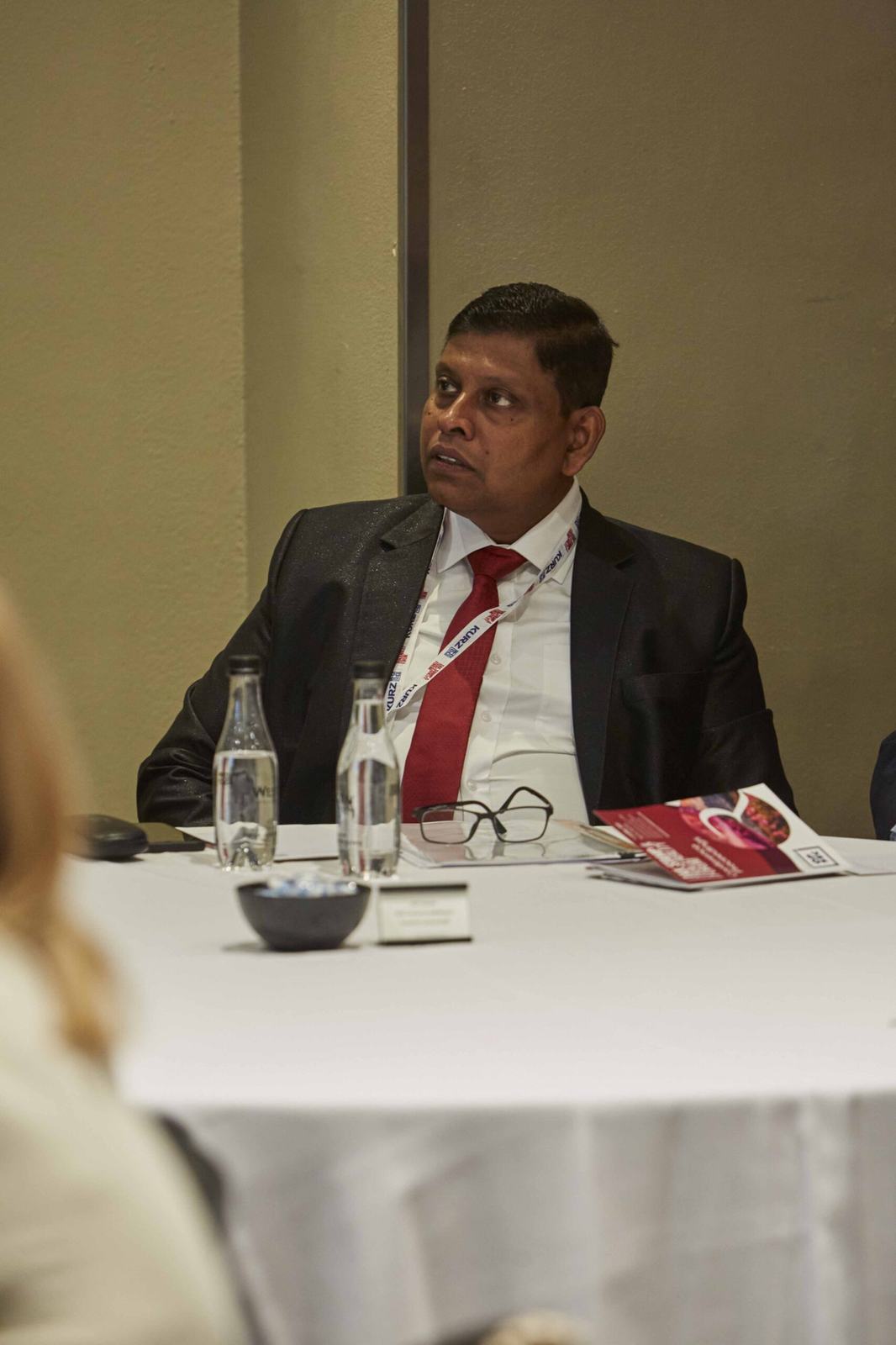
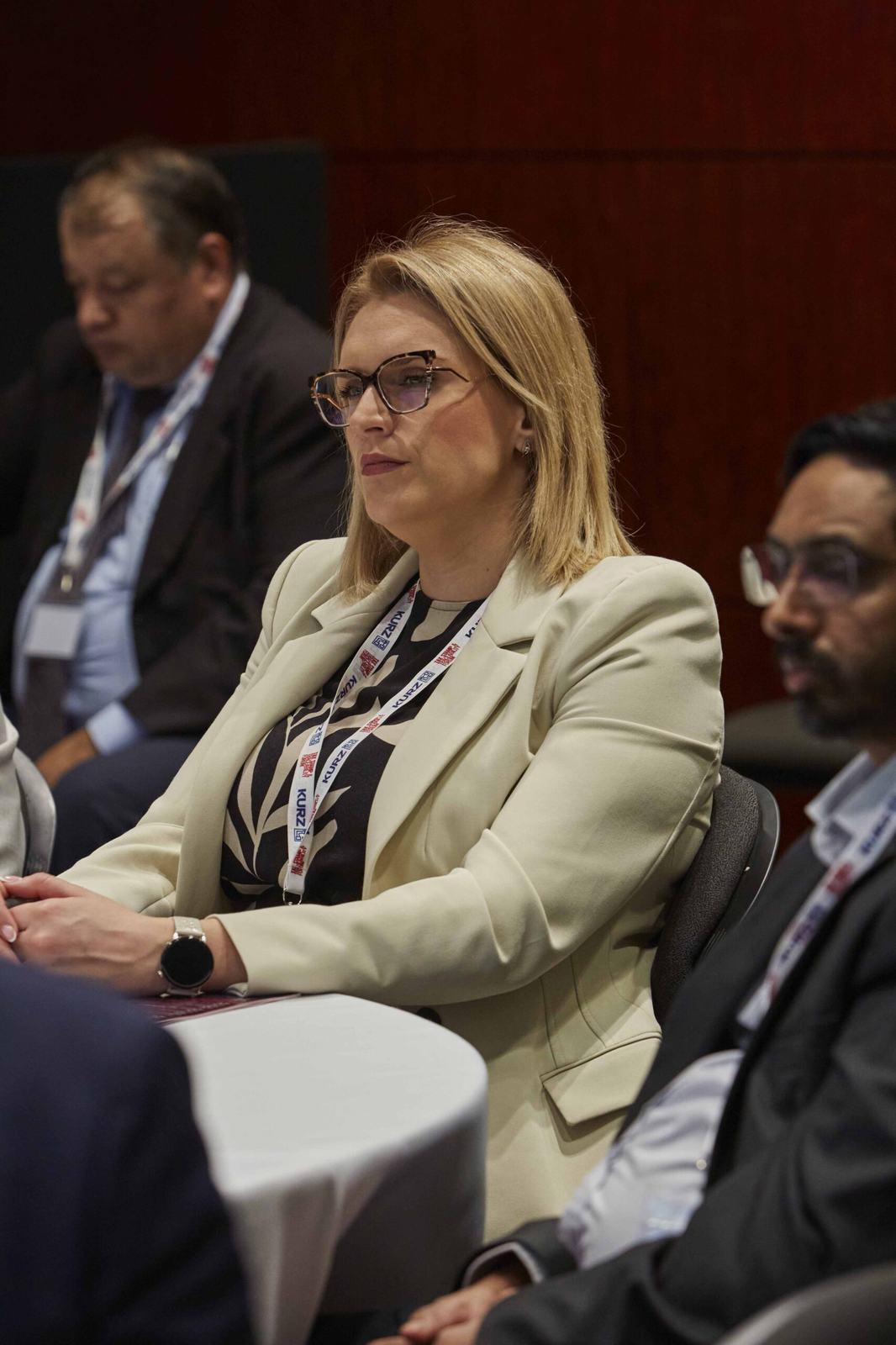
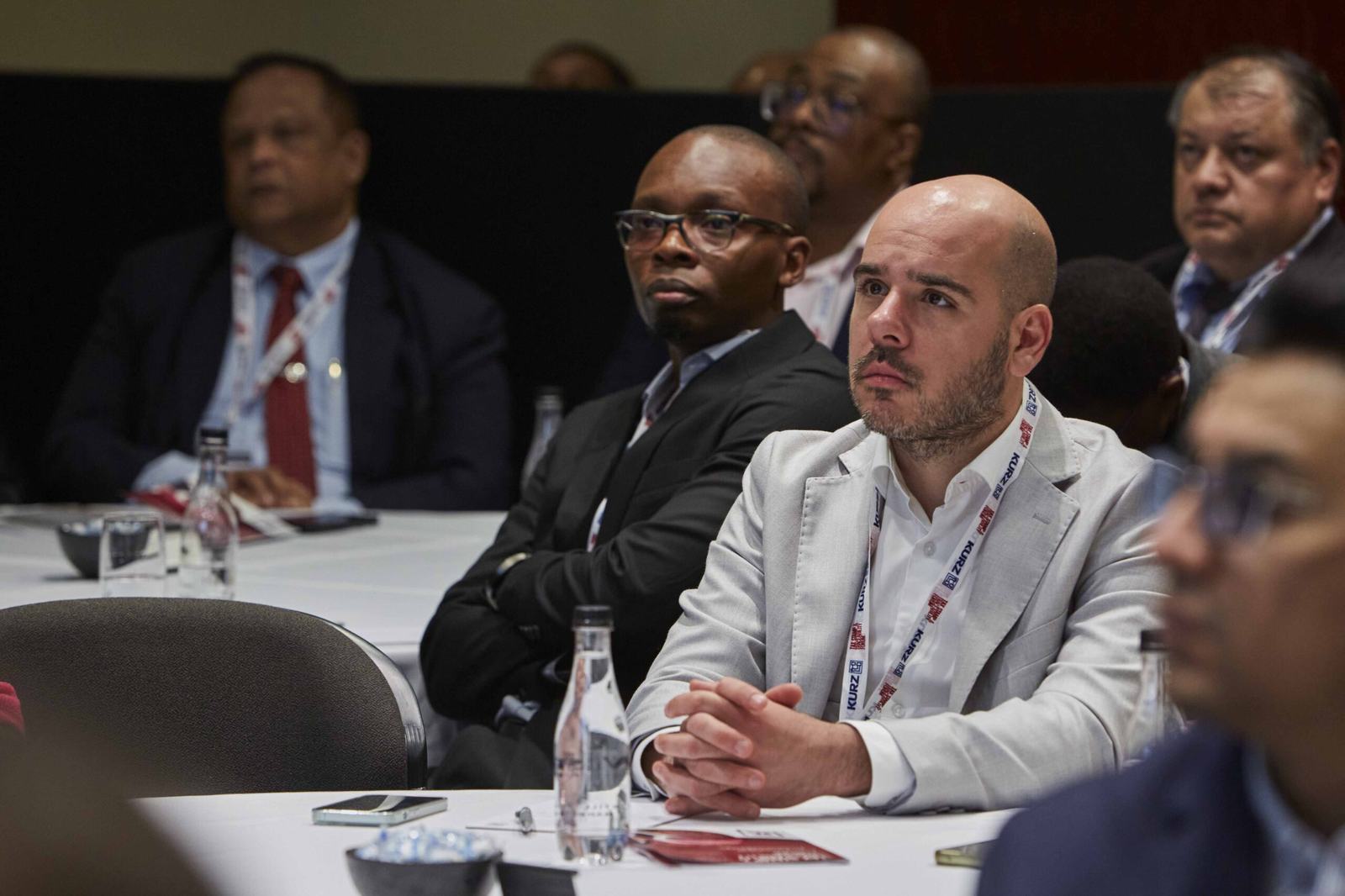
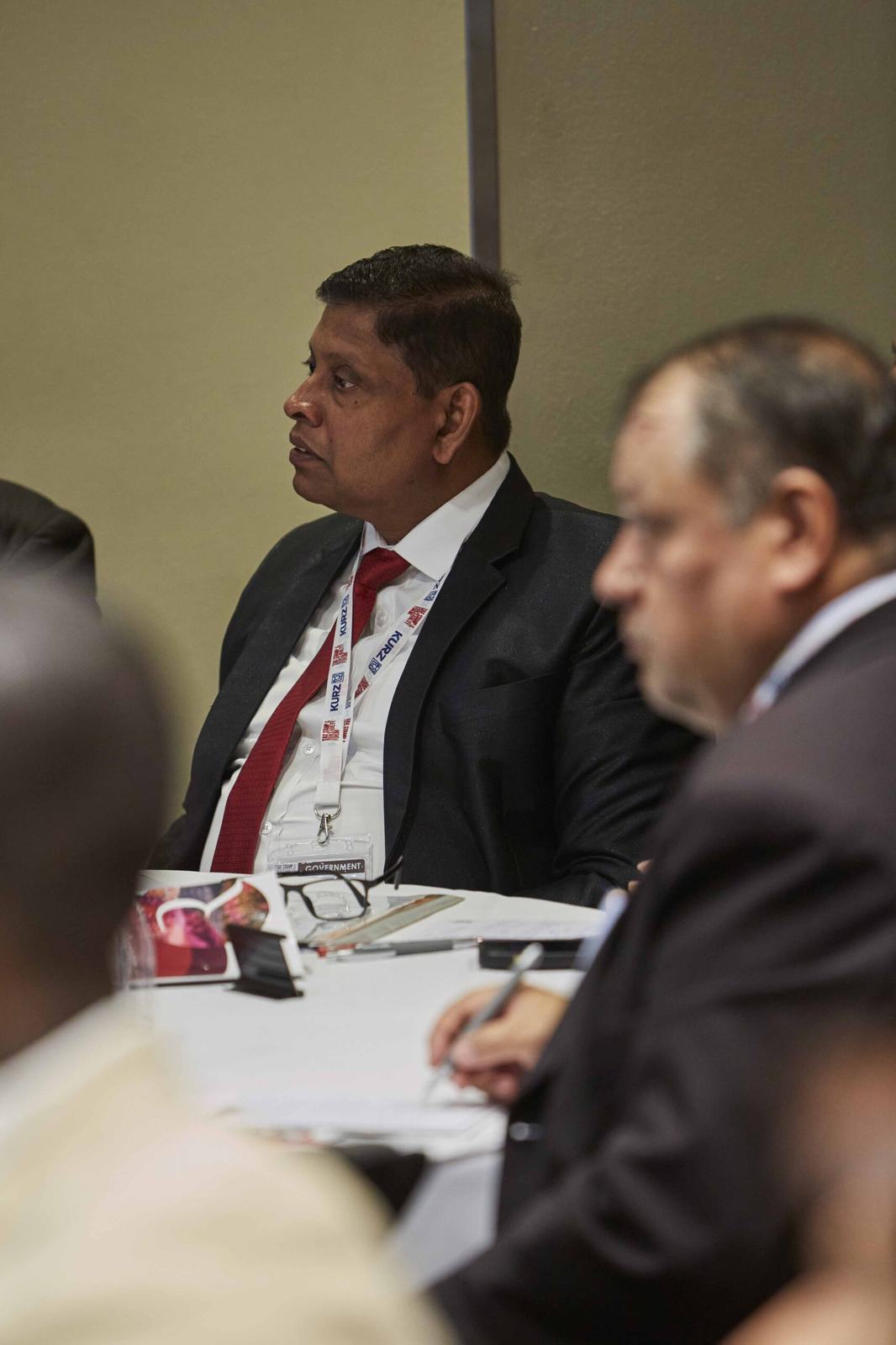
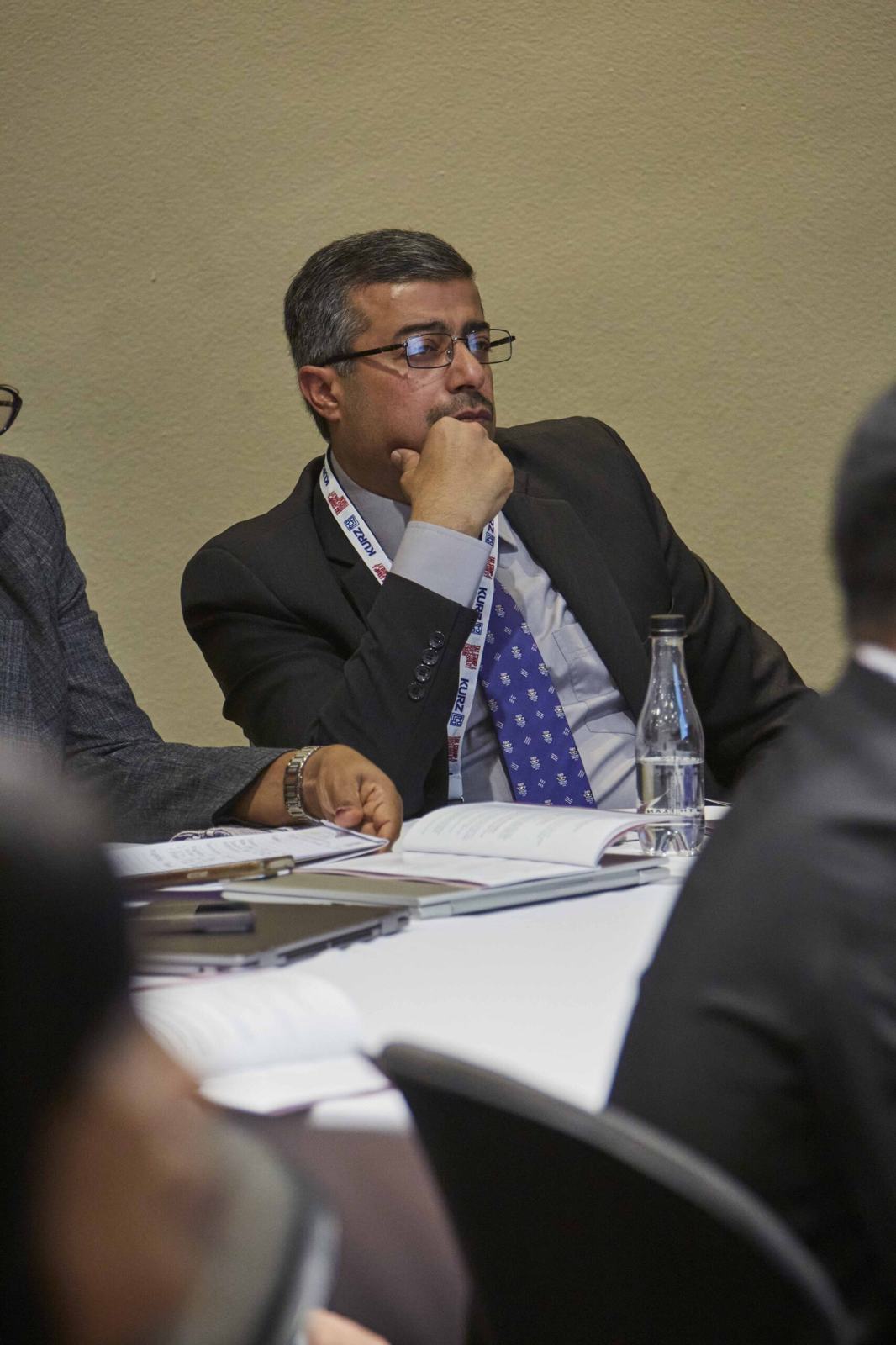
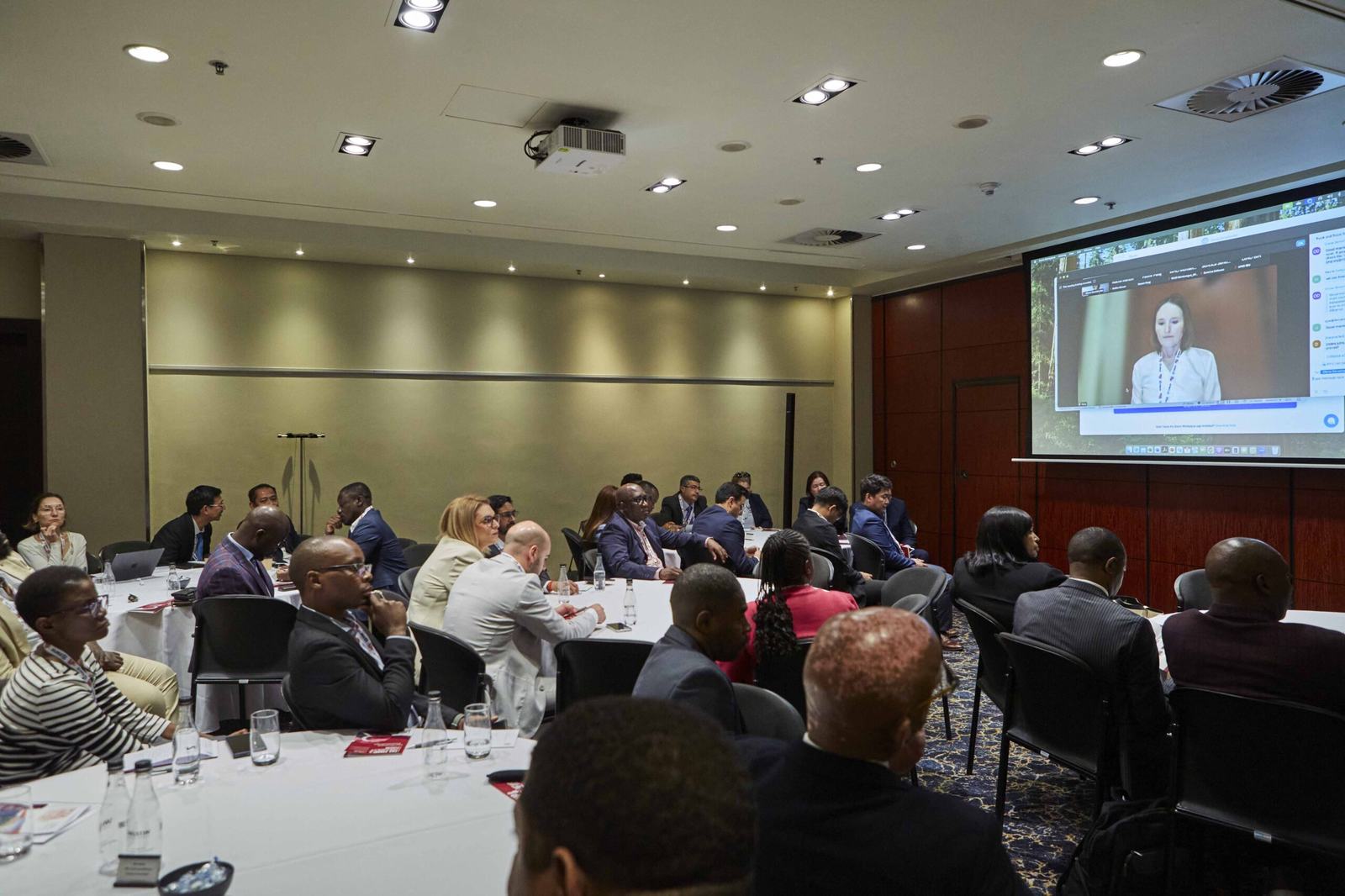
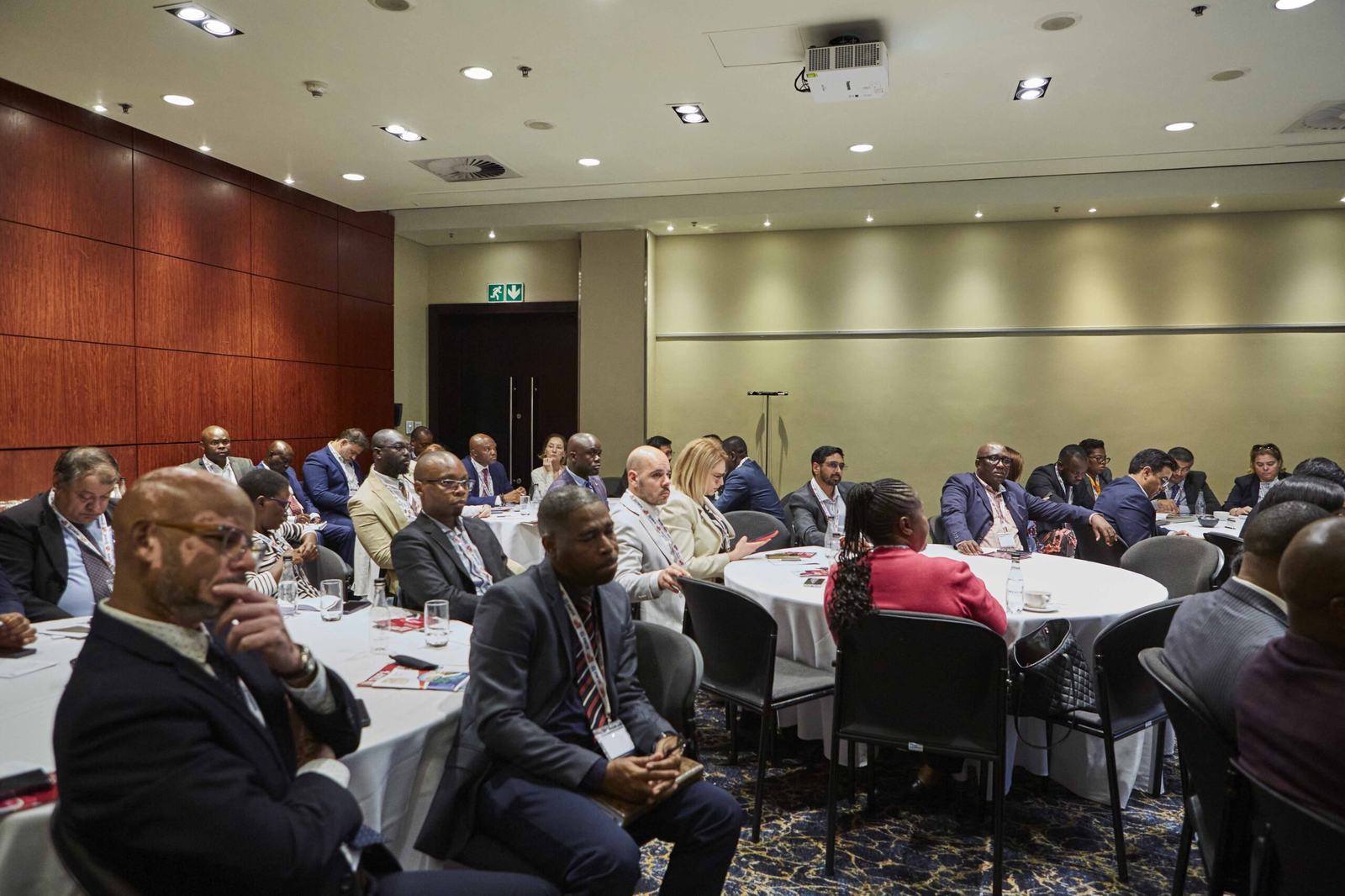
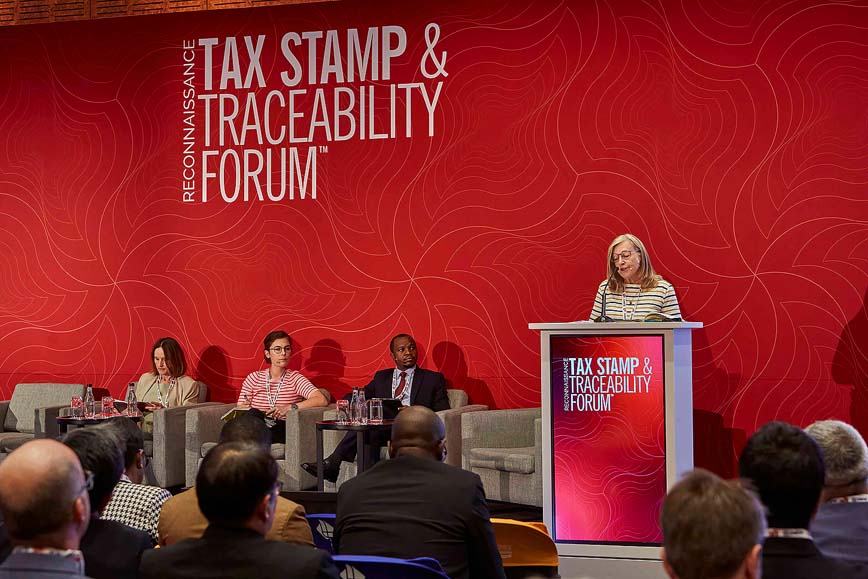
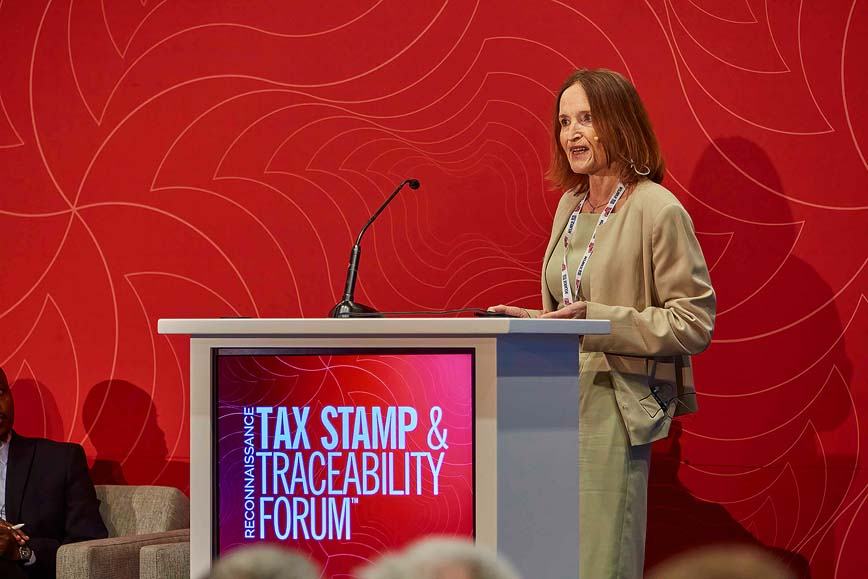
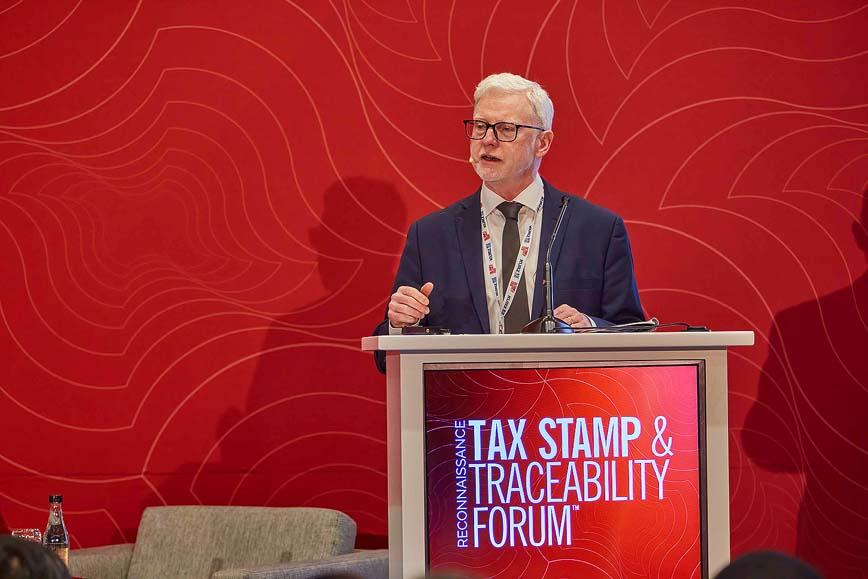
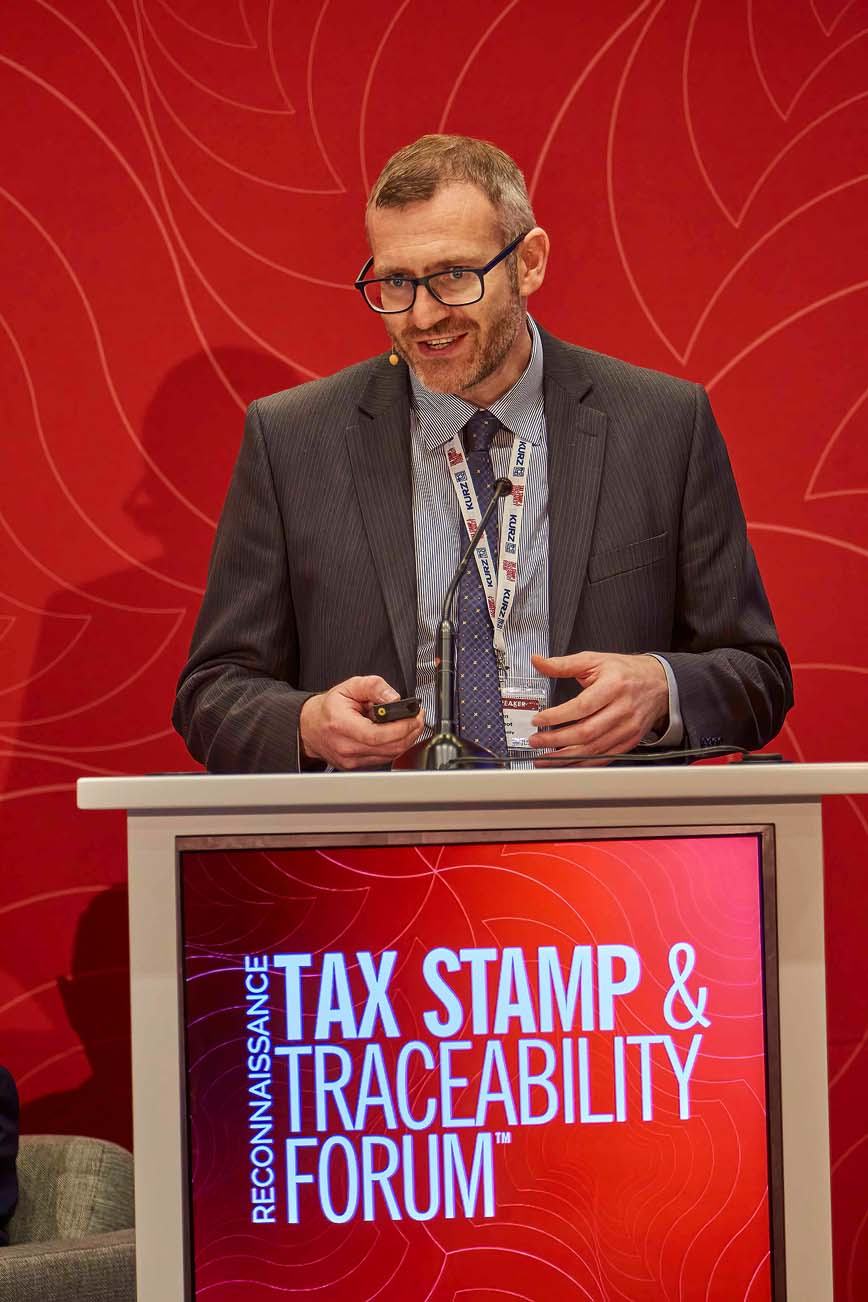
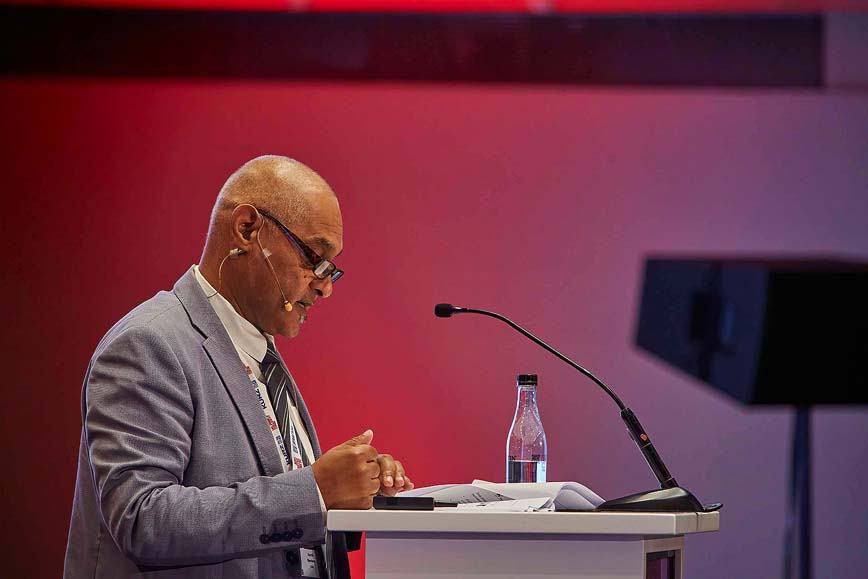
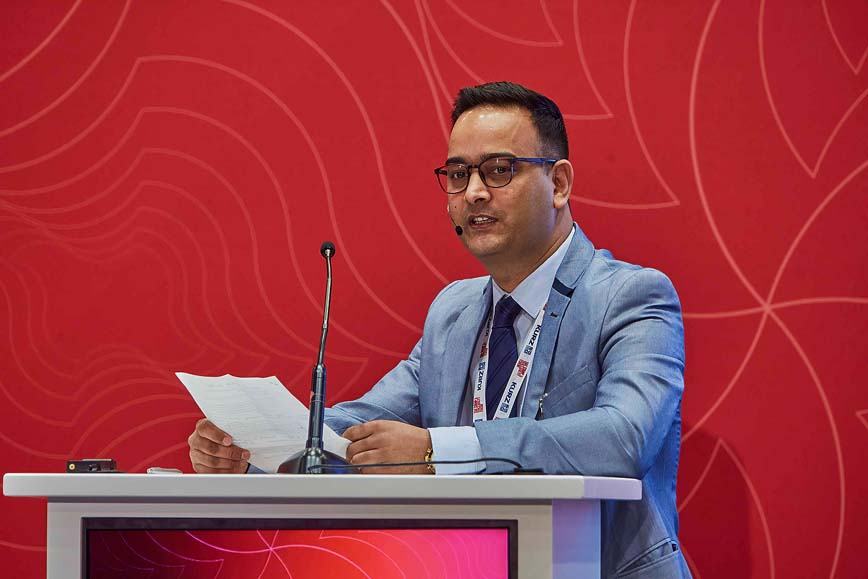
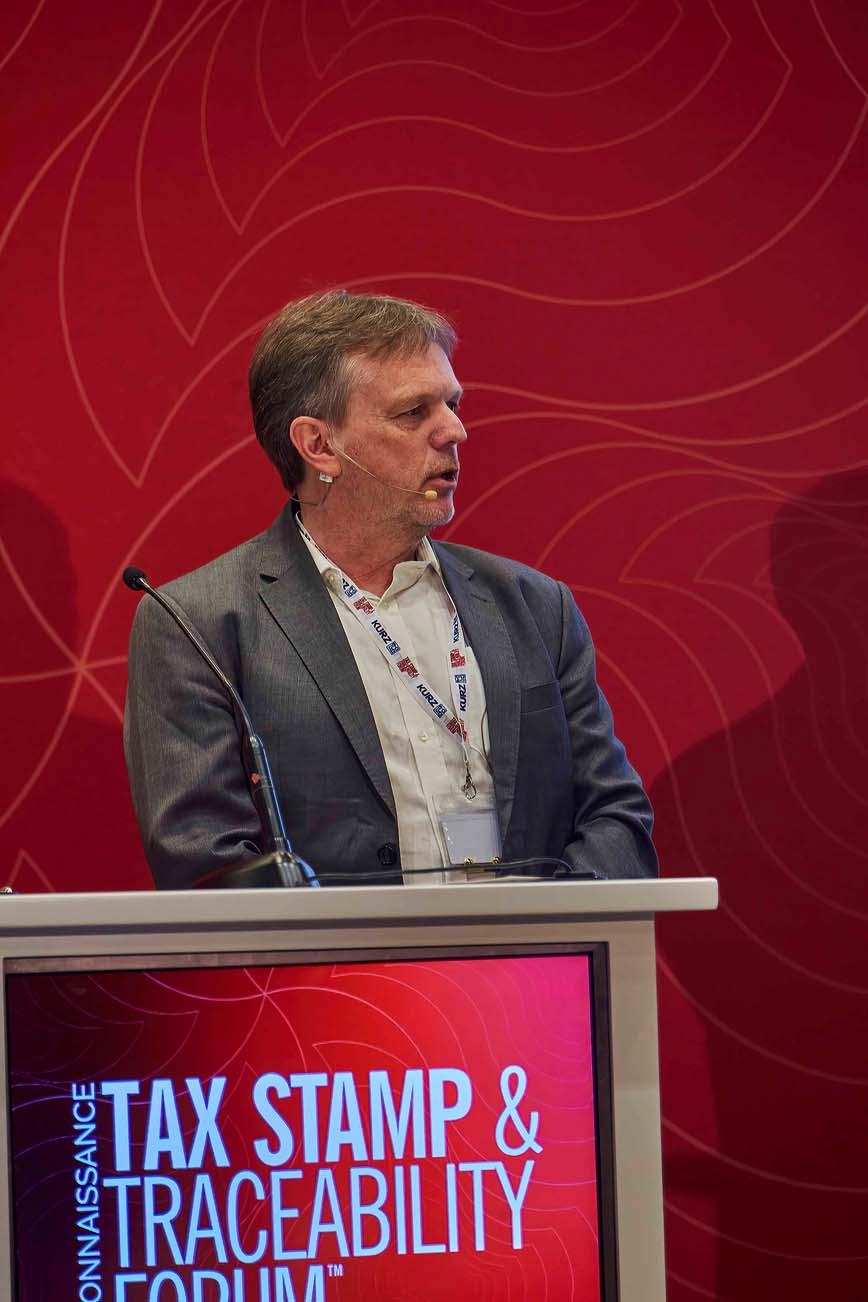
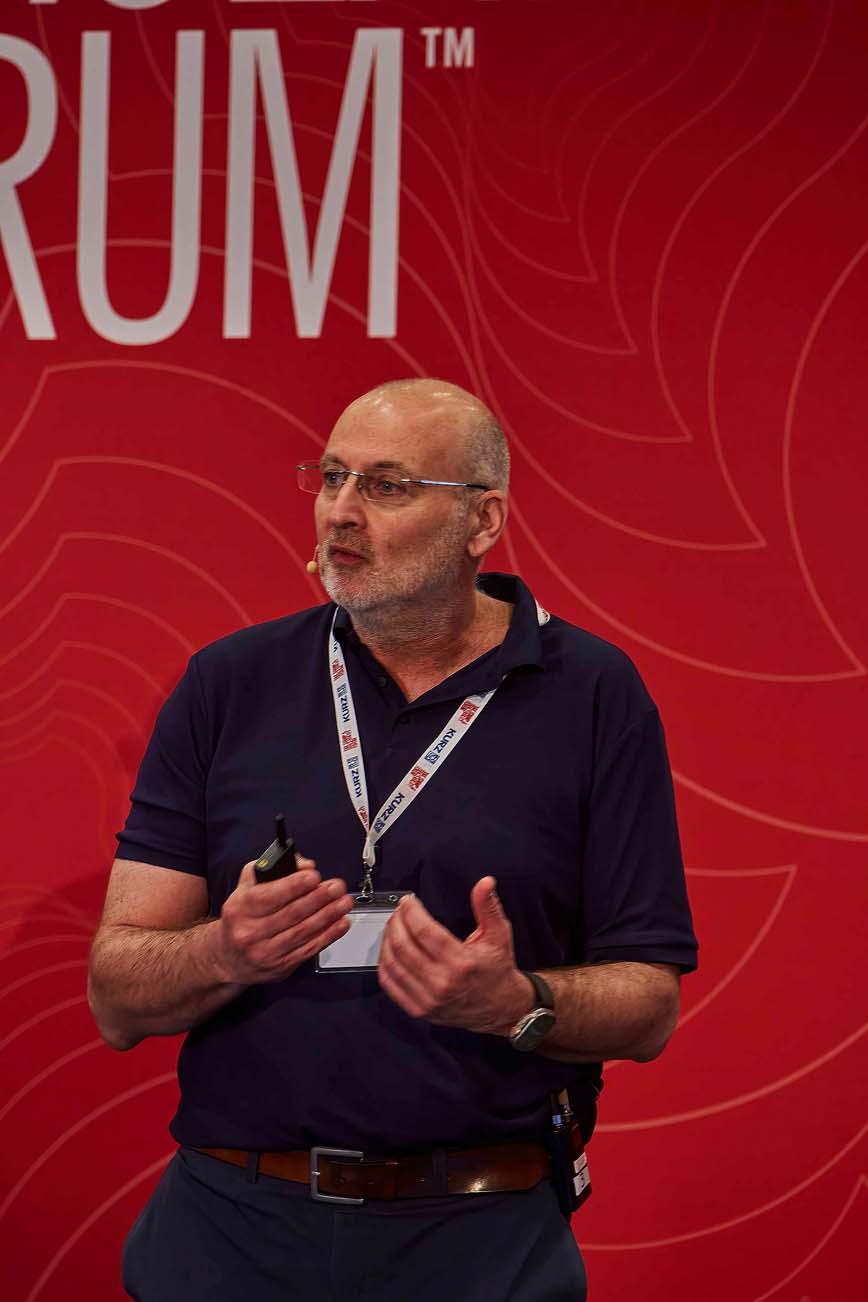
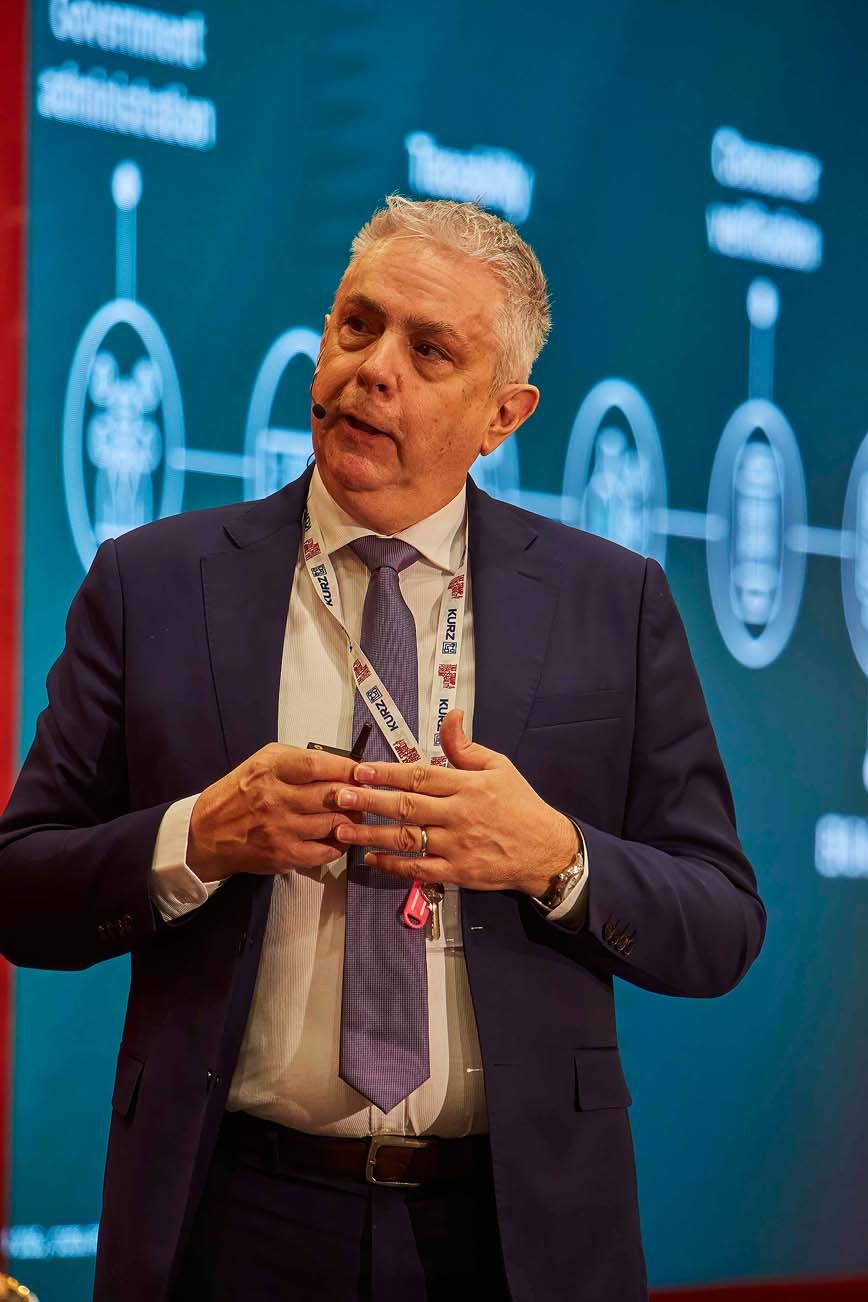
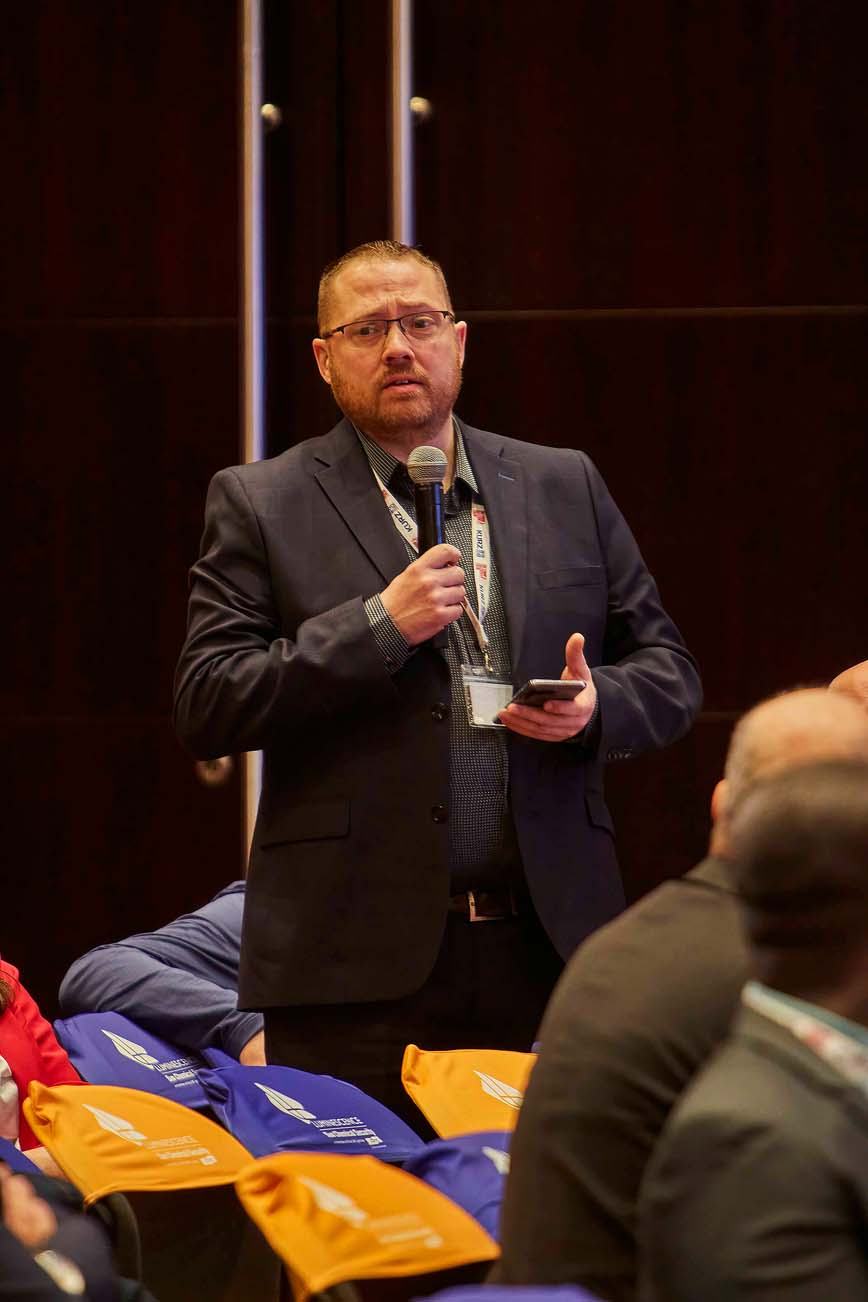
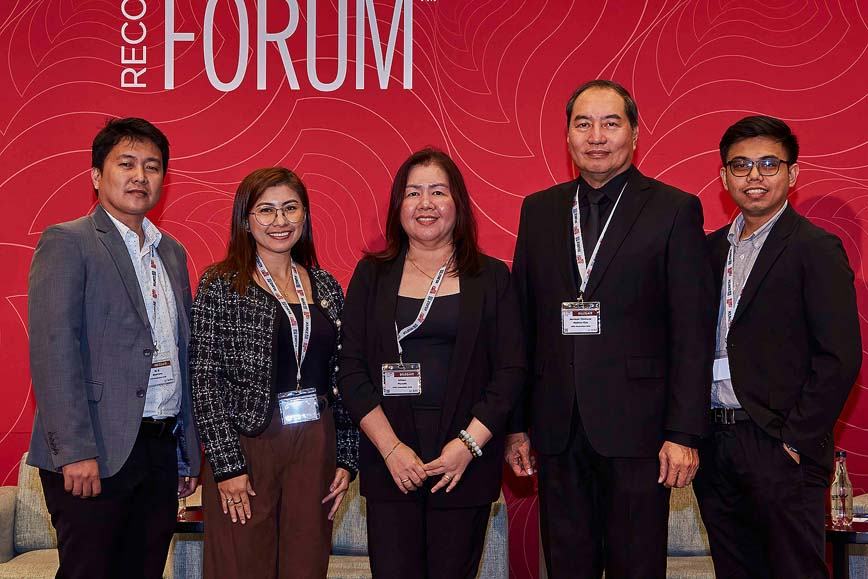
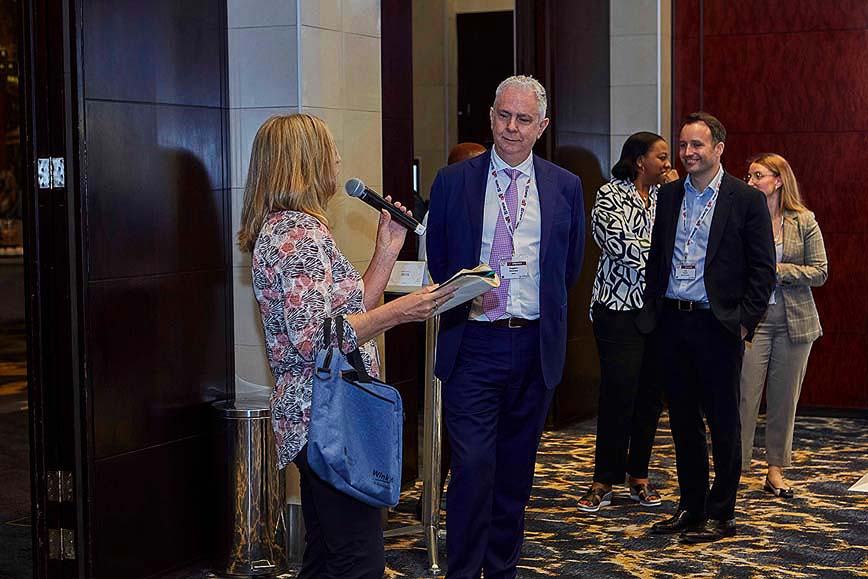
First of all, despite the lower number of supplier delegates at the 2025 TSTF, there was a very good turnout in terms of tax and customs agencies – not only from a numbers point of view but also in terms of the level of agency participation in workshops and plenary sessions. ‘You just had the feeling that government authorities were more ‘present’ and involved in the discussions than before,’ commented one supplier delegate.
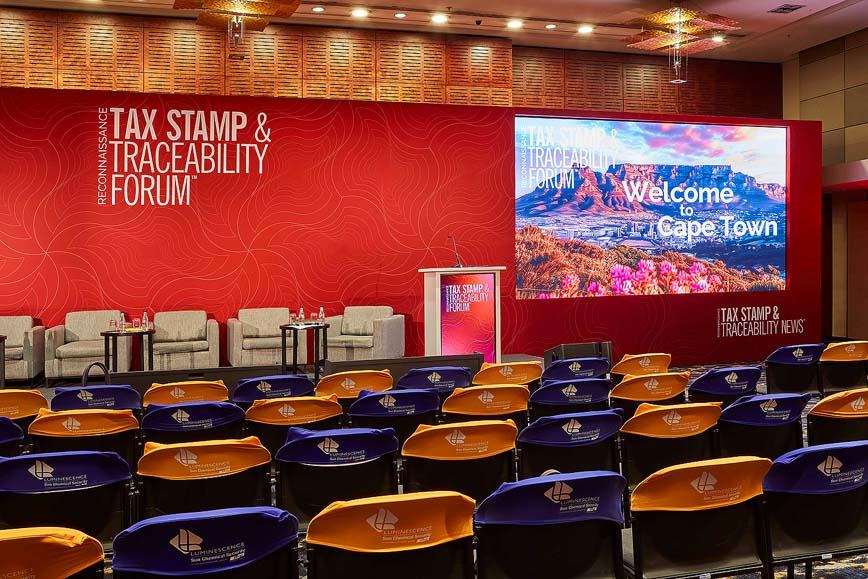
Secondly… the venue was Cape Town, South Africa. Need we say more?
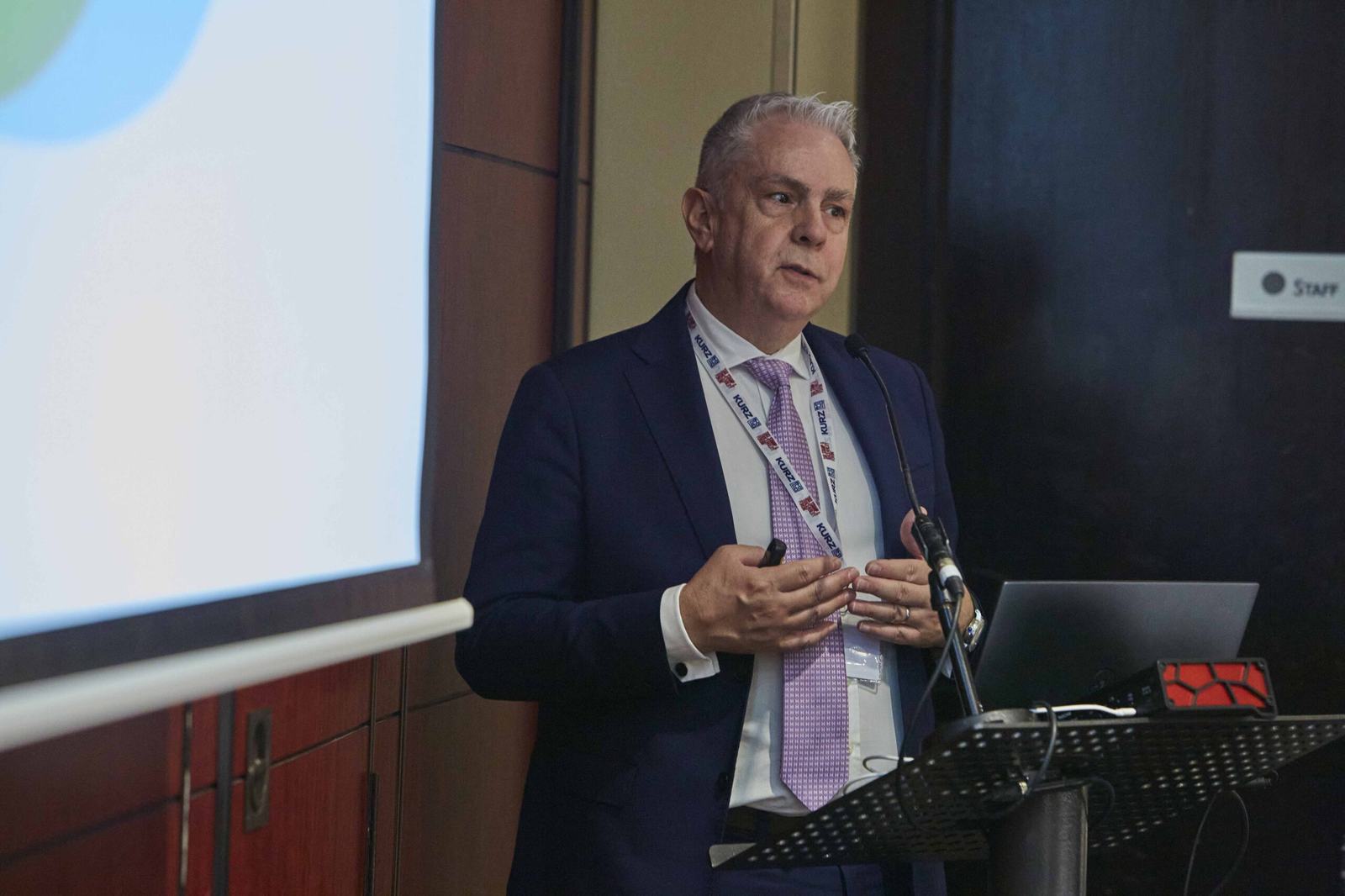
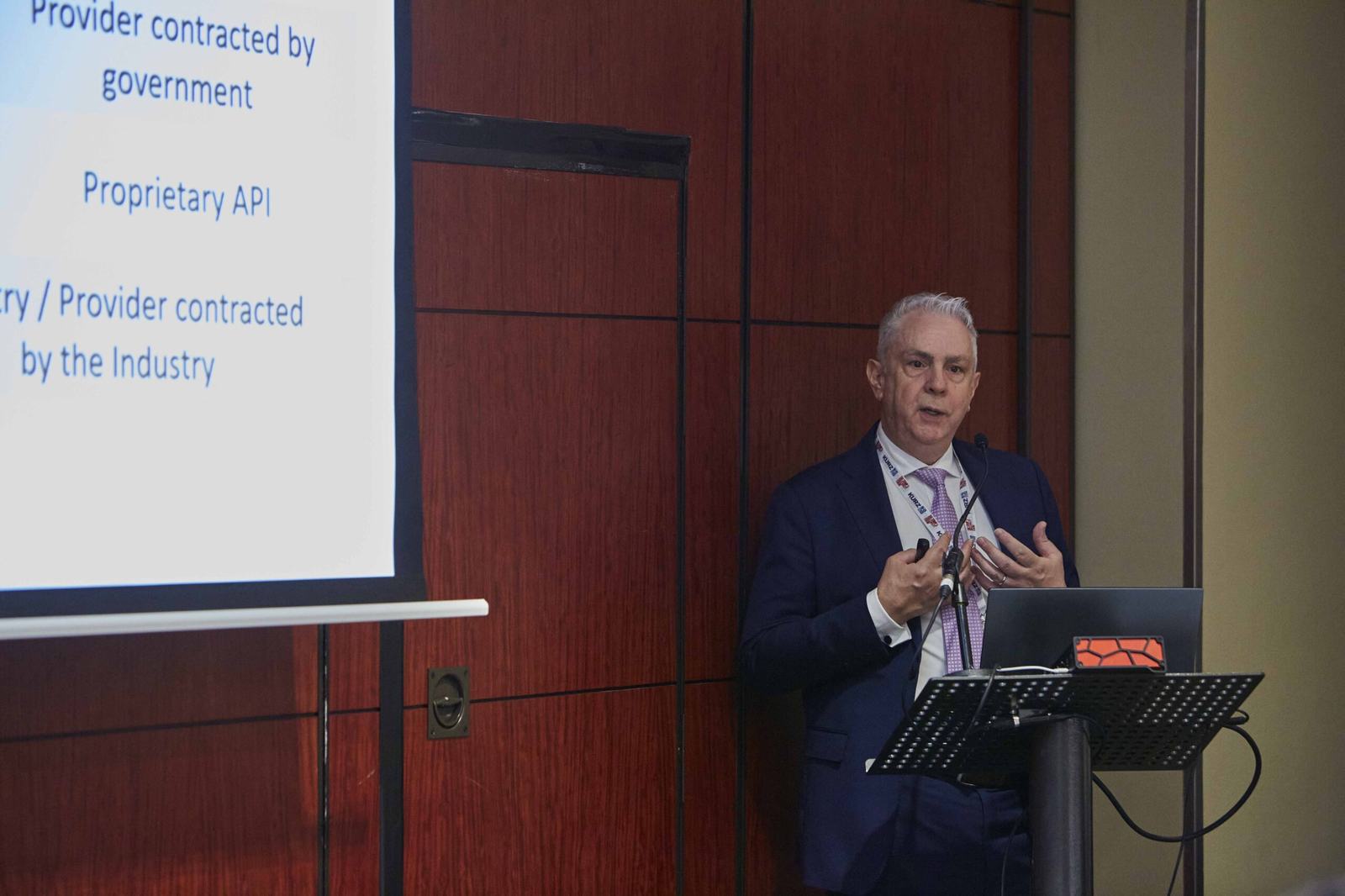
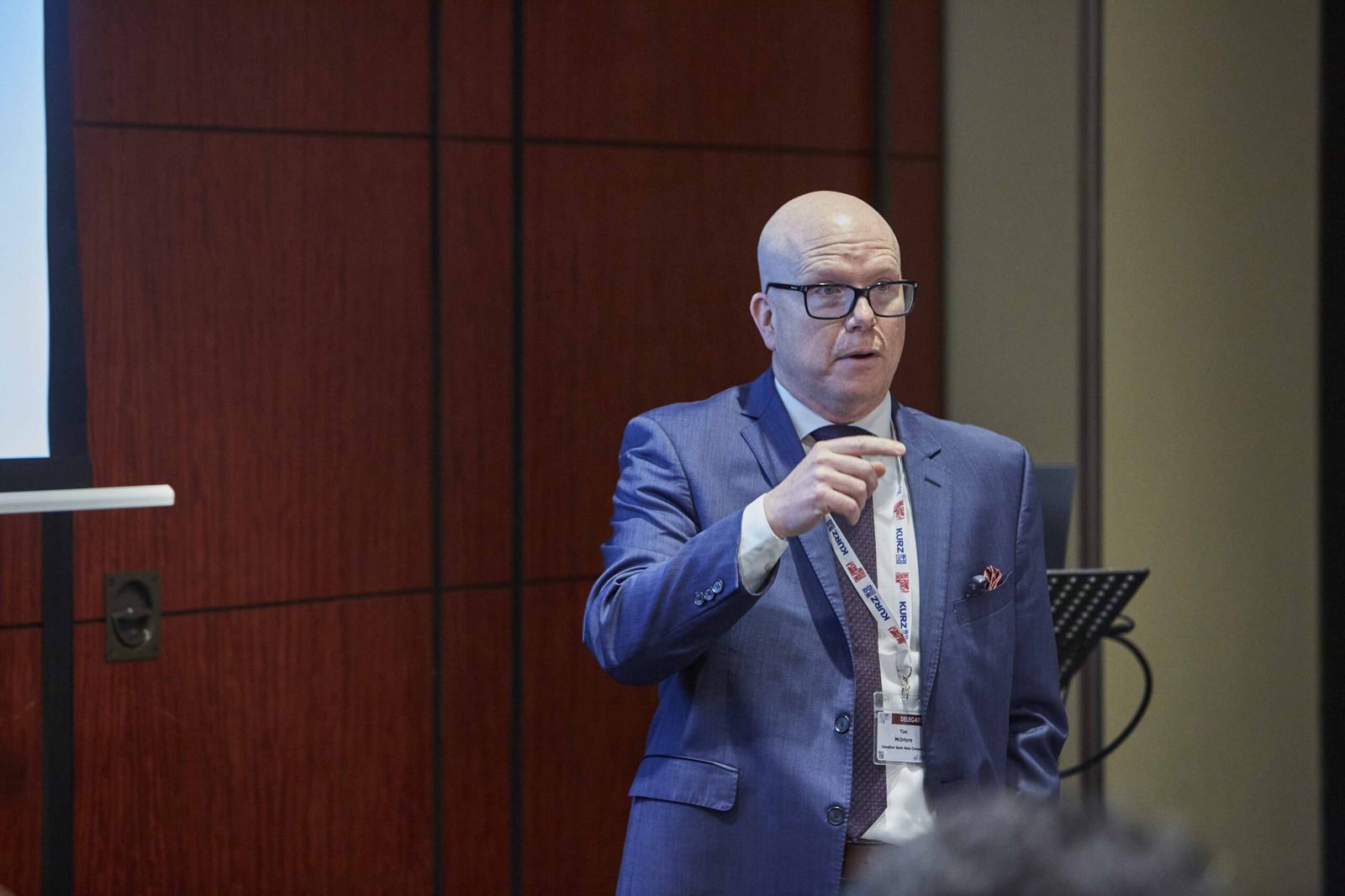
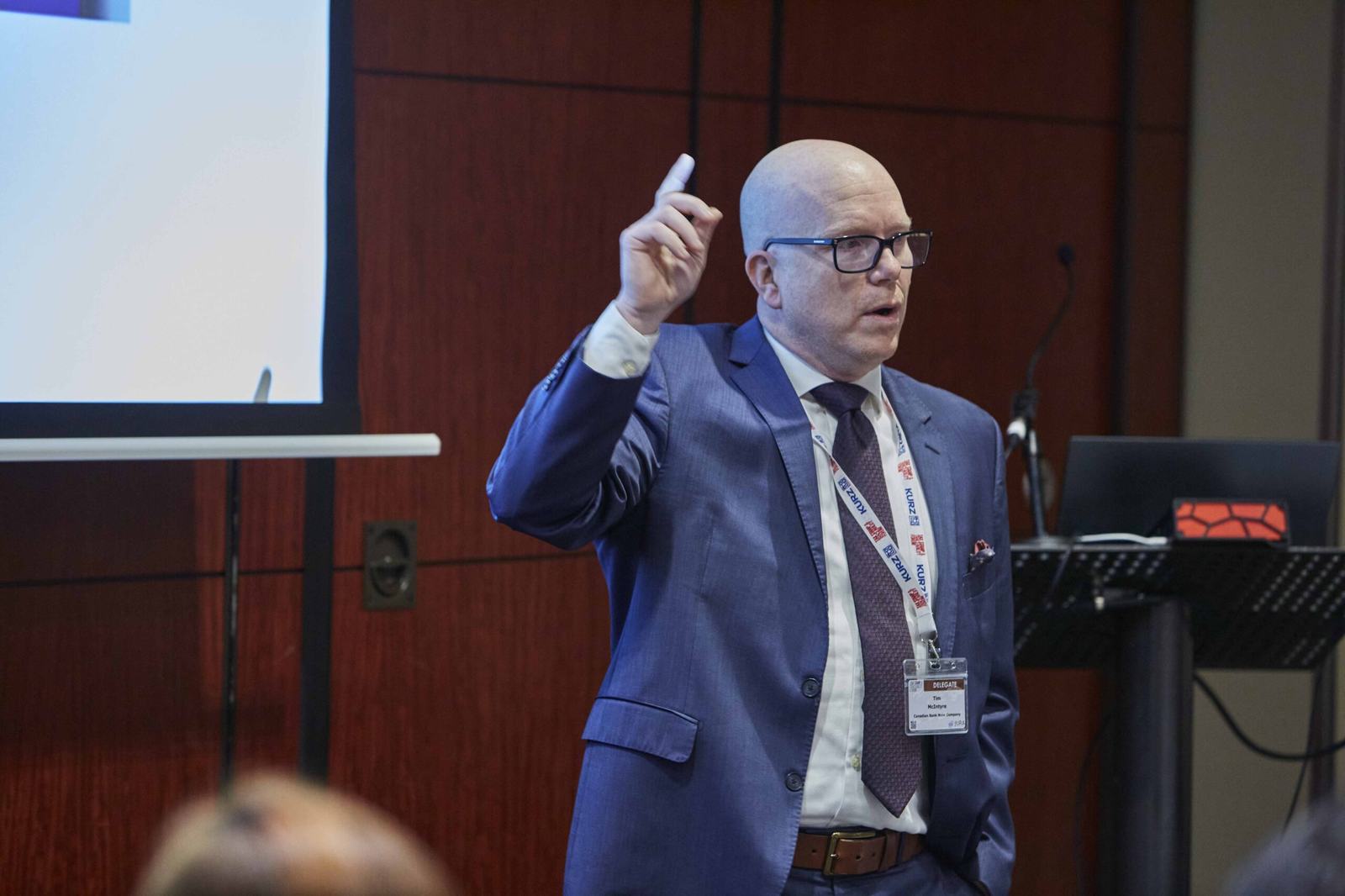
Thirdly, the programme was commended for the quality of the speakers and the relevance of the topics, which, according to one supplier delegate, were a reflection of key developments in the industry.
‘The event triggered a lot of good thinking,’ commented a delegate from the South African Revenue Service (SARS), with a second SARS delegate adding ‘we have learned a lot and have much to take into consideration when South Africa hopefully develops its own tax stamp system’.
The speakers included experts in tax administration and the economics of excise products, as well as leading solution providers and tax and customs authorities.

The African landscape
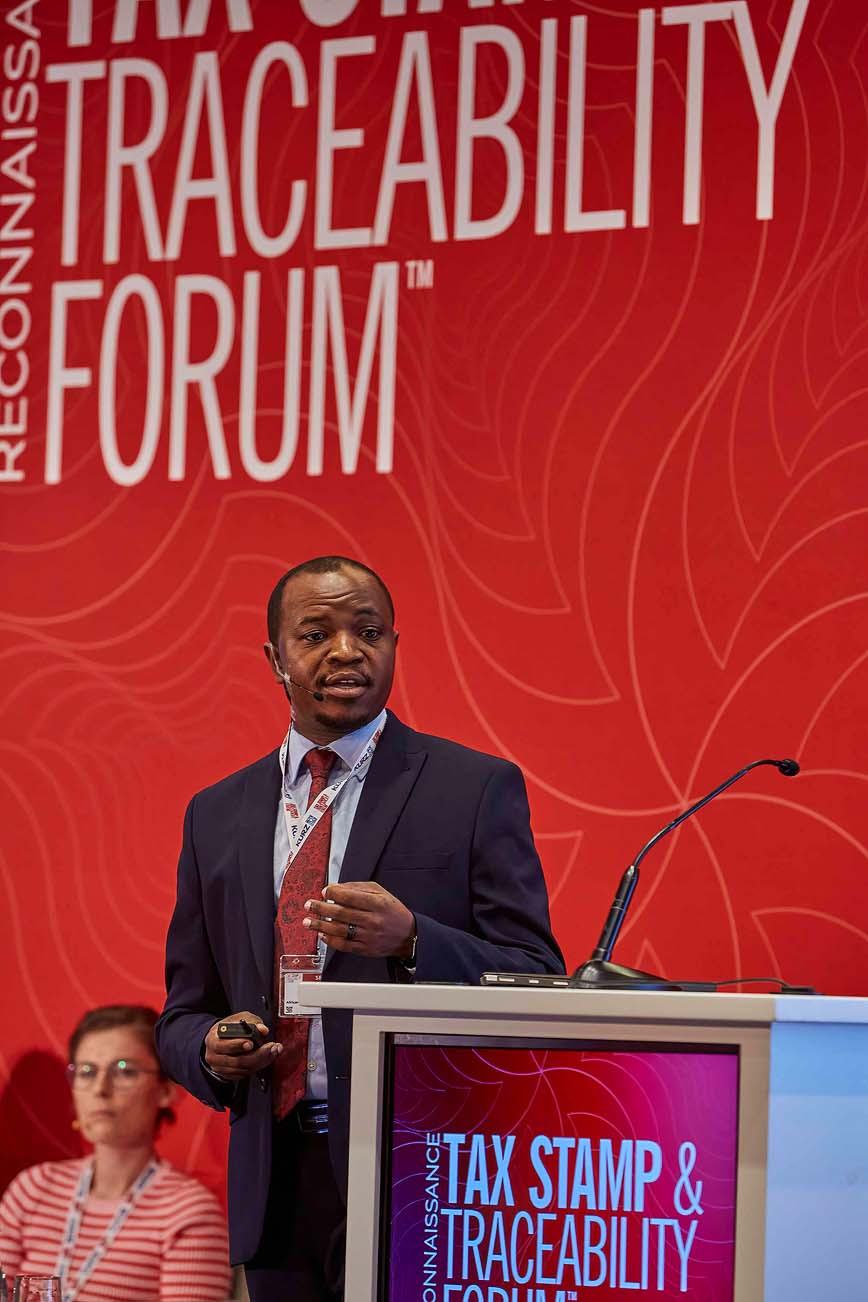
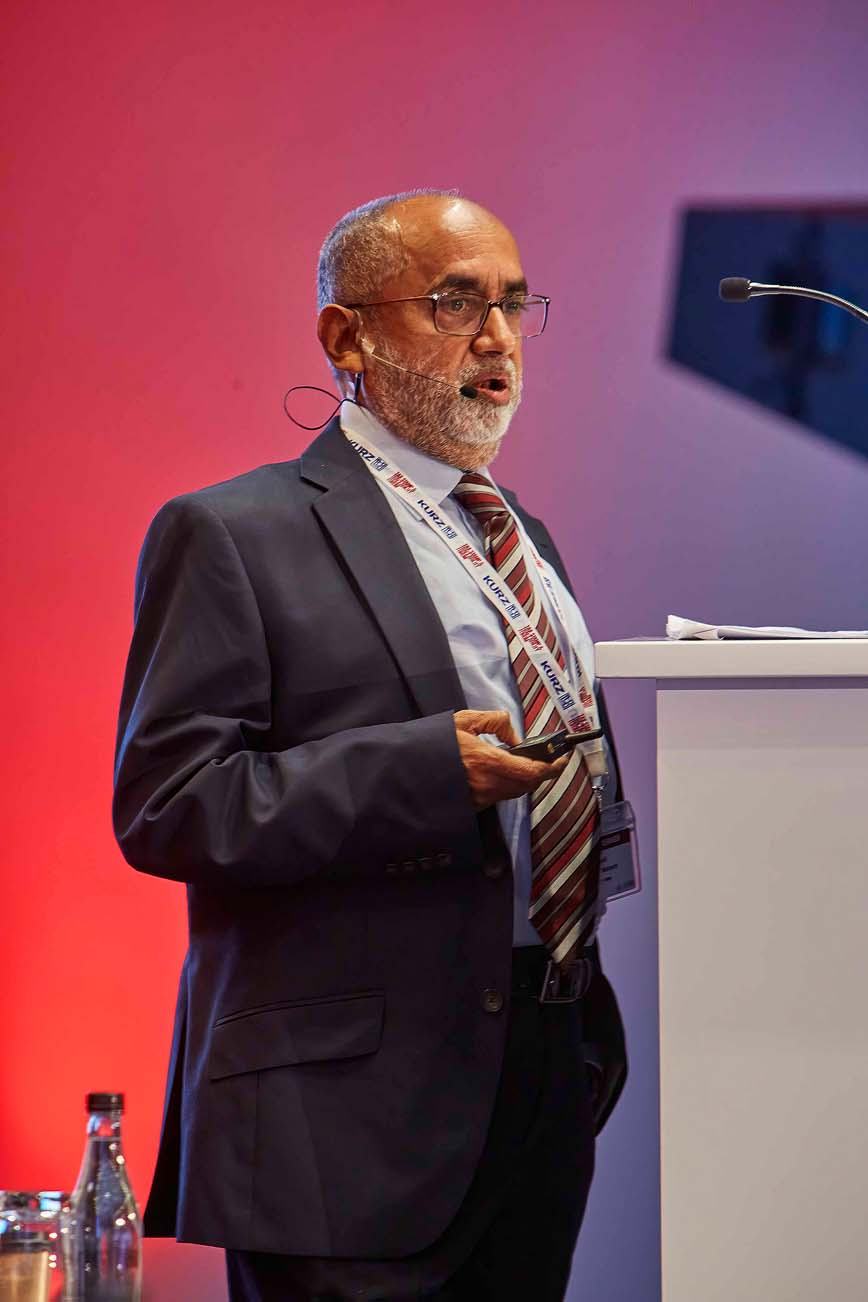
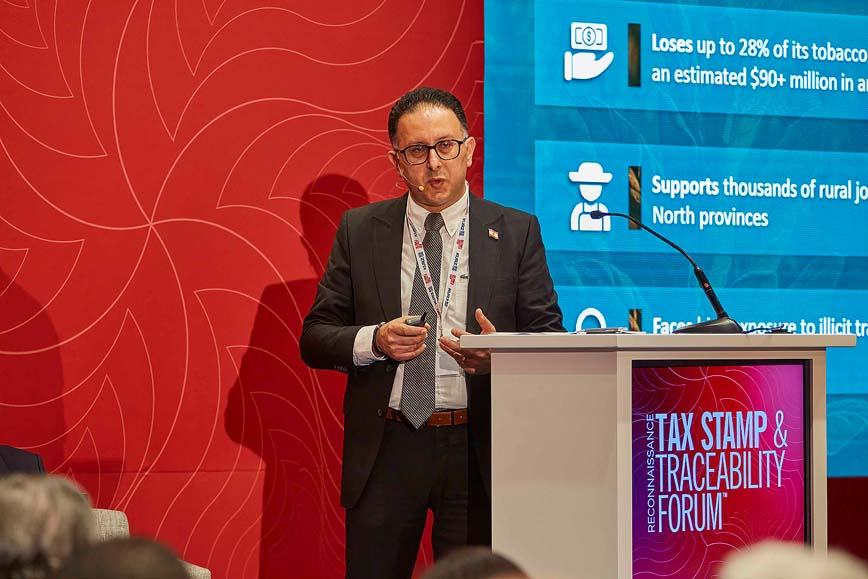
Linstrom Marangu, Health Tax Specialist from the African Tax Administration Forum, opened the conference by addressing the challenges and opportunities for excise management technologies in Africa.
He said that according to the African Union , the continent is experiencing a significant financing gap, and will need additional funds of $194 billion annually (or 7% of Africa’s gross domestic product) to achieve its 2030 Sustainable Development Goals.
Excise taxes have a part to play in closing this gap, in that they contribute an average of 8% of total tax revenues in Africa. What’s more, these taxes are extending from the more traditional fuel, alcohol, and tobacco products, to cement, cooking oil, sugar, telecom services… and the list goes on.
Illicit trade is rife throughout the continent, though, and technological solutions are needed to work hand-in-hand with field inspectors to combat this scourge. In particular, African tax administrators are looking for integrated solutions, where tax stamp data can be crossmatched with taxpayer declarations, for example, to form a seamless whole, advised Linstrom.
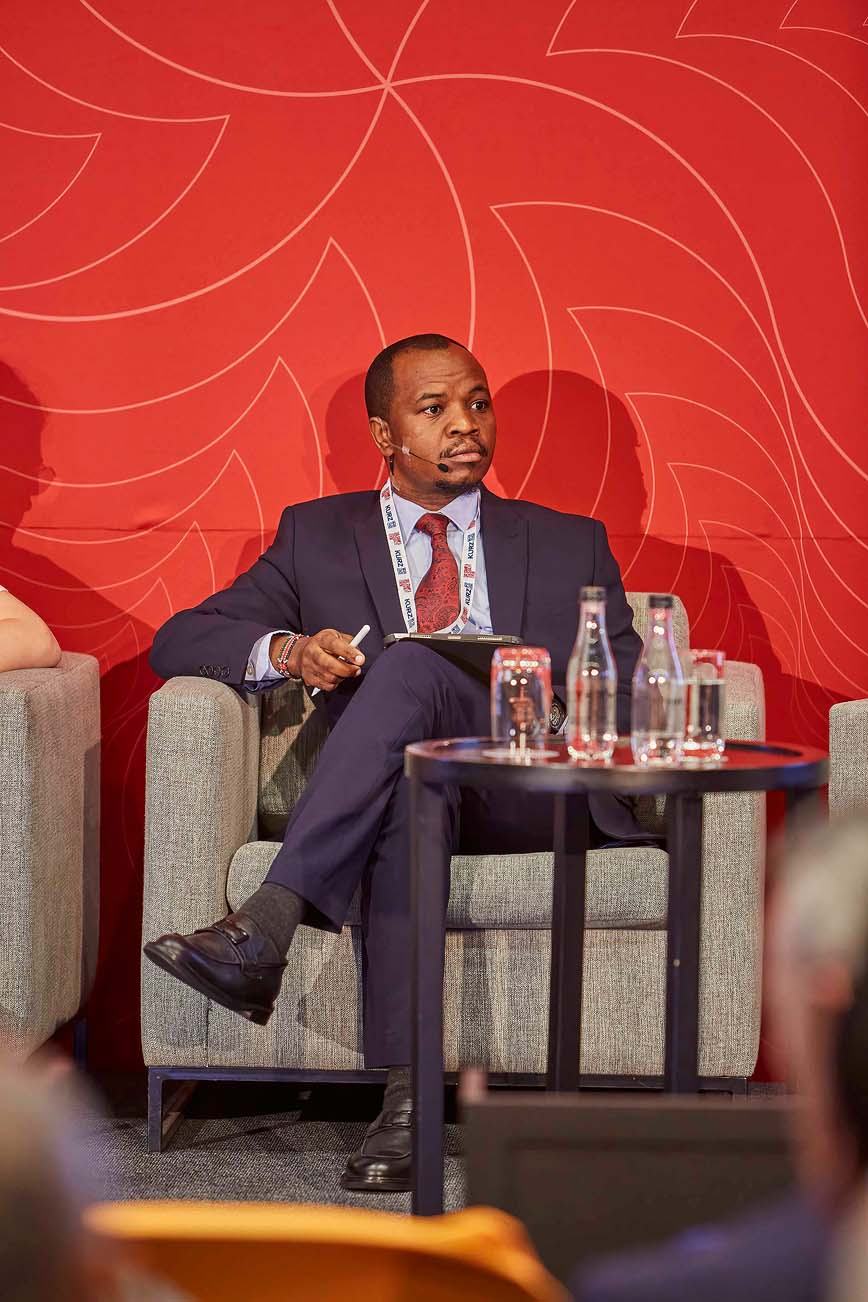
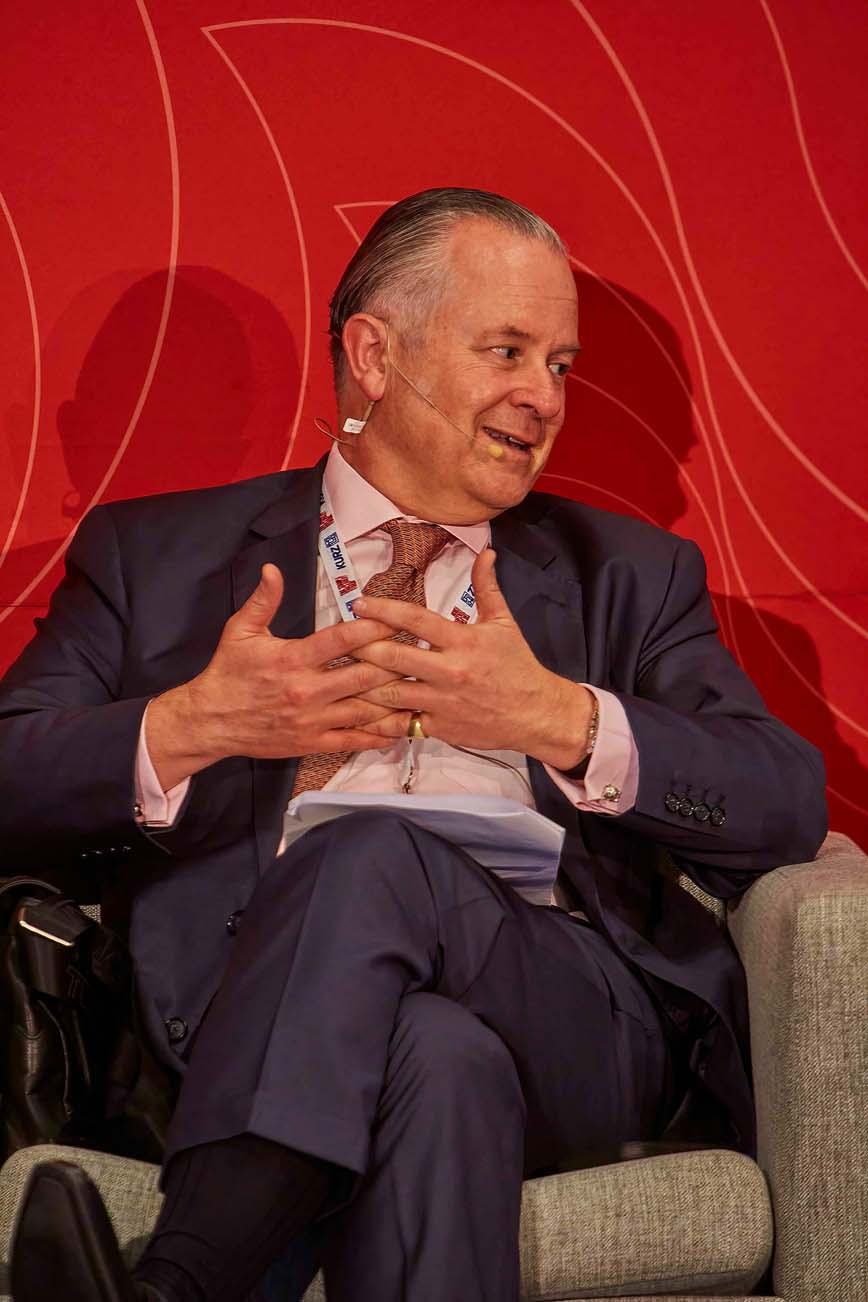
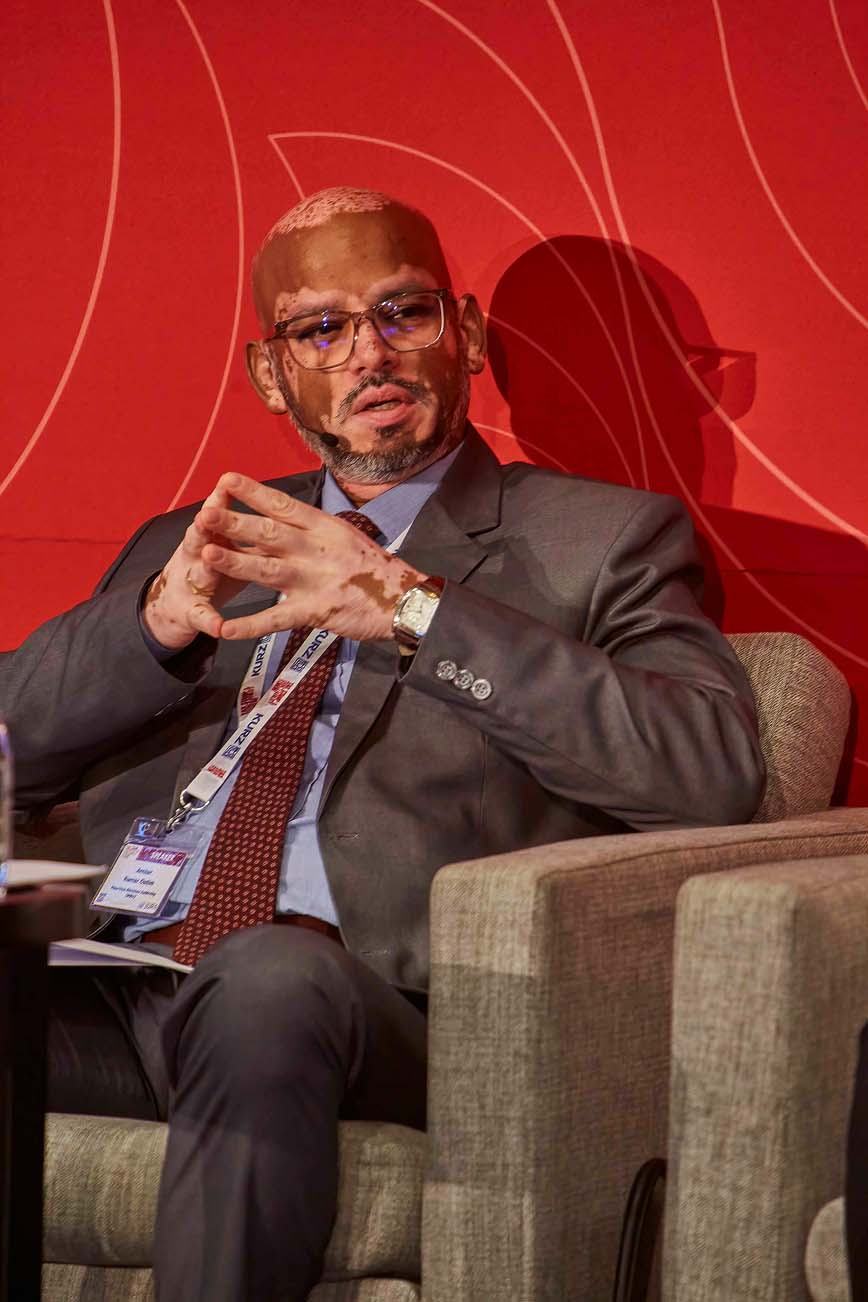
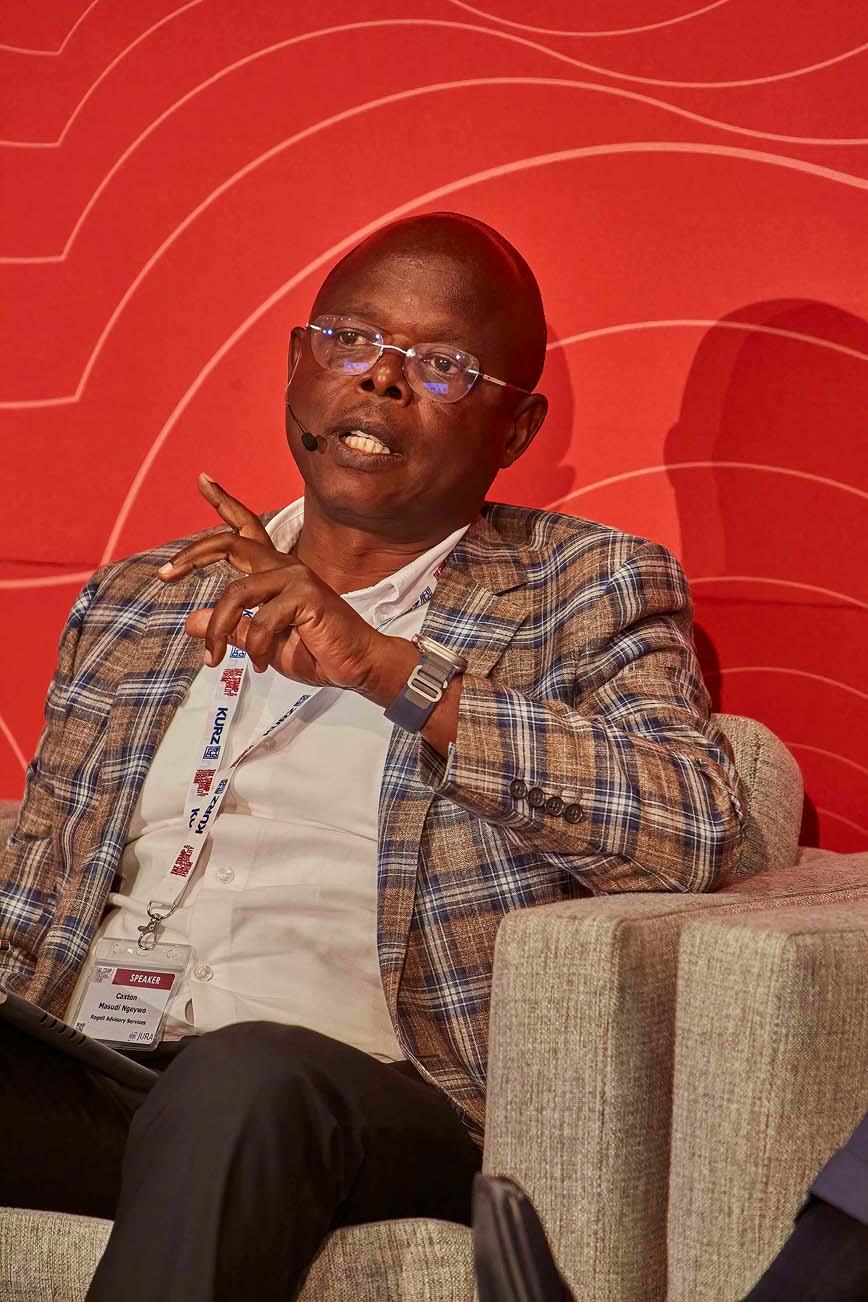
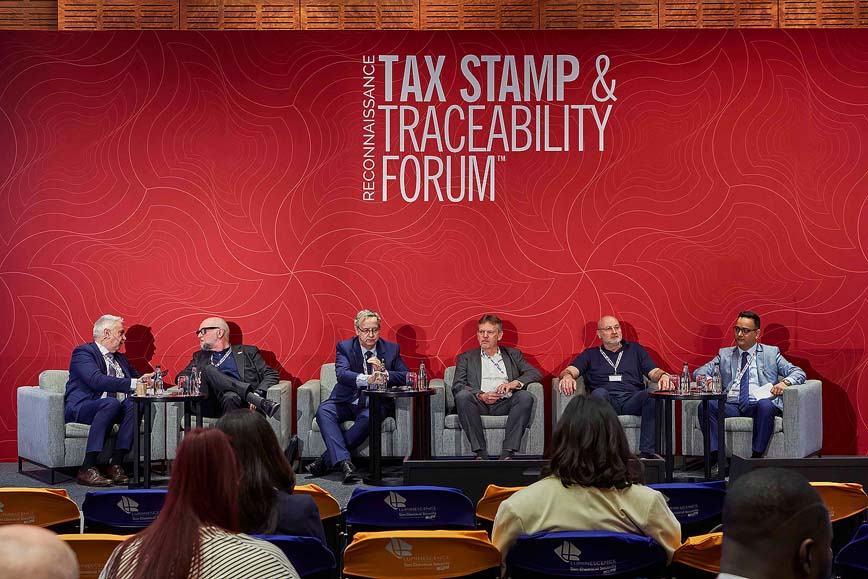
The theme of integrating tax stamp systems into a comprehensive eGovernance platform continued with a panel discussion chaired by Linstrom, with panellists from the Mauritius and Ghana revenue authorities, as well as industry experts Caxton Ngeywo and Francisco Mandiola.

Regulating raw tobacco
Another key theme of the conference was the control of inputs (eg. raw tobacco) into the production of excisable products – as opposed to controlling just the finished product itself.
In this regard, Dr Hana Ross of the World Bank Global Tax Program described Poland’s success with controlling the supply of tobacco.
In 2012, as much as 70% of all roll-your-own cigarettes smoked in Poland were made from untaxed, cured tobacco, leading to lost government revenue of over $300 million annually. Individual smokers were buying shredding machines to cut the leaves after purchase, as well as curing machines, and machines to fill cigarette tubes with tobacco.
In 2016, excise tax stamps were introduced on packages containing cured tobacco, allowing for the product to be tracked from source to manufacturer. As a result of this and other measures, cigarette excise revenues soared.

Government-only workshop
One of the main comments arising from the previous TSTF, in 2023 in Tbilisi, Georgia, was the need for a dedicated meeting for government authorities only, as a platform to exchange experiences and ideas without suppliers being present.
For the 2025 event, this need was addressed in the form of a workshop hosted by Hana Ross on the subject of ‘Track and Trace Solutions and Lessons’. The workshop included a definition of track and trace and what it can and cannot do; basic terminology to enhance common understanding of technologies presented at TSTF; preconditions for the successful implementation of track and trace; and how to enhance the performance of a track and trace system through regional collaboration.
Country cases
The Forum also covered a wide range of other country cases, including a simulation model for determining how much to pay for track and trace in South Africa; authenticating and tracking homologated communication products in Mozambique, production reporting and marking of reinforcing bars used in the Turkish construction industry; evaluating compliance with track and trace n Pakistan’s cigarette market; and the growing threat of illicit vapes to public health and tax revenues in the United States.
Back to Europe in 2027
We are happy to announce that the next TSTF will take place in spring 2027 in Madrid, Spain.
While Cape Town, as a destination, proved very popular with delegates, it was quite a distance to travel for some countries. Therefore, our aim, going forward, is to hold as many forums as possible in more centralised locations, while maintaining the profile of TSTF as a truly international event.
See you in 2027!
TSTF provided insights on different scenarios where illict trade can be minimised by the adoption of AI technology and system intergration. The conference provided informative presentations and table discussions that allowed the discussion of many ideas.
I was very impressed with the organisation of the conference and speakers. We have learnt a lot and will have much to consider when South Africa develops our own system and stamps.
Attending this year’s TSTF was transformative. Contributing to ISO draftiing and exploring AI-powered compliance and quantum secured traceability systems provided actionable strategies that align with our priorities. Thanks for an event not only inspiring but also delivers forward thinking solutions.
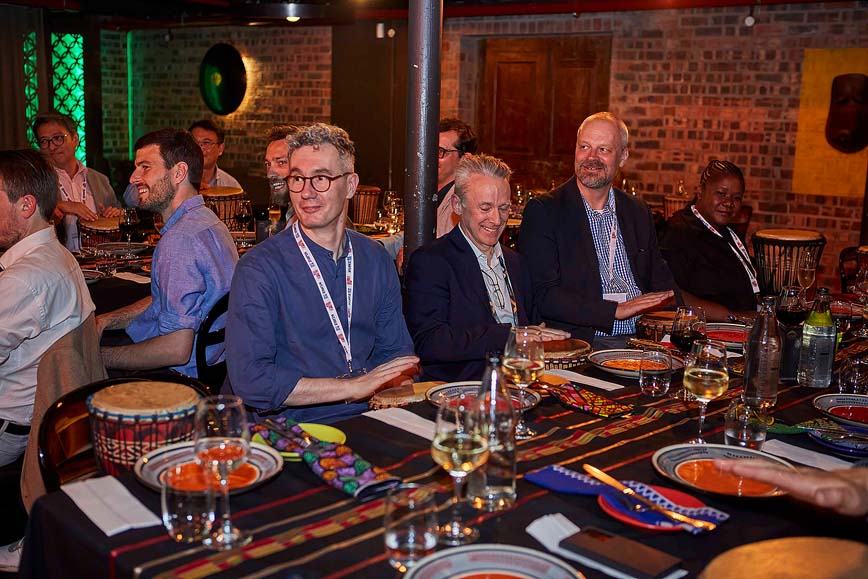
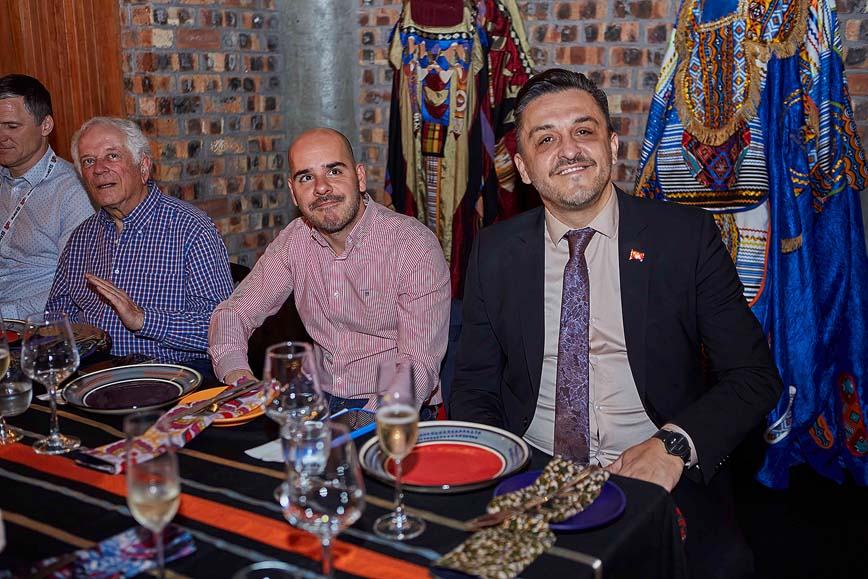
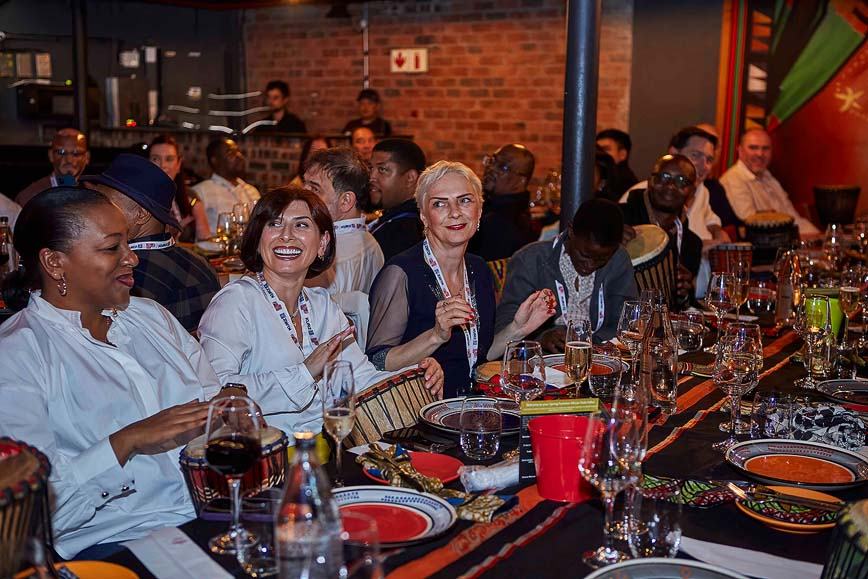
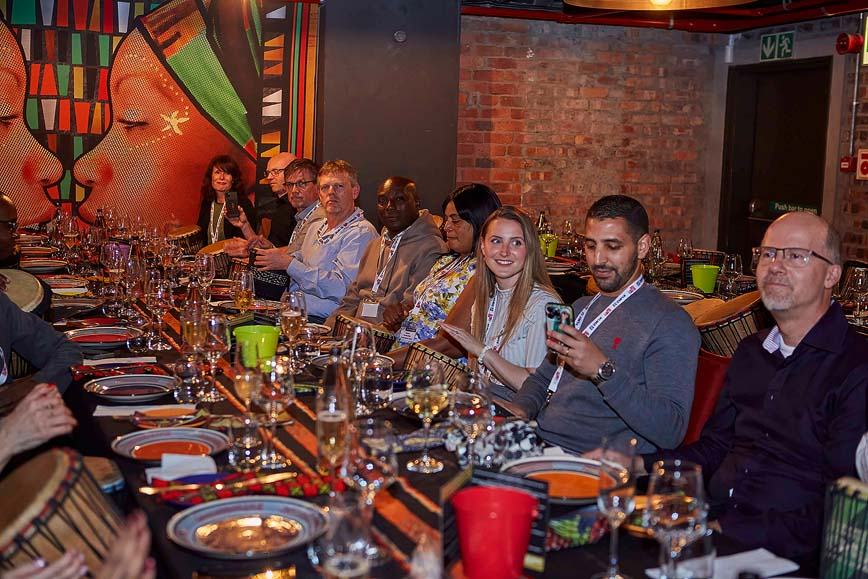
Gallery
Very informative, well ran and a nice introduction to the conference as I’d never been before and was unsure of what to expect. Well done on a well ran event!
The event met our expectations. Powerful networking. New solutions. Excellent staff.
This was my first participation at TSTF and it was very enriching. It encompasses many commodities that I was not aware of. Congratulations for the great organisation!
Attendees
The conference exceeded my expectations. The information presented by speakers gave a balanced view of the traceability landscape as well as opening my mind to what is ahead for the the Tax Stamp industry.
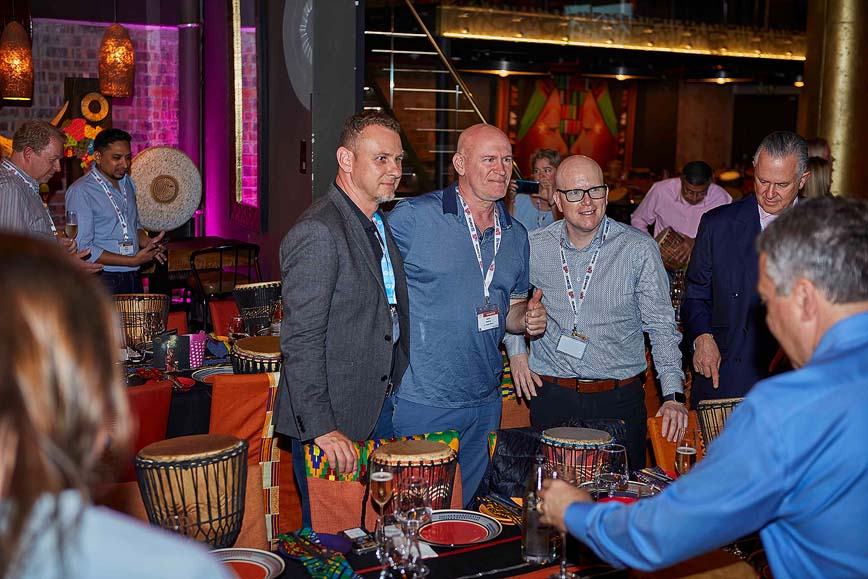
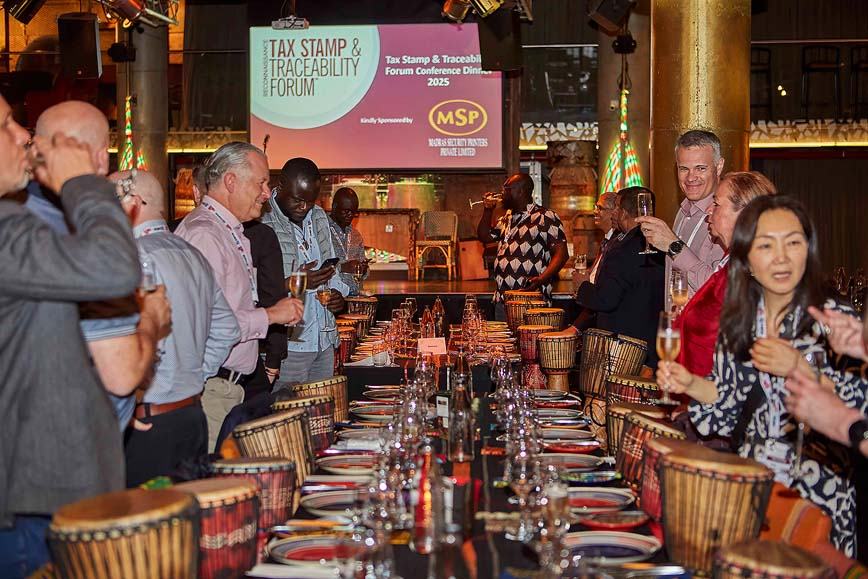
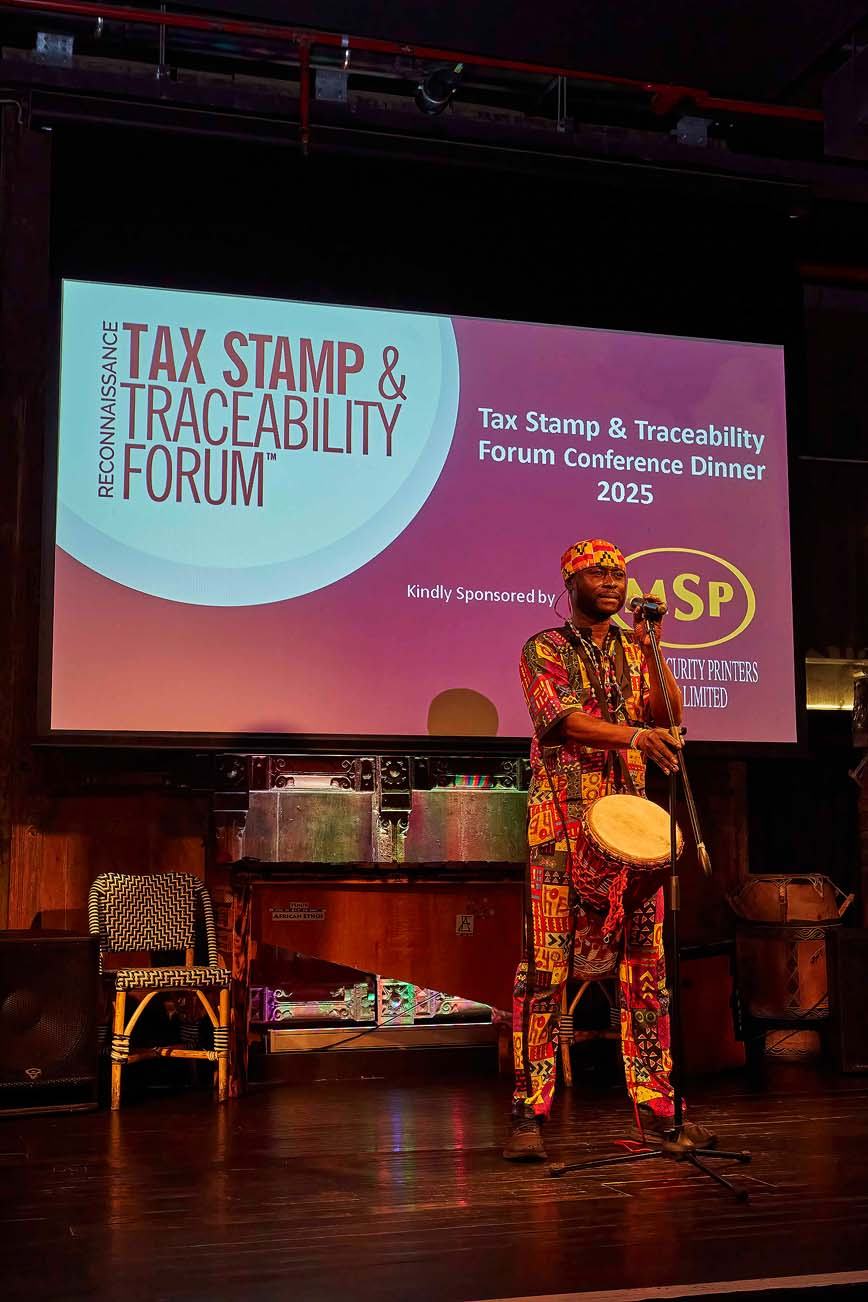
Very informative. Learned a lot during panel disc. The evening dinner event was fabulous. Ran exceptionally smooth. Great conference for exchange of ideas between many industry of revenues.
The conference provided a very informative and detailed analysis of tax stamps and their features. The analysis between the digital and physical was also very good, too.
The Programme
Monday 7 April 2025
08:30 – 10:30 Track and Trace Solutions and Lessons
Chaired by Olena Doroshenko and Hana Ross of World Bank Group
This a closed seminar organised by the World Bank Group for government authorities only.
This workshop will cover the following topics:
- Definition of a track and trace system and what it can and cannot do. This part will cover the basic terminology to enhance the common understanding and interpretation of the technologies being presented at the Tax Stamp & Traceability Forum.
- Preconditions for the successful implementation of a track and trace system. A track and trace system alone cannot curb tax evasion. It must be part of a larger tax administration system.
- How to enhance the performance of a track and trace system throughregional collaboration – including case studies of both successes and failures of track and trace systems.
11:00 – 12:45 Securing the Future: Why Physical Features Matter in the Digital Age
Chaired by the International Tax Stamp Association (ITSA)
This is a closed seminar for government authorities and ITSA members only, who have free of charge access.
The seminar will address the need for a unified approach to tax stamp and traceability systems that embraces both physical security features and digital technologies. In this digital age, it could be tempting to consider digital-only solutions that may seem easier to implement, but there are risks attached to these solutions.
The seminar will describe what a digital-only system could typically consist of, and what type of fraudulent schemes could thrive, undetected, under such a system. It will then go on to present use cases that have combined physical and digital technologies to positive effect, in terms of increased revenues and taxpayer compliance.
14:00 – 17:00 ISO 22382 for Tax Stamps: Implementing the Revised Standard
Chaired by Ian Lancaster, Project Leader
The workshop is free of charge for government delegates and members of ITSA. For all other delegates a fee applies. If you would like to register or have any questions regarding the workshop please email Alison Bell at [email protected]
The revised ISO 22382 tax stamp standard is in its final stages of preparation, and now is the time to think about what the main revisions mean for you – as a government authority or solution provider – and how they can be implemented.
This workshop will offer you a ‘sneak preview’ of the almost finalised standard, while at the same time giving you the opportunity to suggest last-minute tweaks.
It will be a workshop in every sense of the word, with table facilitators and separate table discussions on specific topics in the standard.
In particular, the discussion will centre around how certain recommendations in the standard could be implemented, including those pertaining to the tax stamp procurement process, unique identifiers, examination of tax stamps, rating of security features, and tax stamp functions.
13:30 – 17:00 Currency – Optimising the Cash Cycle in a Changing Payment Environment
While the use of digital payments, including mobile phone payments, is increasing fast across the EMEA region, the overall use of cash remains high and it continues to be a vital payment instrument. However, the world is changing and there are significant opportunities to manage cash differently, in particular through local recycling and recirculation, i.e. closest to where the cash is needed and used.
The use of machinery to issue and deposit cash is increasing at every point in the cash cycle. The ability to capture, store, share and analyse data is being revolutionised. Standardisation of packaging, reporting and data is driving efficiency. Business models are not standing still. Sustainability is on the agenda. All of this feeds into the opportunities to handle cash closer to the customer, reducing costs, increasing efficiencies and resilience and promoting sustainability.
This seminar is based on a new white paper – Cash Recirculation and Local Recycling: from Policy to Practice – and brings together a range of stakeholders to discuss the challenges and opportunities, with real-life examples of how new models of cash distribution can enhance more universal and cost-effective access to and acceptance of cash.

Tuesday 8 April 2025
Underlined text on the programme is interactive, click for the abstract or biography popup.
Welcome and Overview
09:00
Welcome and Forum Overview
Nicola Sudan
Tax Stamp & Traceability News™ (UK)
09:05
The Global Landscape
Nicola Sudan
International Tax Stamp Association (UK)
09:25
The African Landscape
Linstrom Marangu
African Tax Administration Forum (South Africa)
09:45
How Much to Pay for a Track and Trace System: An Updated Simulation Model for South Africa
Kirsten van der Zee
University of Cape Town (South Africa)
10:05
Controlling Inputs into Production of Excisable Products
Hana Ross
World Bank Group (USA)
10:25 Session Q&A
10:40 Break and Exhibition Viewing
Country and Market Cases 1
11:15
Expanding Horizons: Protecting Consumers and Government Revenues from Illicit Trade in New Emerging Sectors
Steven Proudfoot
OpSec Security (UK/USA)
Faruk Remane
CSet (Mozambique)
11:35
Improved Tax Collection and Traceability of Critical Components for the Construction Industry
Stefaan D’Hoore
Luminescence Sun Chemical Security (UK)
11:55
Evaluating Compliance with Track and Trace and Other Regulations in Pakistan’s Cigarette Market
Estelle Dauchy
University of Cape Town (South Africa)
12:15
How Track and Trace has been Made Controversial in Pakistan, and the Way Forward
Aftab Baloch
FTO / FBR (Pakistan)
12:35 Session Q&A
12:50 Lunch
14:00 – Integrating Excise Systems into a Comprehensive eGovernance Platform
Chaired by Linstrom Marangu, African Tax Administration Forum, with the following panellists:
- Francisco Mandiola of FMA Secure, Chile
- Ambar Ootim of Mauritius Revenue Authority
- Caxton Ngeywo of Rogell Advisory Services, UAE
This panel discussion looks at the move by some governments to integrate their excise systems into a comprehensive eGovernance platform that brings together multiple services under one roof. However, while some countries are moving ahead with this, others continue to keep their excise systems in a silo, away from other tax systems. Why is this? And how should solution providers be helping to change this situation?
15:00 Break and Exhibition Viewing
Technologies 1 – AI, Quantum Mechanics, Digital Technologies
15:35
The Future – with digital tax stamps and mobile authentication.
Tom Taylor
Quantum Base (UK)
Daniel Abreu
Quantum Base (UK)
15:55
Outsmarting Counterfeiters: Transforming Tax Stamp Security with Game-Changing Digital Technologies
Tony Rodriguez
Digimarc Corporation (USA)
16:15
Future-Ready Tax Stamps: Digital Authentication and Traceability for a Secure Future
Jeremy Stillman
Inexto SA (Switzerland)
16:35
Tobacco Authentication and Traceability in Lebanon
Paul Ghanimeh
Regie Libanaise Des Tabacs et Tombacs (Lebanon)
16:55 Session Q&A
17:10 Extended Exhibition Viewing
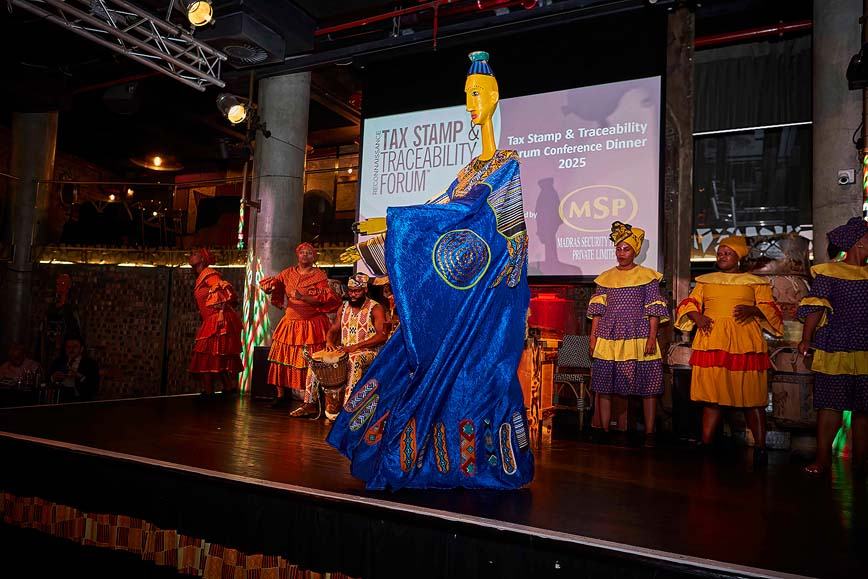
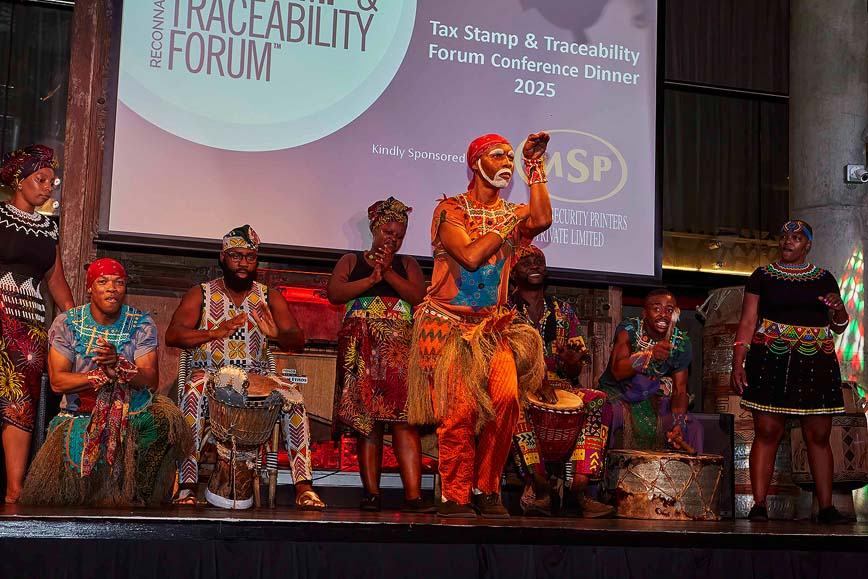
18:30 Conference Dinner
Wednesday 9 April 2025
Technologies 2 – Physical with Digital
09:00
Future-Proof Tax Stamp Solutions: Use and Benefits of Physical Features in Software-Supported Authentication and Data Management
Thomas Brücklmeier
Leonhard KURZ (Germany)
Benno Schmitzer
Leonhard KURZ (Germany)
09:20
Designing Tax Stamps for Analog or Digital Printing
Barna Barabás
JURA (Hungary)
09:40
Revolutionising Tax Stamp Production: The Digital Printing Advantage
Jeroen Van Bauwel
Xeikon (Belguim)
10:00
Using Artificial Intelligence to Increase Compliance and Revenue Collection
Ruggero Milanese
SICPA (Switzerland)
10:20 Session Q&A
10:35 Break and Exhibition Viewing
11:05 – The Digital/Physical Debate in the Face of Threats from AI and Quantum Computing
Chaired by Francis Tuffy, Reconnaissance International, with the following panellists:
- Sven Bergman of Venture Global Consulting
- Ian Lancaster, Project Leader for the revision of ISO 22382 (the tax stamp standard)
- Tony Rodriguez of Digimarc
This panel will focus on how AI is being used to enhance authentication, track and trace and the detection of illicit trade, while at the same time introducing new risks. It will also address the impending challenge posed by quantum computing to cryptographic security, and the role of physical security features in an increasingly digital landscape.
12:05 Lunch
Country and Market Cases 2
13:30
The Growing Threat of Illicit Vapes to Public Health and Tax Revenue
Sven Bergmann
Venture Global Consulting (USA)
13:50
The Implementation and Significance of Tax Stamps in Tanzania
Abyud Tweve
Tanzania Revenue Authority (Tanzania)
14:10
Traceability Success Stories: It’s Not Just About Revenue
Francisco Mandiola
FMA Secure (Chile)
14:30
Sustainable Innovation & Emerging Trends in India’s Tax Stamp Industry
Chander Jeena
Reconnaissance International (UK)
14:50
What’s Next for Optical Security for Tax Stamps?
Mark Deakes
International Optical Technologies Association (IOTA) (UK)
15:10 Session Q&A
15:20 Closing Remarks
15:30 Farewell Drinks
It was a great experience, is my first time but already looking forward for the next participation. Hope by then we will contribute with sweet news of our operation.
It is exciting to learn that physical and digital tax stamps will co-exist in the future in tandem with AI. Also technology should be used to solve existing and current problems, not the other way around.
A very informative conference with new technological insights and good exposure on Tax Stamps and IOS experiences from Revenue Authorities.
Sponsors
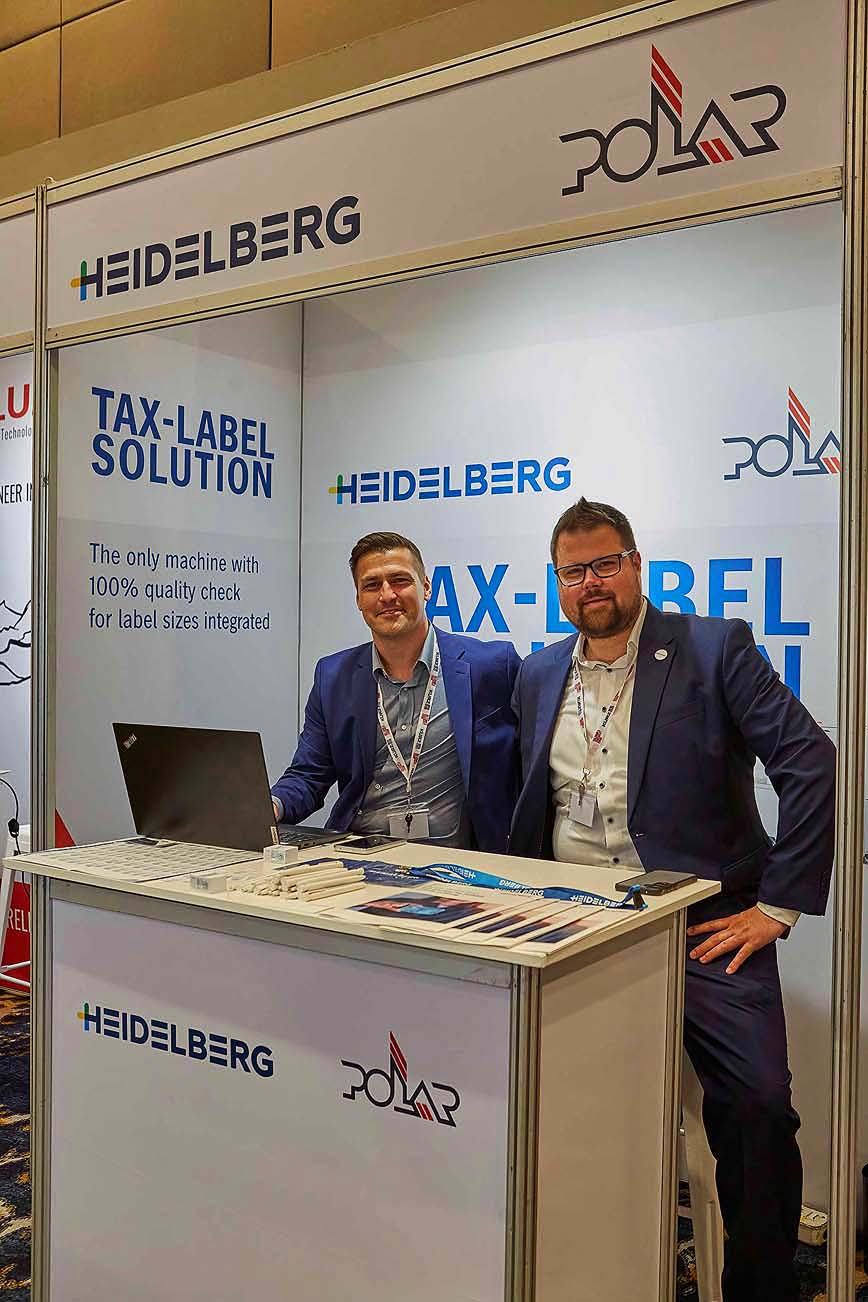
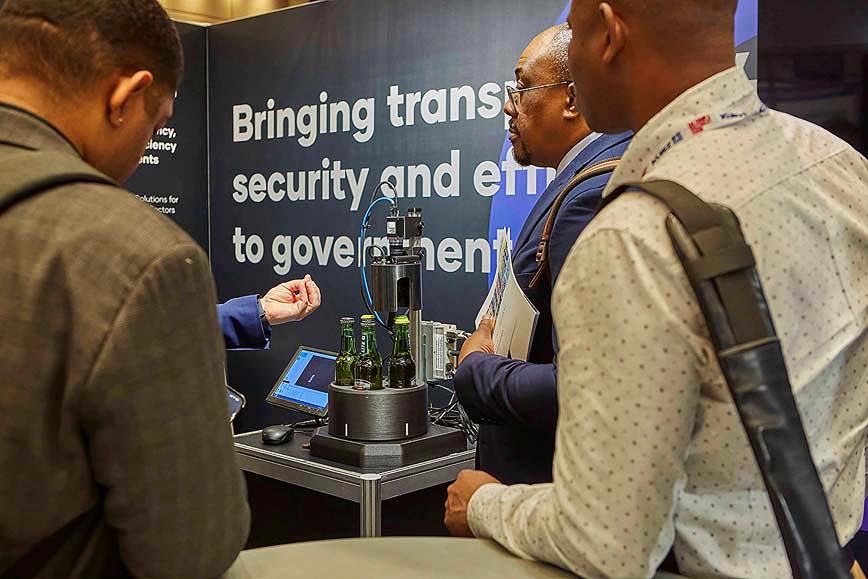
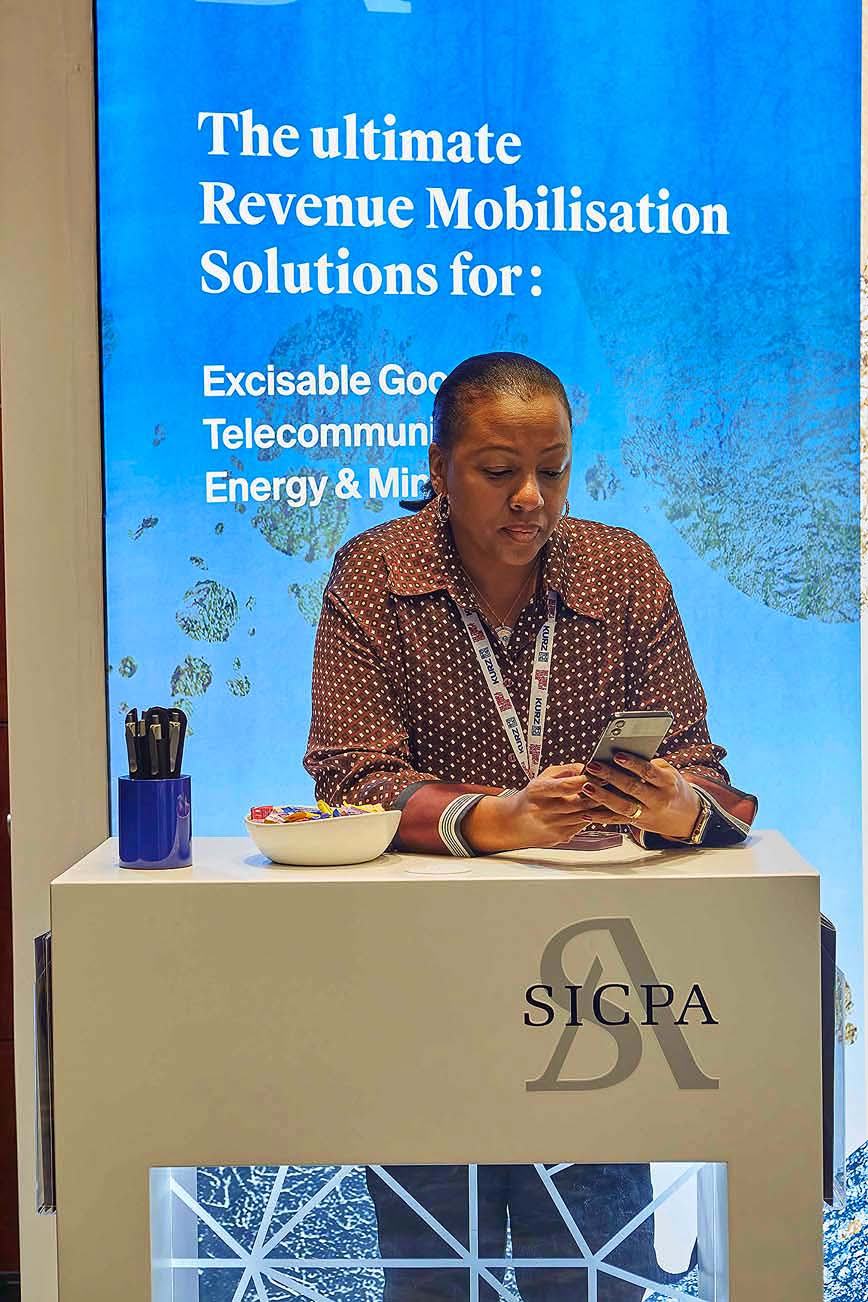
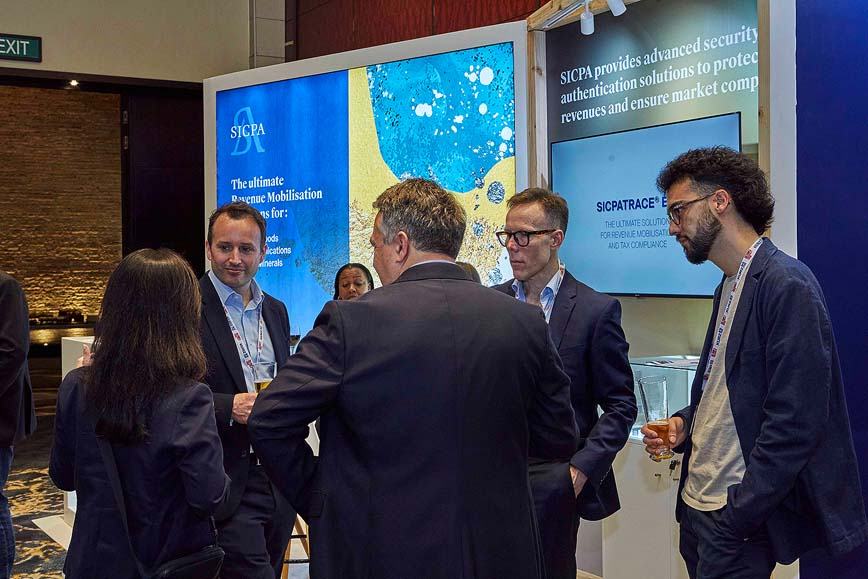
Thank you to our 2025 Sponsors and Exhibitors
Madras Security Printers
Crane Authentication
Leonhard Kurz
SICPA
Inexto SA
JURA
Luminescence Sun Chemical Security
Quantum Base
Blumer Maschinenbau AG
Drewsen Spezialpapiere
HP Indigo Secure
Industrial Inkjet
Luminochem KFT
POLAR Mohr / Heidelberg
Schwarz Druck
Vinsak
XRD Nano Limited
Zeiser