Malta, Malta · 16–18 May 2022

2022 Review

Tax Stamp & Traceability Forum 2022 Malta – A Review

The Tax Stamp and Traceability Forum™ (TSTF) returned as an in-person event in May 2022 with 194 registrants from 99 organisations and 35 countries.

These figures are slightly lower than previous years, reflecting both a recovery in conference attendance and the challenges facing some delegates in getting into Malta because of COVID-related restrictions.

The conference was organised into eight sessions spanning two full days plus a pre-conference workshop day. With refreshments served in an exhibition with 23 booths there was ample time for meetings and discussions. A number of key themes emerged in the presentations and exhibits at the conference, and these are summarised hereunder.

Digital security printing

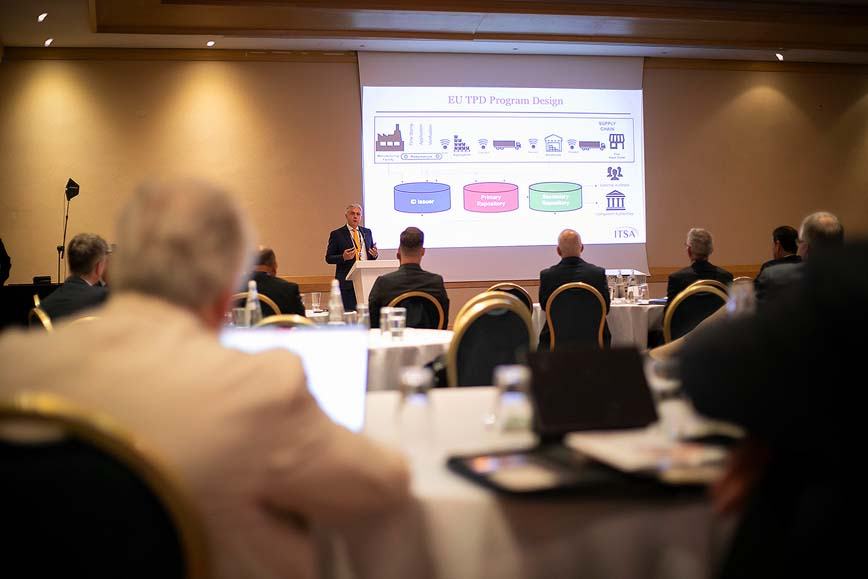
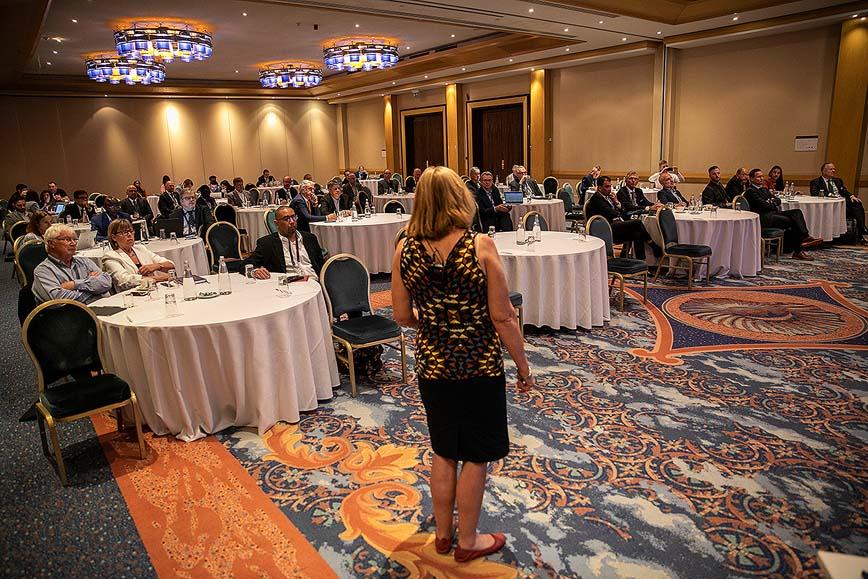
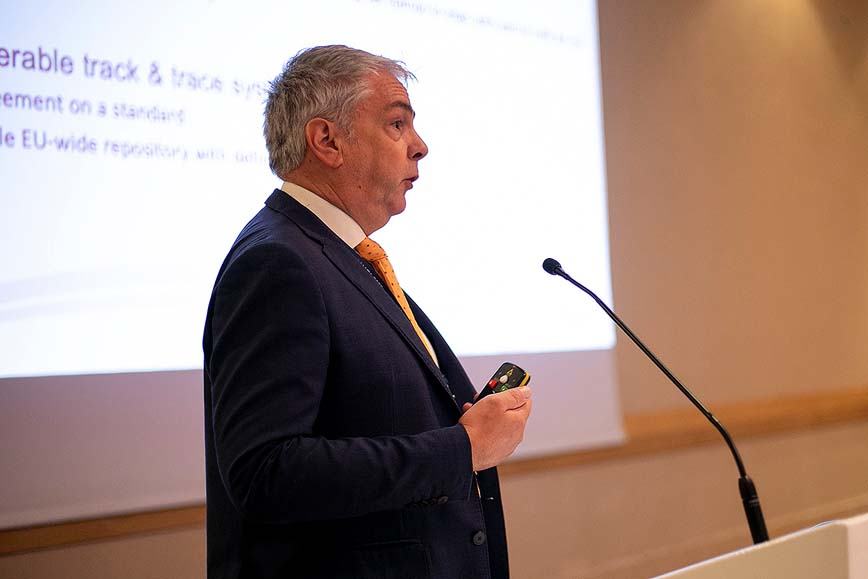
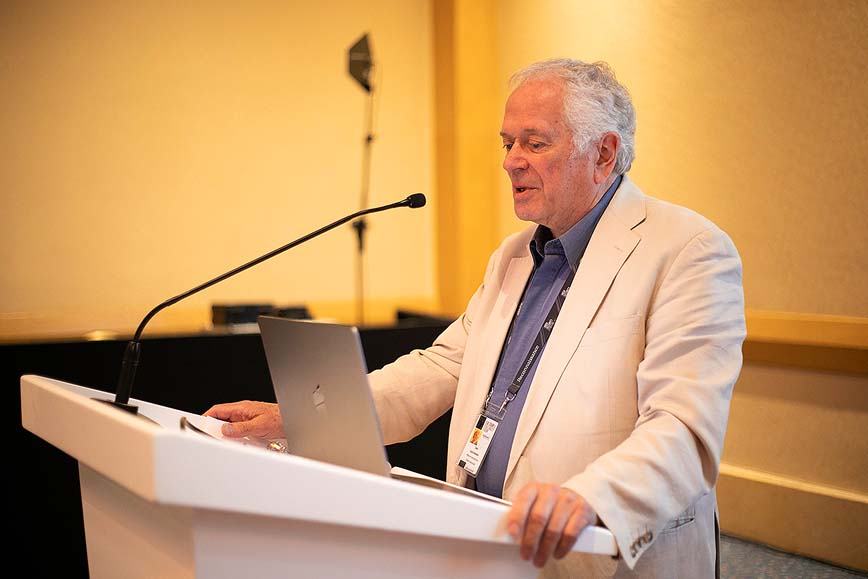
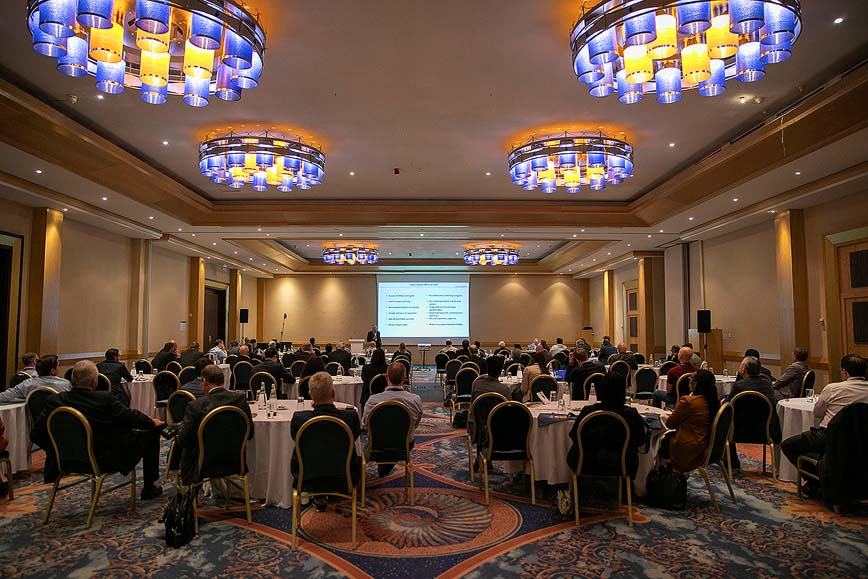
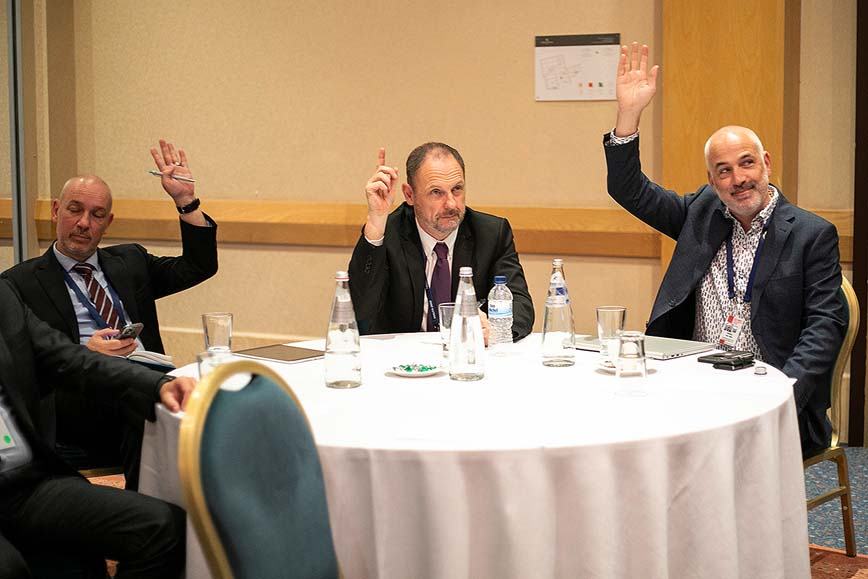
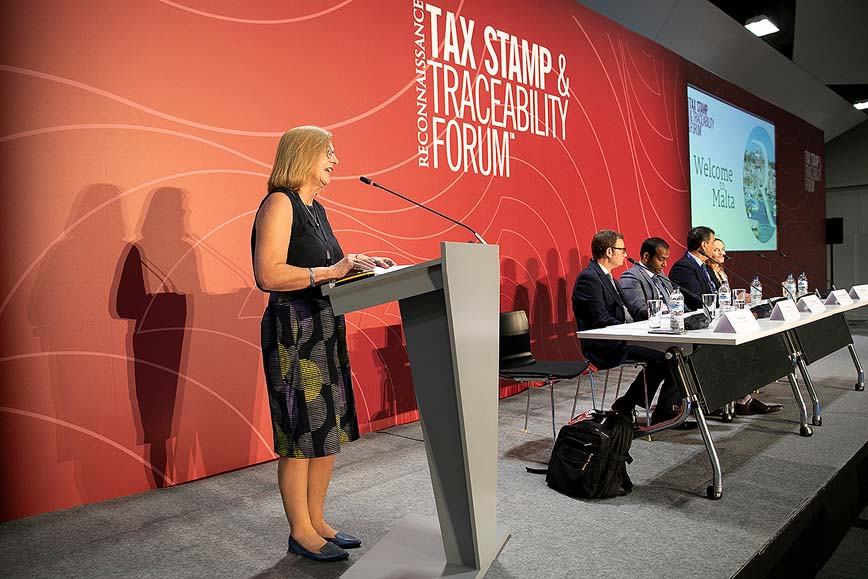
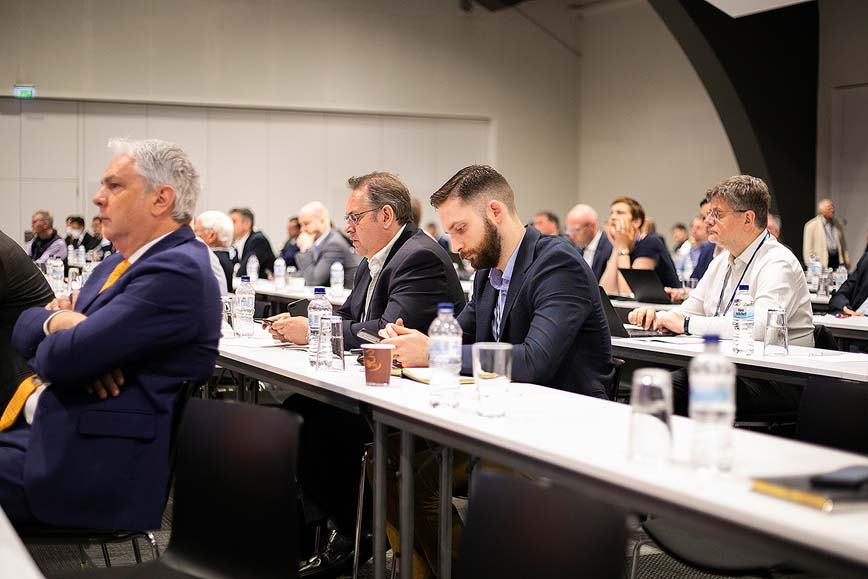
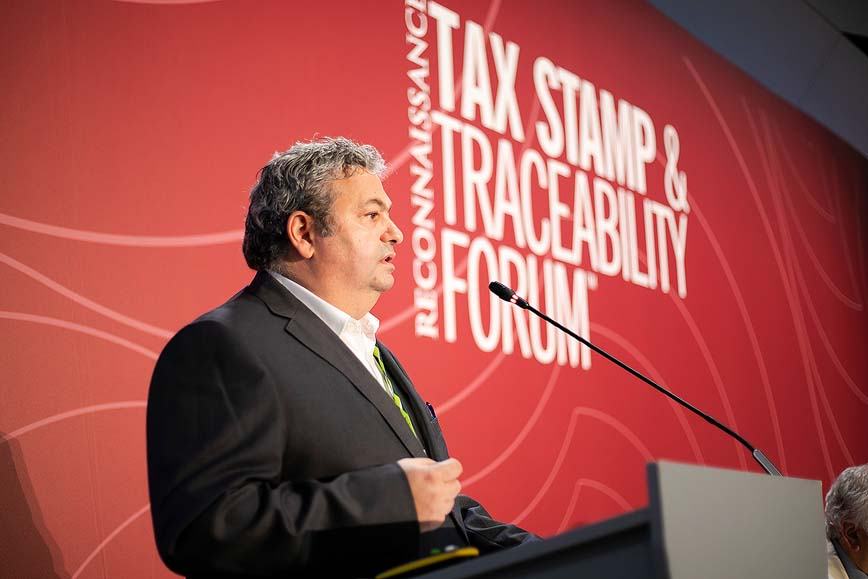
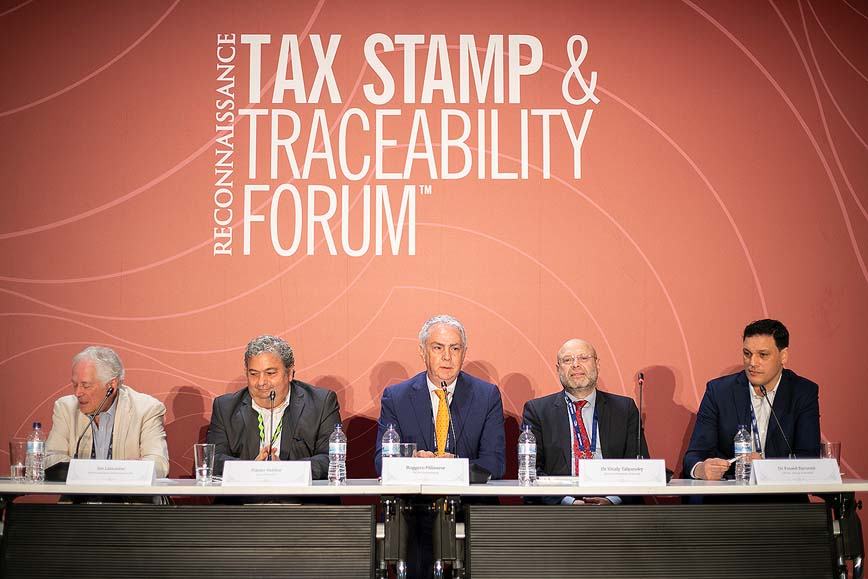
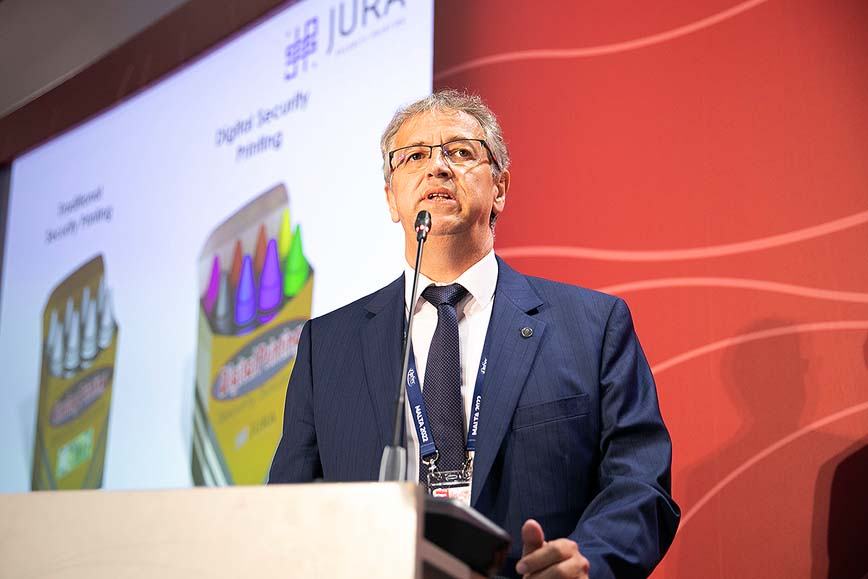
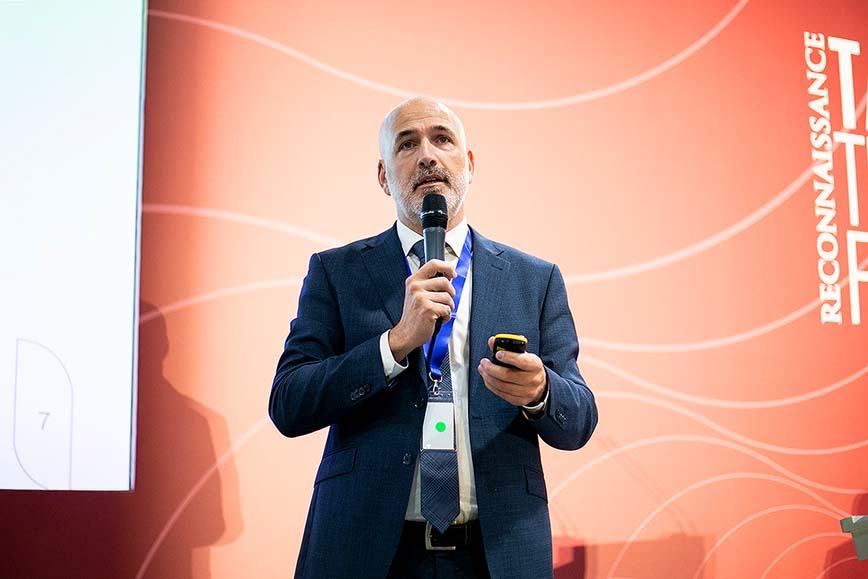
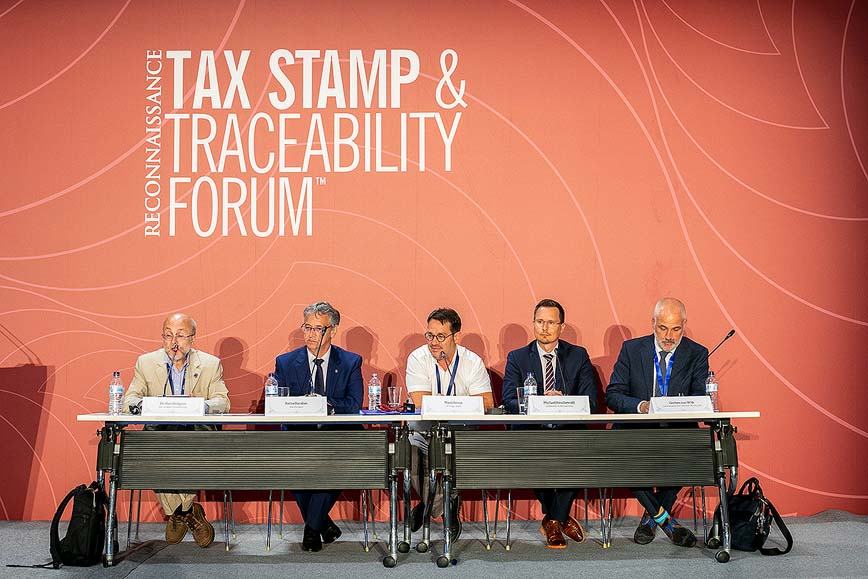
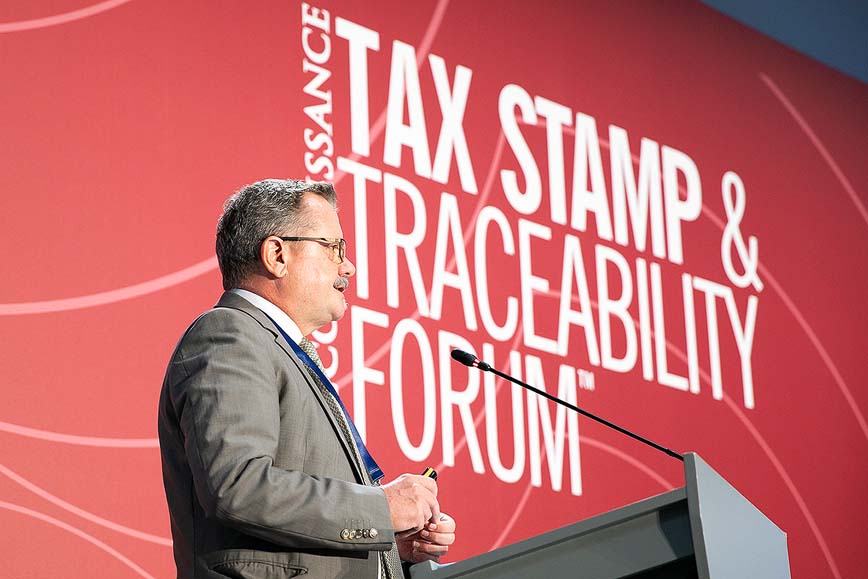
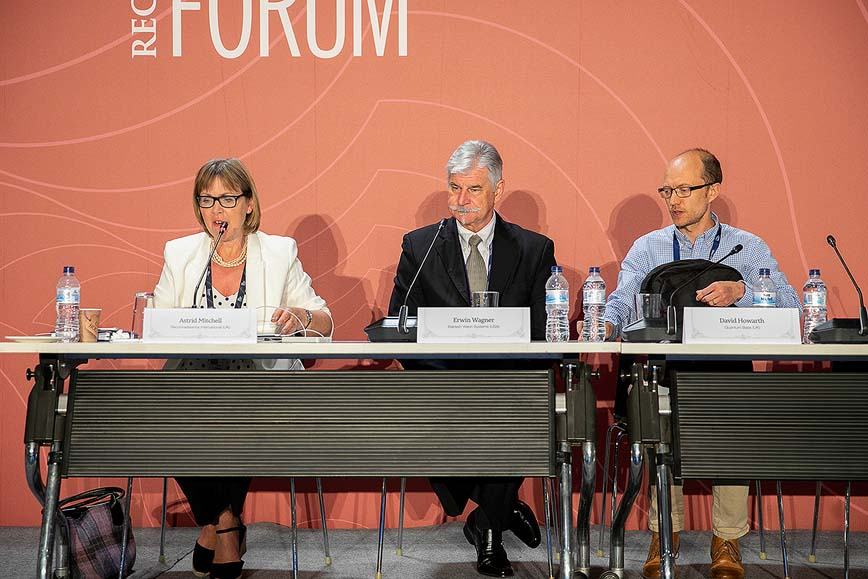
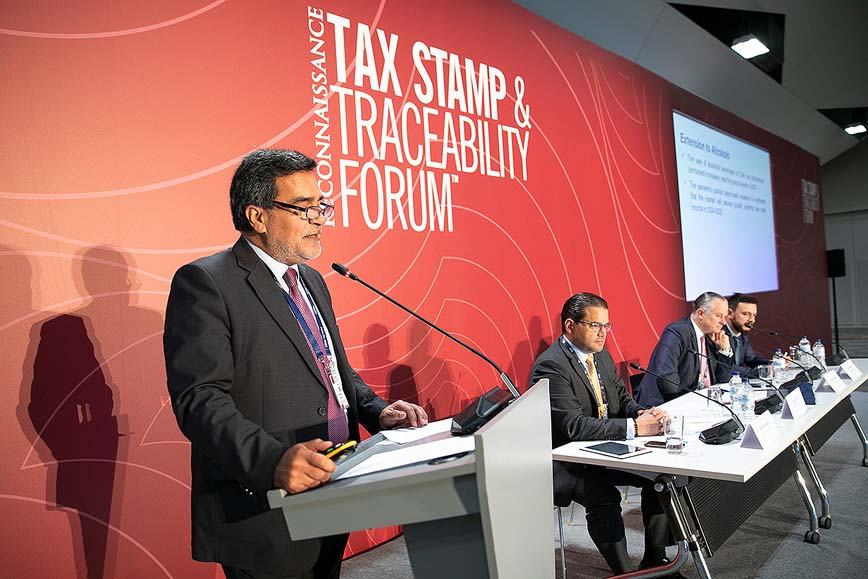
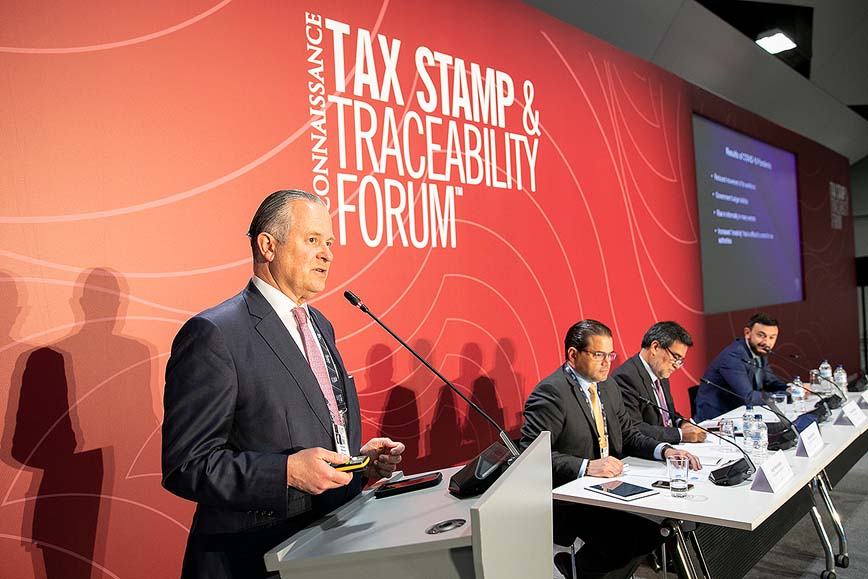
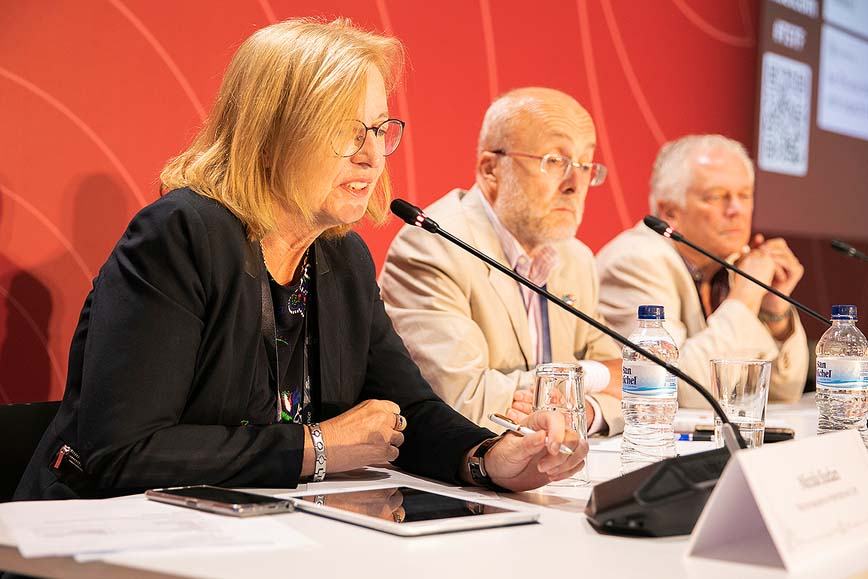
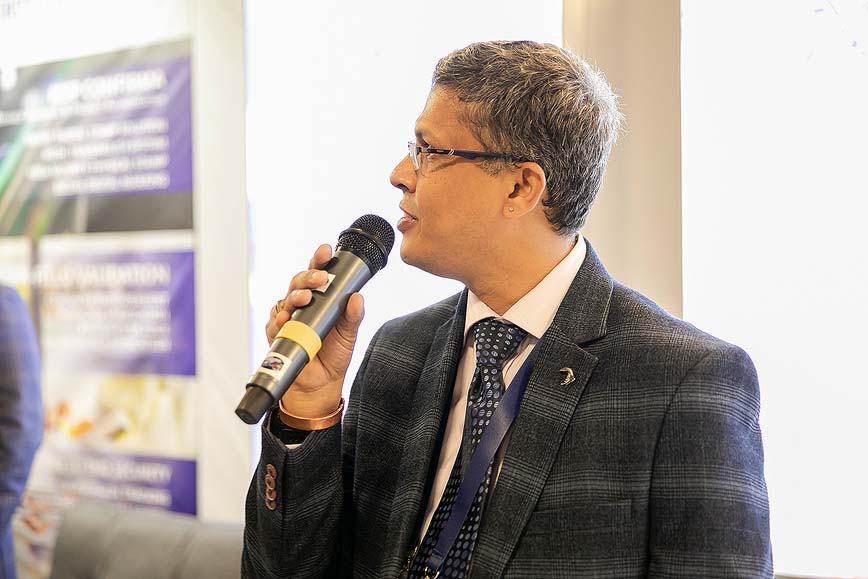
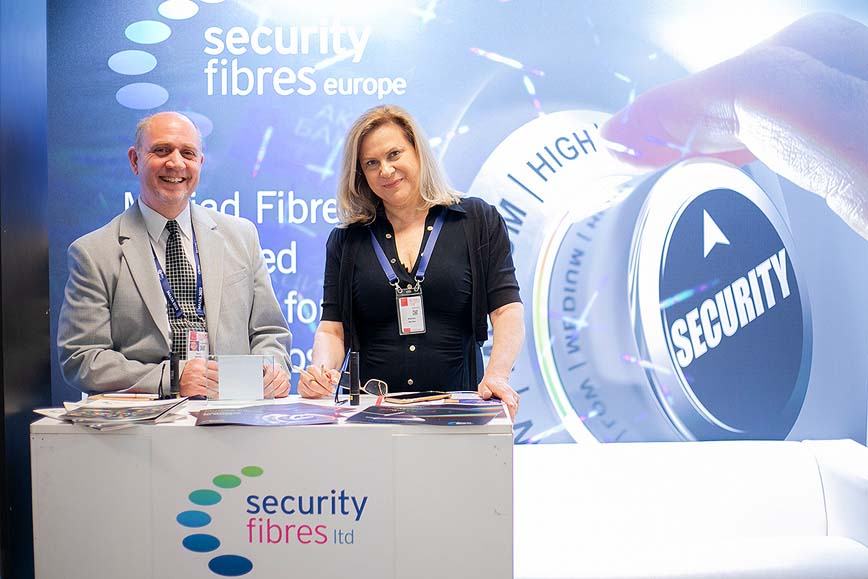
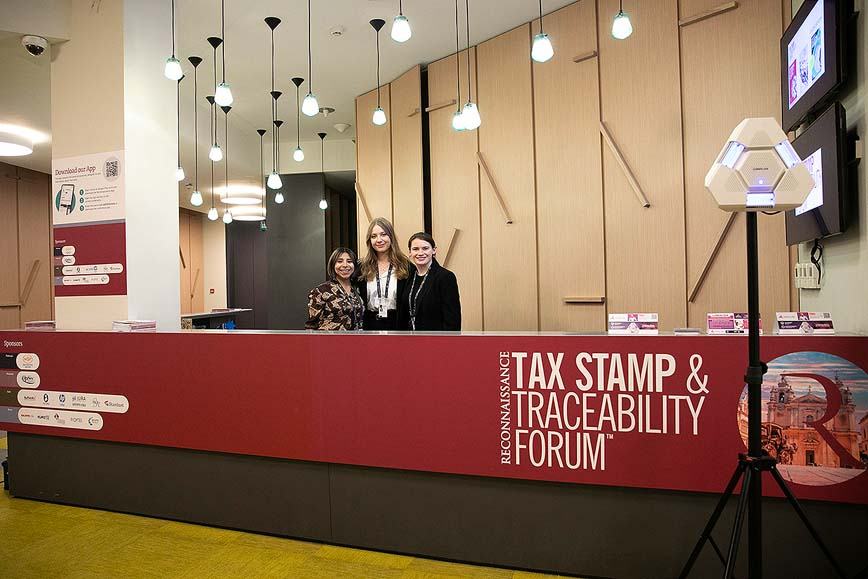
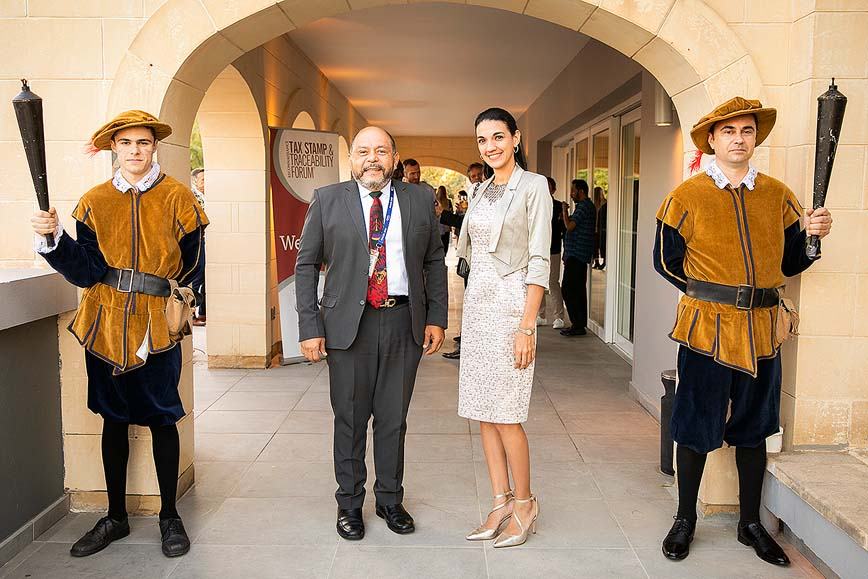
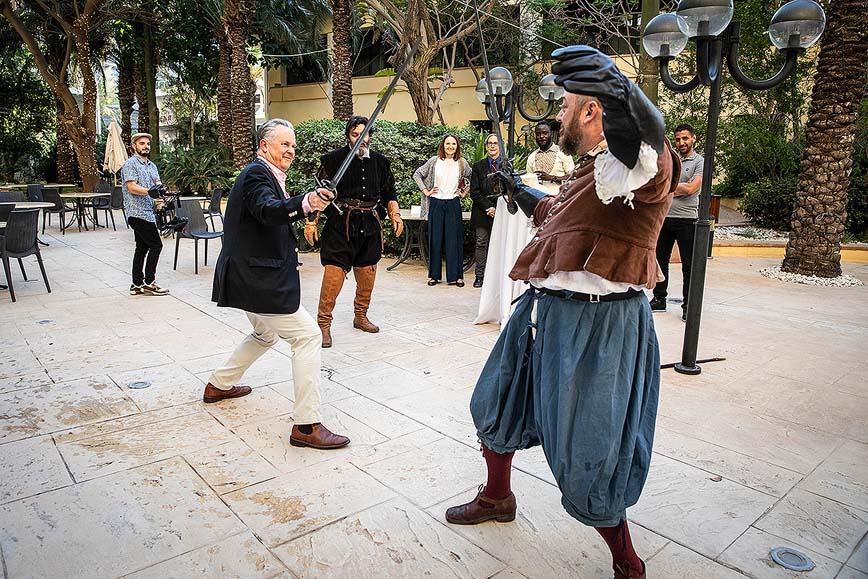
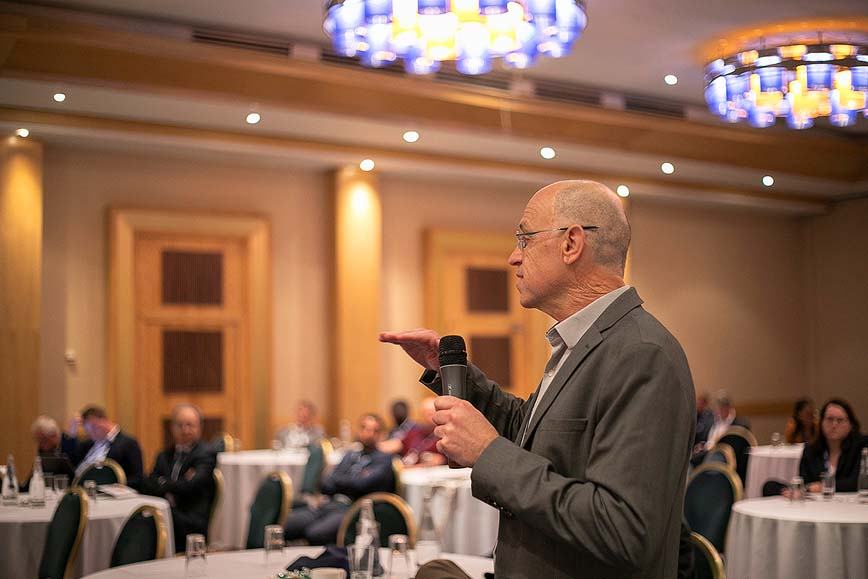
TSTF MALTA 18 05 22 012

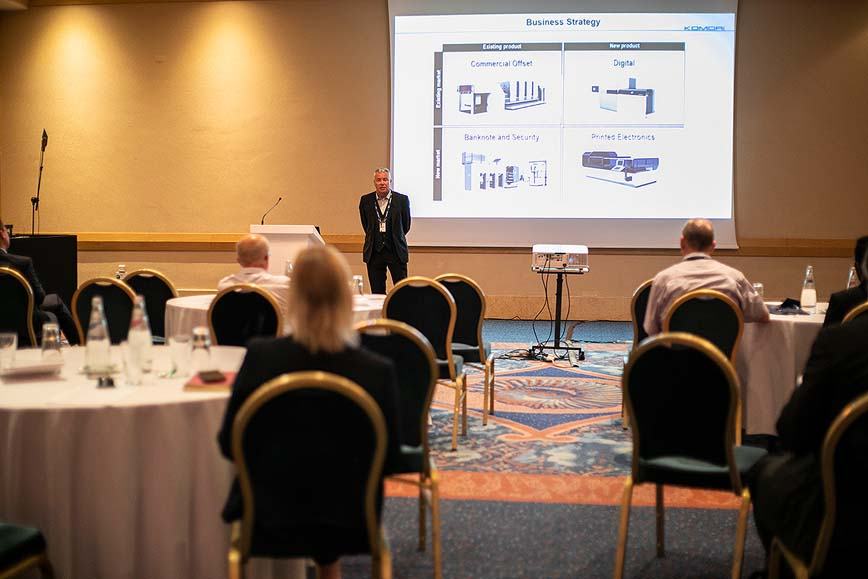
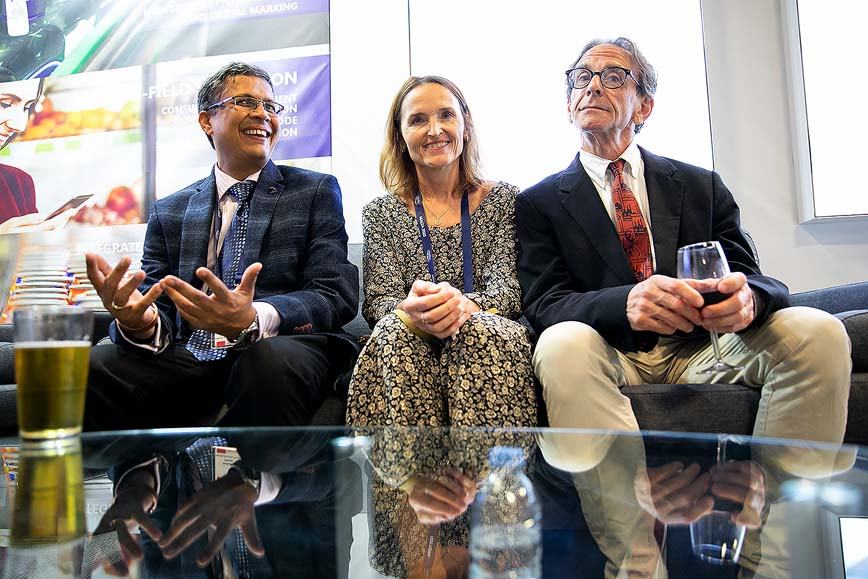
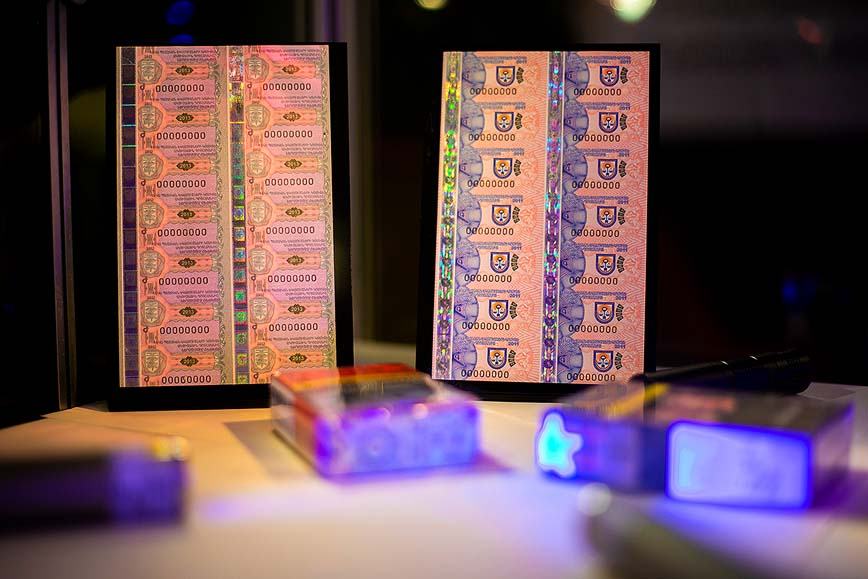
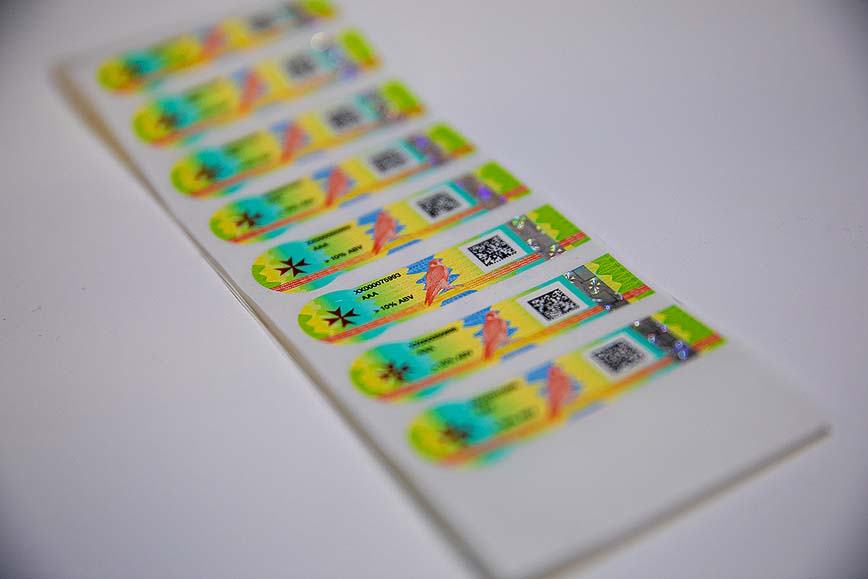
Digital security printing emerged as a key theme at TSTF 2022, with both a conference session and a pre-conference workshop. With an exhibition presence and presentations from HP Indigo Secure, Komori, De La Rue JetSecure, Luminescence Sun Chemical Security, and Xeikon, the field was well represented. Integration of digital security printing into a secure workflow was also covered in presentations by the Authentication Solution Providers’ Association (ASPA) and Jura.

It was noted in one presentation that digital is ‘a world to discover’, and from the wide range of systems on show this did seem to be the case. To counter this, another presentation noted that ‘trust is needed on top of technology’. TSTF 2022 proved to be a good forum to explore these issues and the breadth of digital security printing solutions that are available for programmes to support excise taxation.

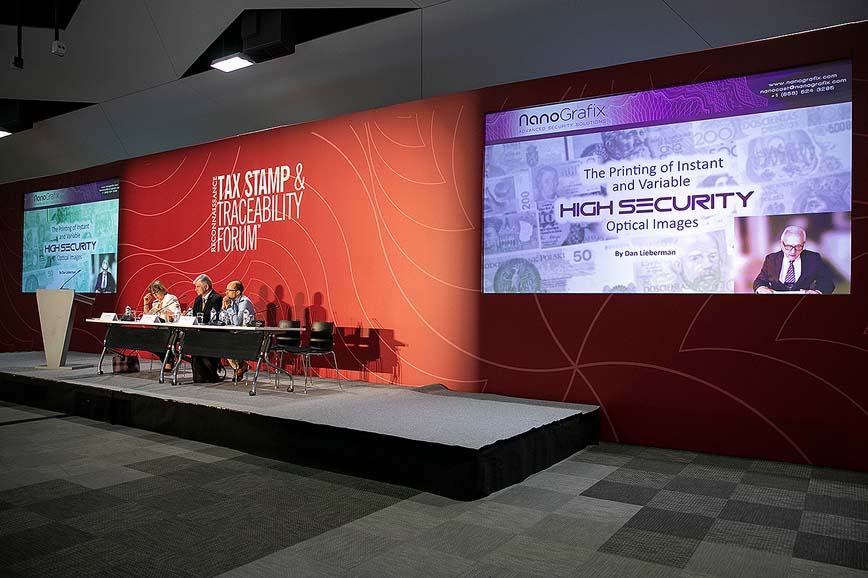
TSTF 2022 extended this topic into digital marking where it was noted in presentations by SICPA and OPTEL that different solutions may be needed for tax stamps and direct marking. This breadth of solutions was illustrated with reference to novel materials for taggants by Stardust Materials and Quantum Base. In this case, these materials can be incorporated into inks for both analogue and digital printing.

Physical/digital solutions

The combination of physical and digital features was another key theme for TSTF 2022. A case study describing the tax stamp solution of Liberia, a relatively new user of this technology, was given by Madras Security Printers, where an element of digital verification is associated with physical tools and devices. The Liberia programme also has a component of population preparation – ‘how much stakeholder engagement is too much?’ is a great proposition.

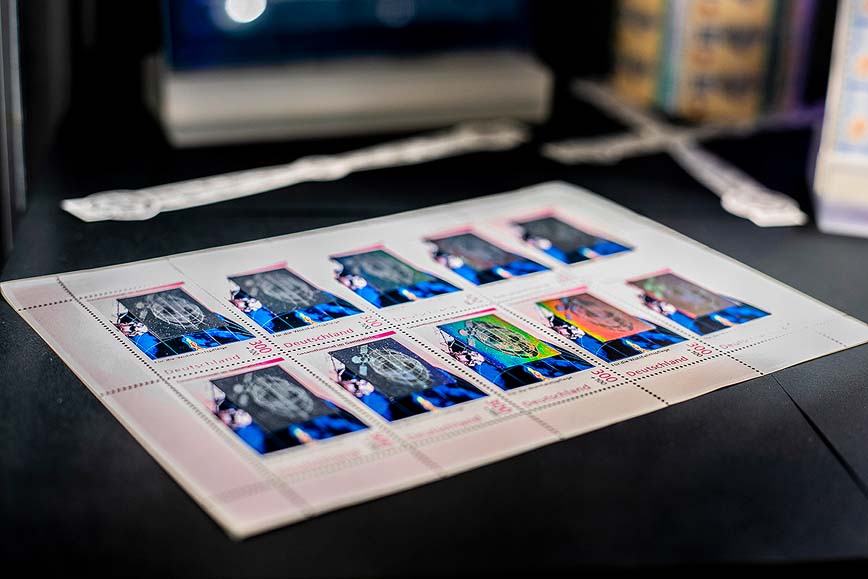
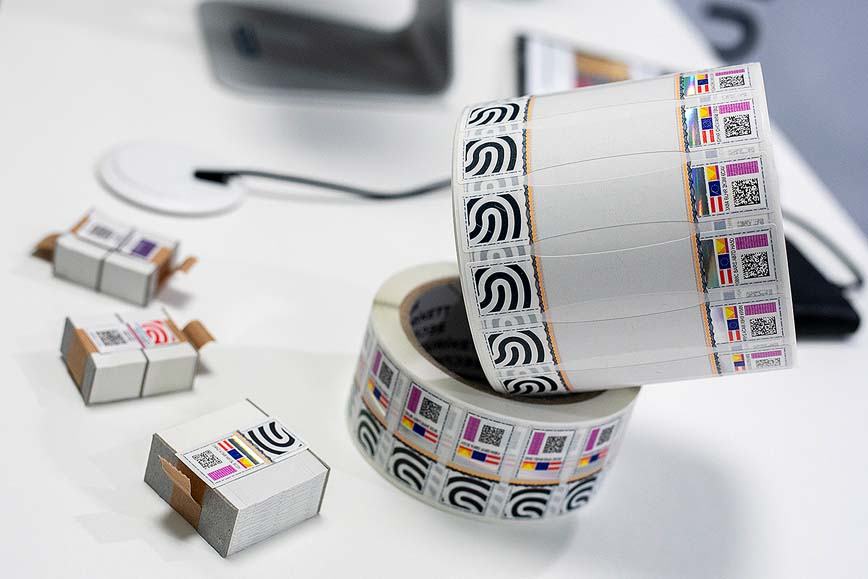
In terms of features, QR codes were covered by U-NICA and Securikett, visible digital seals by LEONHARD KURZ and Securikett/Advanced Track & Trace, and physically unclonable functions by U-NICA.

Smartphones for verification

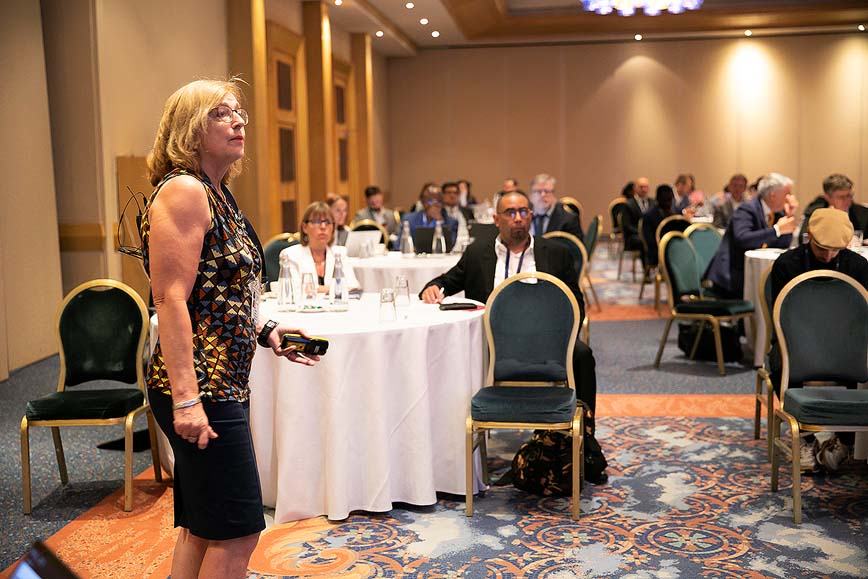
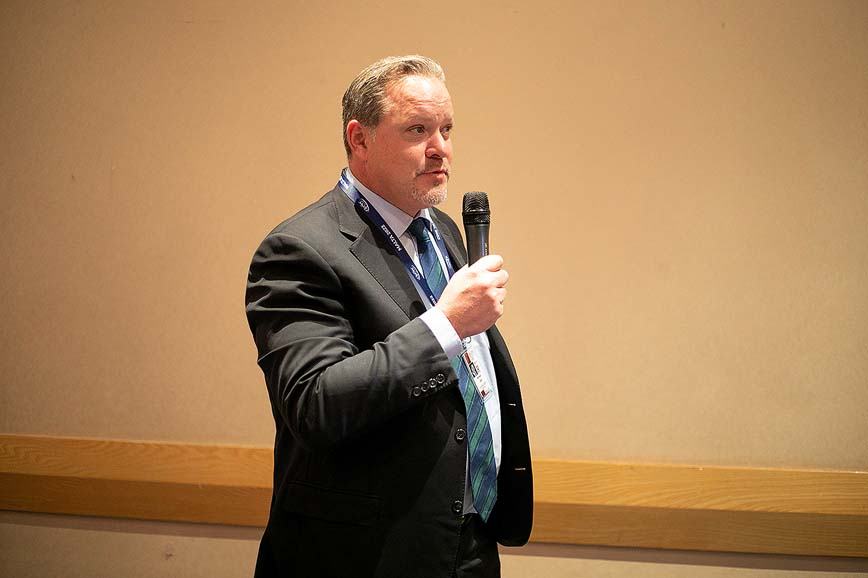
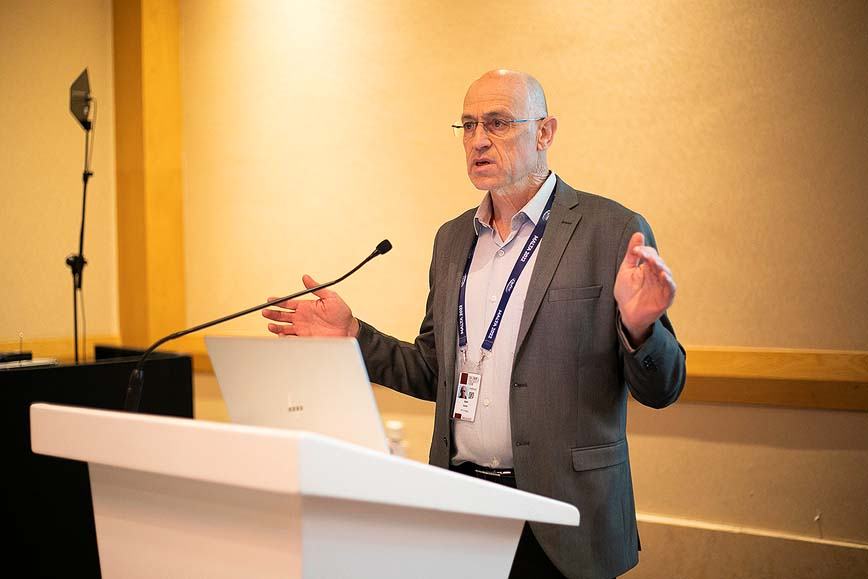
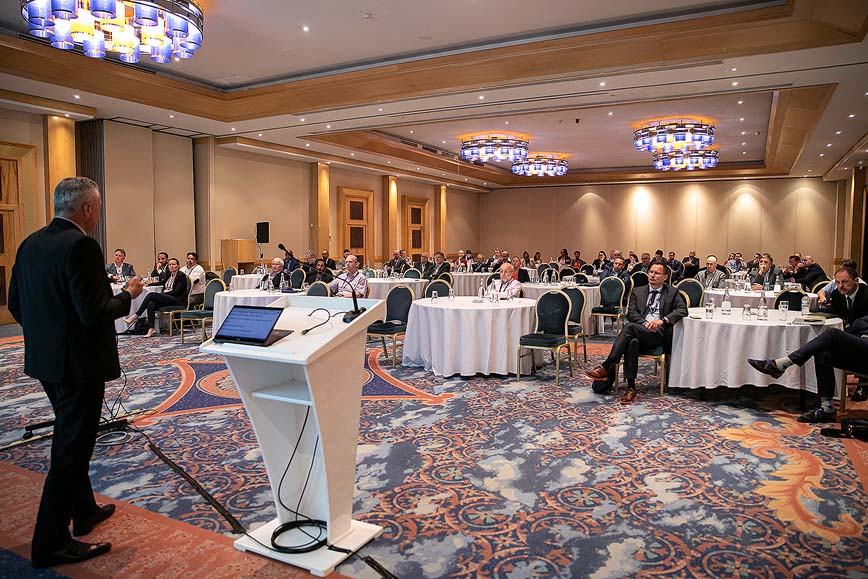
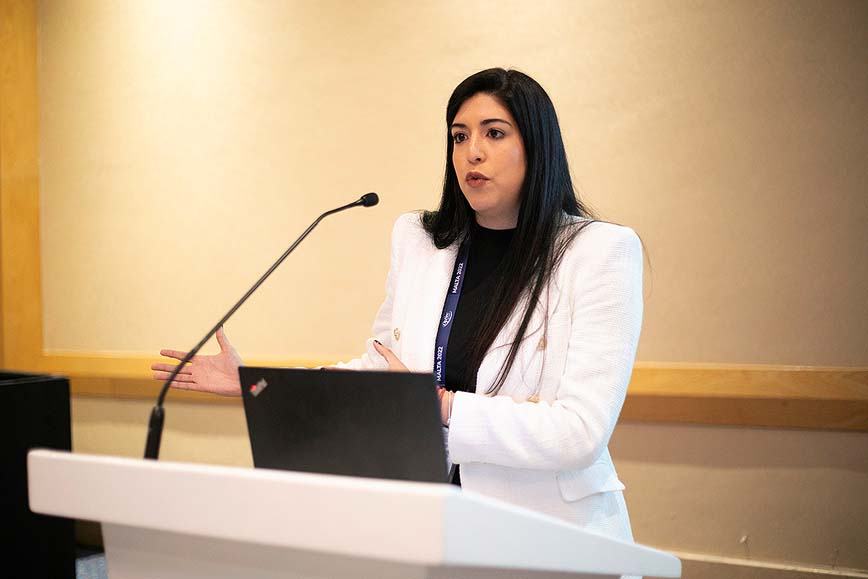
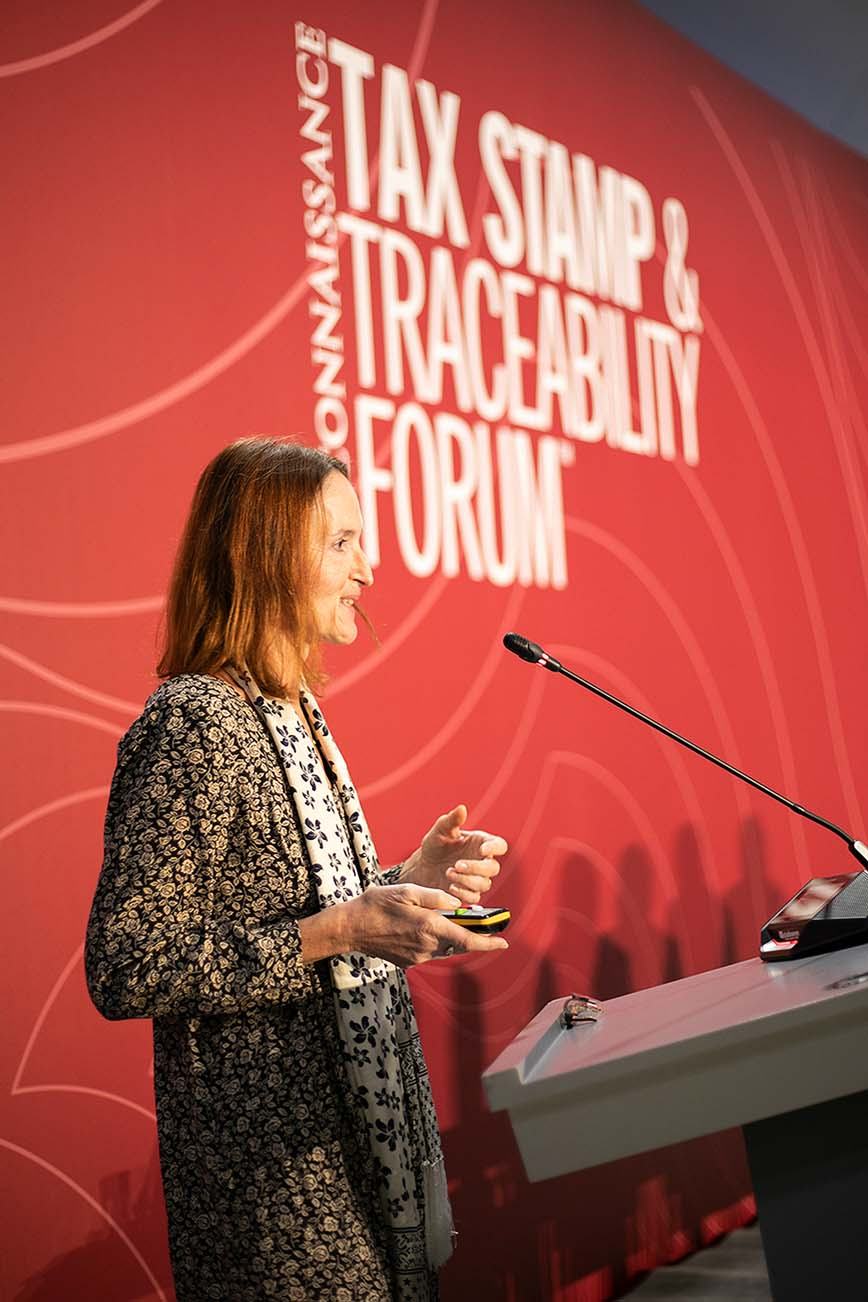
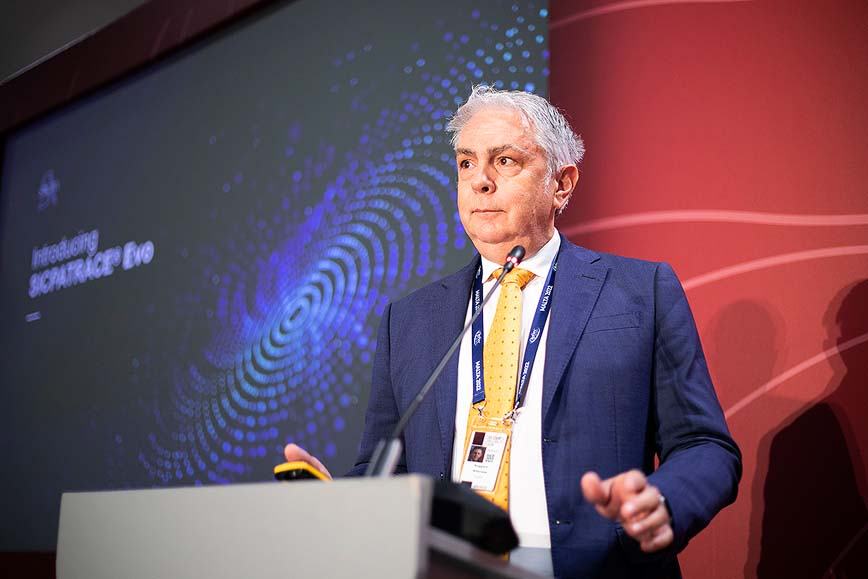
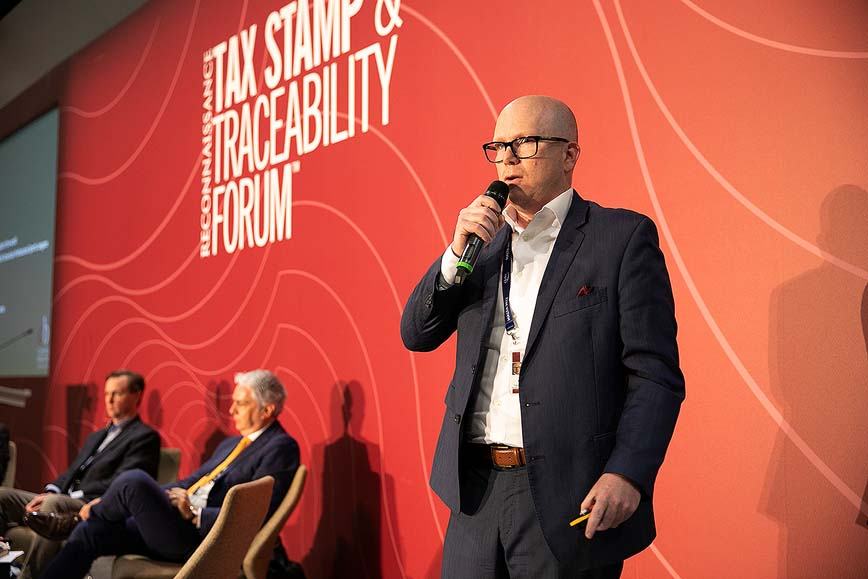
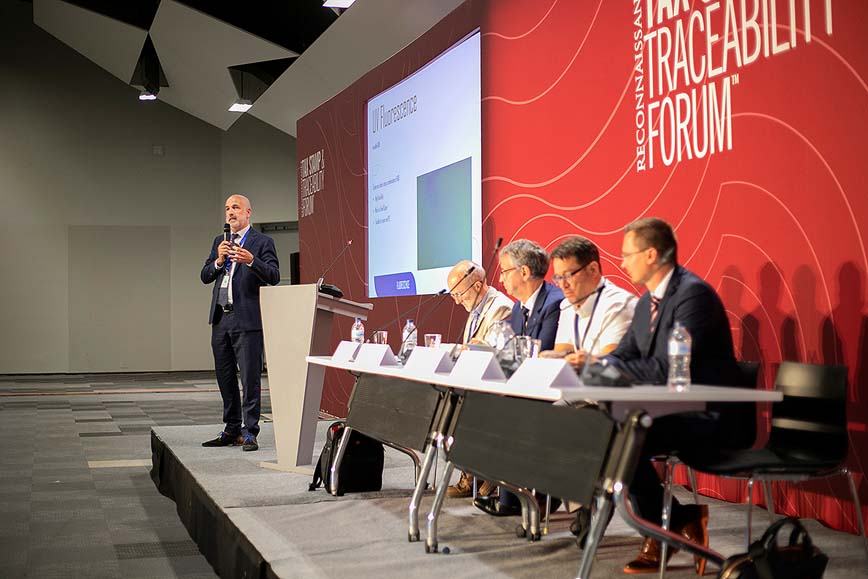
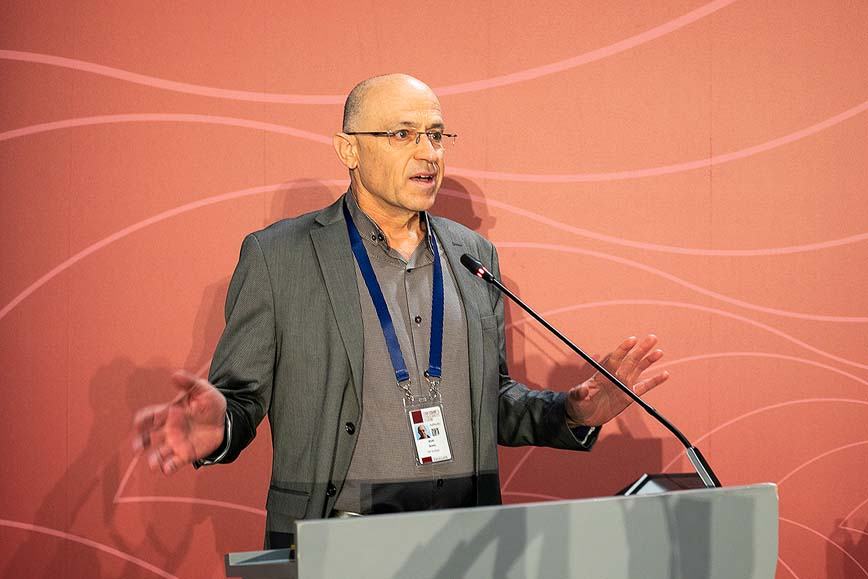
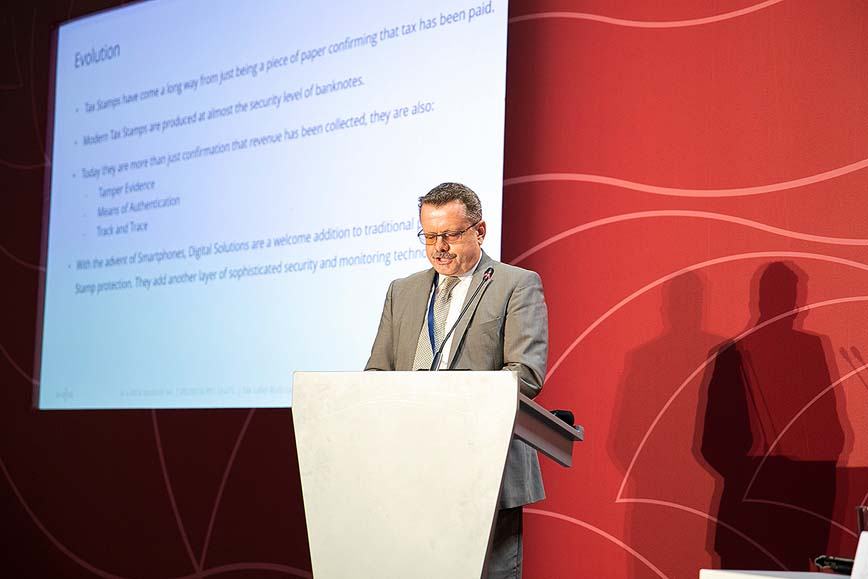
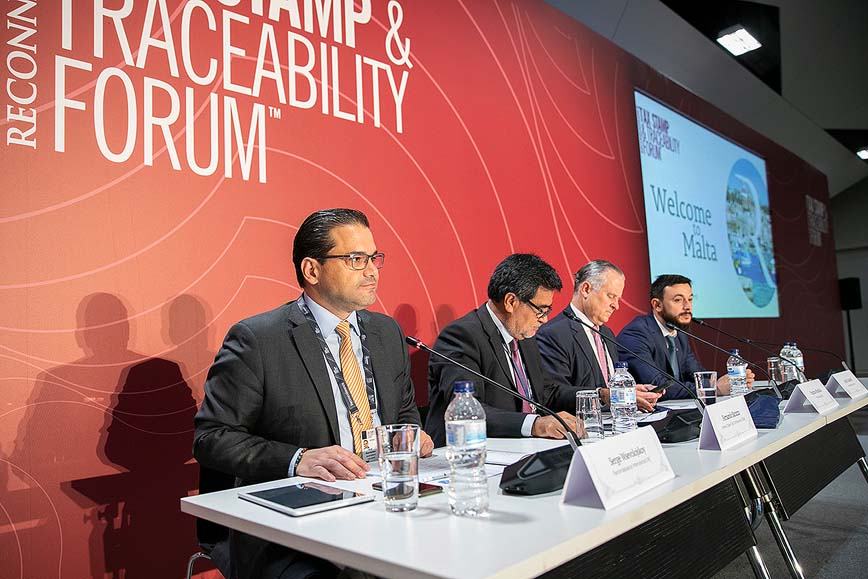
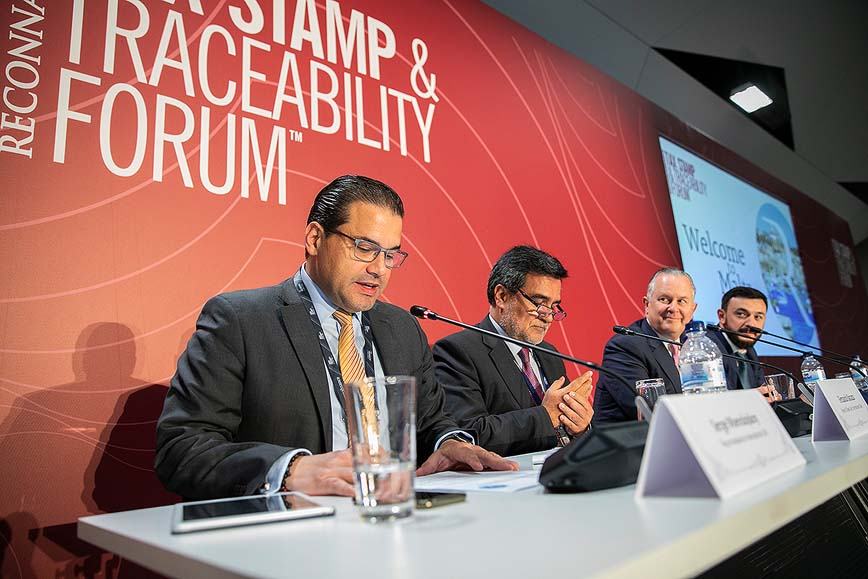
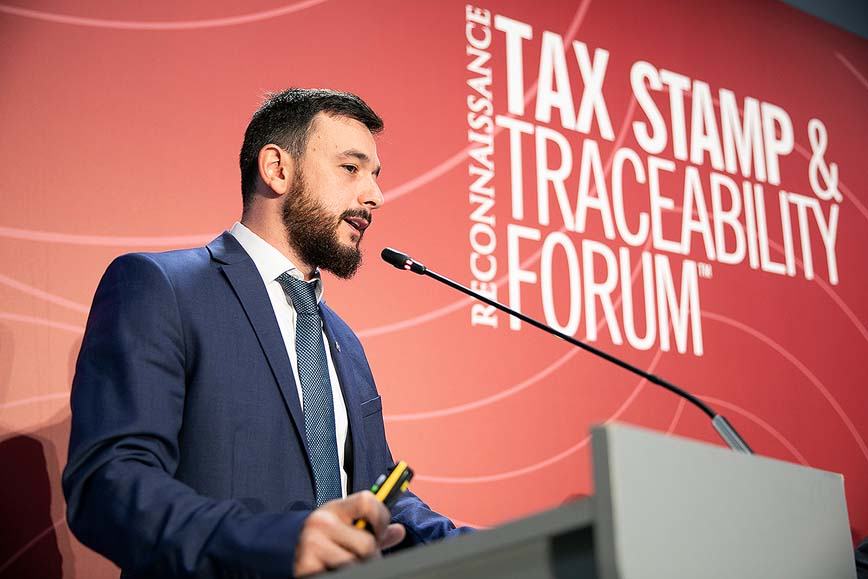
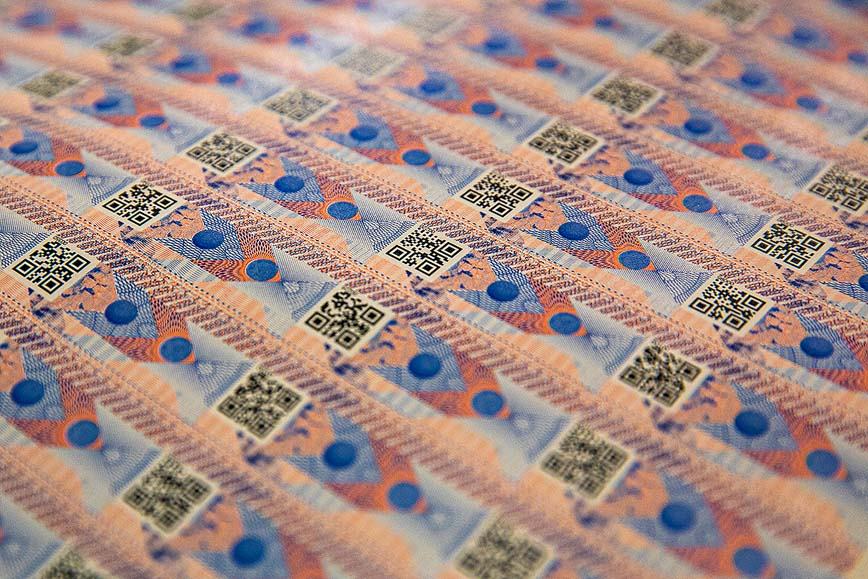
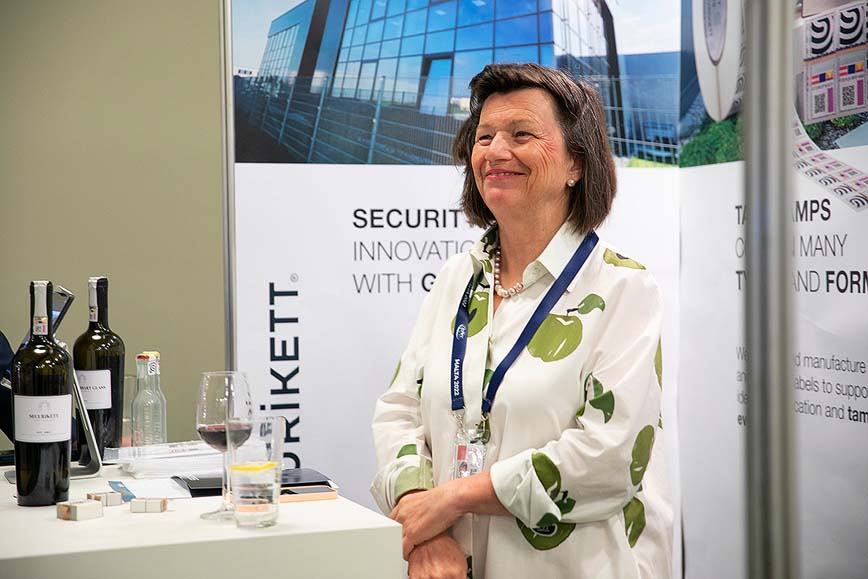
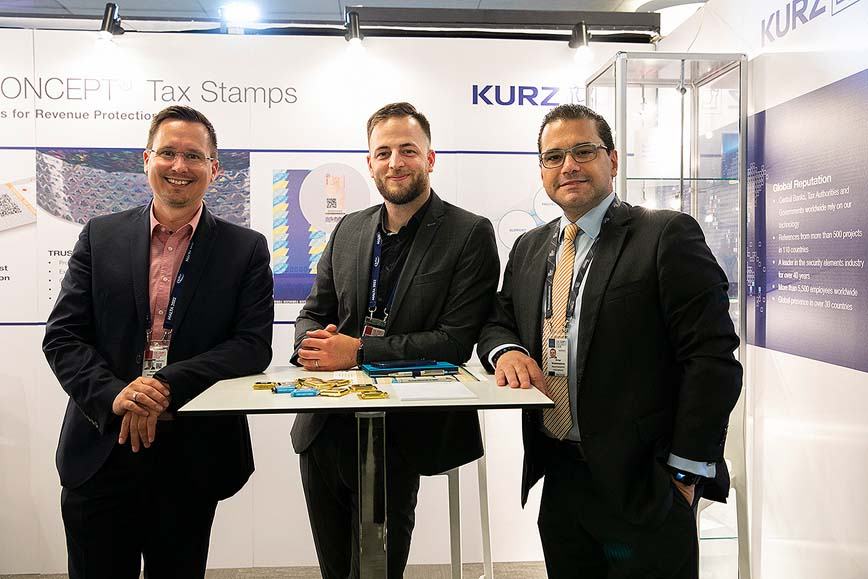
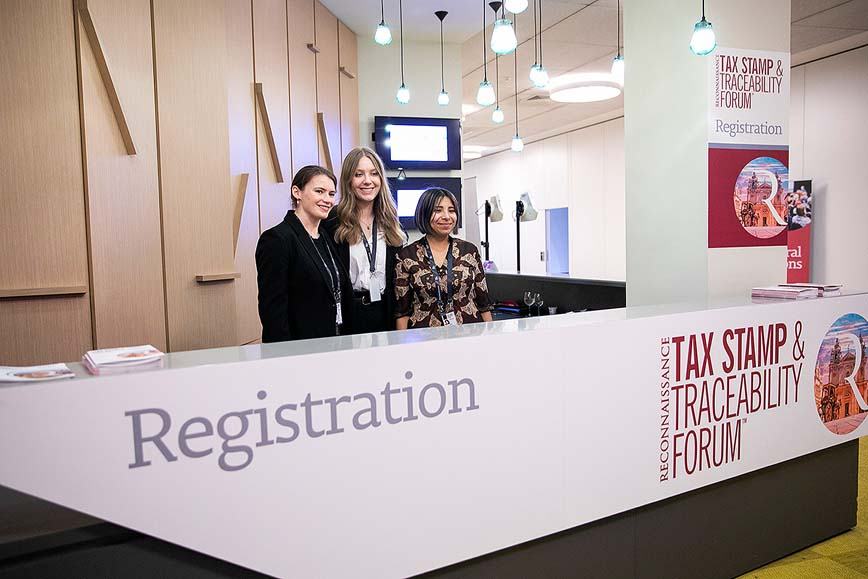
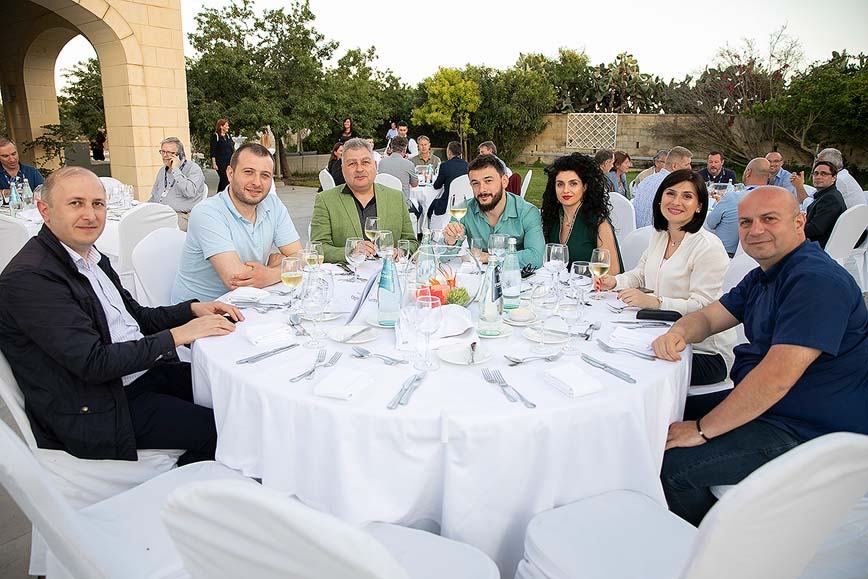
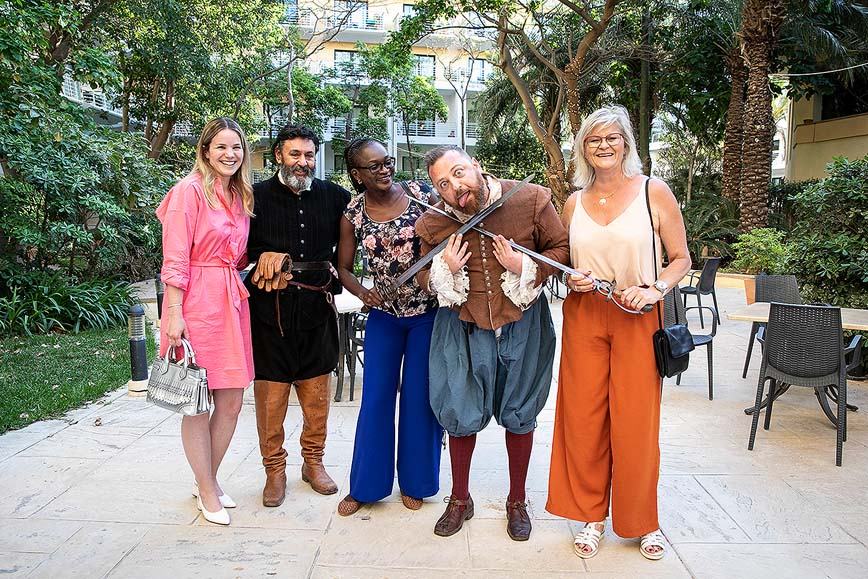
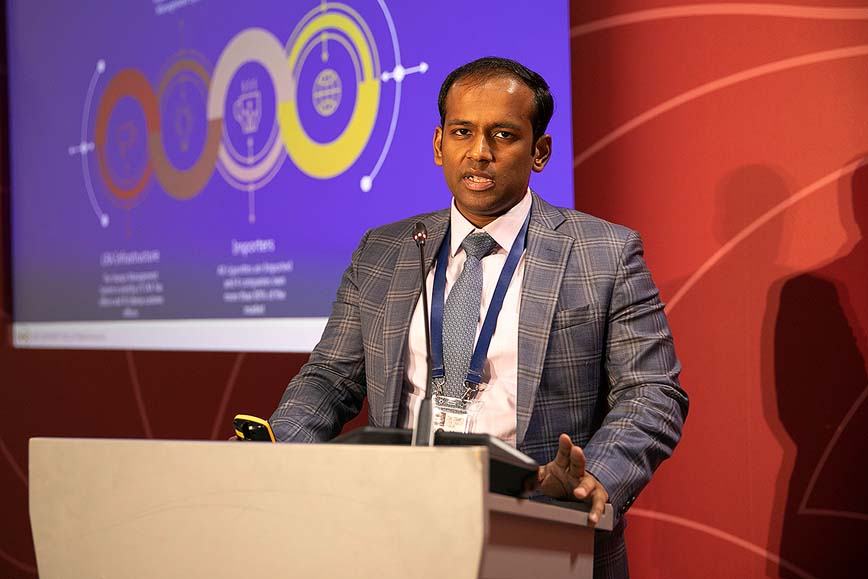
TSTF MALTA 16 05 22 060

Country solutions featuring smartphones were presented for Georgia, Chile, Portugal (presented by the International Tax Stamp Association) and Malta (presented by OpSec Security). As presented by Madras Security Printers, in Liberia the smartphone is a compelling platform as 80% of the population has access to a basic smartphone but only 40% has internet access.

Company solutions were presented by De La Rue, OPTEL, KURZ, Jura, Nanografix and SICPA, illustrating the breadth of alternatives available for tax stamp and traceability programmes.

One element of the use of smartphones for authentication explored at TSTF 2022 was their use across inspectors and consumers. Substantial examples were presented on their use for inspectors and the evidence here appears compelling. Contrary to this, there was little evidence presented of significant use by consumers.

Other electronic technologies

In addition to the smartphone platform, other electronic technologies featured strongly at TSTF 2022. For cannabis solutions in particular, Metrc cited the use of RFID to control the whole value chain, whereas SICPA emphasised the importance of marking retail packaging with secure stamps featuring a QR code for smartphone interaction, which provides access to relevant documentation and certificates, secured via a blockchain.

Blockchain/distributed ledger solutions also featured in presentations by Securikett and Quantum Base. This topic opened out into presentations on artificial intelligence and machine learning from OPTEL and Internet of Things from KURZ.

Sustainability

Sustainability was noted as a driver in a number of presentations, notably those of OPTEL, Securikett, Alan Hodgson Consulting and ASPA. Sustainability has become a strong political and social driver to industry and ours will be no exception. A number of relevant technologies featured in this debate.

Direct marking was noted as having the additional benefit of contributing to sustainability – printed barcodes can be used not just for track and trace solutions but to also contribute to sustainability by marking the packaging for recycling.
The topic of recycling was also mentioned from a digital perspective, where tags embedded in or placed on a product can be used to identify the materials used in packaging.

International standards

The benefits of participation and the relevance of international standards in the tax stamp and traceability market was the subject of significant discussion both from conference presentations and in the exhibition. Various aspects of these were covered by Securikett, Kenya Revenue Authority, KURZ, Alan Hodgson Consulting and Reconnaissance International. Some of the key standards pertinent to our industry are due for review in 2023 and delegates were reminded to look out for the commencement of this process.

Extension into other areas

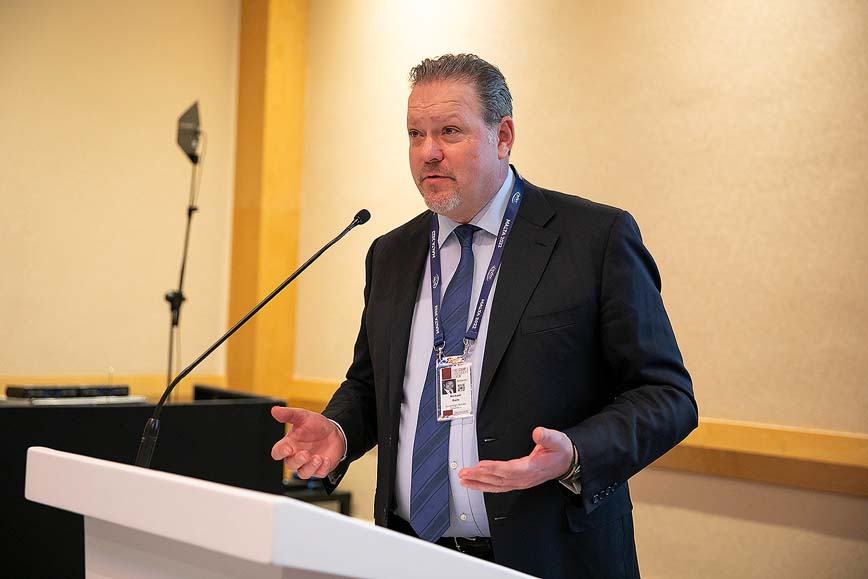
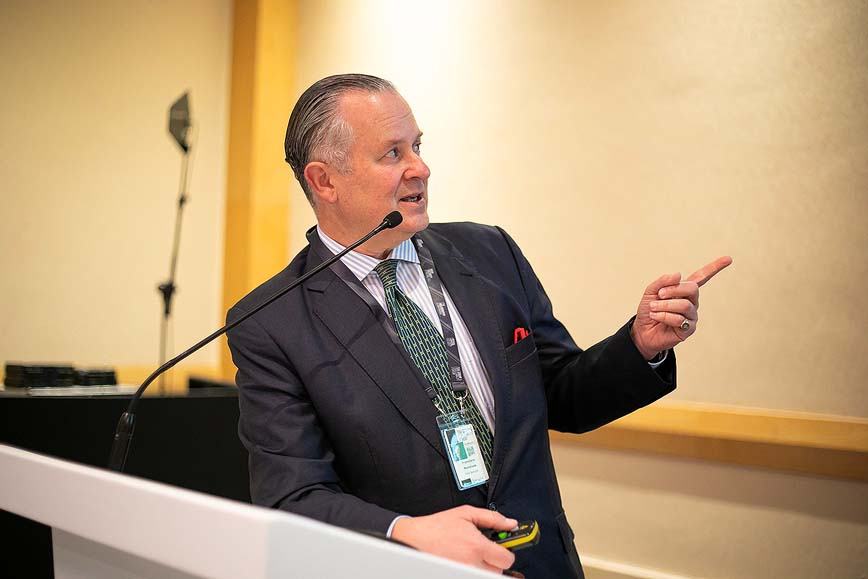
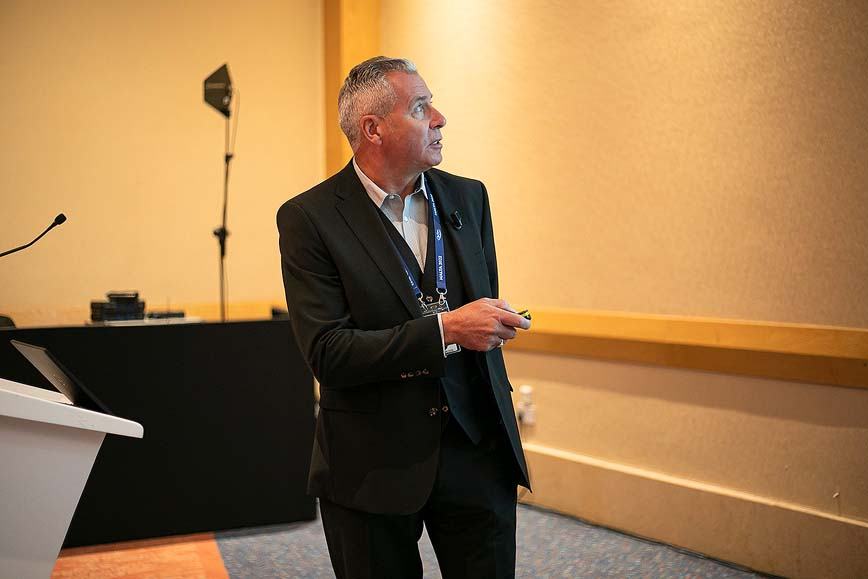
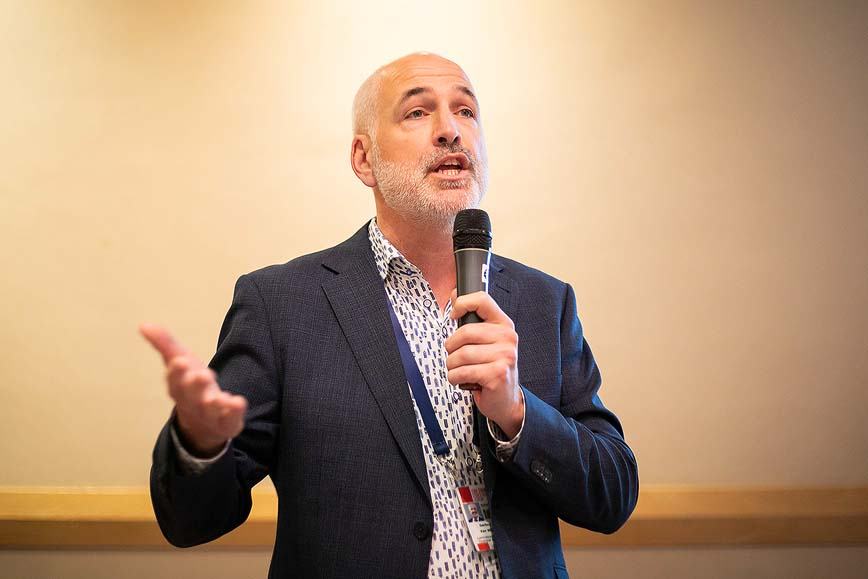
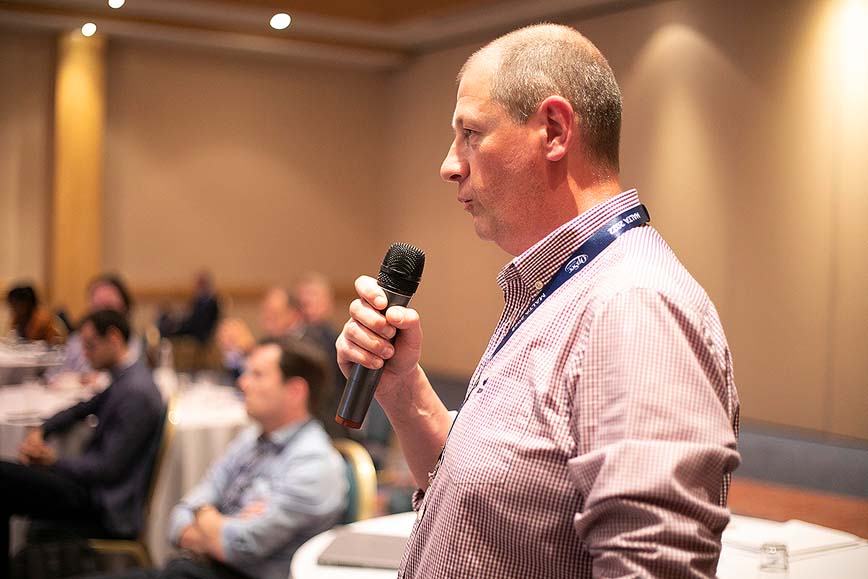
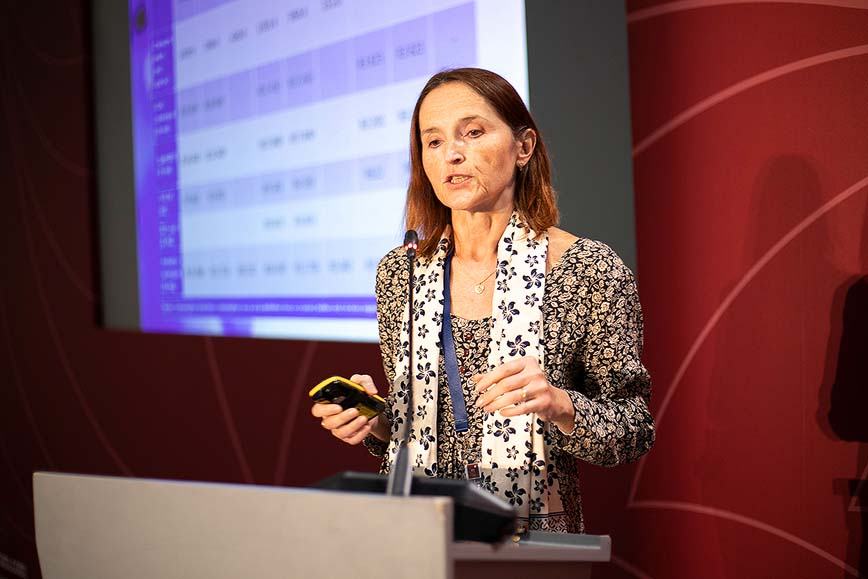
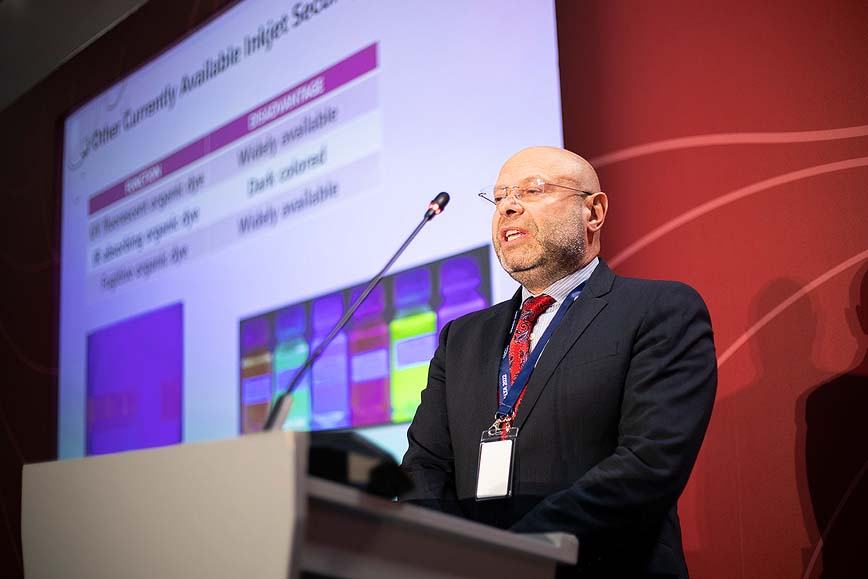
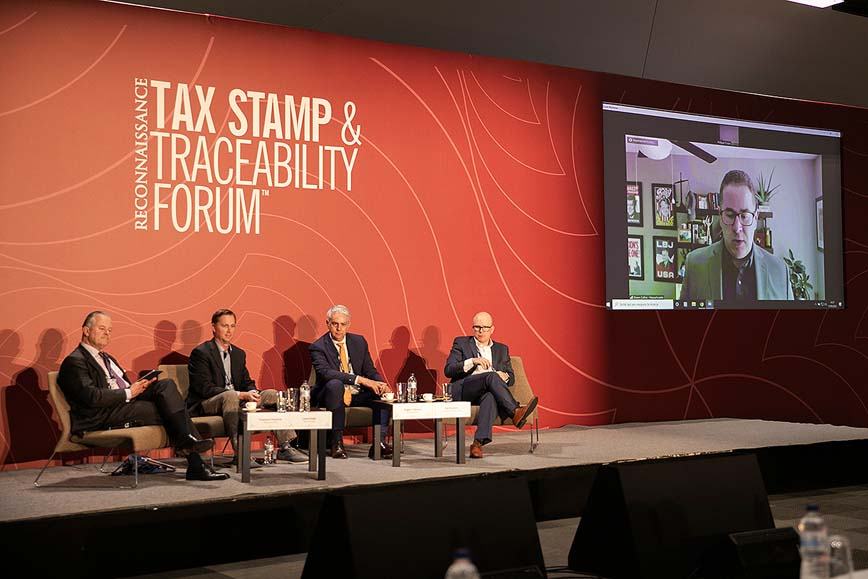
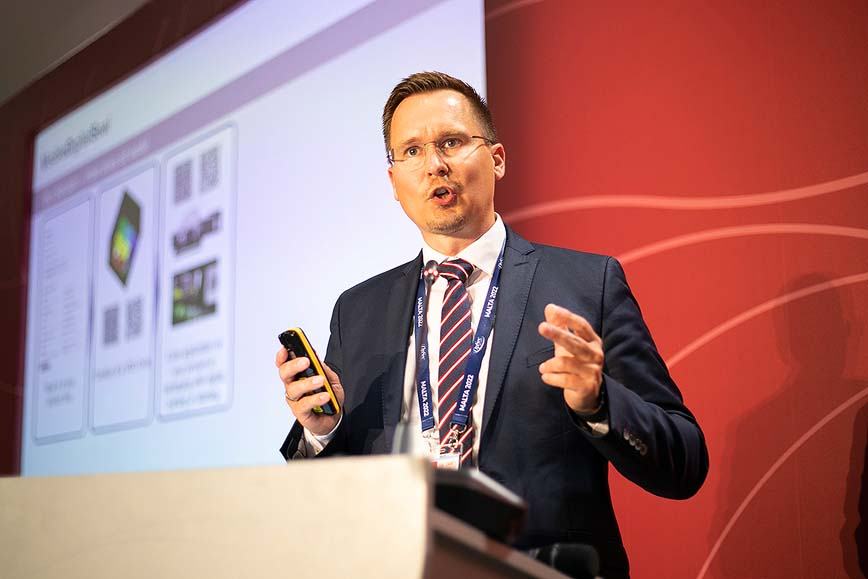
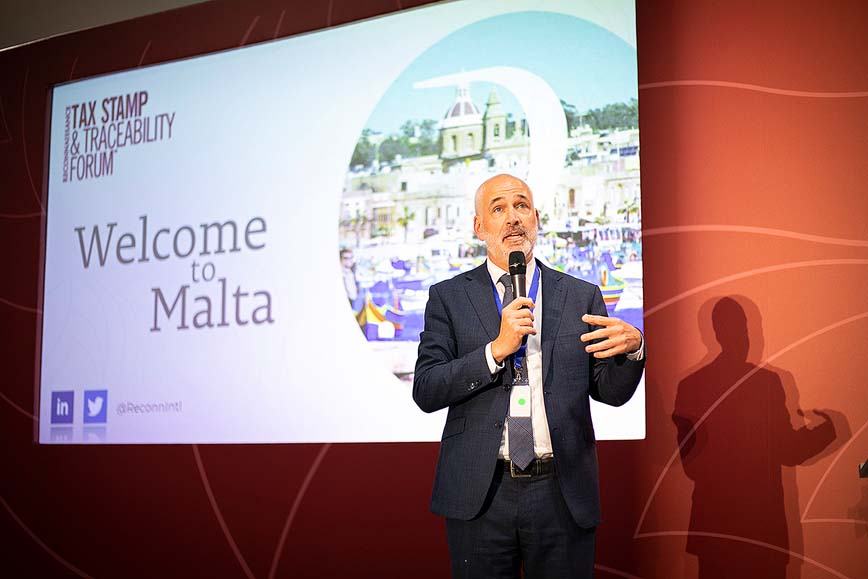
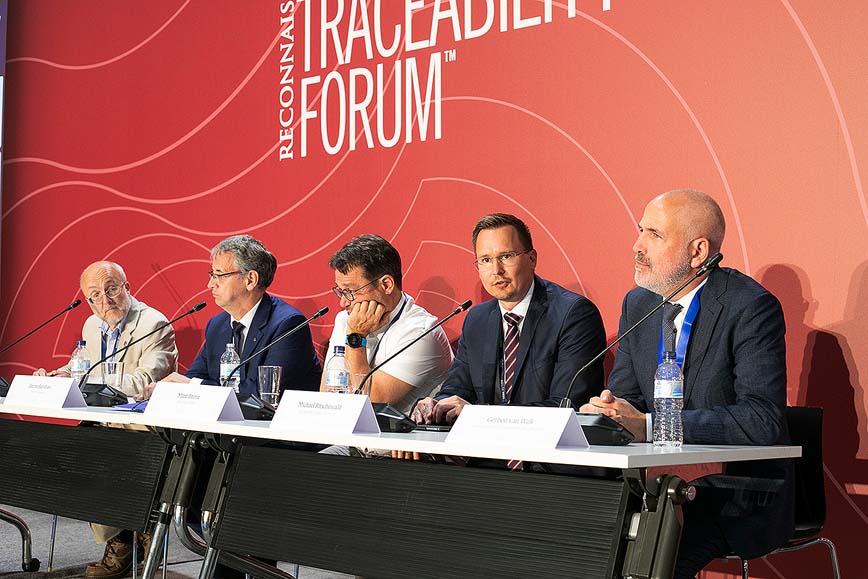
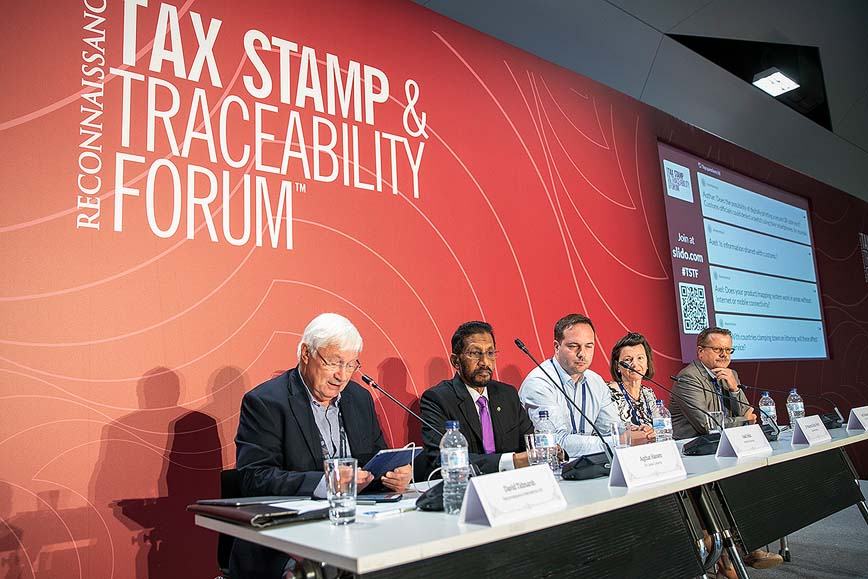
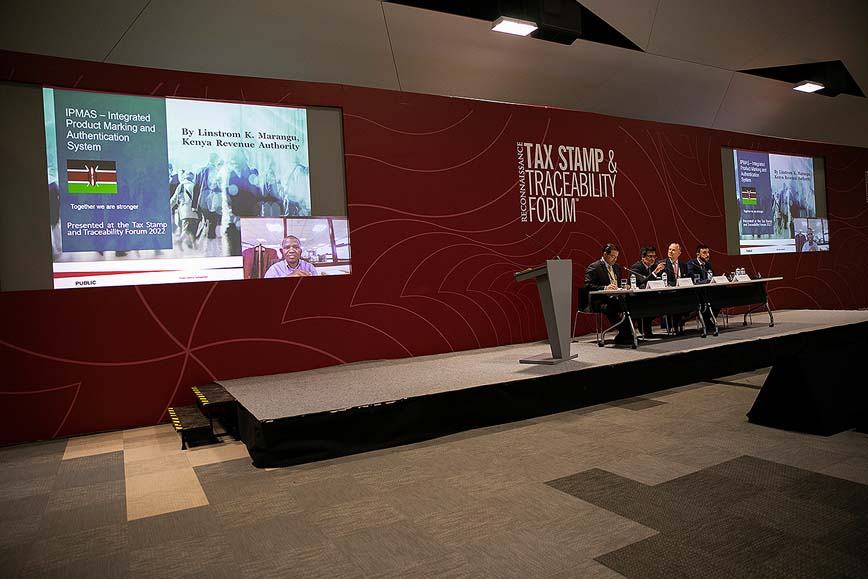
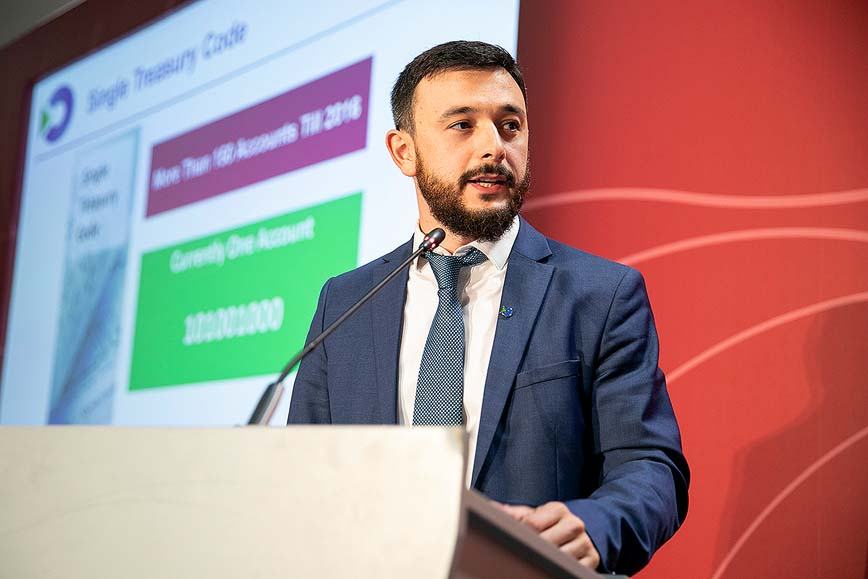
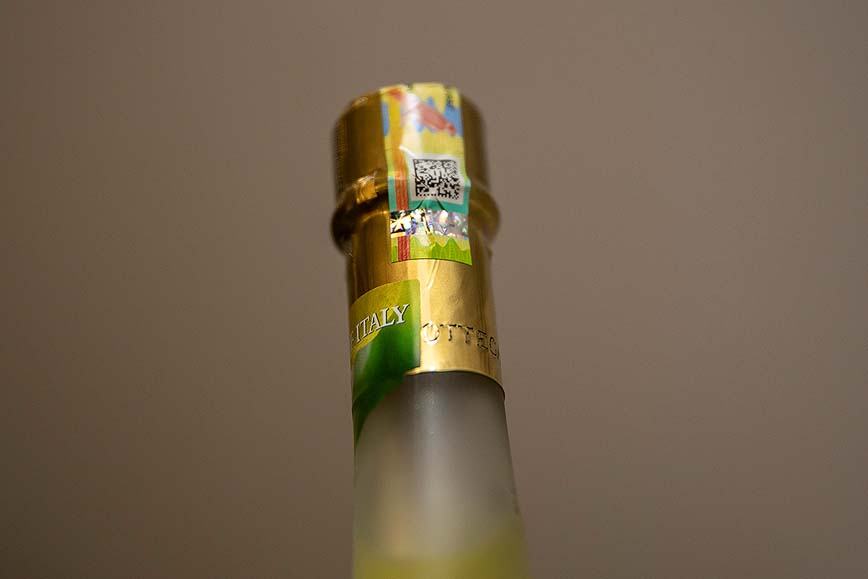
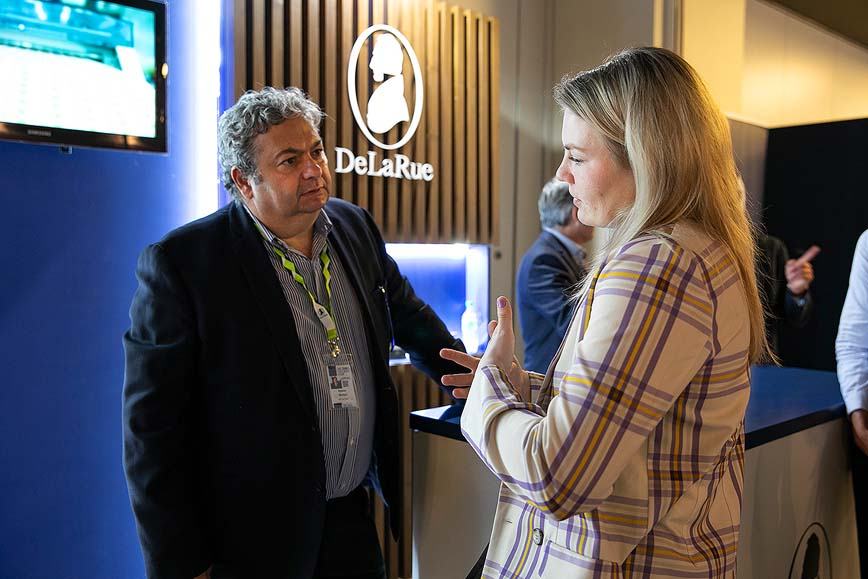
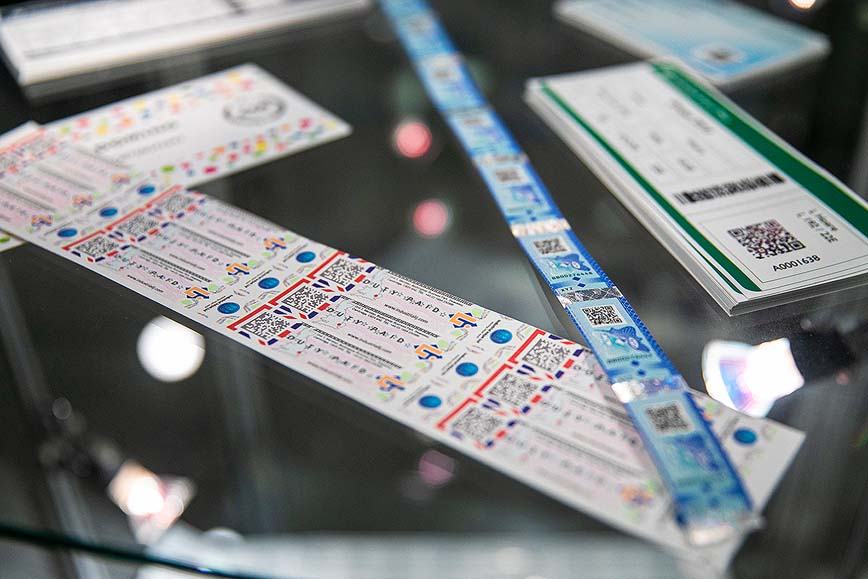
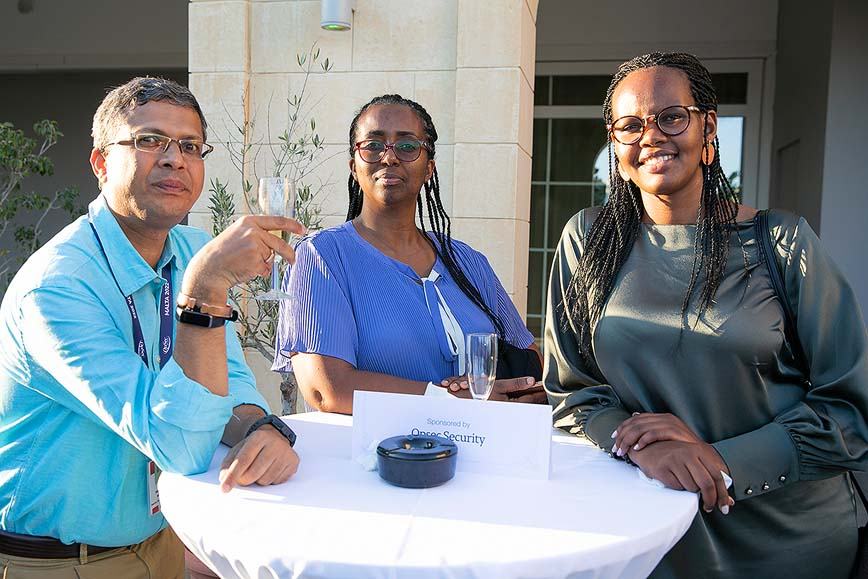
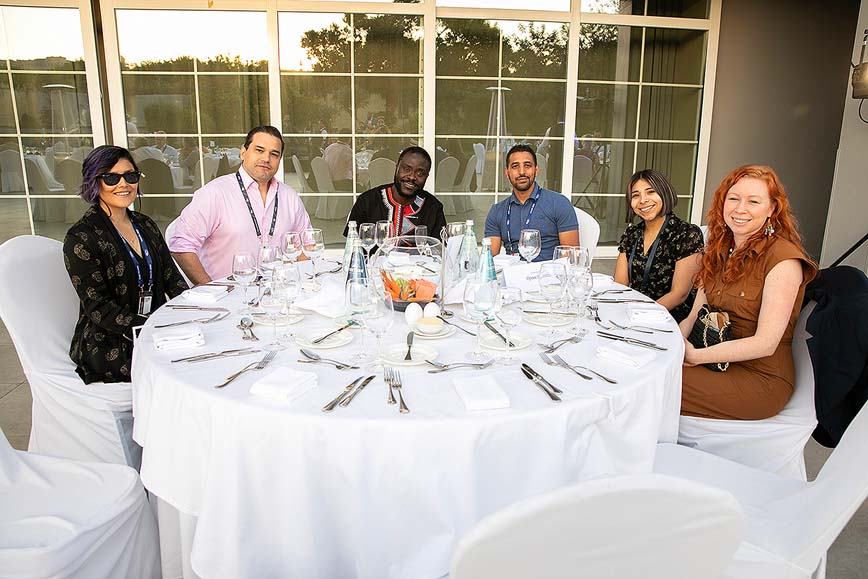
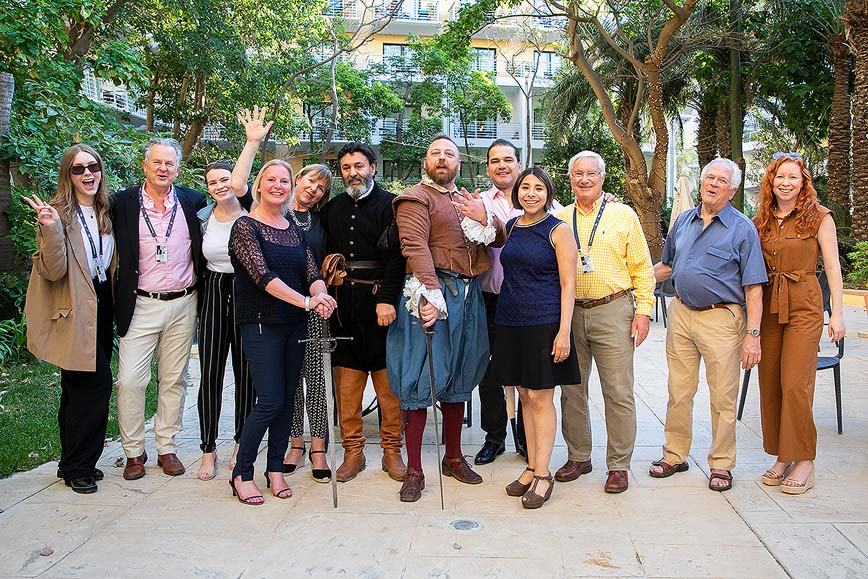
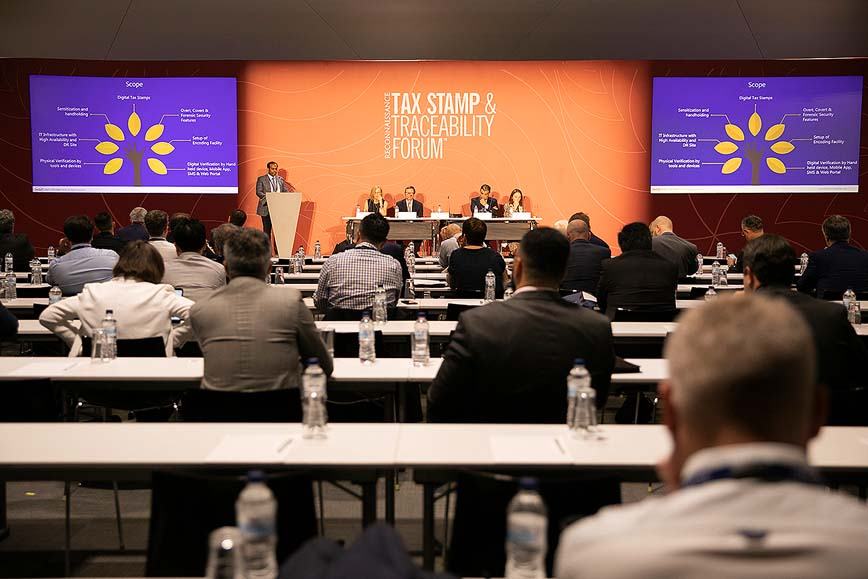
TSTF MALTA 16 05 22 013

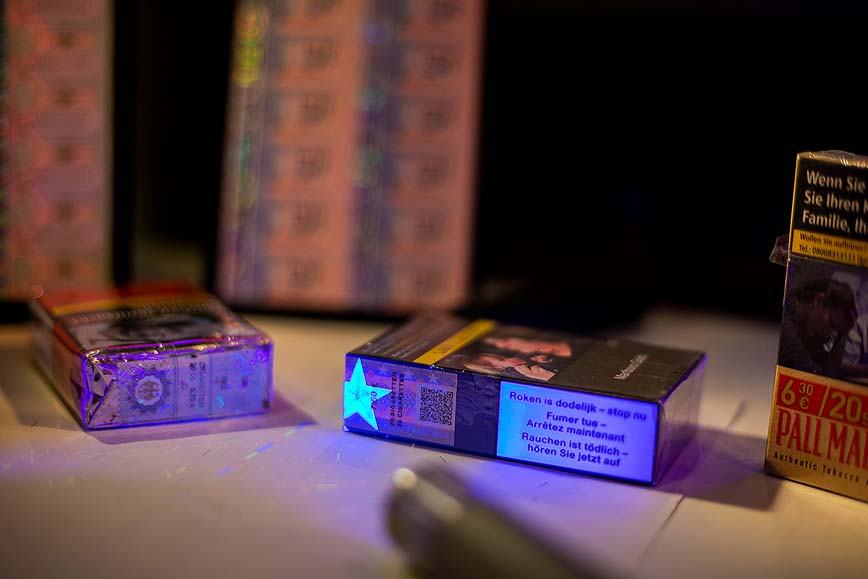
The conference cited many other market sectors that could benefit from tax stamp and traceability programmes. Some are already under way at country level and others are in the planning stage. TSTF 2022 proved to be a great forum for the exchange of ideas and relevant case studies in this area.

The debate on extension was started by Nicola Sudan as Conference Director at the beginning of the conference and continued by OpSec Security when describing the Malta tax stamp programme. Following on from this, SICPA, ASPA, and Kenya Revenue Authority described further ideas on extension for revenue enhancement.

Throughout TSTF 2022, ideas were shared on areas of extension ranging from cement to sugar, but out of these ideas two specific areas kept reappearing. The revenue opportunities from cannabis products were the subject of an entire session in the Forum and they were described as ‘an industry in search of normal’. Vaping was described by the Canadian Bank Note Company as set to be as big an opportunity as cannabis.

The Framework Convention on Tobacco Control (FCTC) also deserves a mention here as it featured in a number of debates, notably with presentations by De La Rue and SICPA.

Collaborative working

Supporting and initiating collaborations is one of the deliverables of meetings such as TSTF 2022 and after a long gap there was a palpable sense of these being built into discussions in and around the forum sessions. Presentations from the Kenya Revenue Authority and the Jura/HP Indigo Secure collaboration illustrated these well. It will be interesting to see what further programmes come out of these debates.

The sharing of information is another deliverable from these events. The University of Cape Town presented an economic model that creates a cost/benefit analysis in financial terms that is transferrable to other markets. This sharing of relevant information is what a forum is all about.

Networking

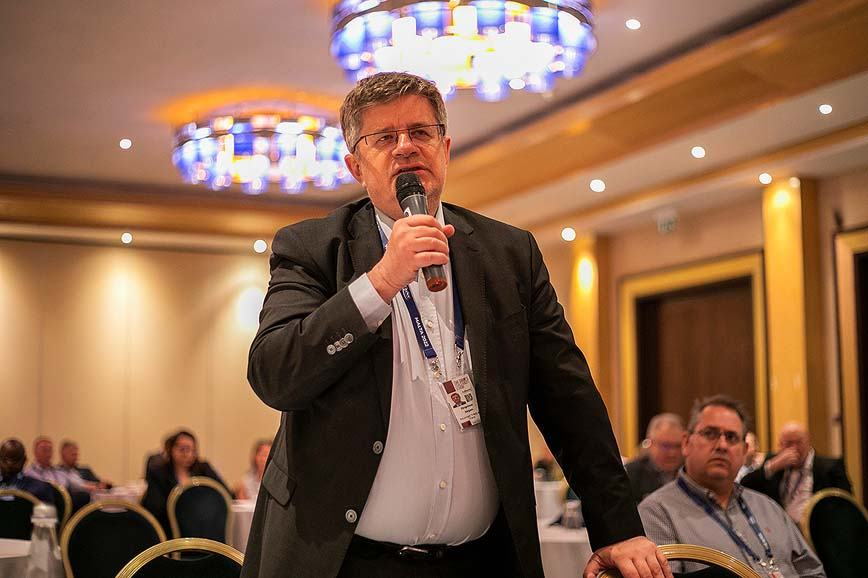
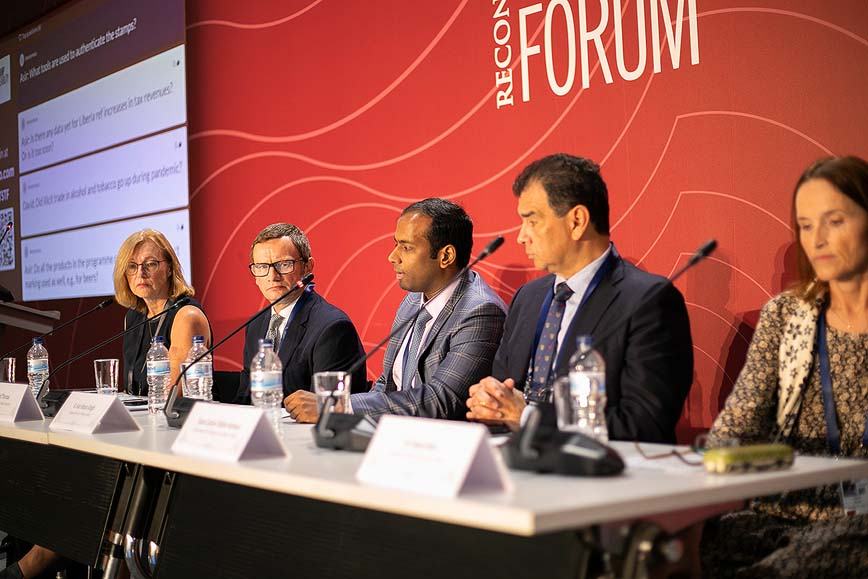
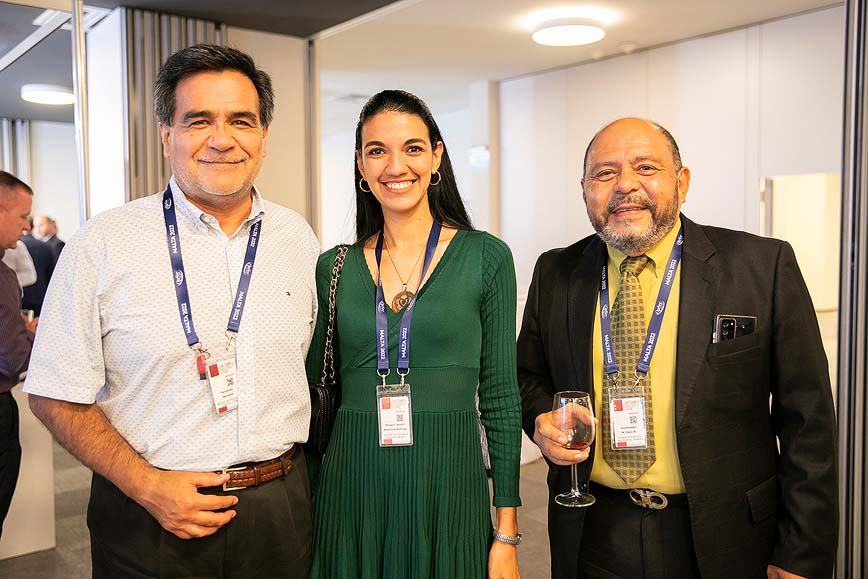
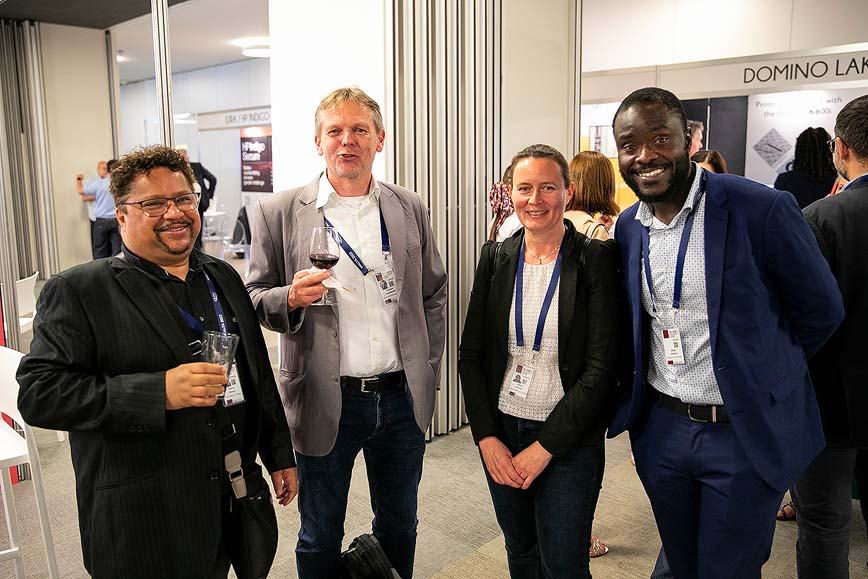
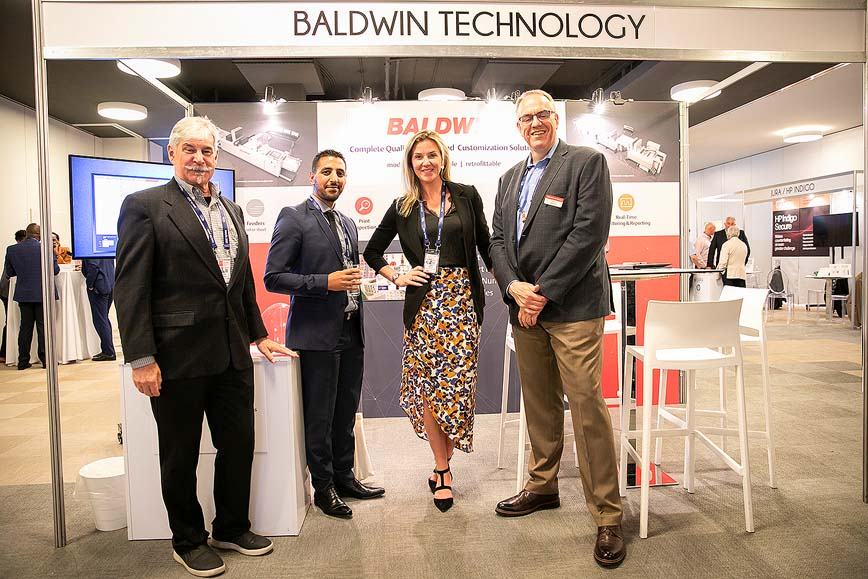
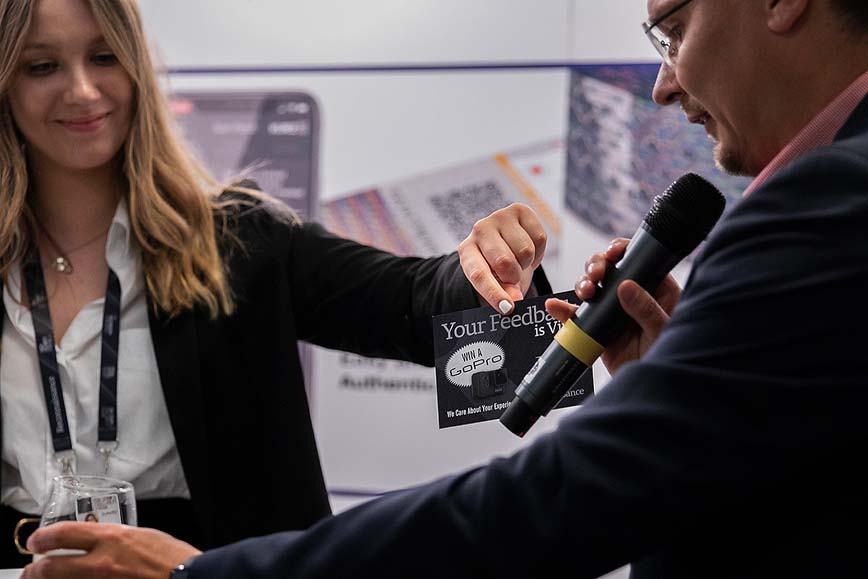
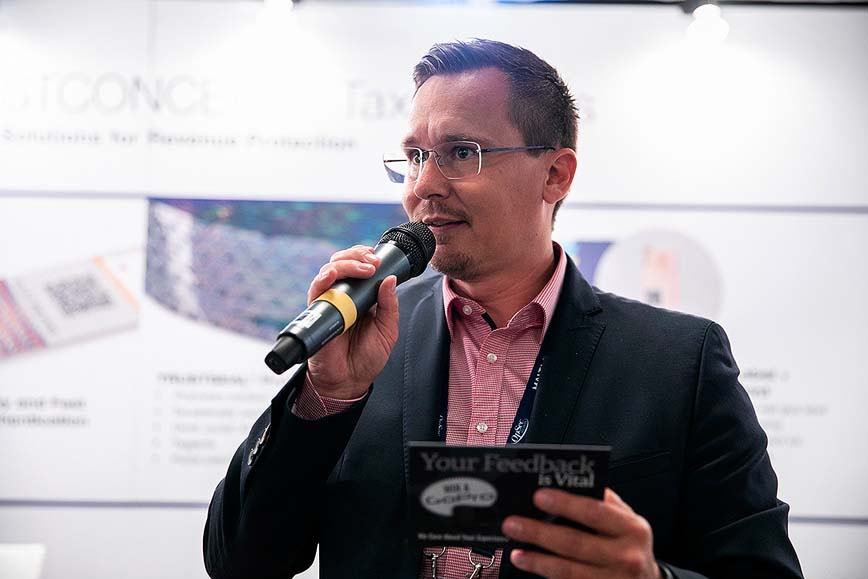
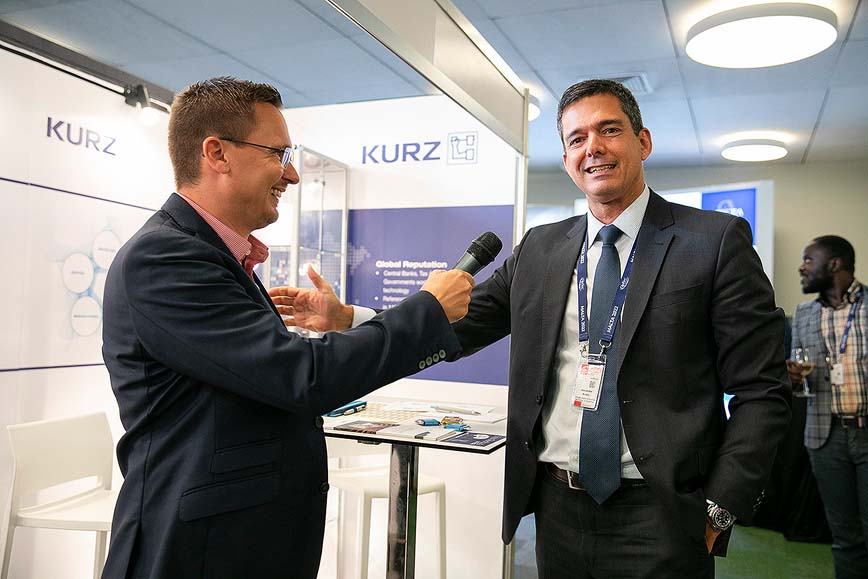
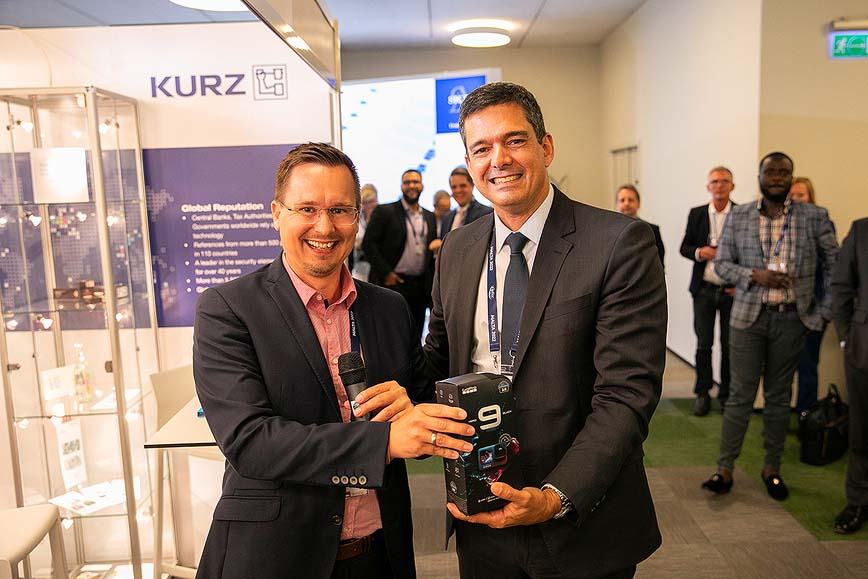
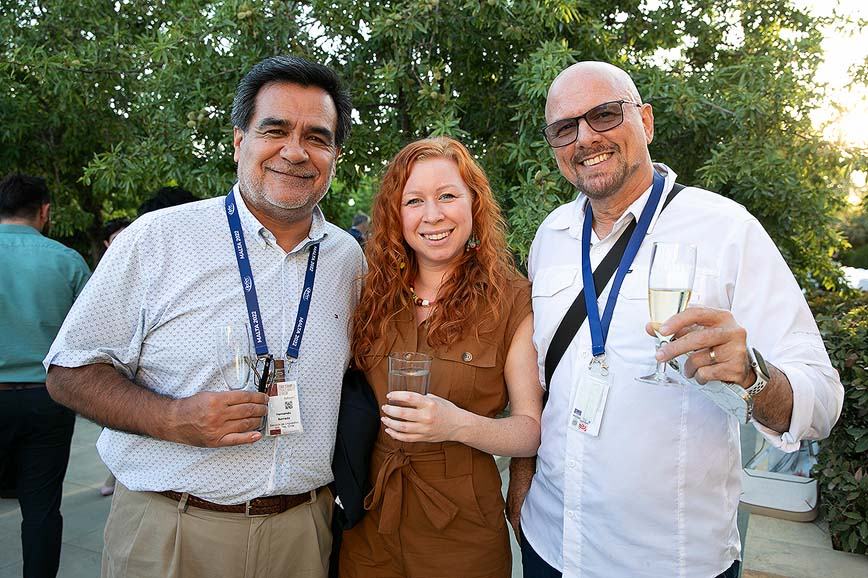
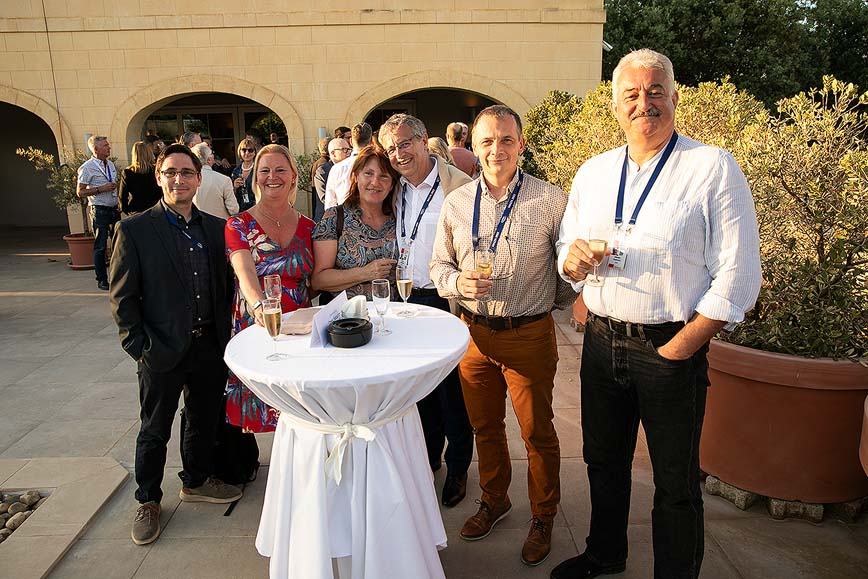
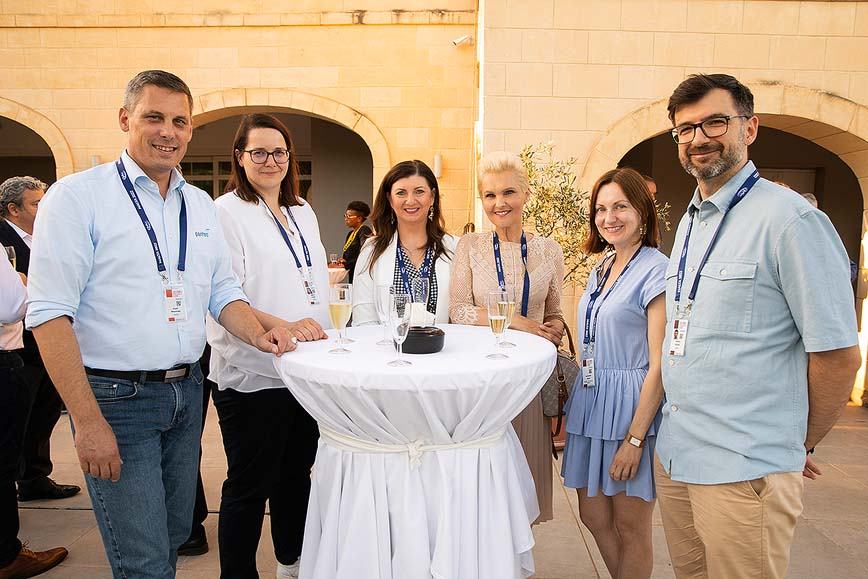
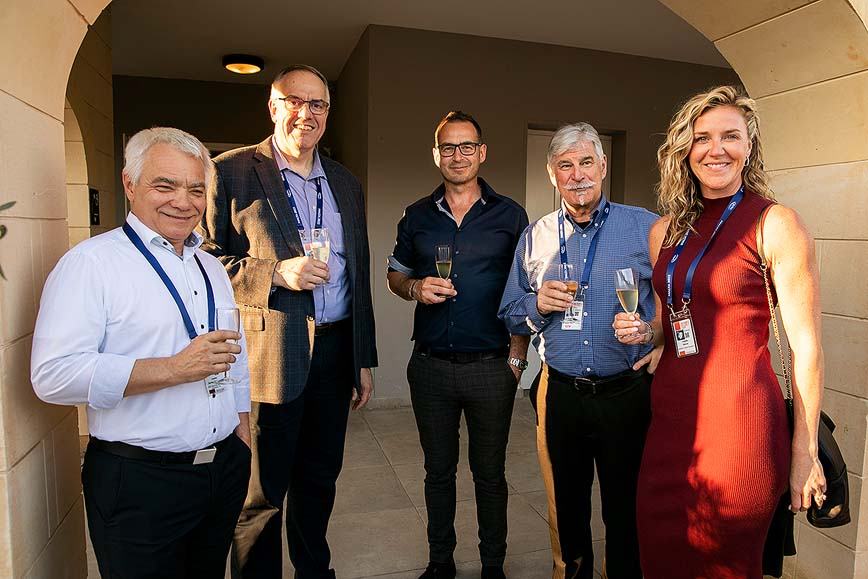
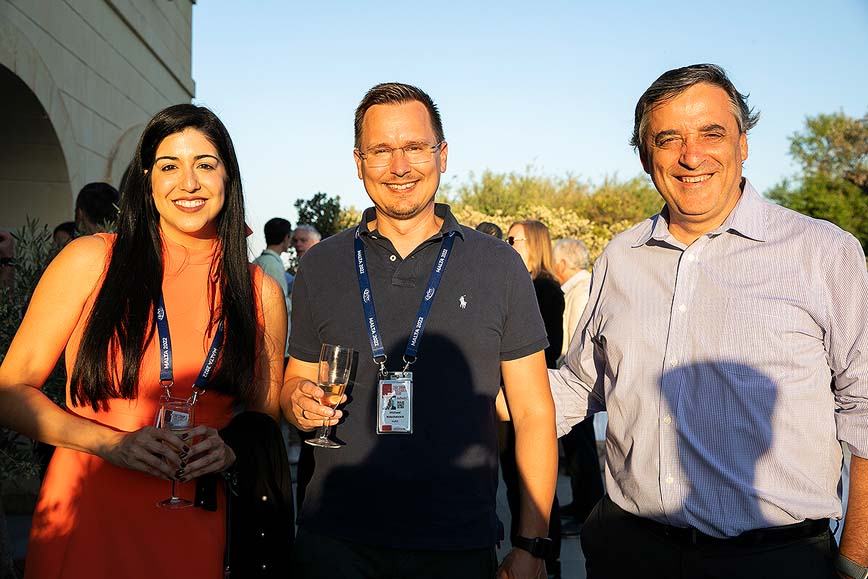
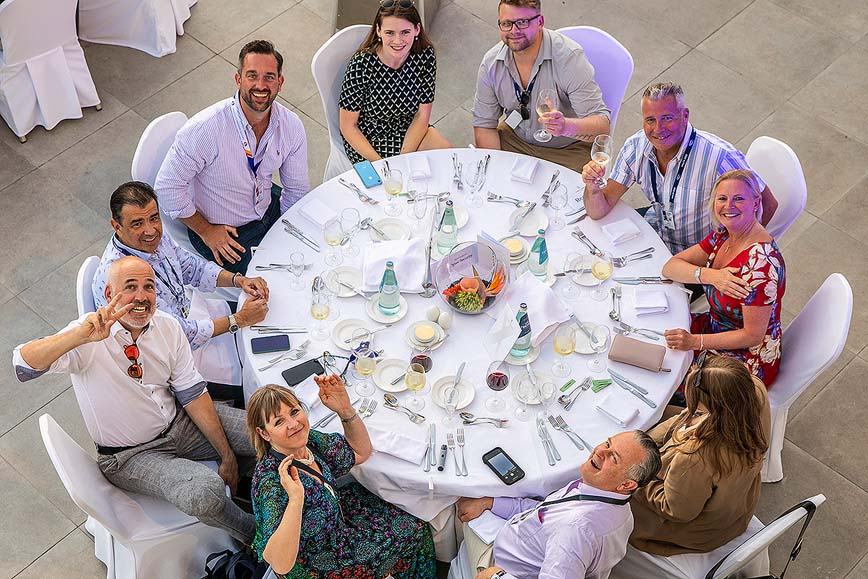
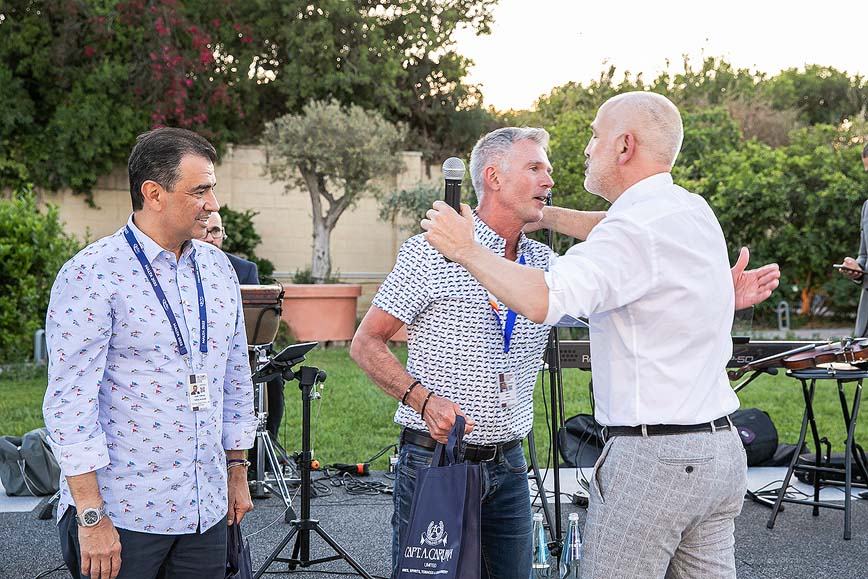
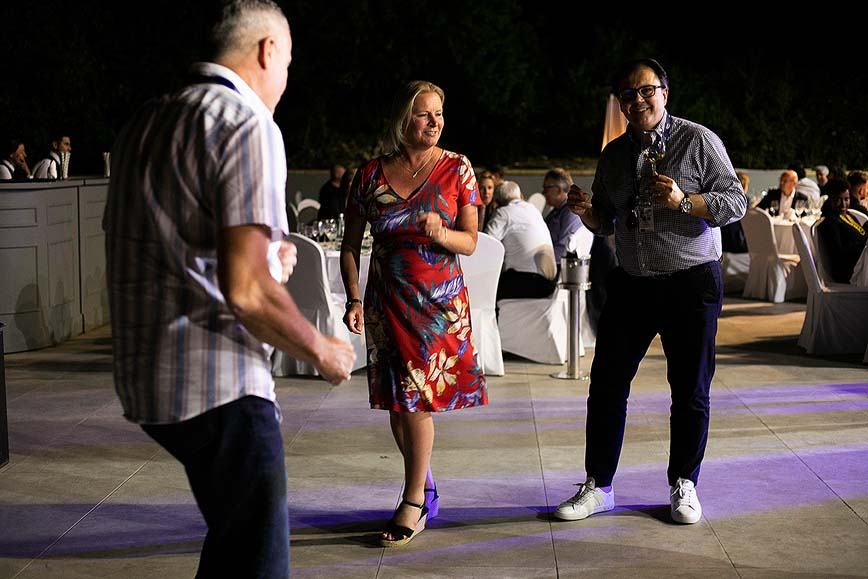
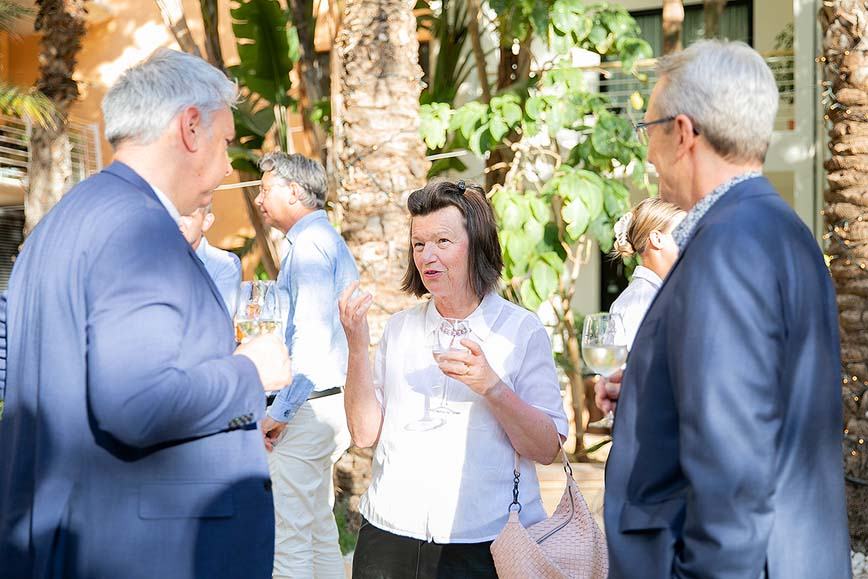
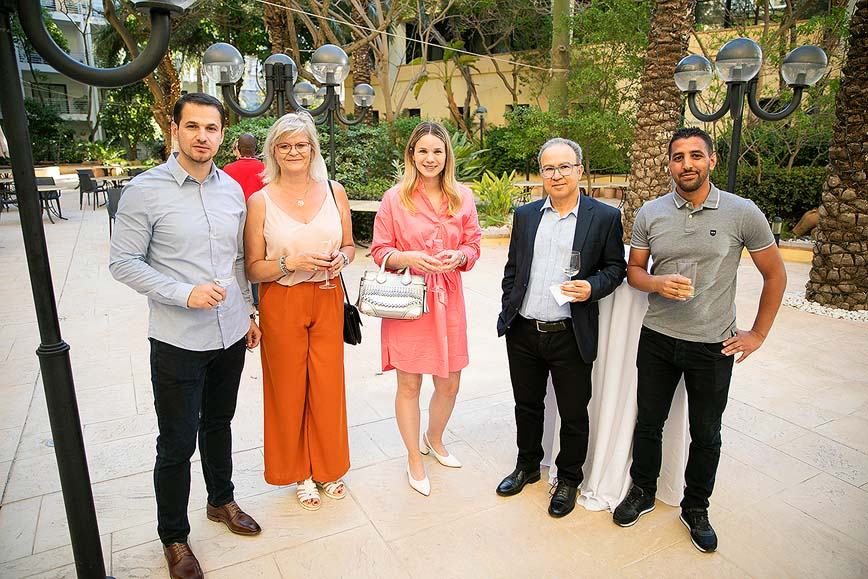
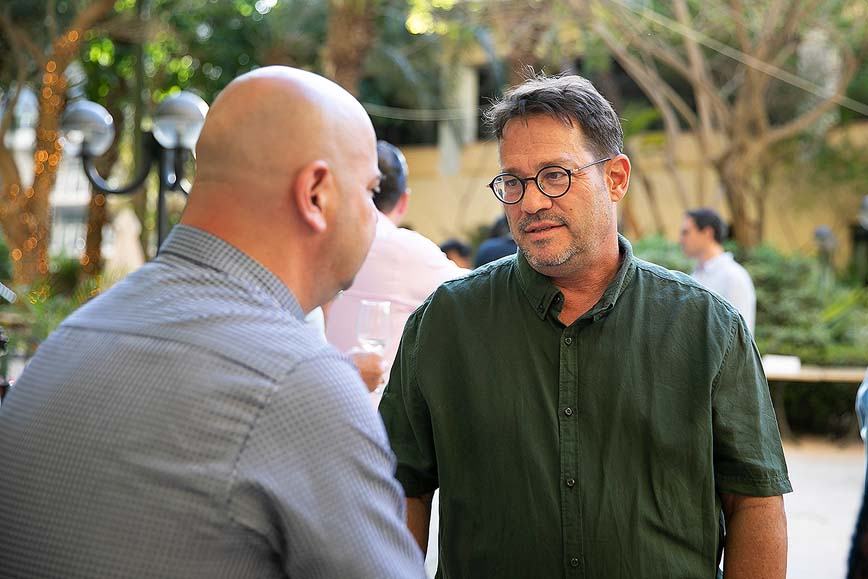
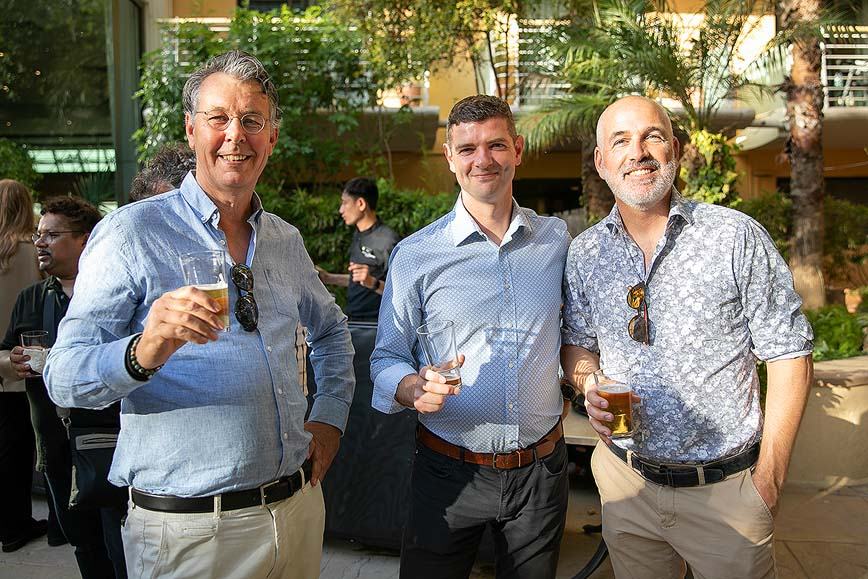
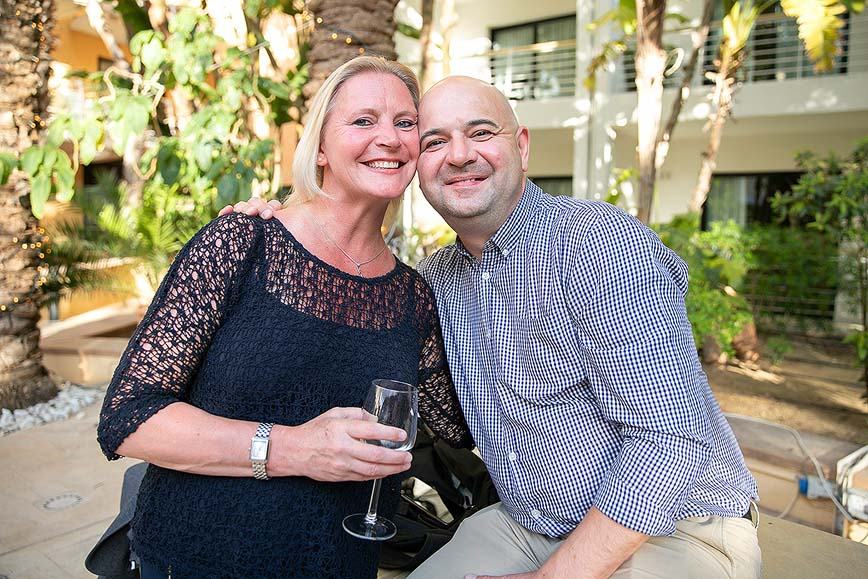
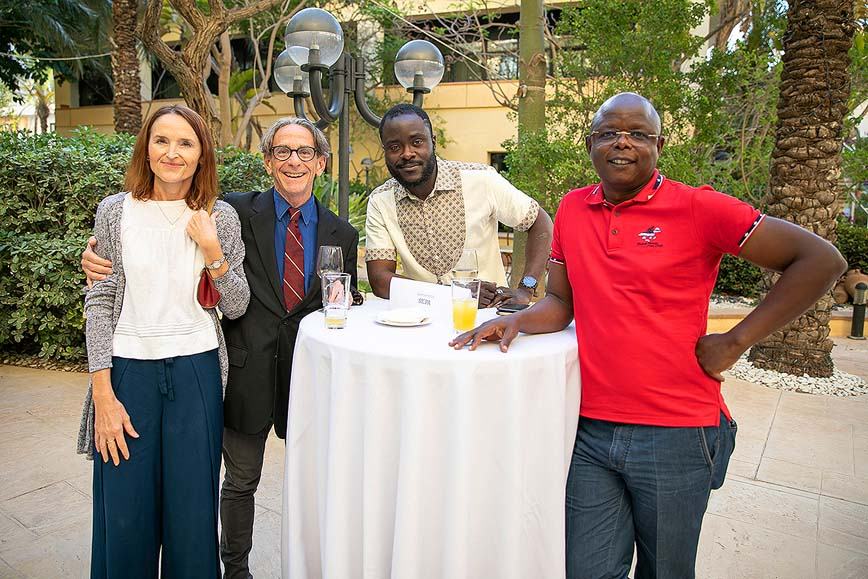
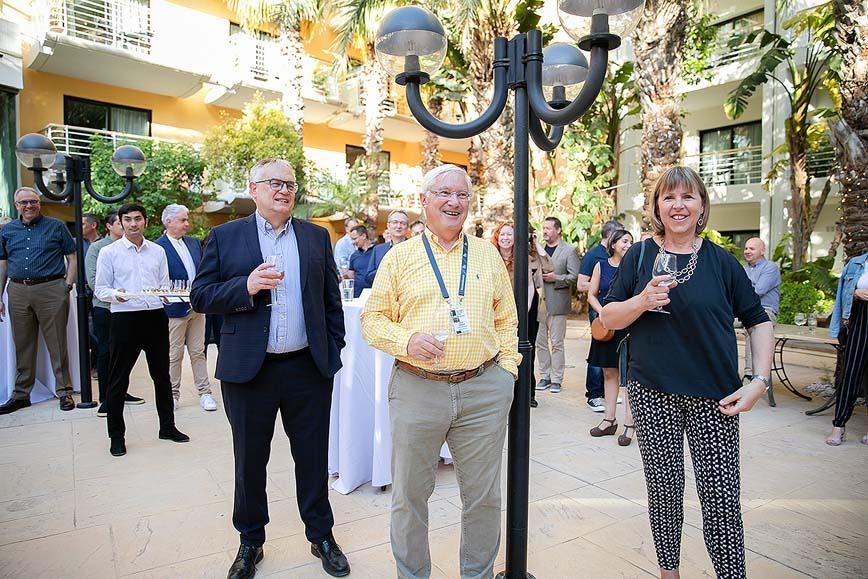
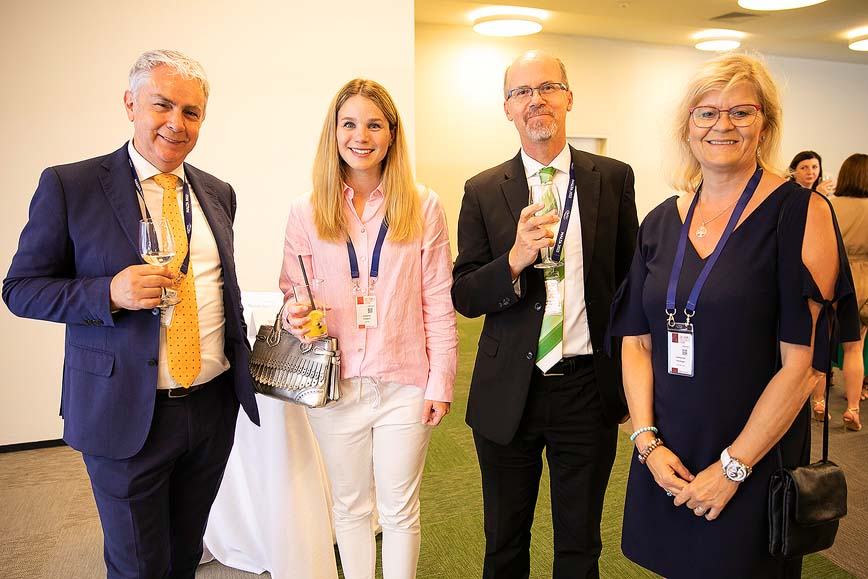
After a long gap caused by the pandemic, the community present at TSTF 2022 was ready to meet again in person for real face-to-face discussions. There were multiple opportunities for networking at this meeting, opportunities that were much missed over the last few years. The exhibition, lunches and receptions were well attended as delegates took advantage of these.

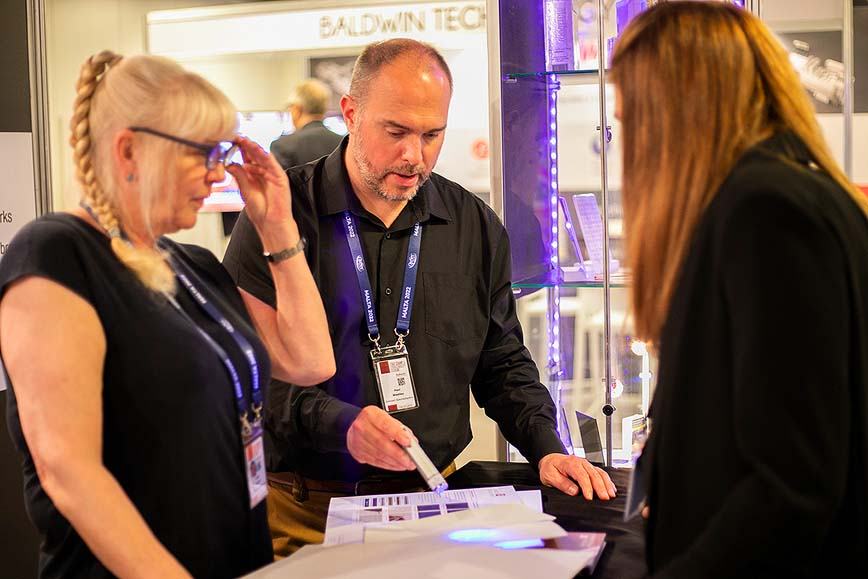
The exhibition, in particular, gave the opportunity to touch, feel and see actual solutions, materials and print. For the younger members of our community, this was seen as a key learning experience. It also reinforced the sense of trust that comes from face-to-face interaction, the basis for future collaborations.

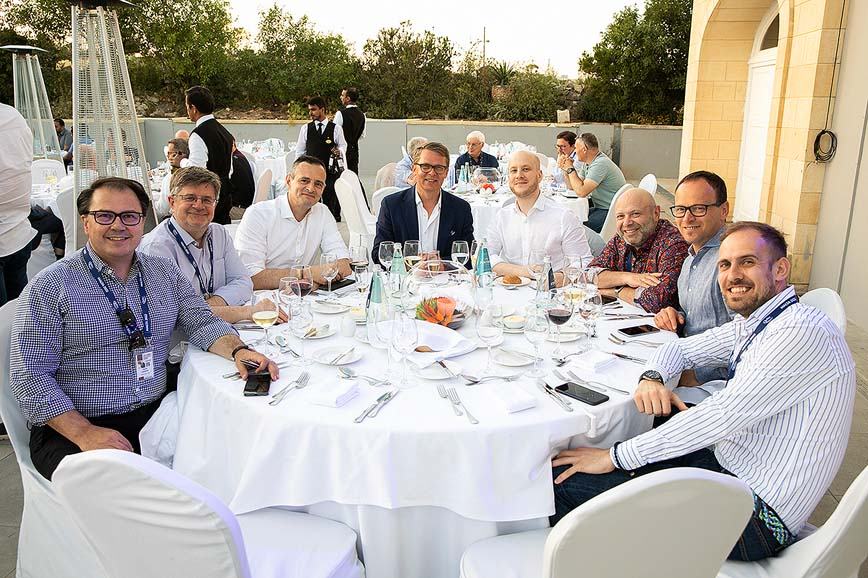
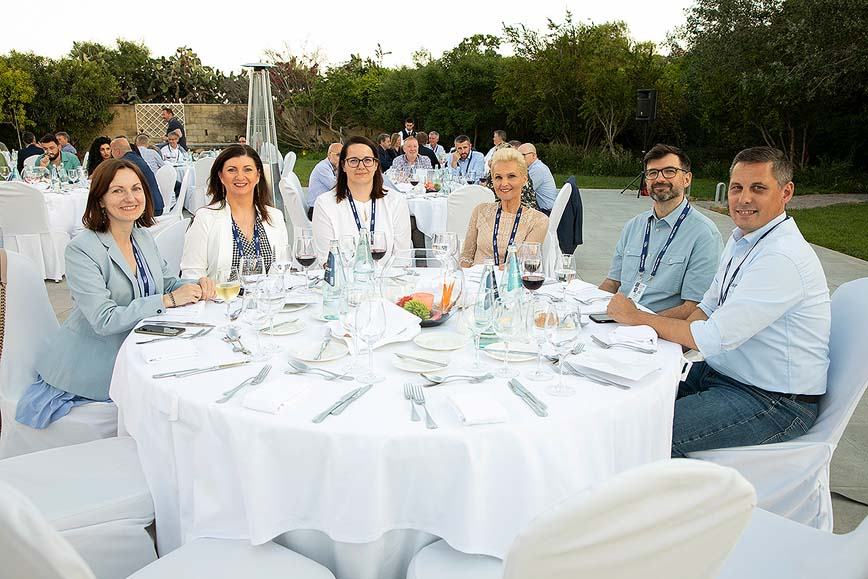
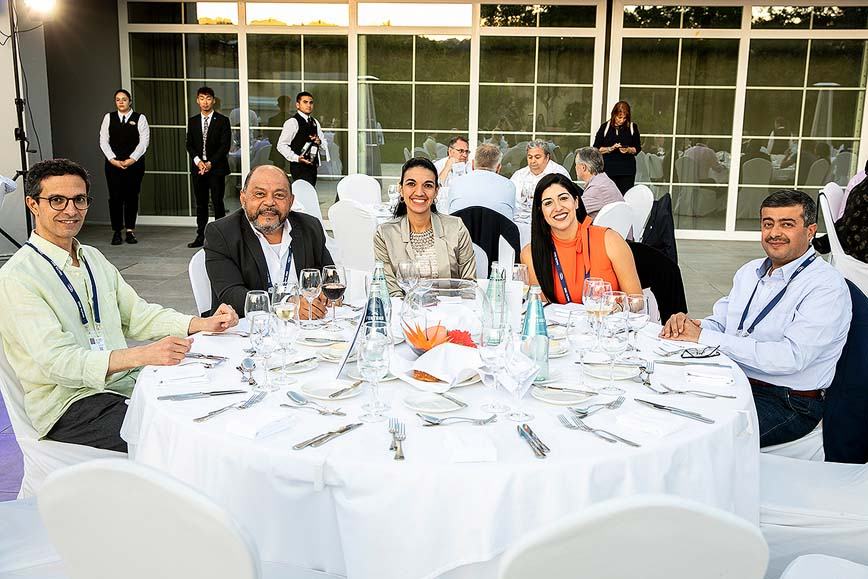
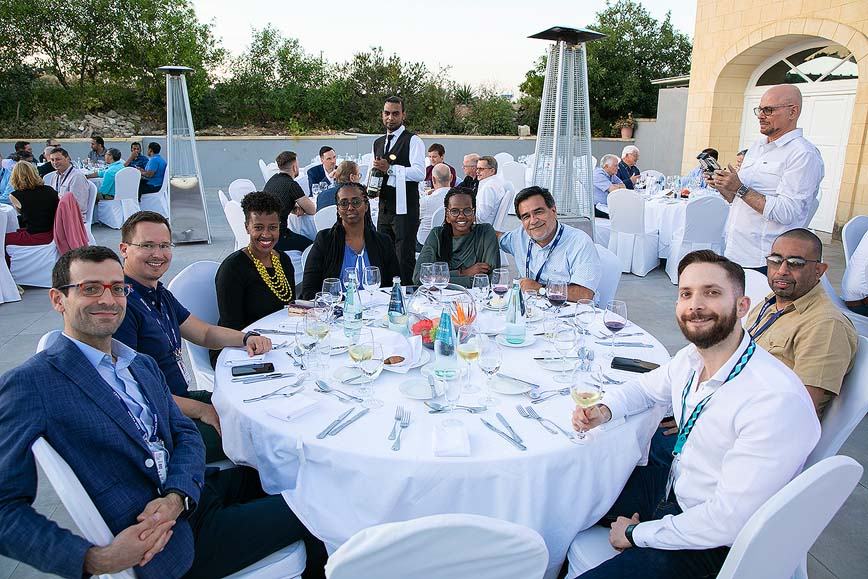
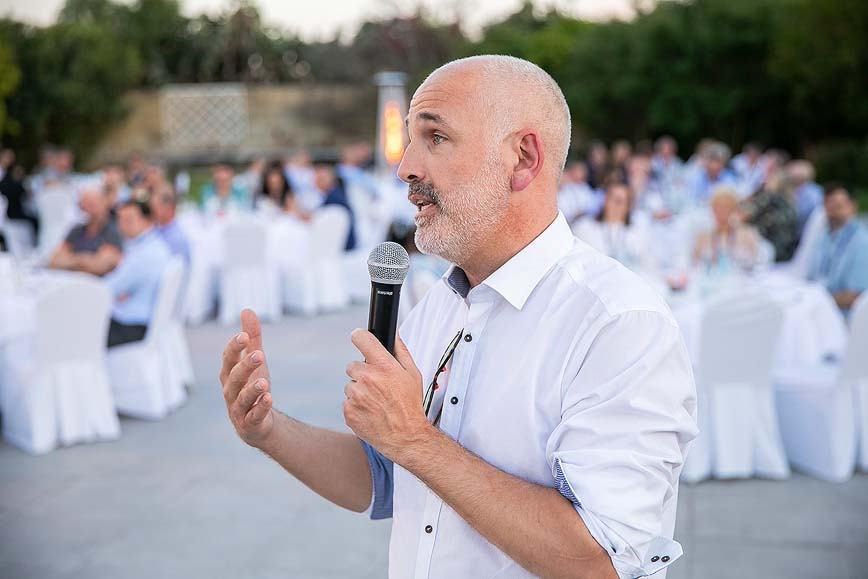
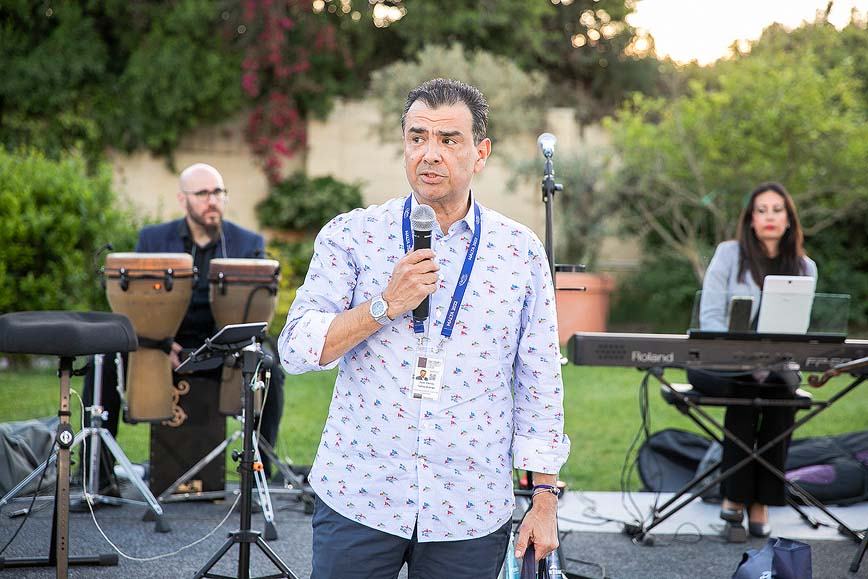
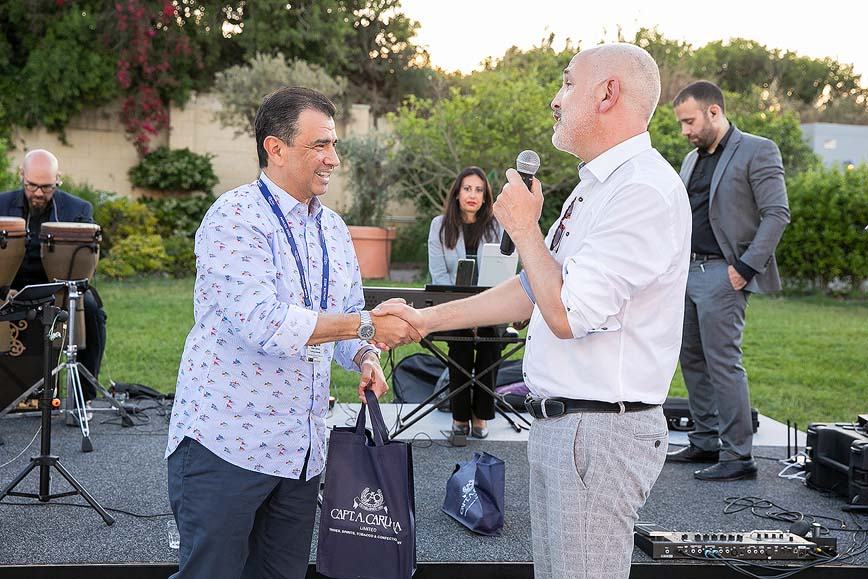
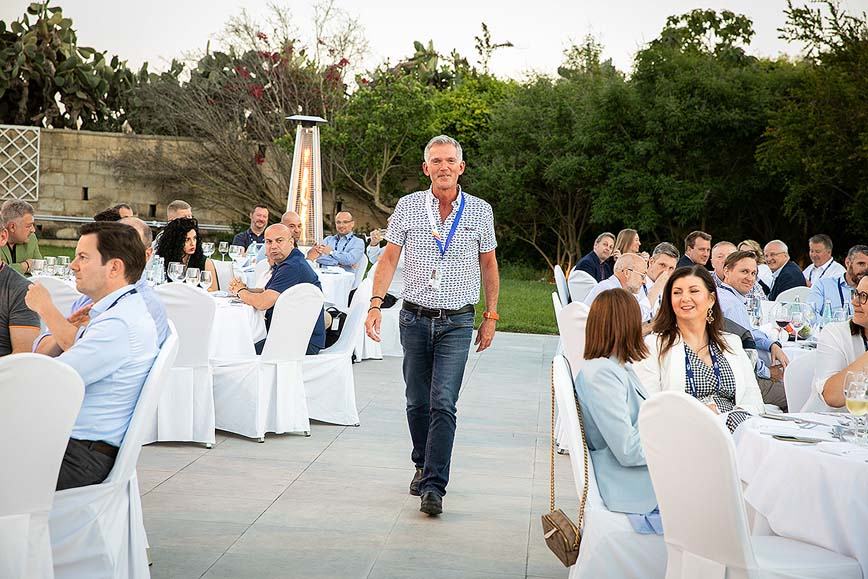
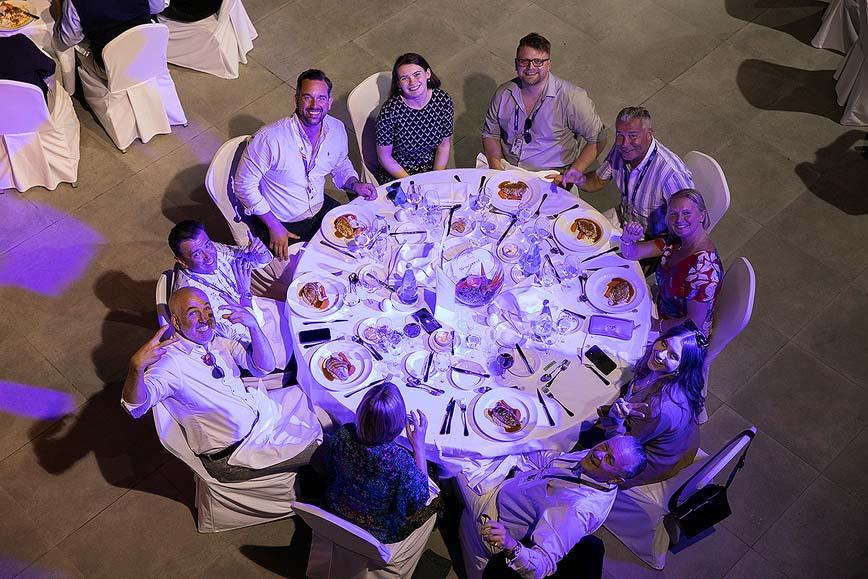
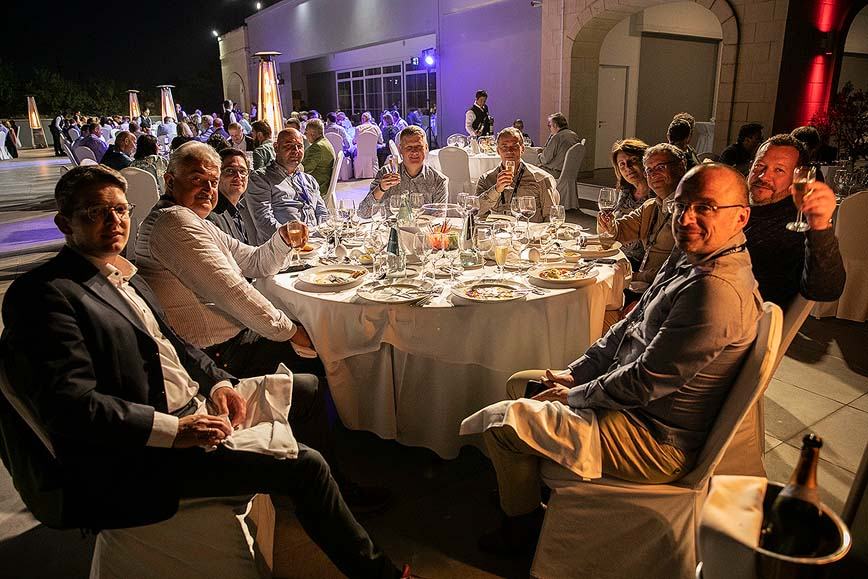
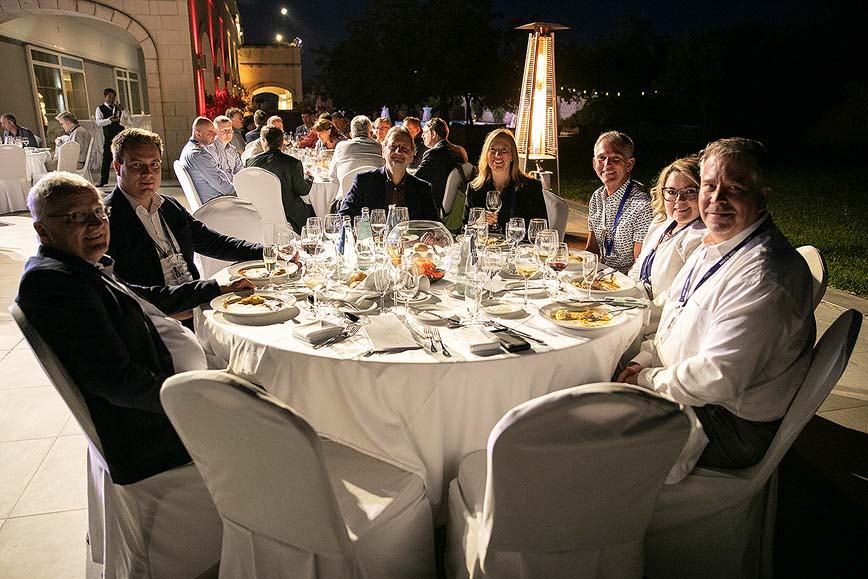
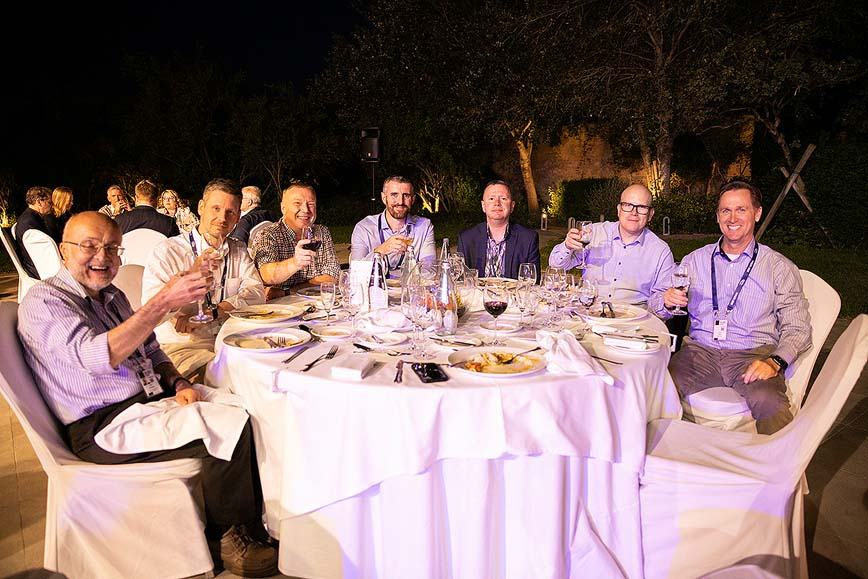
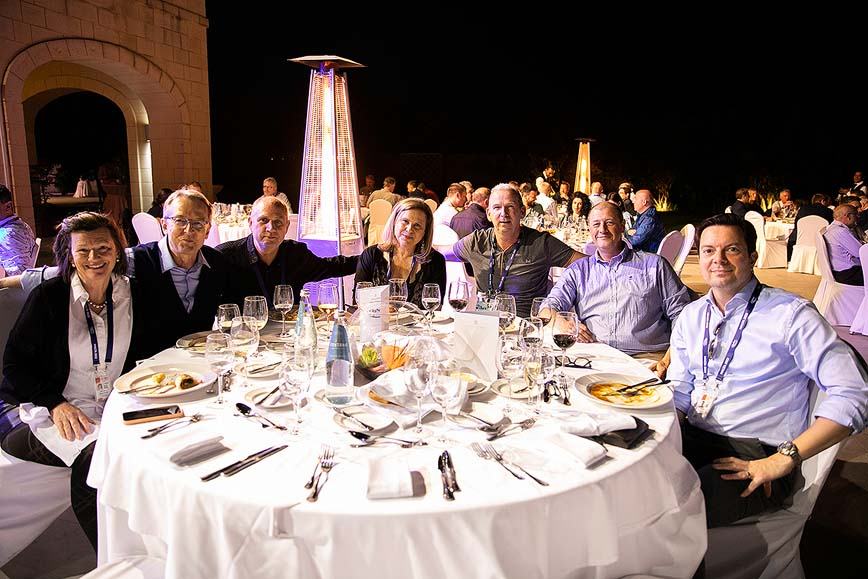
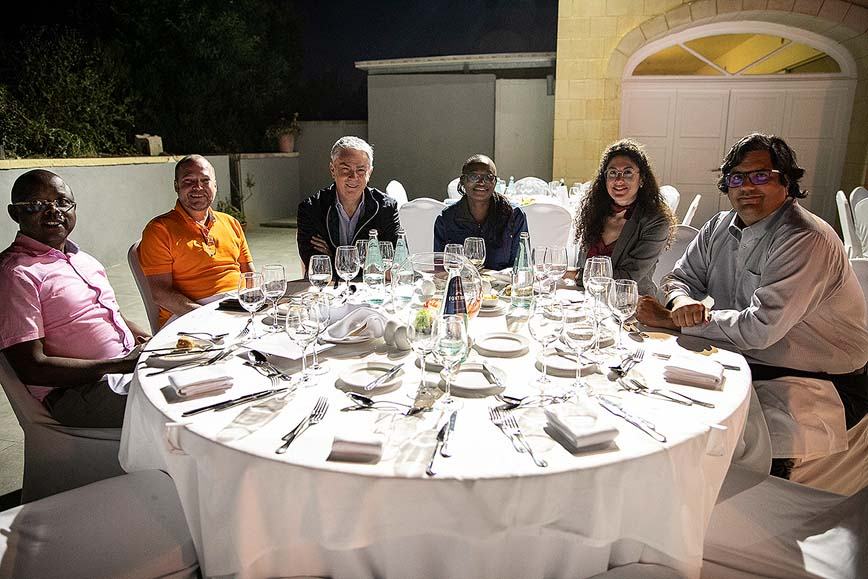
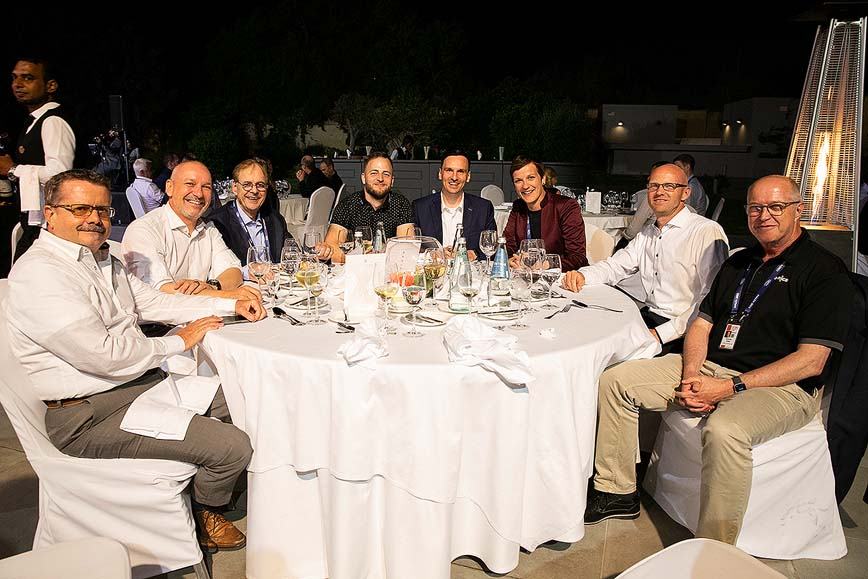
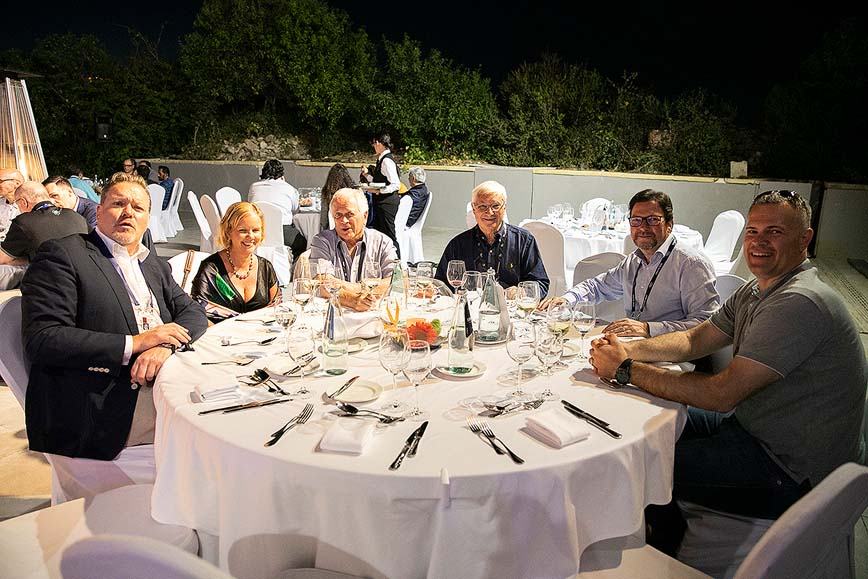
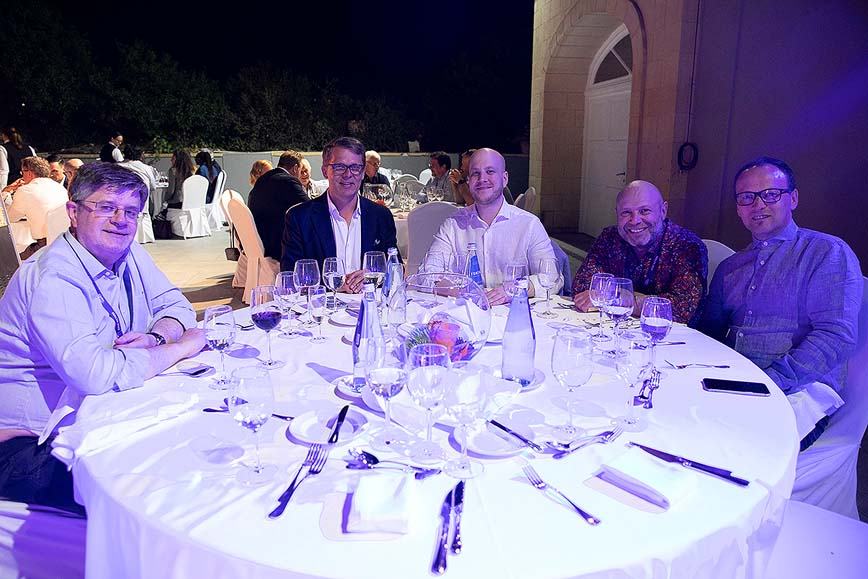
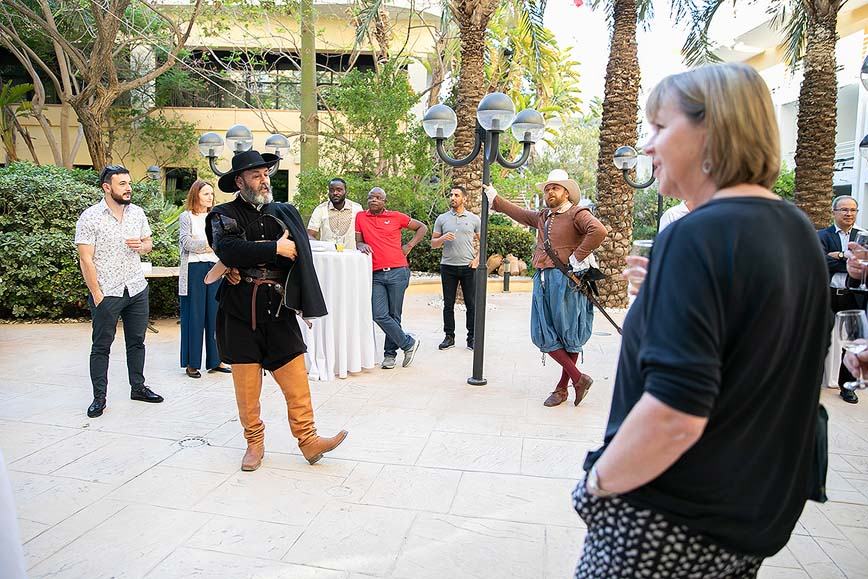
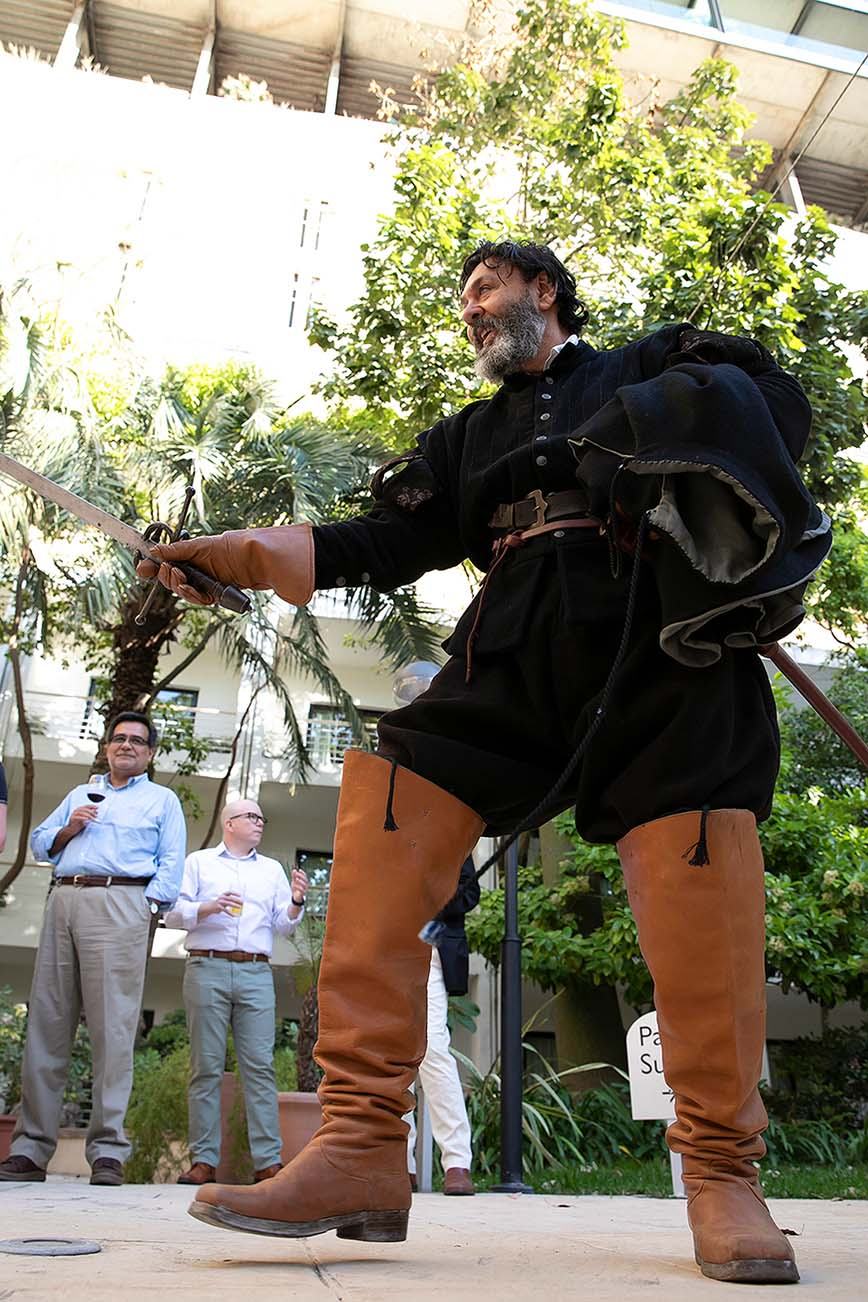
With refreshments and lunches sponsored by Jura/HP Indigo Secure, receptions sponsored by SICPA, Madras Security Printers and KURZ, and an outdoor conference dinner sponsored by OpSec Security, the networking was well supported. As noted by Conference Director Nicola Sudan, these opportunities bring a renewed sense of connection with the industry.

It was announced at the end of the conference that the next Tax Stamp & Traceability Forum will be held in Tbilisi, Georgia in September 2023.

In numbers
194Delegates
35Countries represented
99Organisations
TSTF2022 · 16–18 May 2022

Programme

Closed Workshop for Revenue/Customs Authorities Only: Hosted by International Tax Stamp Association

The International Tax Stamp Association (ITSA) is hosting a closed meeting for revenue and other government authorities, as well as ITSA members, which allows the authorities to come together for more intimate discussions before the conference begins.

Workshop: Security Printing in the Digital Age

This workshop will provide an introduction to high-end digital print equipment and its use for security documents. It will offer information, guidance and a contextual overview on the digital security print, as well as practical insights in to setting up and using the systems. The workshop will be invaluable to security document issuers, designers and printers.

Welcome Reception

Session 1Welcome and Overview

09:00

, Tax Stamp & Traceability News™

Session 1 · Tuesday 17 May · 09:00

Welcome and Forum Overview

Nicola Sudan, Tax Stamp & Traceability News™

No_abstract

Nicola Sudan
Tax Stamp & Traceability News™ · United Kingdom

Nicola Sudan

Regional Director

Nicola Sudan has been with Reconnaissance International since 2010 and currently holds the title of Regional Director, in charge of the company’s tax stamp business. She is the editor of Tax Stamp & Traceability News™, director of the annual Tax Stamp & Traceability Forum™, and main writer and editor of the report Tax Stamps & Traceability: A Market Analysis and Technical Update, the third edition of which is due for release in 2020. In addition, she has been General Secretary of the International Tax Stamp Association since its founding in 2015. Nicola’s experience in the security printing and authentication industry comes from a career with SICPA in Switzerland where she held senior marketing and copywriting roles within both the security inks and government security solutions divisions. Prior to that, she worked for 13 years at JTI, in the marketing departments of the Middle East, Eastern Europe and Worldwide Duty-Free regions, which has given her a broad knowledge of the tobacco industry. Nicola’s core areas of competence in terms of providing a consultancy service relate to her wide knowledge of the excise tax stamp and associated track and trace industry, as well as her English writing expertise, coupled with extensive experience in the security printing and authentication industry. Nicola has a BA in Marketing and Accounting.

09:10Slides

David Thomas, OpSec Security

Session 1 · Tuesday 17 May · 09:10

From Grapes to Oil – Balancing Synergy and Customisation in the Expansion of Malta’s Digital Tax Stamp Programme

David Thomas, OpSec Security

The digital tax stamp solution for the Republic of Malta covers multiple product sectors from FCTC/TPD compliance on tobacco products, to securing excise revenue on fermented drinks and lubricating oils.

This white paper reviews the challenges faced in successfully implementing such a wide-ranging programme, detailing the product and sector-specific customisations chosen, while ensuring consistent cross-government traceability and enforcement.

Download the slides PDF · 3.9 MB · delegates only

09:30Slides

, Madras Security Printers

Session 1 · Tuesday 17 May · 09:30

Successful Implementation for Liberia and its State-of-the-Art Track and Trace Solution

Asir Ratan Singh, Madras Security Printers

No_abstract

Download the slides PDF · 5.5 MB · delegates only

Madras Security Printers · India

Asir Ratan Singh

Mr. R. Asir Ratan Singh, is a Director at MSP. He has strategically driven the implementation of various Large Scale Track and Trace Systems globally. MSP's flagship Track and Trace System, MSP Confirma © has received several accolades worldwide and is trusted by Large Tax Authorities. He also plays an active role in Product Development by analysing various challenges faced by Governments and how technology can alleviate them.

09:50Slides

, International Tax Stamp, Authentication and Traceability Association

Session 1 · Tuesday 17 May · 09:50

Tracking and Tracing of Tobacco Products: Lessons Learned and Best Practices

Juan Carlos Yañez Arenas, International Tax Stamp, Authentication and Traceability Association

The positive – and less positive – aspects of the EU tobacco traceability programme, and recommendations for an optimum system that works both inside and outside the EU.

These are important times for global tobacco track and trace systems.

On the one hand, the EU Tobacco Products Directive is undergoing a mandatory periodic review and, on the other, the parties to the WHO FCTC Protocol to Eliminate Illicit Trade in Tobacco Products have until 2023 to implement the track and trace provisions of the Protocol.

In light of these global developments, this paper looks at what we’ve learned so far with regard to tobacco track and trace and what should be the best practices for government authorities to take on board going forward.

Download the slides PDF · 1.3 MB · delegates only

Juan Carlos Yañez Arenas
International Tax Stamp, Authentication and Traceability Association · United Kingdom

Juan Carlos Yañez Arenas

Juan Carlos Yañez is an industrial engineer with a master’s degree in finance, and over 30 years’ experience in security printing. He has been employed with Thomas Greg & Sons (TGS) since its inception, where he played a role in the company’s expansion throughout the world. Today, Thomas Greg is present in 12 countries on four different continents. Juan Carlos currently holds the position of Counselor to the CEO of TGS. He is also Chairman of the International Tax Stamp Association, a role he has held since the founding of the association in 2015.

10:10Slides

, University of Cape Town

Session 1 · Tuesday 17 May · 10:10

Using a Simulation Model to Determine Break-even Cost of Track and Trace

Dr. Hana Ross, University of Cape Town

We developed a simulation model to determine the breakeven cost of track and trace (T&T). The model determines the price of a T&T marker (such as a tax stamp) that sets additional revenue from T&T equal to the total cost of setting up and operating T&T. This means that a government would fully recovered its T&T expenses by collecting additional tax revenue. If the price of a marker is lower than the breakeven estimate, the T&T system would generate additional revenue.

This Excel-based model uses basic economic principles and is easy to operate. We created a three-stage, Excel-based simulation model for South Africa, but the model can be customised using data from any country.

Download the slides PDF · 524.1 KB · delegates only

Dr. Hana Ross
University of Cape Town · South Africa

Dr. Hana Ross

Senior Research Associate

Hana Ross received her Ph.D. in Economics from the University of Illinois at Chicago. She is currently Principal Research Officer (Professor Level) at the Research Unit on the Economics of Excisable Products at the University of Cape Town, South Africa. Dr. Ross has over 23 years of experience conducting studies on the economic impact of tobacco control interventions including excise tax policies in Africa, Southeast Asia, and in the European Union. She also works on issues related to illicit trade in tobacco and alcohol, including measuring the size of tax avoidance/evasion and strategies to control the illegal cigarette and alcohol markets. Dr. Ross supports global work on health taxes (tobacco, alcohol, SSBs) in collaboration with the World Health Organization, the World Bank, the International Union Against Tuberculosis and Lung Disease, and Campaign for Tobacco Free Kids, among others.

Session Q&A

Break - Refreshments

Session 2Broadening the Scope / FCTC Protocol

11:05

, De La Rue

Session 2 · Tuesday 17 May · 11:05

Digital Tax Stamp Solutions for the WHO FCTC Protocol to Eliminate Illicit Trade

Nasser Bakkar, De La Rue

With the requirement for digital tax stamp (DTS) solutions that meet the requirements of the World Health Organization Framework Convention on Tobacco Control, getting ever closer, De La Rue will share its experience gained through the implementation and operation of multiple FCTC schemes over the past two years.

The presentation will explain the approach for the solutions implemented, the challenges of this process and the requirements for ongoing efficient operation.

It will also discuss the relationship between printed tax stamps and track and trace coding, the role of each in an overall solution, and how these can be used together to gain additional advantages.

Finally, to share best practice and assist future implementations being considered by national tax authorities, the presentation will discuss use cases and lessons learnt from the schemes currently in operation.

Nasser Bakkar
De La Rue · United Kingdom

Nasser Bakkar

Nasser Bakkar, Global Head of Government Affairs – De La Rue A senior professional with 30+ years of experience and achievements in humanitarian and corporate roles – Nasser joined De La Rue in 2018 as Business Development Director for MENA. His previous experience includes Head of Corporate and Legal Affairs for the MENA at Imperial Tobacco Group, Corporate Affairs Director at Averda International and Corporate & Regulatory Affairs and CSR Manager at British American Tobacco; all of which has provided him with an extensive engagement network within the United Arab Emirates and GCC. Between 1975 and 1991 – Nasser’s time was in humanitarian work; initially as a volunteer during the war and eventually with multiple NGOs; Save the Children Federation, Terres Des Hommes and UNICEF.

11:25Slides

, SICPA

Session 2 · Tuesday 17 May · 11:25

Broadening the Scope of Traceability Solutions with Continuously Evolving Technologies

Ruggero Milanese, SICPA

As government authorities are looking for solutions that bring transparency and mobilise revenue beyond the market of traditional excisable goods, the ease of integration with external systems becomes more and more important. Technological requirements continue to evolve, and with it, the solutions available to address these needs. This presentation will introduce SICPA’s new technology stack, innovative capabilities, and broader product categories available for government authorities.

Download the slides PDF · 2.4 MB · delegates only

Ruggero Milanese
SICPA · Switzerland

Ruggero Milanese

Head of Market Segment

Director Product Marking &Traceability Solution SICPA SA, Switzerland Ruggero Milanese is Director of Product Marking & Traceability Solutions at SICPA. He has more than 10 years’ experience in designing secure track & trace technologies to control the production and distribution of tobacco products and other excisable goods for governmental organizations, such as Customs agencies and Revenue authorities. His responsibilities include market strategy, product management and pre-sales. Prior to his current role, Ruggero was head of Engineering at SICPA Government Security Solutions, through which he gained an in-depth knowledge of relevant technologies and practical expertise in deploying country-wide implementations. Ruggero holds a Ph.D. degree in computer science from the University of Geneva, and a postdoctoral fellowship at the International Computer Science Institute in Berkeley, California.

11:45Slides

, Stardust Secured

Session 2 · Tuesday 17 May · 11:45

Covert Traceability of Tax Stamps Through Taggant Barcoding

Dr Vitaly Talyansky, Stardust Secured

Item-level traceability of tax stamps has gained popularity. While standard visible barcodes deliver the traceability function, invisible barcodes double as a reliable covert security feature provided the taggant material is strictly controlled.

The presentation will focus on the challenges of ink jetting inorganic luminescent materials, employed as covert taggants, to print latent text and barcodes. It will describe the methods of preparing the jet taggant ink, the barcode scanning both in production and in the field, as well as the advantages and limitations of digital printing with ceramic taggants.

Download the slides PDF · 1.2 MB · delegates only

Dr Vitaly Talyansky
Stardust Secured · United States of America

Dr Vitaly Talyansky

Dr. Vitaly Talyansky has been a Partner/Founder of Stardust Materials, LLC since 1998. Stardust has focused on anti-counterfeiting solutions for documents and consumer products in a variety of industries ranging from government to pharmaceutical to luxury goods. He was a Sr. Process Engineer at the Logic Technology Development of Intel Corp. from 1998 to 2001 developing and transferring to manufacturing two newest processor technologies. He was recognized with an Intel Achievement Award. Vitaly attained his Ph.D. in Physics and M.S. in EE from the University of Maryland at College Park and B.S. in Physics from the Polytechnic University in Brooklyn, NY. He has authored and co-authored over 30 publications. He was a recipient of National Research Council Associateship Award, American Society of Electrical Engineers Associateship Award, Army Research Lab Fellowship, Outstanding Graduate Student Award.

12:05Slides

, OPTEL

Session 2 · Tuesday 17 May · 12:05

Beyond Compliance: Digital Tax Stamps in High-Speed Production Markets

Dr Foued Barouni, OPTEL

Governments are extending tax collection programmes beyond traditional luxury products such as tobacco, wine and spirits to finance post-pandemic economic recovery and health care programmes. Examples of these new markets are soft drinks, beer and water, to name a few.

While physical tax stamp technology has been used to address traditional market requirements using track and trace systems and labels and enhanced security features, their application to new markets may become challenging due to several reasons.

First, products such as beer and soft drinks are less expensive than luxury goods such as tobacco and spirits. This makes manufacturers more price-sensitive and requires an optimised project cost.

Second, production line speeds are faster and labeling products may reduce the line performance.

Last but not least, product shapes and colours are variables and adding labels to the same production line is challenging. It may also raise some concerns related to the product brand.

Digital tax stamps can be an interesting alternative to physical tax stamps and allow us to overcome some of the limitations of physical stamps. In this presentation, we discuss various challenges related to using digital tax stamps directly printed on products. We also present a novel approach involving AI-based security features that allow new markets to reduce implementation cost, keep the line performance and open the door to new opportunities towards an intelligent supply chain.

Download the slides PDF · 1.2 MB · delegates only

Dr Foued Barouni
OPTEL

Dr Foued Barouni

Foued Barouni is Solutions Manager at OPTEL Group. He oversees product and market development for various traceability-based solutions such as Tax Management, Returnable Asset Management and Product Carbon Tracking. Foued Barouni holds a PhD in Computer Science from Laval University (Canada) and a Computer Science Engineering Bachelor’s degree from INSAT Institute (Tunisia). He is also a speaker and published author, having collaborated on various conference and research papers.

Session Q&A

Lunch

Session 3Panel Discussion – Cannabis and Securing the Entire Supply Chain

Break - Refreshments

Session 4Digital Seals / Digital Security Printing

15:30Slides

, JURA

Session 4 · Tuesday 17 May · 15:30

Digital Security Printing – Challenge and Opportunity

Barna Barabas, JURA

In the world of security printing, the words ‘digital printing’ are sometimes used to refer to a forgery or technology used by non-professionals. Security printing has always used state-of-the-art technology and, even today, in this digital/IT world, new developments in security printing are still continuous.

Some of the biggest requests from end users, besides the need for a high level of protection and simple authentication methods, are requests for flexibility, short delivery times and small production batches. So, how we can meet all of these requests with a cost-effective solution that doesn’t make compromises.

The answer lies in digital security printing, but we also need to understand the challenges that come with this, such as:
production workflow, including the physical security of products; the need to comply with the same standards that exist for ID documents and analogue security printing, authentication and the education of personnel, how to authenticate the products… and many more.

Download the slides PDF · 5.1 MB · delegates only

Barna Barabas
JURA · Hungary

Barna Barabas

Managing Director, Operations / Product Development / Presales and Marketing of the JURA Group.

English: Barna graduated at the University of Szeged (Hungary) in 1996 and obtained an MBA diploma from University of Pecs (Hungary) in 2004. He had already a background in printing when he joined JURA in 1996. During his years with Jura, Barna worked with many high security and government printers, conducted many training courses and consulted to the design of security documents. In the recent years he gave several presentations at various high security conferences on Jura's new developments, including the importance of prepress in security printing, new aspects of security designs for offset printing, and new possibilities by intaglio printing. Español: Barna se graduó en la Universidad de Szeged (Hungría) en 1996 y obtuvo un MBA de la Universidad de Pecs (Hungría) en 2004. Ya tenía experiencia en impresión cuando se unió a JURA en 1996. Durante sus años con Jura, Barna trabajó con muchos impresores gubernamentales y de alta seguridad, impartió muchos cursos de formación y ofreciendo asesoramiento para el diseño de documentos de seguridad. En los últimos años, ha realizado varias presentaciones en varias conferencias de alta seguridad sobre los nuevos desarrollos de Jura, incluida la importancia de la preimpresión en la impresión de seguridad, los nuevos aspectos de los diseños de seguridad para la impresión offset y las nuevas posibilidades de impresión calcográfica.

15:50Slides

, HP Indigo Secure

Session 4 · Tuesday 17 May · 15:50

The Digital Age – Beyond Resolutions and Inks

Matti Broza, HP Indigo Secure

In the last decade, our entire world has changed, and that change is no longer linear, it is exponential!

We’ve changed dramatically as consumers!

Even our basic needs have changed with the digital revolution, and the Print is no exception

However, the adoption of digital printing for Security is limited, mainly due to a lack of available technology, the recent epidemic has shown us how important a quick response is in issuing personal documents that can be verified through unskilled people.

This is where HP Indigo Secure comes into the picture – to fill the gaps, with advanced secure digital printing technologies.

Download the slides PDF · 8.1 MB · delegates only

Matti Broza
HP Indigo Secure · United States of America

Matti Broza

· Joined HP Indigo 3 years ago and part of the founders of HP Indigo Secure. · With vast experience with entrepreneurial projects in the industry related to industrial and commercial solutions. · Connected with strategic partners as well as early adopters at the security printing business · Covering all the aspects of the business at the early stage, including the technical specs, business models and financials

16:10Slides

, Leonhard KURZ

Session 4 · Tuesday 17 May · 16:10

Does a Visible Digital Seal Solve the Market Requirement for Anti-Copy and Anti-Cloneable Codes?

Michael Ritschewald, Leonhard KURZ

Whether it’s the forgery of identities, travel documents or vaccination certificates, document fraud is on the rise. Visible digital seals (VDS) protect paper-based or digital documents like tax stamps and make them impossible for criminals to counterfeit.

We provide insight into how a VDS works and give an overview of existing specifications and examples of where VDS is already in use and part of our daily lives.

We also present a guideline of the anatomy and structure of a modern tax stamp using a VDS.

But how can we protect VDS codes against copying if it comes to direct marking?

The presentation will provide an insight into the world of anti-copy and anti-cloneable codes and how the VDS could be a part of it.

Download the slides PDF · 3.3 MB · delegates only

Michael Ritschewald
Leonhard KURZ · Germany

Michael Ritschewald

Business Development Director - Security Division

Michael Ritschewald holds a master professional degree of Technical Management. After working in different departments, like Production and Sales at LEONHARD KURZ Stiftung & Co. KG he is now in charge of product management and sales for Tax Stamps worldwide. KURZ is a world-renowned supplier of optical security solutions. The company offers comprehensive concepts for brand protection, brand decoration and brand communication. The TRUSTSEAL® range of difficult to copy holographic authenticity features visually enhance the brand, build consumer confidence, and provide a high level of counterfeit protection. These optical security features can be combined with the web-based TRUSTCODE® authentication system. The TRUSTCODE® system connects the real world to the virtual one: security features, detailed product information or other online services can be accessed by customs officials, brand owners, retailers and buyers using different smartphone scanning processes.

16:30Slides

, Luminescence Sun Chemical Security

Session 4 · Tuesday 17 May · 16:30

See the Unseen – A Look into Level 2 Security on Tax Stamps

Gerben van Wijk, Luminescence Sun Chemical Security

No_abstract

Download the slides PDF · 1.3 MB · delegates only

Gerben van Wijk
Luminescence Sun Chemical Security · United Kingdom

Gerben van Wijk

Head of Business Area Banknotes

Gerben van Wijk is Sales and Marketing Director at Luminescence Sun Chemical Security. Separately he also is Co-Chair of the ICA’s Global Cash Alliance committee and Board Member of the International Tax Stamp Association. In 2004 Gerben made his entry in the security printing industry when he joined Drent Goebel, at that time a world-wide supplier of printing technologies for security documents and banknotes. In 2008 Gerben became an independent consultant and worked as Marketing Director for Currency Research, in which position he was responsible for all marketing activities, various studies on cash circulation and also for setting up the first International Commercial Cash Operations Seminar (ICCOS) in Europe. He also took up the role of Membership Director for the International Association of Currency Affairs. He consulted with various start-up companies in the industry with strategic marketing activities. In September 2010, Gerben joined KBA-NotaSys as Marketing and Communications Manager. After 8 years in this role, with responsibility for the global marketing of the complete portfolio of products and solutions the company offers to the high-security printing industry, he moved on to Luminescence Sun Chemical Security In March 2019. Here he leads the global team of sales, marketing and product specialists for the security inks division.

Session Q&A

Extended Exhibition Viewing

Gala Dinner

Session 5Monitoring and Enforcement / Interoperability

09:00

, Sri Lanka Customs

Session 5 · Wednesday 18 May · 09:00

Well-Designed Tax Stamps Help Combat Illegal Alcohol and Tobacco Supply

Aqthar Hassen, Sri Lanka Customs

The use of tax stamps ensures the adequate collection of fiscal revenues and helps to combat illicit trade in alcohol and tobacco products. Curtailing criminal activities in this area is a challenge faced by border protection/customs authorities globally. Tax stamps are one of the most effective monitoring, control, and enforcement systems, that can be adopted by customs administrations to prevent leakages of lawful revenues due to the state. Successful anti-fraud strategies must be evidence-based and targeted to the nature of the fraud, and effective implementation will depend on well-designed and resourced surveillance systems.

Sri Lanka Customs implemented the Foolproof sticker system on imported liquor in 2019. However, due to various technical issues, as well as at the request of local manufacturers, implementation of the system on locally manufactured alcohol and tobacco products was delayed until January 2022.

The Governor of the Central Bank of Sri Lanka announced in January 2022 that ‘… government is expecting additional excise tax revenue of 60 million rupees (USD300,000) monthly by implementing the Foolproof sticker system’.

This paper will describe the Foolproof system as well as present a case study demonstrating enforcement techniques used by Sri Lanka Customs with regard to a large illegal export of foreign cigarettes to Europe in early 2021.

Aqthar Hassen
Sri Lanka Customs · Sri Lanka

Aqthar Hassen

I joined Sri Lanka Customs in 1988 as an Assistant Superintendent of Customs and am presently working as a Director of Customs and count 33+ years of service. I am a pre accredited trainer of WCO and an expert trainer in Sri Lanka Customs. I am a well-recognized resourced person on customs laws and procedures. While serving in customs, I was enrolled and admitted bar in 2002 as an Attorney-at Law by the Supreme Court of Sri Lanka. Thereafter I obtain LL.M in International Trade law from University of Wales and LL.M in Maritime and Shipping Laws from University of Colombo. I have participated in several workshops and meetings, conducted by World Customs Organization and other international institutions locally and abroad. I have served in every directorate of customs as trade facilitator, investigator, prosecutor and an inquirer. I am certain that my qualification in the field of law immensely contributed to the department to achieve its goals.

09:20

, ApiraSol

Session 5 · Wednesday 18 May · 09:20

Capturing Product Samples Globally Via a Single Interface

Axel Hein, ApiraSol

Capturing product samples globally, via a single interface: Tax Stamp, Cigarette Waste and Market surveys Presentation of methods used to detect tax stamp fraud and smuggling in the tobacco industry. How to organize large-scale surveys capturing cigarette packaging waste. Suspicious patterns in survey data.

Axel Hein
ApiraSol · Germany

Axel Hein

Axel is widely recognized as an expert in Shipments Intelligence and Investigations. Since 2010, he has been engaged in Brand Protection, co-founding and managing ApiraSol GmbH in Germany. Axel has contributed to the fight against counterfeits with game-changing technical innovations. Axel has a Master’s degree in International Business Consulting, with a focus on Supply Chain Management.

09:40Slides

Dr Marietta Ulrich-Horn, Securikett

Session 5 · Wednesday 18 May · 09:40

Flexibility Through Interoperable Functional Units

Dr Marietta Ulrich-Horn, Securikett

When excise tax stamp systems are being planned, rolled out or renewed, thought needs to be given to the longevity and future proofness of the system. This presentation outlines the role of thinking in terms of functional units that make up a system, rather than getting tied up in a silo.

The basic assumptions of ISO 16678:2014 (for interoperable object identification and related authentication systems) and ISO 22381:2018 (for establishing interoperability among object identification systems)
are recaptured in this presentation. In particular, the role of a third-party unique identifier (UID) issuing instance is highlighted in detail.

Download the slides PDF · 4.5 MB · delegates only

10:00

, U-NICA

Session 5 · Wednesday 18 May · 10:00

Multi Layered Digital Protection

Ueli Tschupp-Lambert, U-NICA

U-NICA is a leading Swiss provider of digital product protection and authentication solutions.

We use the latest technologies in image processing and machine learning, which enables us to offer solutions to a wide range of markets.

To ensure the highest security standard, copy-proof visible and invisible digital security technologies are applied. To keep the copy protection and security barrier as high as possible, multiple digitally linked security features are added to the tax stamp. This layered approach to brand protection is our philosophy and the reason it allows us to guarantee such a high level of protection.

U-NICA’s digital security technologies are securely authenticated using mobile devices such as smartphones or tablets. Once the customers have downloaded our intuitive app, they can check the authenticity of the products they have received.

All generated verification results including the corresponding geo-data can be viewed in real time using our cloud based scryptoTRACE web portal. This online platform is the central control and management unit of U-NICA’s digital security platform. All product verification results and global product movements as well as the designs and layouts of the tax labels are stored here.

Ueli Tschupp-Lambert
U-NICA

Ueli Tschupp-Lambert

Ueli Tschupp-Lambert is a Senior Consultant for U-NICA Solutions AG. Prior to joining U-NICA, he worked as a regional director for numerous European companies, including manufacturers of optical security, a coin house, as well as manufacturers of banknote printing equipment. Ueli has lived and worked in the Asia-Pacific region for over 50 years and has 20 years of experience dealing with government bodies in the field of security printing.  Ueli has a degree in Electronics and Mechanical Engineering from Switzerland. At a later point in his life, he completed studies in Aviation Management in Australia and Blockchain Applications at MIT.

Session Q&A

Break - Refreshments

Session 6Innovations / Technologies

10:55

, Nanografix

Session 6 · Wednesday 18 May · 10:55

Digital Variable Embossing of Holographic Images Revolutionises Anti-Counterfeiting

Dan Lieberman, Nanografix

Digital Variable Embossing of Holographic Images Revolutionises Anti-Counterfeiting

Nanografix Corporation/Hologramas de Mexico Group was founded in 1984 by Dan Lieberman to develop and market brand protection and document security solutions based on holographic and optical structures.

For over 30 years, major recurring questions with hologram applications have been:

• Is there a way to manufacture holograms or optical structures instantly in such a way that each one is unique and variable?
• Is there a way to manufacture holograms that is more effective and less expensive than embossing and UV casting?
• Can the production of holograms and optical structures be integrated within the printing process in a single pass to improve productivity and minimise supply chain disruptions?

In the last 15 years, Dan Lieberman has focused his R&D on finding the right answers, and he is now introducing a novel technology where a 3-dimensional optical structure is directly digitally ‘printed’ on a substrate (paper, board, polymer), with variable embossed digital holographic data embedded in the optical structure that can be read either with a proprietary scanning device or with a smartphone app.

With this technology, printers will be able to create their own variable embossed holographic images in-house and on the fly on their printing press. Digital variable embossing of holography just becomes one extra ink in the printing process, that falls in register with the other ‘inks’ in a single pass, thanks to a dedicated print attachment designed as an add-on to existing web- or sheet-fed presses.

Process steps are:

a. A proprietary software collects original images and prepares them in a special file that is stored on a database and is ready to be sent to the optical print attachment. The print attachment control system then feeds a different optical or holographic image together with different data to each printed document, at a printing speed compatible with that of banknote, security document or packaging presses. Images may also contain overt and covert optical security features that are also unique to each printed document.
b. Inside the print attachment the special file ‘prints’ a pattern on the substrate in register to the other inks already printed by the host press.

To fully understand the concept of the technology, optical structures must be thought of as a combination of patterned relief (similar to engraving, embossing or to the tactile effect of intaglio ink on paper) and tiny dots of inks (pixels) entangled in the patterned relief.

Being configured as an attachment, the optical print unit can be easily implemented as a retrofit on any offset, flexographic, digital, or numbering press, as well as on an inspection or finishing machine. Its operation does not require any extra handling and storage of printed security material.

That innovative technology achieves the long sought out physical-digital convergence of security features, reaching an all-new level of document security and counterfeit deterrence, whilst making holography affordable for the first time in a wide range of applications.

It is ideal for banknotes, ID documents, and brand protection, enabling instant authentication through machine-readable personalised features.
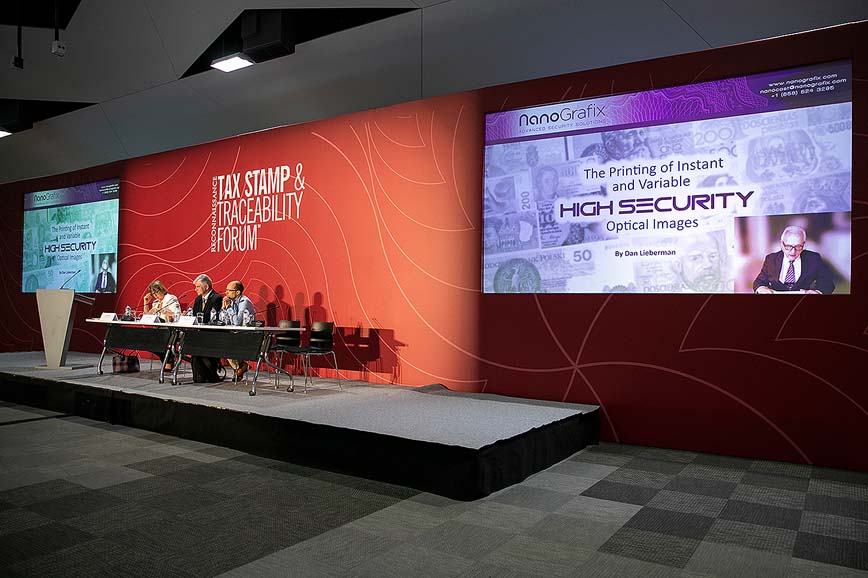

Dan Lieberman
Nanografix · United States of America

Dan Lieberman

English: Dan Lieberman has 37 years in the security printing industry in the manufacture and development of many innovations related to holography and optical structures. Dan has been the CEO of Nanografix Corporation (www.nanografix.com) and Hologramas de Mexico (www.holomex.com.mx) since 1984. Dan has around 20 patents that have been issued throughout the years in many countries in order to protect the IP of both corporations. Dan has a Master of Science from The Massachusetts Institute of Technology in Cambridge, Boston. A Civil Engineering degree from U.I.A. University. Oceanography studies from McGill University and Physics from Brandeis University. Español: Dan Lieberman lleva 37 años en la industria de la impresión de seguridad en la fabricación y desarrollo de muchas innovaciones relacionadas con la holografía y las estructuras ópticas. Dan ha sido el CEO de Nanografix Corporation (www.nanografix.com) y de Hologramas de México (www.holomex.com.mx) desde 1984. Tiene alrededor de 20 patentes que han sido emitidas a lo largo de los años en varios países para proteger la propiedad intelectual de ambas corporaciones. Posee un Master en Ciencias por el Instituto Tecnológico de Massachusetts en Cambridge, Boston, además de una licenciatura en Ingeniería Civil por la Universidad U.I.A. y Estudios de Oceanografía en la Universidad McGill y de Física en la Universidad Brandeis.

11:15

, Baldwin Vision Systems

Session 6 · Wednesday 18 May · 11:15

Serial Numbers, Barcodes and Covert Security Features on Tax Stamps

Erwin Wagner, Baldwin Vision Systems

Adding serial numbers and barcodes to revenue tax stamps creates a unique identifier for each individual stamp and is the basis for traceability. The further addition of covert UV fluorescent and/or IR security features provides hurdles and challenges for counterfeiters. These covert features can be applied as variable images, random patterns as well as alphanumeric codes and/or barcodes.

Advanced quality control solutions can inspect and verify both overt and covert features. The systems can create a special data file, combining the retrieved data from the features. This data can be used to track the stamps through the finishing and packing process. The final version of the data file can then become the basis for a unique and reliable track and trace solution.

Baldwin Vision Systems · United States of America

Erwin Wagner

Erwin Wagner is the Global Sales Manager for Security Print at Baldwin Americas Corporation. Educated in both Europe and the USA, Erwin worked as an Electronic Engineer in Germany developing software for automatic production lines, robots and robotic vision systems. Returning to the US in 1991, Erwin began his career in Security Print as a Support and Development Engineer for Camera Based Quality Control Systems. His most notable achievement was the design and development of the world’s fastest Document Imaging Scanner in 1999. Please view https://www.visionsystems.com/articles/print/volume-5/issue-5/technology-trends/document-scanner-races-at-600-sheets-per-minute.html for details. After a management buyout of the Inspection Systems manufacturing division by Erwin and two British colleagues, Erwin worked with Verification Systems Limited (west of London, UK) as an owner and Sales Director for more than ten years. Verification Systems Limited specialized in Variable Data Inspection for the Security Print Industry and merged with PC Industries, specializing in Print Quality Inspection, in 2016. The merged companies combined the two technologies, each leading in their specific field, with the goal to develop the best and most versatile Inspection Technology worldwide. PC Industries was then acquired by Baldwin Technology Company, together with QuadTech and Web Printing Controls, to form Baldwin Vision Systems Erwin currently resides near Atlanta, Georgia and can be reached at [email protected].

11:35

, Authentication Solution Providers Association (ASPA)

Session 6 · Wednesday 18 May · 11:35

Phygital Security Feature Innovations on Tax Stamps in India

Chander Shekhar Jeena, Authentication Solution Providers Association (ASPA)

In India, TAX Stamps were introduced in the 1990s. Since then, tax stamps playing a robust authentication solution used by various State Excise Department authorities to curb the illicit trade, protect consumers, and increase excise revenue. Today, more than 22 States (including Union Territories) in India use approximately 22 billion tax stamps per annum. Over the year, there has been an evolving upgrade in tax stamps security features & many of them are now adopting a phygital approach. The presentation will provide an overview, trends, statistics, and updates on India’s latest phygital security features and innovations on tax stamps.

Chander Shekhar Jeena
Authentication Solution Providers Association (ASPA) · India

Chander Shekhar Jeena

Mr Chander S Jeena is the Secretary of Authentication Solution Providers’ Association (ASPA), a self-regulated non-profit organization formed in 1998 with a mission to drive the development, promotion, and adoption of authentication and traceability solutions as effective tools to curb counterfeiting and illicit trade. Mr Chander is the Secretary of the Authentication Solution Providers’ Association (ASPA) since 2006 and responsible for overall operation & building up authentication eco-systems in India. Also, he is editor of The Authentication Times and an Advisory member at Tax Stamp & Traceability News, UK. He is a frequent speaker on Anti-Counterfeiting Solutions & Tax Stamps and has represented ASPA at various national and international forums, including The Holography Conference (Shanghai, Budapest), Tax Stamp Forum (Berlin), High-Security Printing Conference (Malaysia) and others. He was also a part of the team which started brand protection awareness initiatives and tools in India, including The Authentication Forum, Brand awareness Seminars, and Counterfeit Repository. He holds a bachelor’s degree in Industrial Relations from Delhi University and a master’s degree in Mass Communication and Public Relations.

11:55

, Quantum Base

Session 6 · Wednesday 18 May · 11:55

Q-ID: A Simple Solution to Tax Stamp Security Using Quantum Technology

David Howarth, Quantum Base

Through a mix of software and hardware solutions, the tax stamp industry has seen significant technological advancement in security, authentication and track and trace capabilities. Within this, there has been a renewed focus on using secure unique identifiers in an overarching system to provide a multifunctional tax stamp to 150 jurisdictions globally. Despite the stellar advancements in unique identifiers used in the tax stamp industry, a recent study by Kurti et al (2019) found that over 23% of New York City cigarette tax stamps from 2,357 tested were fake, citing mismatches in the microscopic features on the stamp.
Here, we present Optical Q-ID as a simple, cost-effective solution to the problem of anti-counterfeiting, authentication and track and trace supply chain management, leveraging quantum mechanics. At the atomic scale, everything is unique; Q-ID tags employ materials, whose external properties are defined by nanoscale, macroscopic imperfections. A smartphone, with no additional hardware, reads a unique ‘quantum fingerprint’ identity from the tag and verifies it was generated by a quantum material, making cloning and simulation impossible. In essence, the world’s first quantum secure tax stamp technology, empowering all in the global supply chain to be the custodian of product security, armed with just a smartphone.

David Howarth
Quantum Base · United Kingdom

David Howarth

David is the Director of Engineering at Quantum Base, where he specialises in the application and integration of cutting-edge quantum technologies for information and product security. David joined Quantum Base from BAE Systems in 2019, where he was the senior Engineering Manager responsible for Performance and Strategy across Maritime Submarines. Prior to that, he was a senior Engineering Manager in the Specialist Engineering Capability Group, driving Group strategic direction and delivering complex facilities investment cases. His earlier roles included systems engineering on nuclear submarine projects, and systems, software and electronic design in the subsea oil and gas industry. David is a Chartered Engineer who holds an MEng (1st Class Hons) in Computer Systems Engineering, an MPhil, and MSc (Distinction) in Systems Engineering. His key skills include engineering project management across complex systems, systems architecture and integration, software development, electronic design and the application of quantum technologies in information security.

Session Q&A

Lunch

Session 7Country Cases

13:30

, Kenya Revenue Authority

Session 7 · Wednesday 18 May · 13:30

Integrated Product Marking System for Kenya

Linstrom Marangu, Kenya Revenue Authority

Kenya commenced the implementation of its track and trace technology in 2013 when the Excisable Goods Management System (EGMS) was progressively rolled out.

It was also noted that other than the excise laws, there are other laws in Kenya that require products to be marked for different purposes. In view of this, some products end up with multiple marks/stamps and manufacturers and importers must incur additional cost for acquiring the multiple marks as well as affixing them.

Kenya is in the process of reviewing the multiple regimes for product marking with a view to consolidating all regimes into one integrated product marking system.

This is expected to create synergy in the fight against illicit trade by bringing together the agencies responsible for fighting tax evasion, illicit trade and counterfeits, among other issues. In addition, it is expected to improve the ease of doing business in the country by reducing the cost of acquiring government marks, the cost of affixing the marks, and the time taken to obtain approvals from the multiple government agencies, among other benefits.

Linstrom Marangu
Kenya Revenue Authority · Kenya

Linstrom Marangu

Health Tax Specialist

Linstrom K. Marangu is an Advocate of the High Court of Kenya, a Certified Professional Mediator, a Researcher, and a Tax and Policy Expert. He has over 7 years’ experience in tax practice where he has worked as a tax fraud investigator, a tax compliance officer and a tax policy expert. He has been a member of Kenya’s National Treasury Budget Team. He is also a tobacco control expert recognized by the World Health Organization and has been an advisor to several countries on excise taxation, taxation of tobacco products and implementation of track and trace systems. He is currently the Head of KRA’s Excisable Goods Management System and a Part-Time lecturer at the Kenya School of Revenue Administration. He holds a Bachelor’s degree in law, a Diploma in Law, a Post Graduate Diploma in Tax Administration and a Master’s degree in Business Administration, among other qualifications.

13:50Slides

, Former Chilean Tax Commissioner

Session 7 · Wednesday 18 May · 13:50

Fiscal Traceability in Chile to Reduce Indirect Tax Evasion

Fernando Barraza, Former Chilean Tax Commissioner

The legislation in Chile has allowed for the adoption of product traceability since 2016. This paper presents Chile’s experience in the application of fiscal traceability on cigarettes and its potential extension to other products.

Download the slides PDF · 1.0 MB · delegates only

Fernando Barraza
Former Chilean Tax Commissioner · Chile

Fernando Barraza

Mr. Barraza holds degrees as an Industrial Civil Engineer and Computer Science Engineer from the University of Santiago de Chile, a Master’s in International Tax Administration from the Institute of Fiscal Studies of Spain, a Diploma in Executive Development from ESE Business School, and a Certificate in Data Analytics from MIT. As the former Chilean IRS Commissioner until March 2022, he was responsible for directing the implementation of the Tax Compliance Management Model based on Risk Management, and the latest tax reforms in the country. In addition, he was responsible for important innovations such as VAT on Digital Services, Tickets and Electronic Invoices, Fiscal Traceability, and the Pre-filled VAT Returns Proposals, tools that allow taxpayers to easily comply with the payment of their taxes.

14:10

, FMA Secure

Session 7 · Wednesday 18 May · 14:10

Tax Stamp Developments in the Pan-Latin American Region

Francisco Mandiola, FMA Secure

No_abstract

Francisco Mandiola
FMA Secure · Chile

Francisco Mandiola

Executive Director

Mr. Mandiola is currently head of FMA Corp, a strategic advisory firm that helps both private companies and government entities, primarily in Latin America, with their adaptation to the latest digital, security and business environments.

Mr. Mandiola began his career at a lobbying firm in Washington, DC, before entering the banking world at Lloyds Bank and then returning to Chile to Banedwards (now Banco de Chile).  He has held several executive roles in different companies and was Managing Director of SKY TV, DIRECTV, and Turner/TimeWarner in Chile as well as working for the Chilean government as Managing Director of Casa de Moneda de Chile (Chile’s State Mint and Printing Company).  In this last role, Mr. Mandiola was influential in promoting the use of Tax Stamps, which resulted in the eventual adoption of such a system by Chile’s Tax Authority.

Due to his experience, Mr. Mandiola is a frequent invited speaker at international conferences, as well as a registered consultant for ITSA (International Tax Stamp Association) and Reconnaissance International.

Mr. Mandiola holds degrees from Georgetown University in Washington, DC, and the University of California at Irvine, as well as political studies at the University of Essex.  In 2019, Mr. Mandiola was certified as a board member by the Universidad de Los Andes in Santiago.

14:30Slides

, Revenue Service Georgia

Session 7 · Wednesday 18 May · 14:30

Digital Transformation of Tax Administration in Georgia

David Chitaishvili, Revenue Service Georgia

Until the early 2000s, even the electricity was an issue in Georgia, not to say anything about electronic services. This meant that, after the collapse of the Soviet Union and the Wars in the 90s, in Georgia, neither were the governmental offices, nor the individual households supplied with electricity on a regular basis.

Therefore, all tax administration and tax services were entirely conducted on paper-based forms in Georgia. The offices were poorly equipped with information technologies. On average, 1 computer was shared by 60 tax officers. It was practically impossible to make any kind of analysis, such as comparing taxpayer’s data of similar business. It was equally impossible to implement risk-based tax audits; there was almost no exchange of data between governmental bodies and so on.

However, since then, significant results have been achieved in Georgia to the extent that the Revenue Service is now one of the most advanced and rapidly developing tax administration in the world. In this presentation, the Georgia Revenue Service (GRS) will present the digital administration and services that are provided to its users. The presentation will cover existing services, as well as new initiatives that are in the process of development and/or implementation at GRS. Additionally, the presentation will cover recent updates regarding the excise stamps and traceability that had already been implemented in recent years and which are now undergoing an upgrade under the new contract signed with SICPA in 2022.

Download the slides PDF · 3.1 MB · delegates only

David Chitaishvili
Revenue Service Georgia · Georgia

David Chitaishvili

David Chitaishvili is the head of International Taxation Cooperation Division at Revenue Service of the Ministry of Finance of Georgia. In this role he supervises division that is in charge for different international projects, represents Revenue Service and Georgia in international and regional organizations such as Organization for Cooperation and Development (OECD), Intra-European Organization of Tax Administrations (IOTA), Forum on Tax Administrations (FTA), Global Forum on Transparency and Exchange of Information for Tax purposes (Global Forum), BRITACOM and others. Mr. Chitaishvili is a member of several working groups and bodies of the OECD and Global Forum, such as Automatic Exchange of Information Group (AEOI), Peer Review Group (PRG), OECD Working Party 10, and Inclusive Framework of BEPS. David is also guest lecturer at Ilia State University and leading the course of International Business Law for the students of Masters’ Program. David earned BA in Law from Tbilisi State University and Masters Degree in International Business Law at Central European University (CEU), Budapest.

Session Q&A

Break - Refreshments

Session 8Looking Ahead

15:30Slides

, Consultant in Printing and Imaging

Session 8 · Wednesday 18 May · 15:30

Emerging Technologies – Threats and Opportunities

Dr Alan Hodgson, Consultant in Printing and Imaging

What will influence the design of the tax stamp or secure label of the future? One thing seems certain; these designs will be influenced by the need to interact with new technologies. The aim of this presentation is to examine likely routes that these technologies will take so we can plan for this and best identify the threats and opportunities these will bring.

Smart or intelligent packaging is a concept that is becoming reality. As the term ‘smart’ becomes extended to cities, homes and manufacturing we need to consider the implications for traceability and the designs of tax stamps and labels. Internet of things and 5G connectivity will surely have an influence here.

We often discuss smartphone interaction of tax stamps and labels, but we should consider how this may look in the future. We may be better placed by considering this as interaction through mobile devices such as wearables. The smartphone itself is subject to evolution to other forms.

Finally, we will examine the potential for new technology players to disrupt this market, either by design or as an inadvertent consequence of their activities.

Download the slides PDF · 317.1 KB · delegates only

Dr Alan Hodgson
Consultant in Printing and Imaging · United Kingdom

Dr Alan Hodgson

Dr Alan Hodgson has a background in printing and holography, initially from the photographic industry and then with 3M in security printing. He now works as an independent consultant in the field of printing and imaging. He is a Visiting Academic at the University of Manchester, investigating the use of material science for secure documents and is active in the field of International Standards for photography, printed electronics and wearable devices. He is a contributing author to a number of the Reconnaissance International publications and has presented papers and courses at their events.

15:50Slides

, Reconnaissance International

Session 8 · Wednesday 18 May · 15:50

International Standards for Tax Stamps: Present and Future

Ian Lancaster, Reconnaissance International

This presentation will give an overview of international standards relevant to tax stamps. This includes ISO 22382:2018, of course, as this is the standard for tax stamps. But there are others that are relevant, such as ISO 14298, on the management of security printing processes; ISO 22383 guidance on authentication solutions for material goods; GS1’s Global Traceability Standard and ISO’s interoperability standards for anticounterfeiting systems. I will highlight the key points of each standard, looking at why and how they are relevant to the design and production of tax stamps.

ISO 22382 is due for review in 2023, in line with ISO’s five-year review procedure, so In the second part of the presentation, as Project Leader for this standard, I will examine what should be covered in that review. In particular, I will consider the pros and cons of converting it from a guidance standard to a compliance standard – i.e. so organisations can be certified that they comply with the standard.

Download the slides PDF · 835.2 KB · delegates only

Ian Lancaster
Reconnaissance International · United Kingdom

Ian Lancaster

Ian has worked in the authentication and secured document sector for over 25 years. As co-founder and 25-year CEO of Reconnaissance he oversaw the company's publications and conferences on secured documents – including tax stamps – and product protection. A member of the International Organisation for Standards technical committee on security and resilience, he was a key contributor to ISO 12931 (authentication solutions) and 14298 (management of security printing), then became Project Leader for ISO 22382, the new standard for tax stamps. He chairs the Optical Document Security conference, co-Chairs the new Digital Document Security conference and is a frequent presenter at the Tax Stamp Forum and other events. He has consulted for authentication and secure document suppliers and users.

Session Q&A

Closing Remarks and Farewell Drinks


Many thanks to the following sponsors and exhibitors for taking part in our wonderful exhibition running alongside the conference:

Platinum – Madras Security Printers

Diamond – OpSec

Gold – Authentix, De La Rue, Jura JSP - HP Indigo Secure, SICPA, Stardust

Silver – Baldwin, KURZ, Luminescence Sun Chemical Security, OPTEL, Security Fibres UK

Exhibitors – DREWSEN SPEZIALPAPIERE, INEXTO, Lake Image - Domino, Pantec, Polar, Securikett, Thymaris, U-NICA, Wista - GTS, Xeikon, ZEISER

Want to speak or suggest a session? Get in touch.

Get in touch
Delegates only · password required

TSTF 2022 presentations

Access to the presentations is limited to TSTF 2022 attendees: please use the password sent by [email protected].

Download all · 16 files · 43.6 MB

Each talk's slides are also in the programme above.

TSTF2022 · 77 organisations

Attendees

  • Advanced Track & Trace (ATT)France
  • Afghanistan Revenue DepartmentAfghanistan
  • Alan Hodgson ConsultingUnited Kingdom
  • Angstrom TechnologiesUnited States of America
  • ApiraSolGermany
  • Ashton Potter Security PrintersUnited States of America
  • AuthentixUnited States of America
  • Baldwin Vision SystemsUnited States of America
  • BundesdruckereiGermany
  • Canadian Bank Note CompanyCanada
  • Cartor Security PrintingFrance
  • Centro Interamericano de Administraciones TributariasPanama
  • Chan Wanich Security PrintingThailand
  • Crane CurrencyUnited States of America
  • De La RueUnited Kingdom
  • Dentsu TrackingSwitzerland
  • D&H Sahar ImpexIndia
  • DominoUnited Kingdom
  • Drewsen SpezialpapiereGermany
  • Excise DepartmentThailand
  • Flint GroupBelgium
  • FMA SecureChile
  • Garsu Pasaulis UABLithuania
  • Georgia Revenue ServiceGeorgia
  • GTSGermany
  • Heidelberger DruckmaschinenGermany
  • Homsetra OpticsChina
  • HP Indigo SecureUnited States of America
  • Hungarian Banknote Printing CompanyHungary
  • International Tax Stamp, Authentication and Traceability AssociationUnited Kingdom
  • Istituto Poligrafico e Zecca dello Stato (IPZS)Italy
  • Japan Tobacco International SASwitzerland
  • Jordan CustomsJordan
  • JT InternationalSwitzerland
  • JT International Holding BVNetherlands
  • JURAHungary
  • Kenya Revenue AuthorityKenya
  • Koenig & BauerSwitzerland
  • Lake Image SystemsUnited Kingdom
  • Leonhard KURZGermany
  • Lesotho Revenue AuthorityLesotho
  • Liberia Revenue AuthorityLiberia
  • Luminescence Sun Chemical SecurityUnited Kingdom
  • Madras Security PrintersIndia
  • MGS Business ConsultantsIndia
  • Ministry of Economy and FinancePanama
  • Ministry of FinancePoland
  • Ministry of Finance, AfghanistanAfghanistan
  • Ministry of Finance, EthiopiaEthiopia
  • MOZAIQ Switzerland
  • NanografixFrance
  • Office of the Permanent SecretaryThailand
  • Office of the Revenue CommissionersIreland
  • OpSec SecurityUnited Kingdom
  • OPTELCanada
  • PantecSwitzerland
  • POLAR-MohrGermany
  • PWPWPoland
  • Quantum BaseUnited Kingdom
  • Rwanda Revenue AuthorityRwanda
  • Schwarz DruckGermany
  • SCRIBOSGermany
  • SecurikettAustria
  • Security FibresUnited Kingdom
  • Servicio de Impuestos Internos – ChileChile
  • SICPASwitzerland
  • Smurfit Kappa Security ConceptsIreland
  • Sri Lanka CustomsSri Lanka
  • Stardust SecuredUnited States of America
  • Thai Customs DepartmentThailand
  • The Playing Cards Factory, Excise Department, ThailandThailand
  • Thomas Greg & SonsColombia
  • Uganda Revenue AuthorityUganda
  • U-NICASwitzerland
  • University of Cape TownSouth Africa
  • Wista WerkzeugfertigungsGermany
  • ZEISERGermany
TSTF2022

Sponsors

Platinum

Diamond

Gold

Silver

Exhibitors

Media

  • Media · TSTF2022
    Authentication Solution Providers Association (ASPA)

    Authentication Solution Providers Association (ASPA)

    Visit website
  • Media · TSTF2022
    Tax Stamp & Traceability News™

    Tax Stamp & Traceability News™

    Visit website

Gallery

Gallery · 29 photos

Seminars

Gallery · 61 photos

Conference

Gallery · 41 photos

Exhibition

Gallery · 98 photos

Dinner & welcome cocktail

Tax Stamp & Traceability Forum

Register your interest

Areas of interest