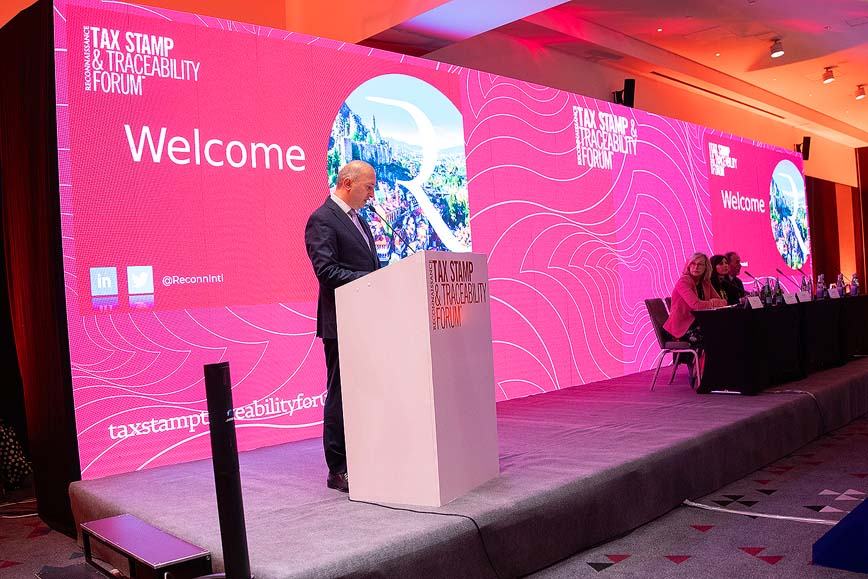
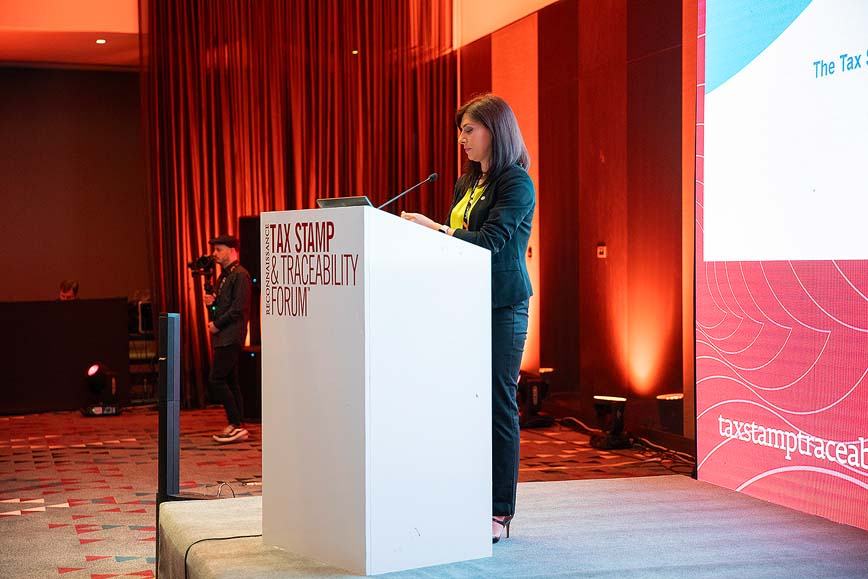
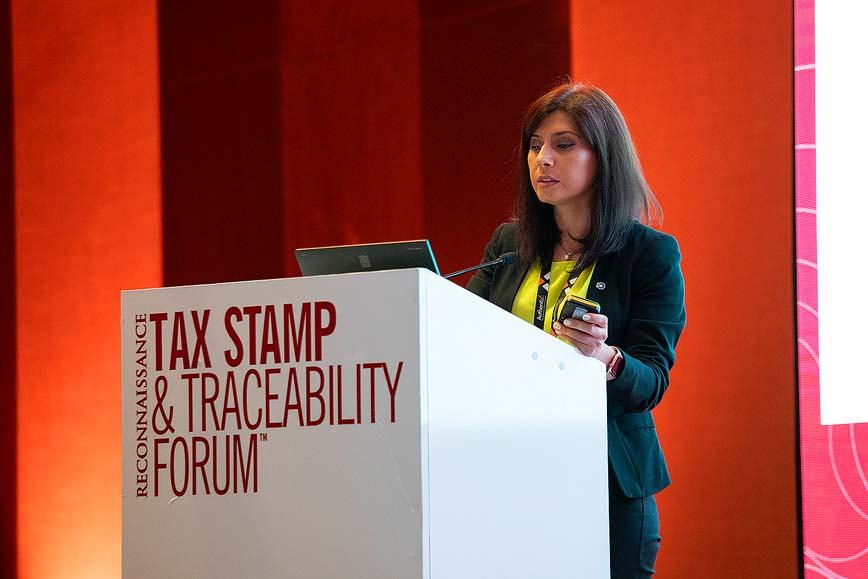
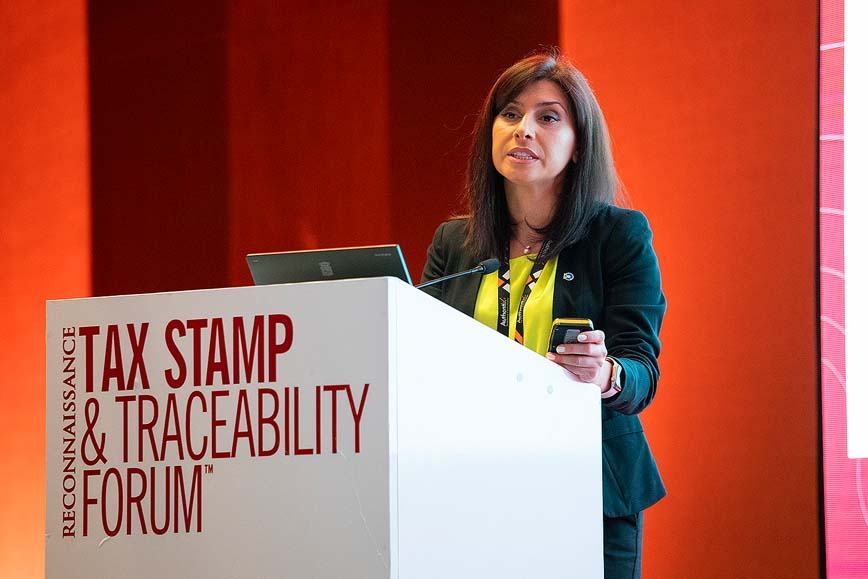
Tbilisi, Georgia · 1–4 October 2023

2023 Review

A Review of TSTF 2023 – More Greenfields, Please!
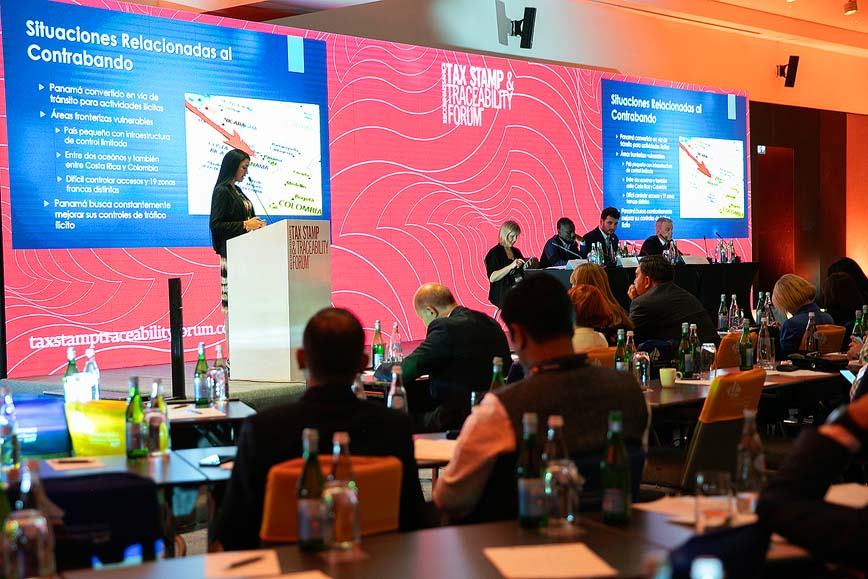
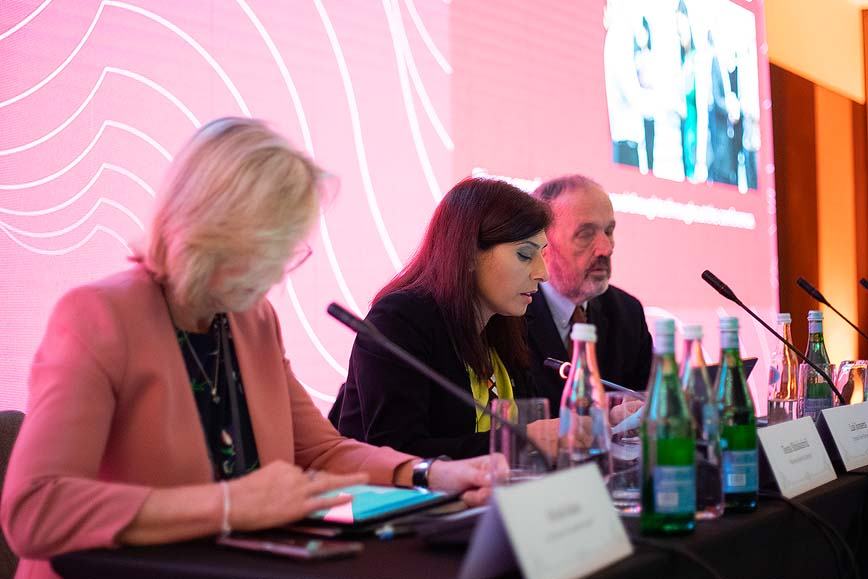
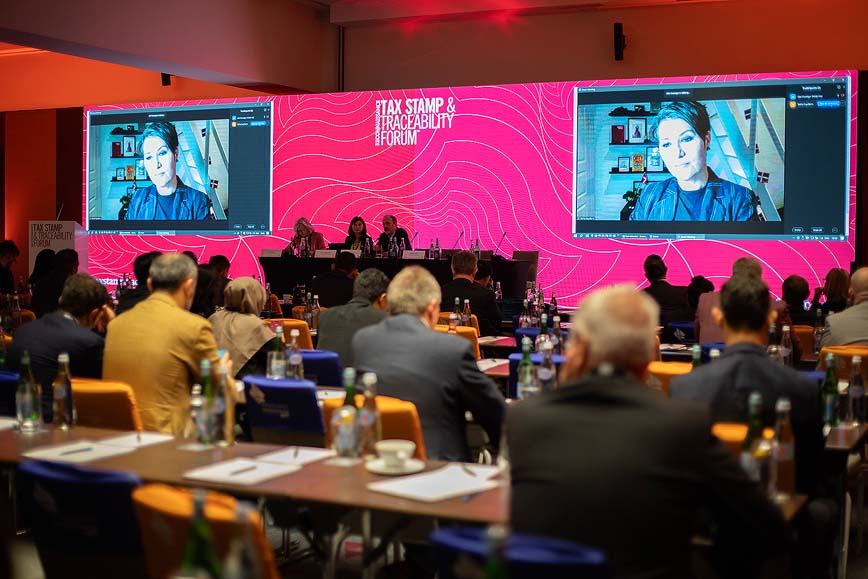
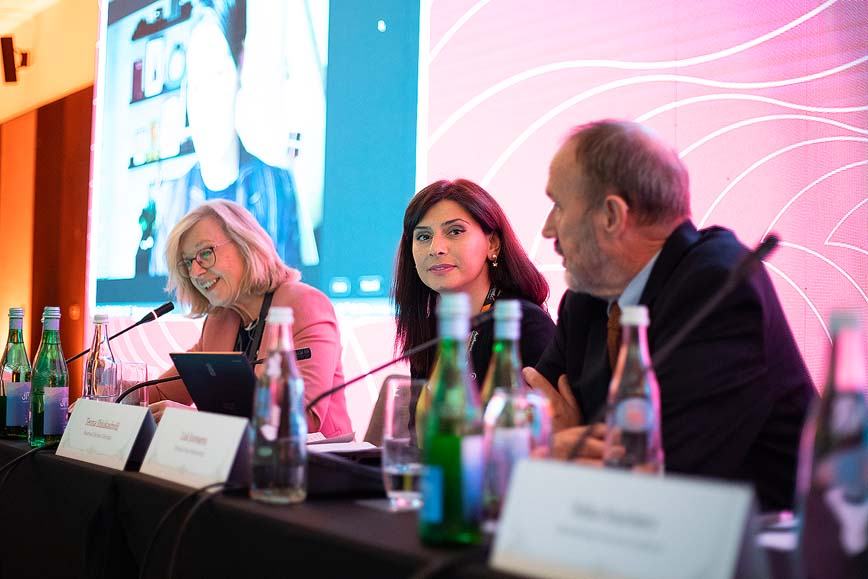
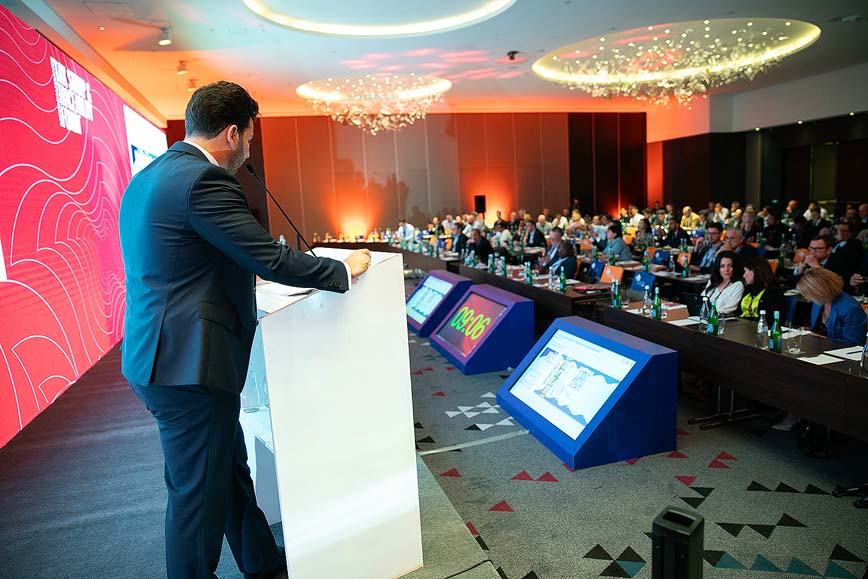
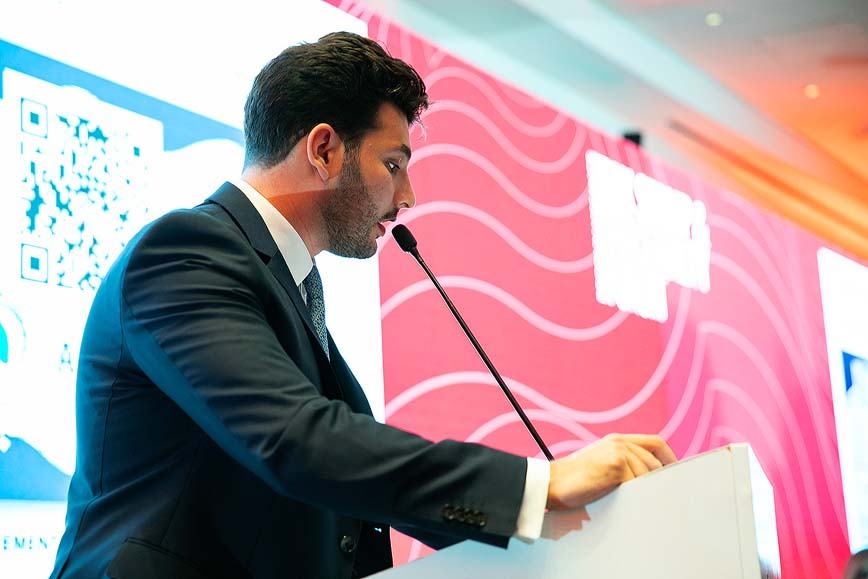
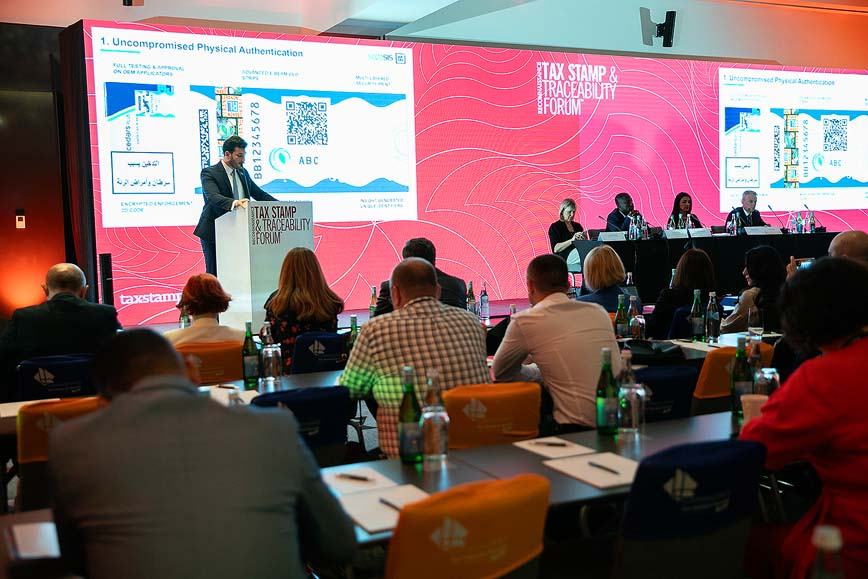
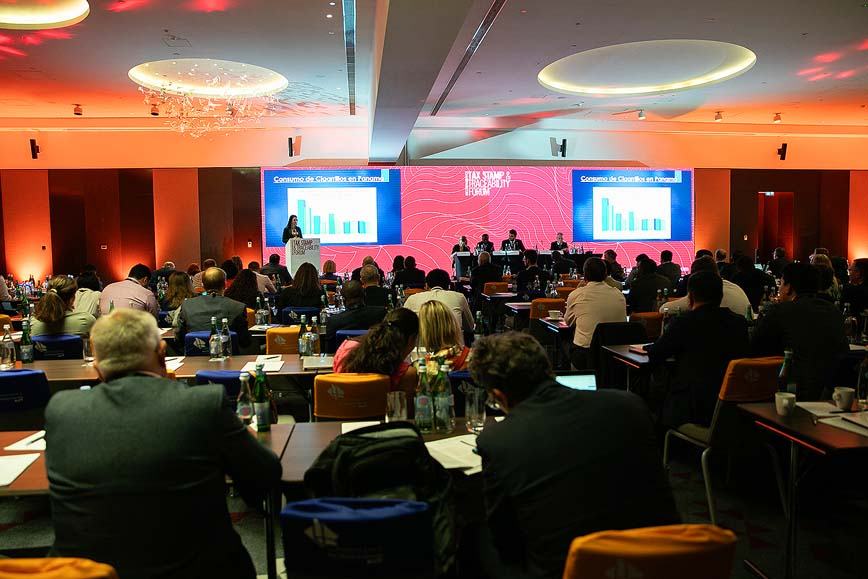
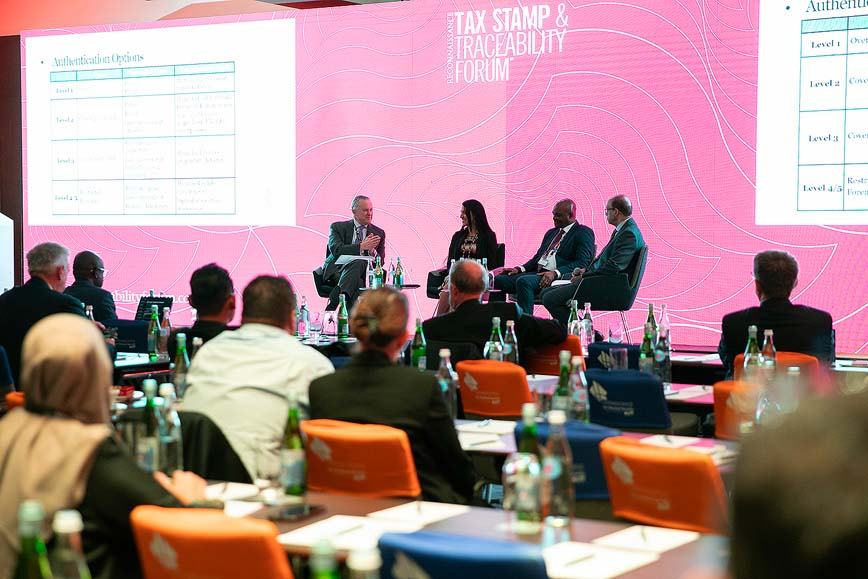
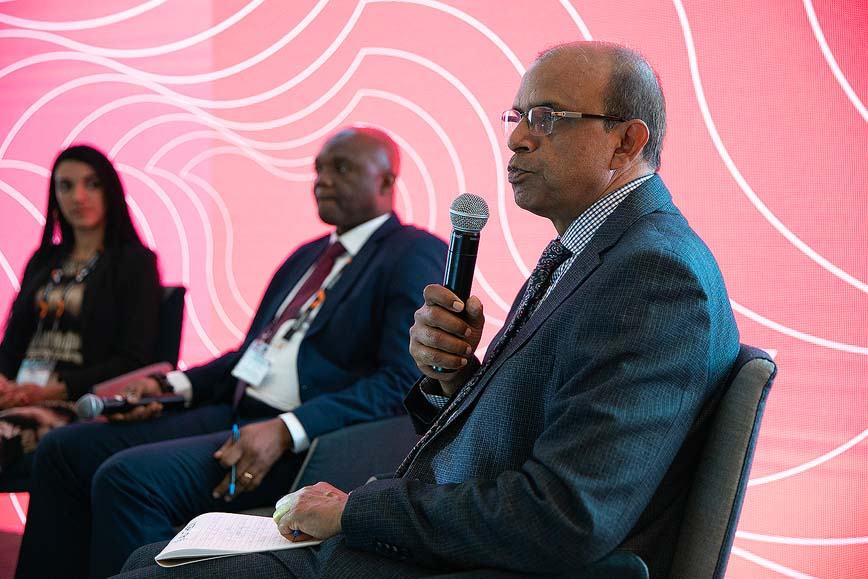
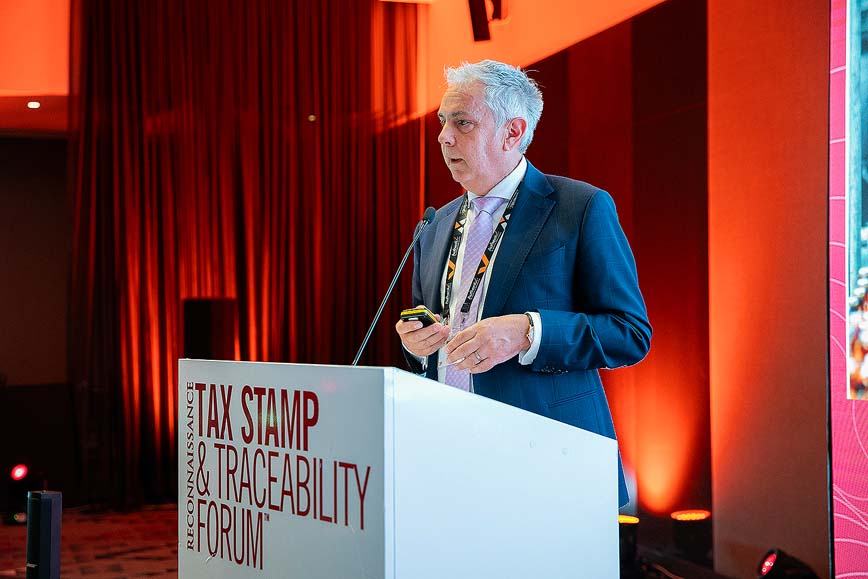
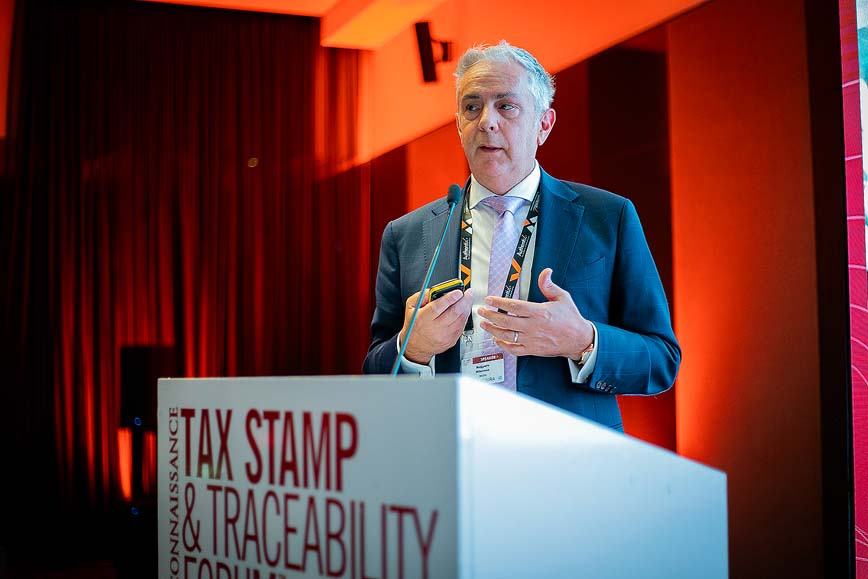
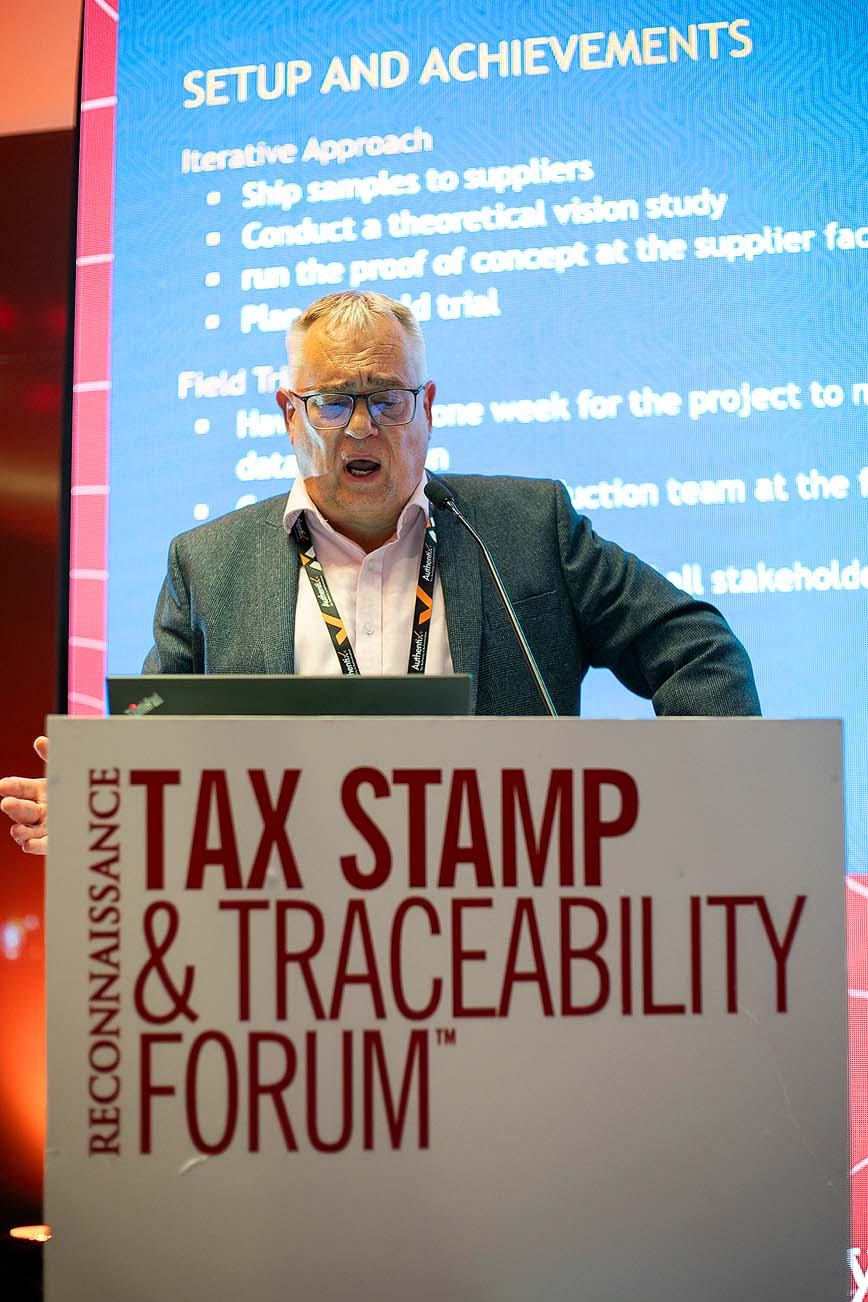
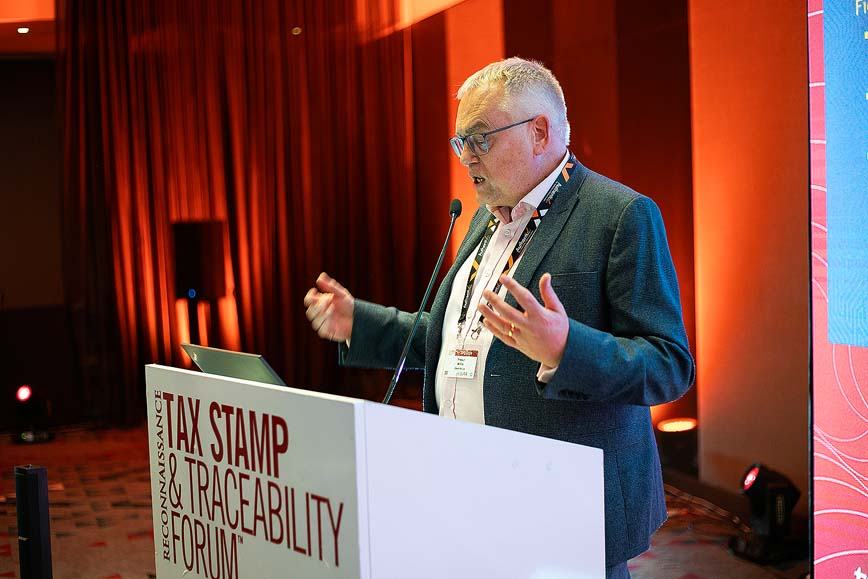
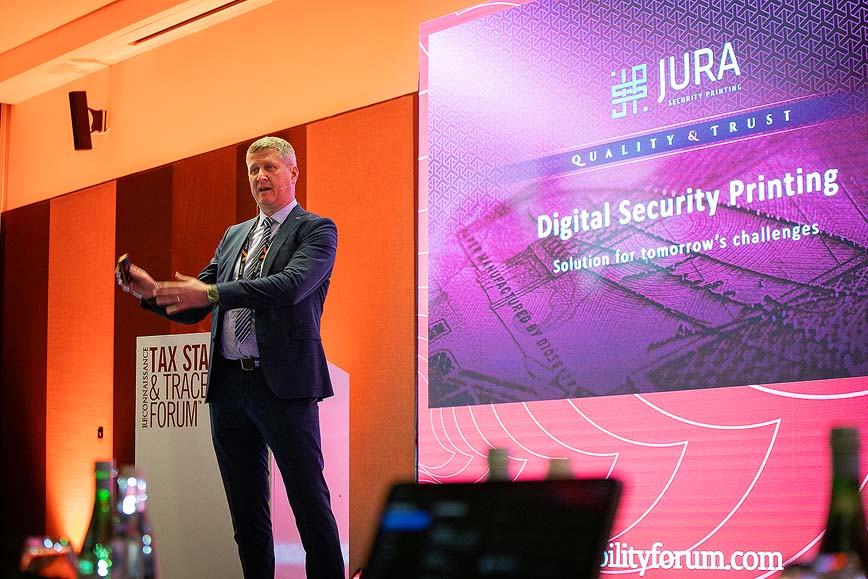
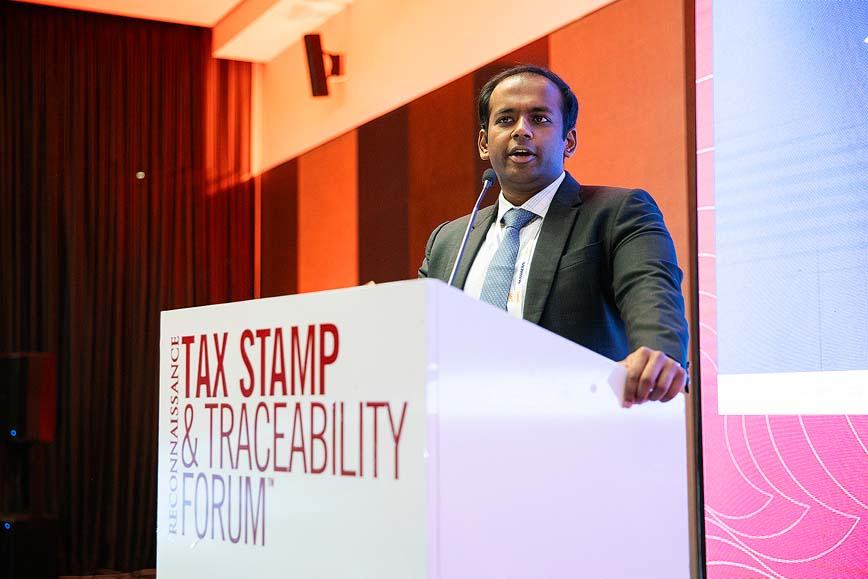
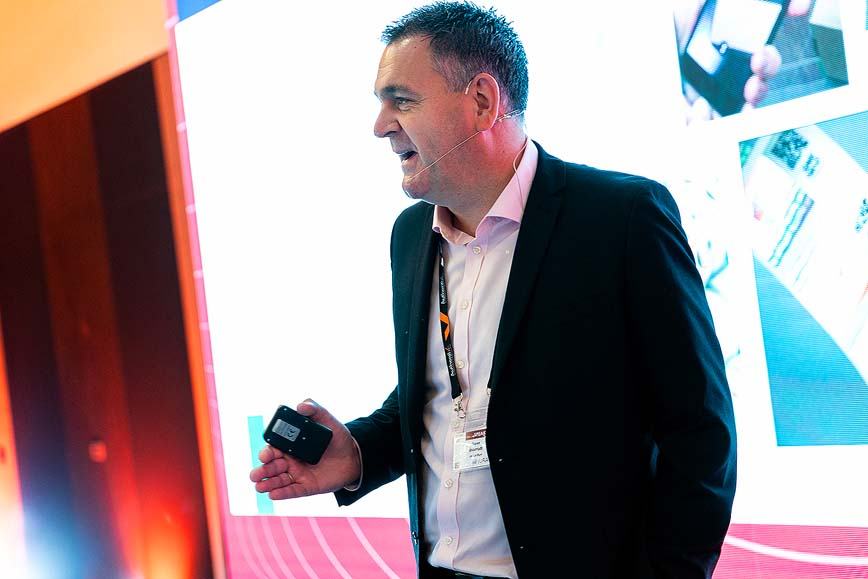
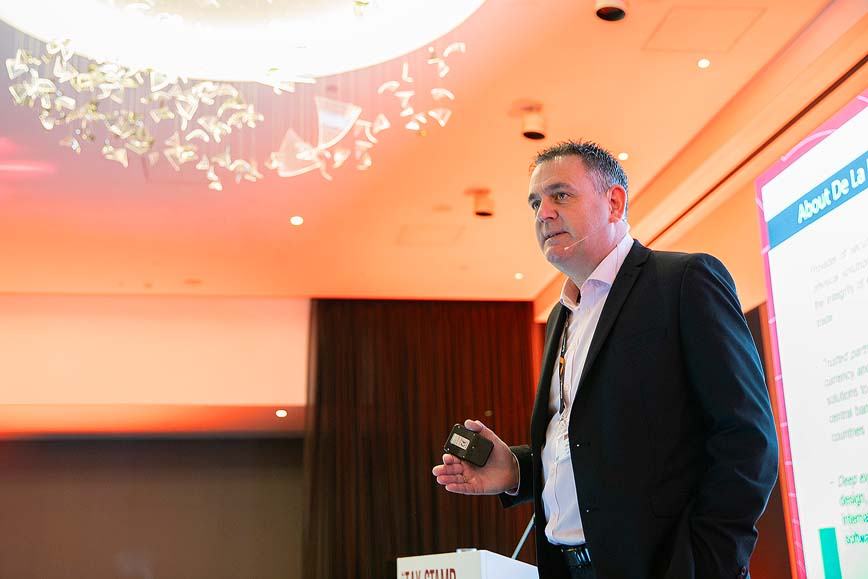
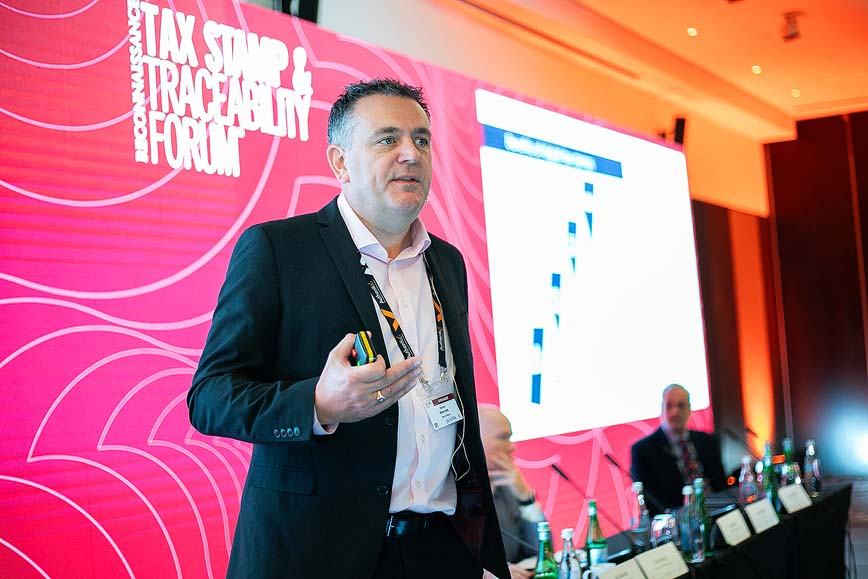
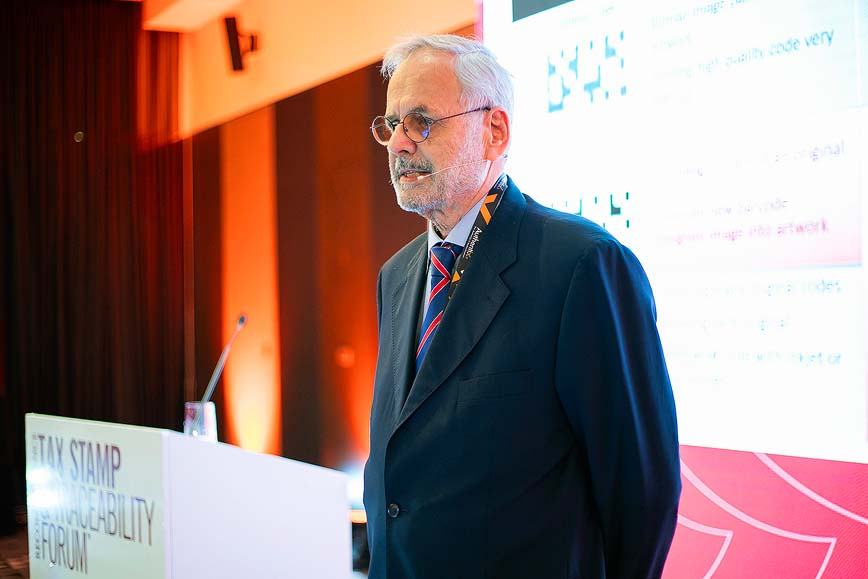
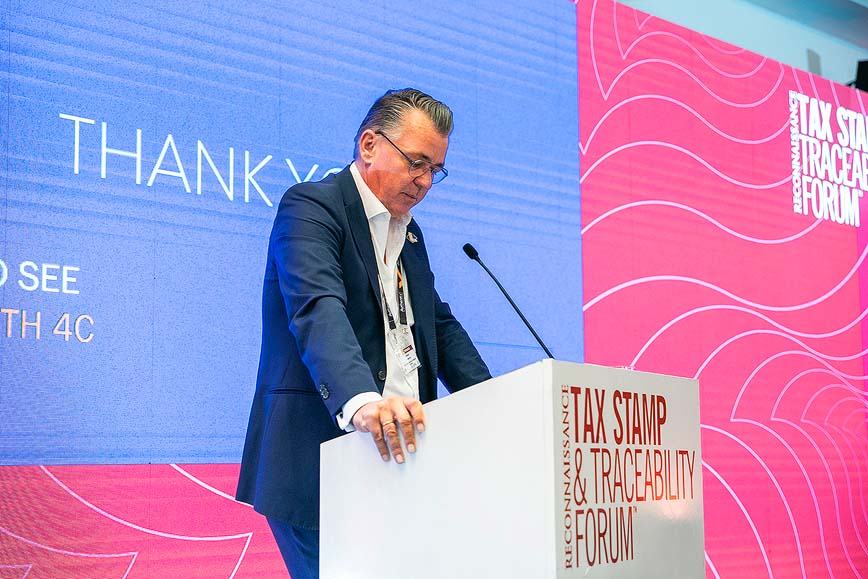
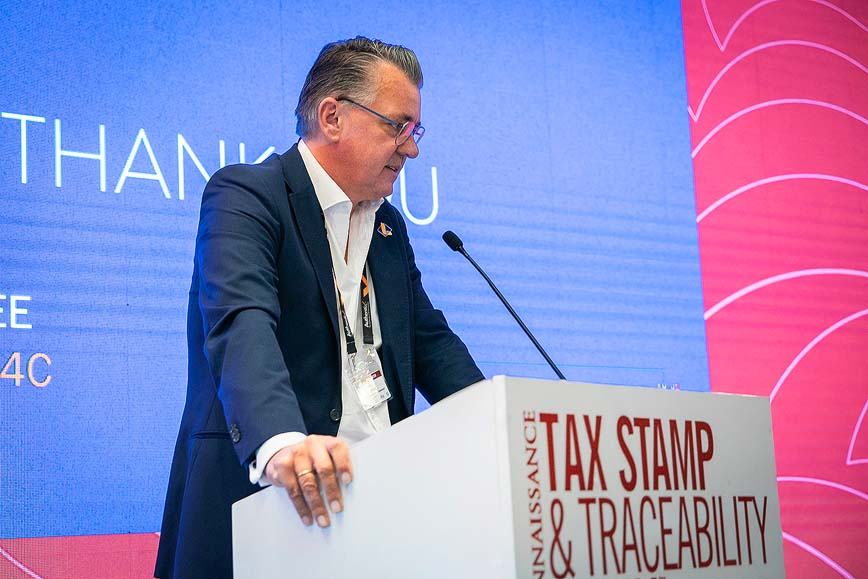
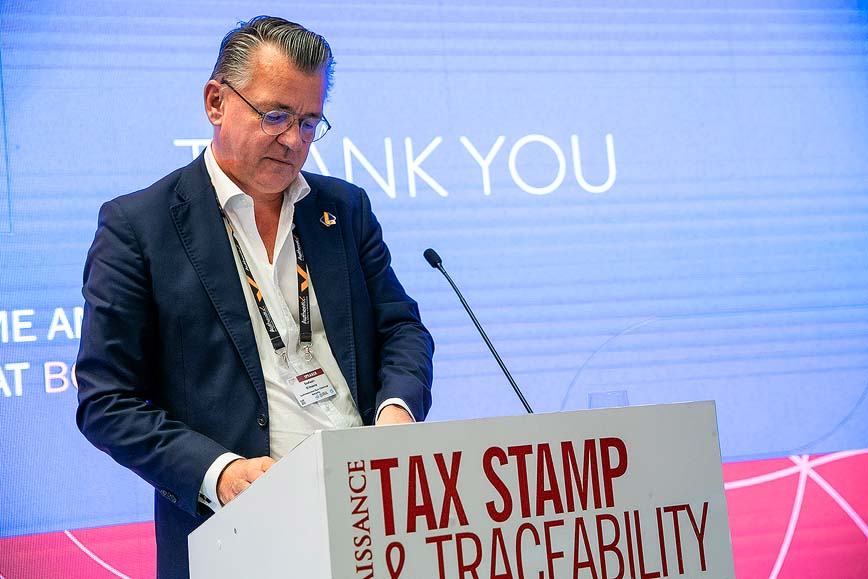
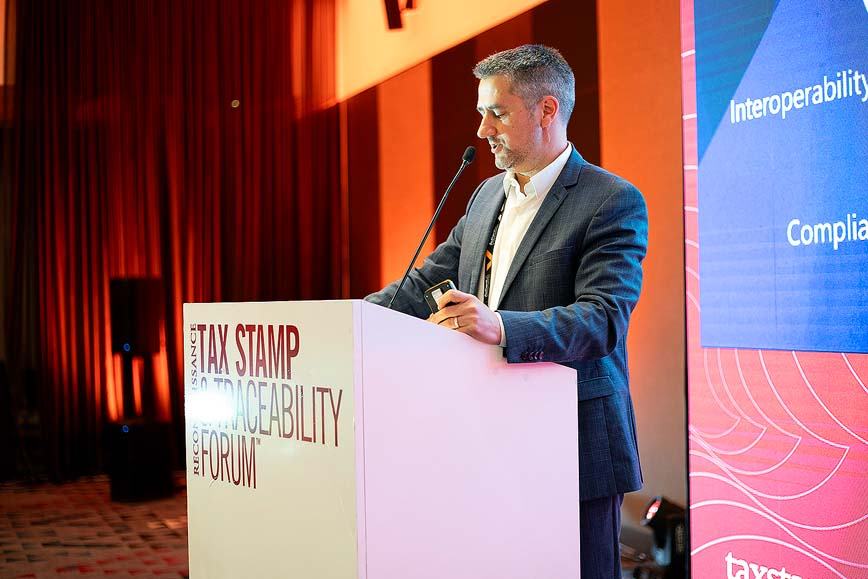
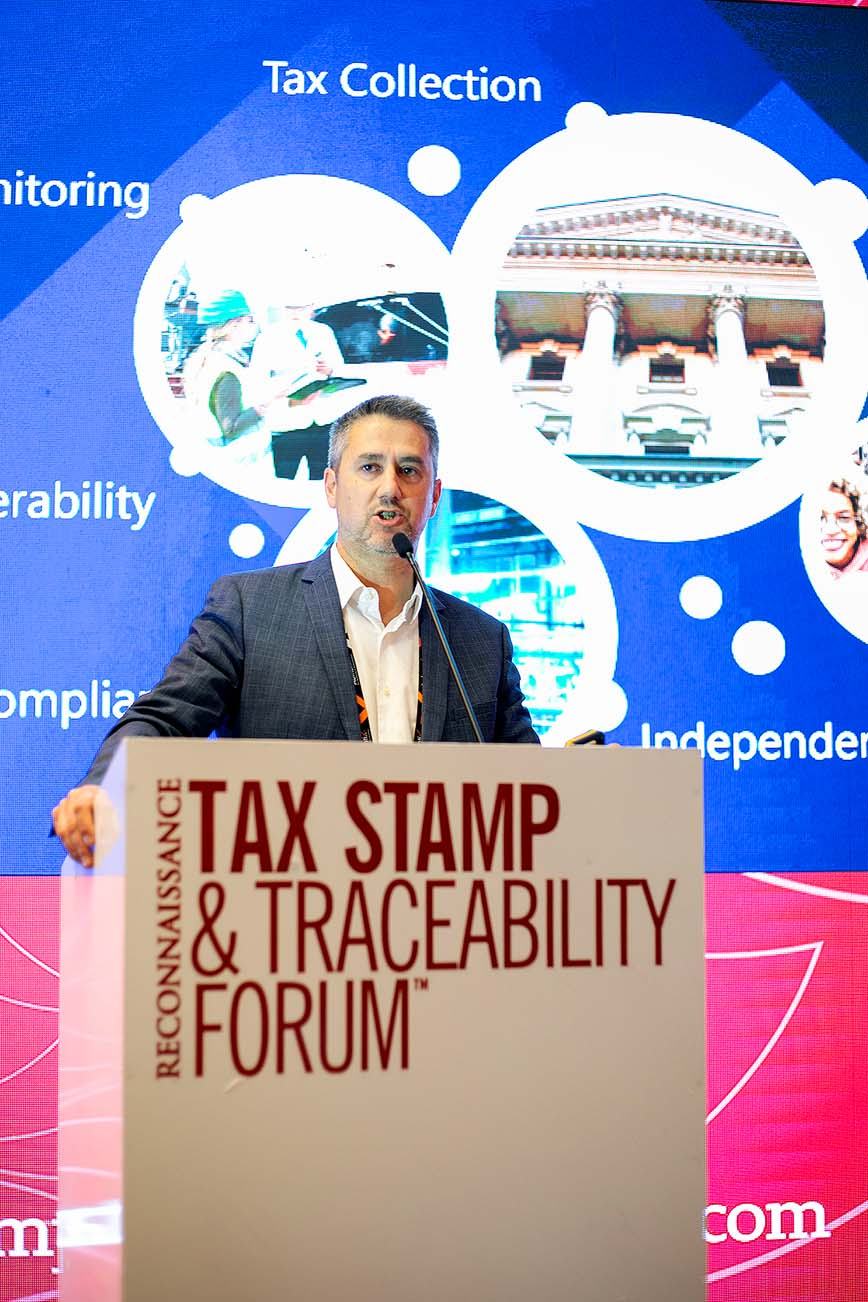
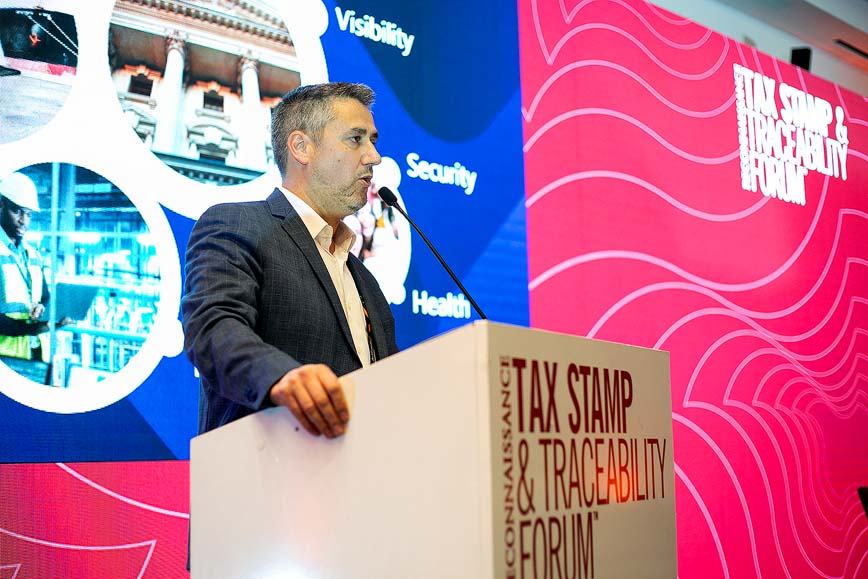
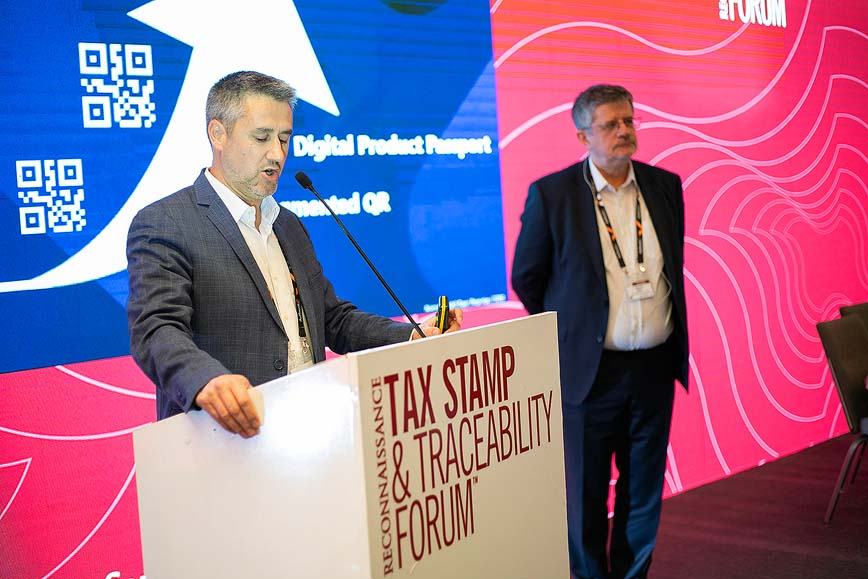
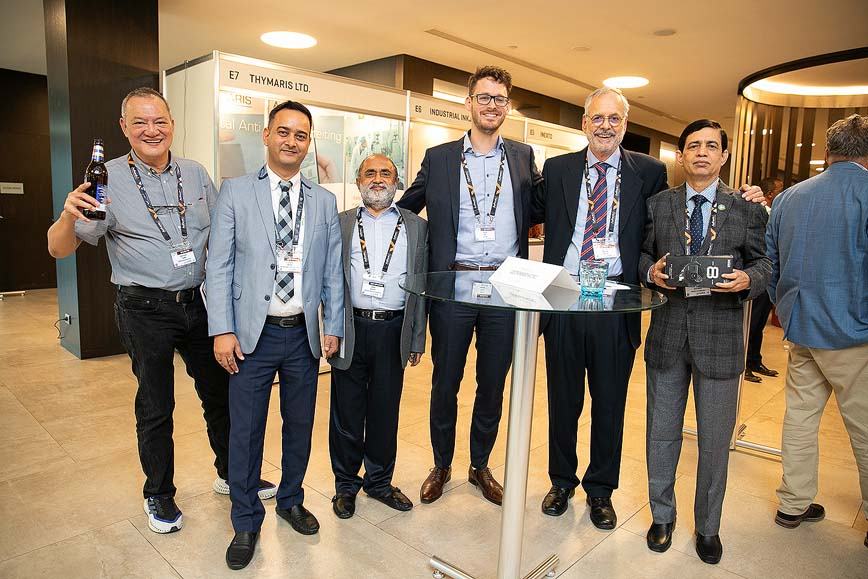
03 10 23 Conferece 046

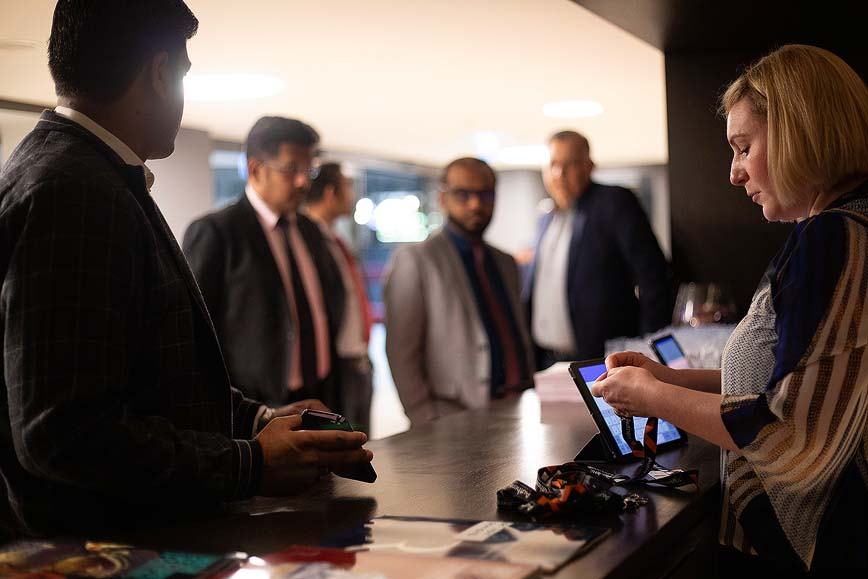
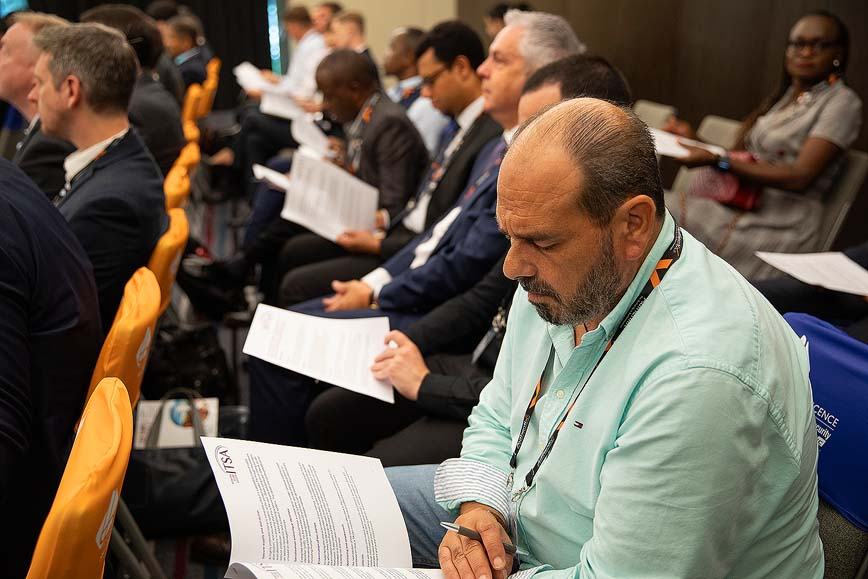
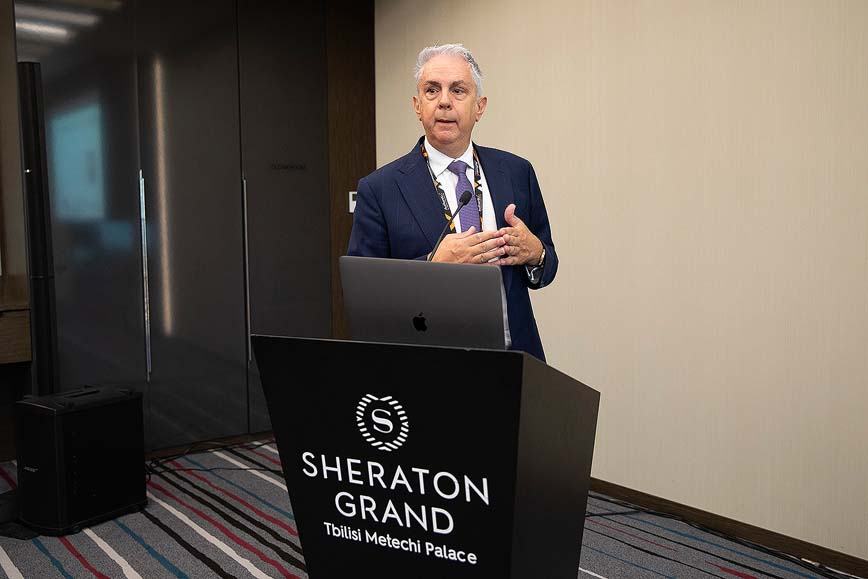
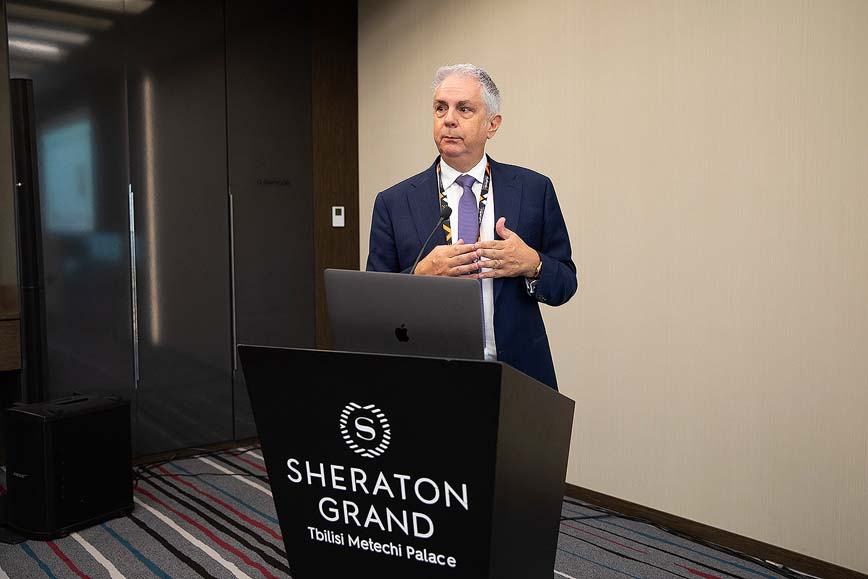
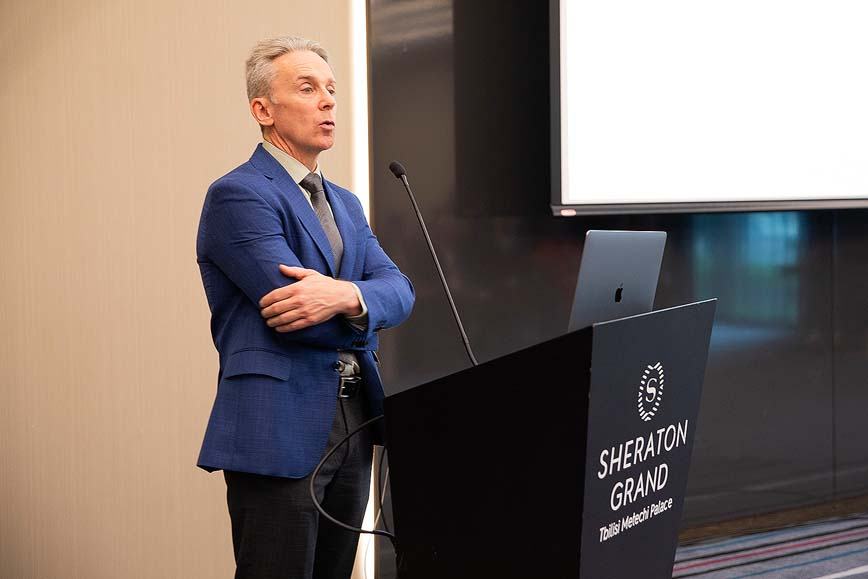
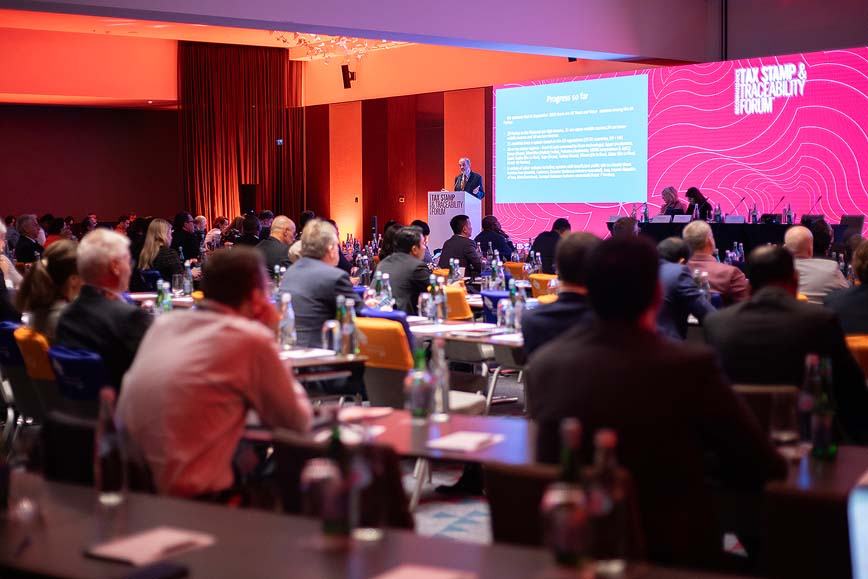
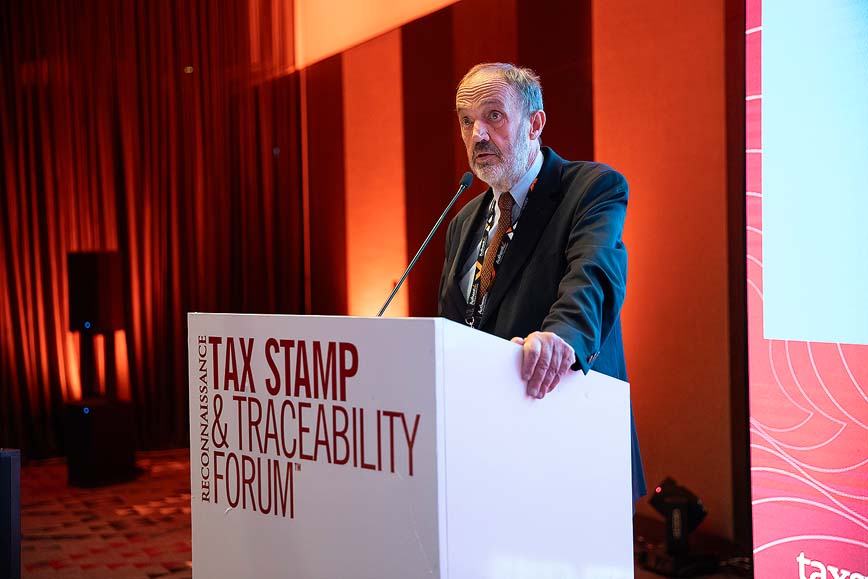
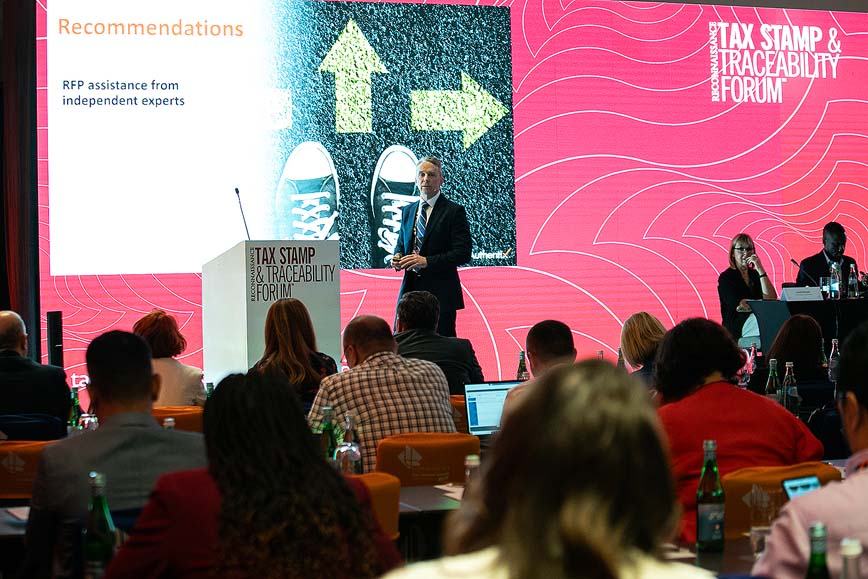
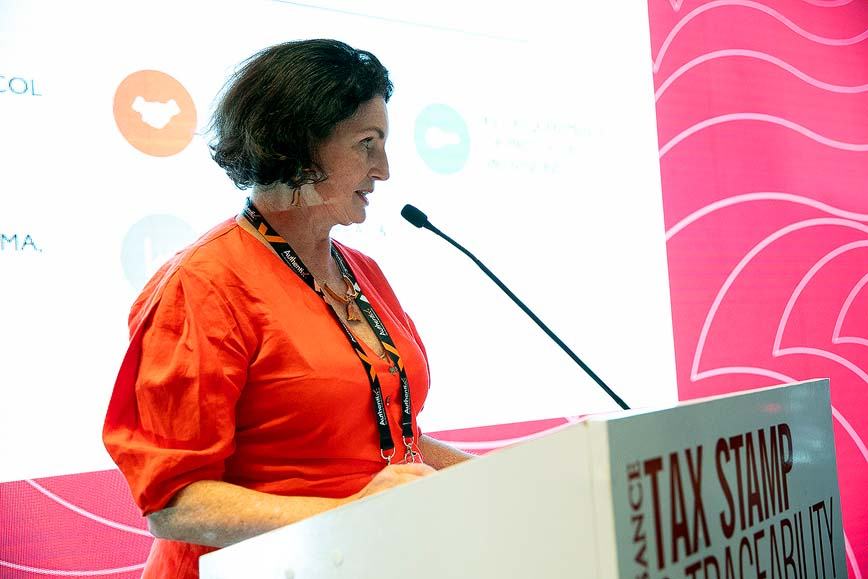
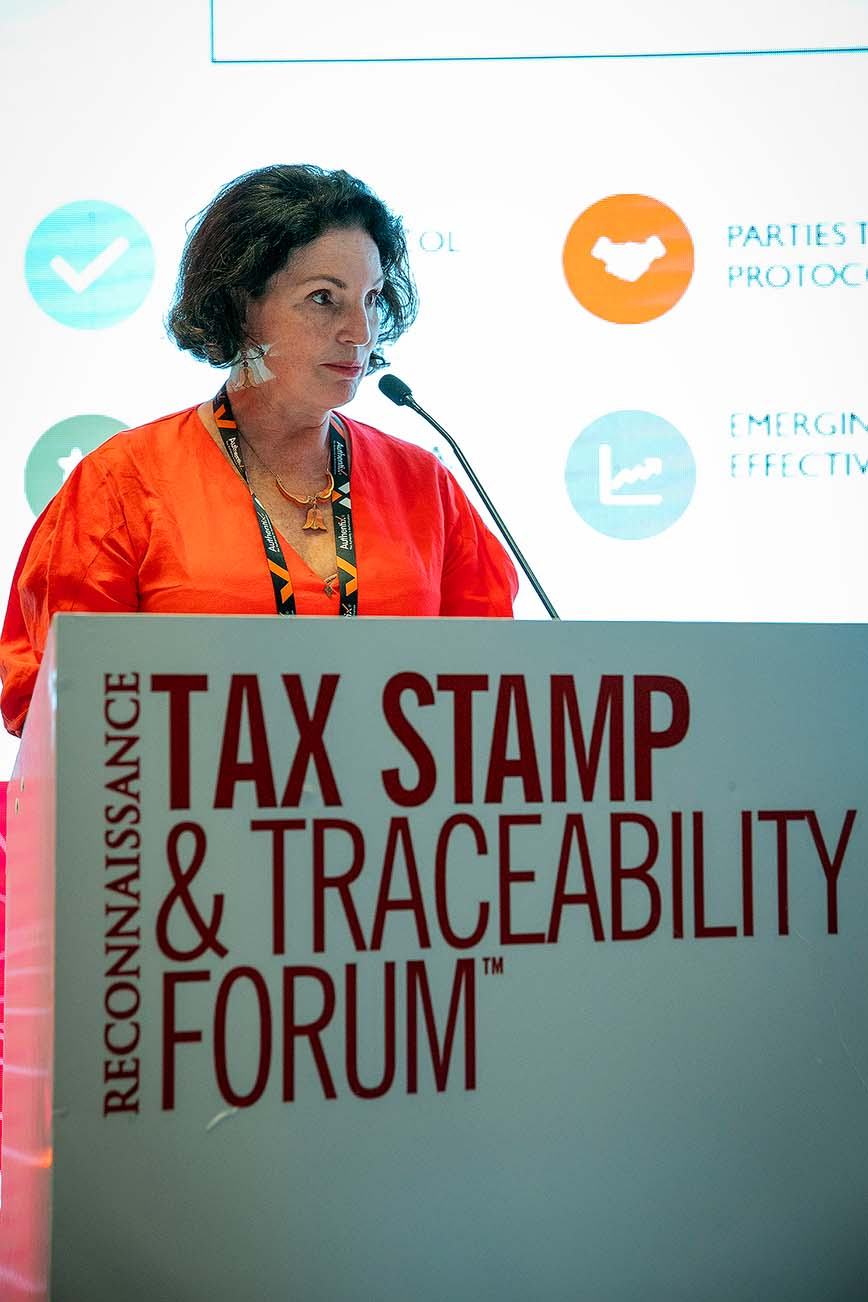
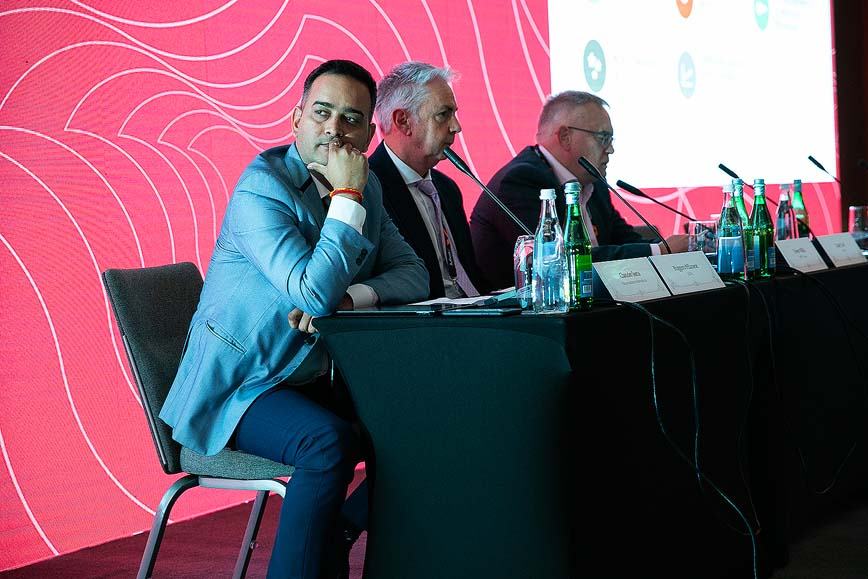
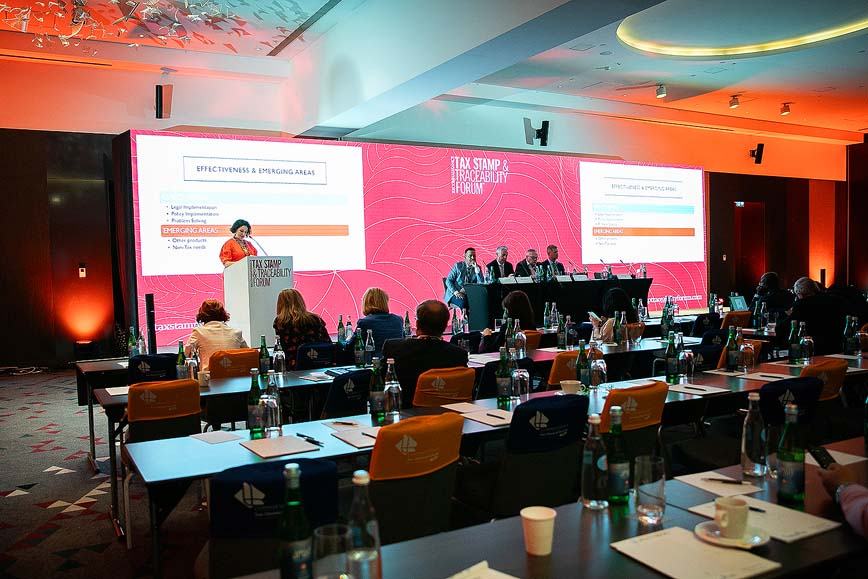
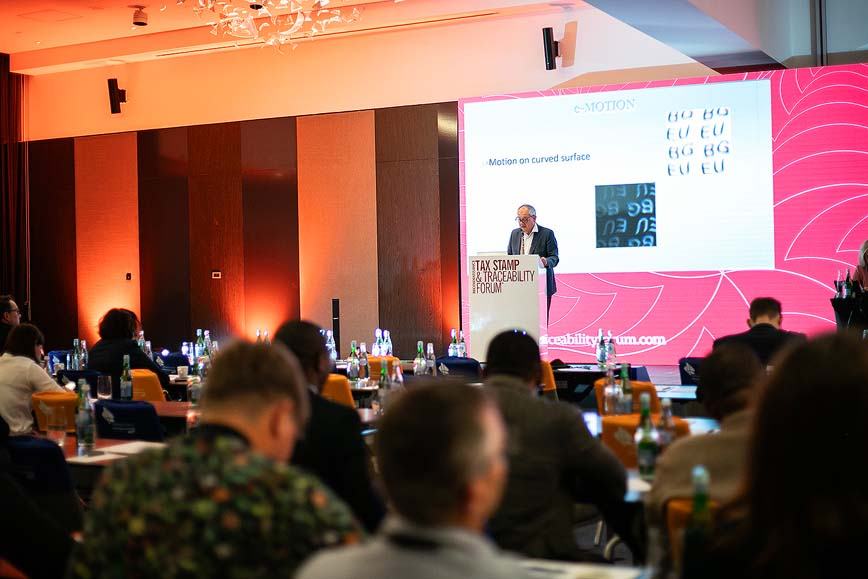
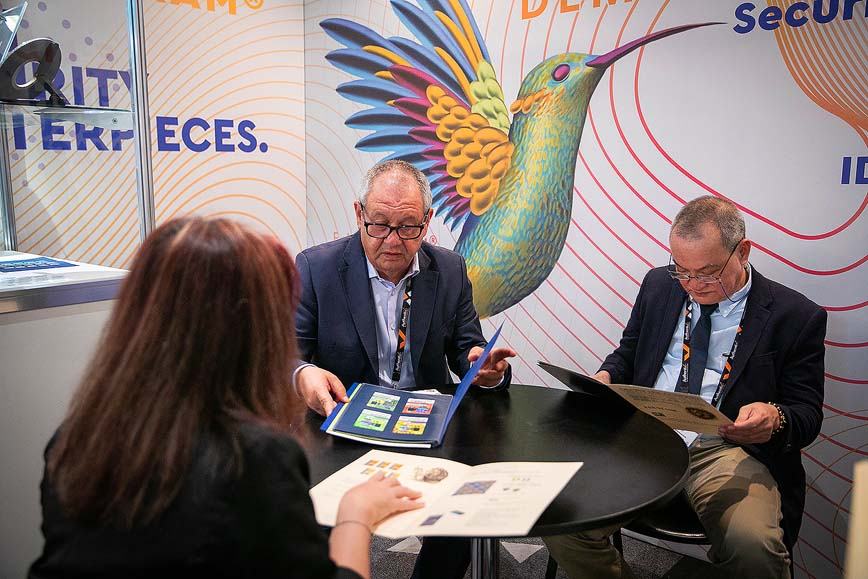
One of the best comments coming out of the 11th Tax Stamp & Traceability Forum™ (TSTF), held from 2-4 October in Tbilisi, Georgia, was from a revenue authority attending the forum for the first time. They said that now that they’d seen first-hand what they’d been missing by not attending this event, they would be sure to attend all security printing conferences in future.

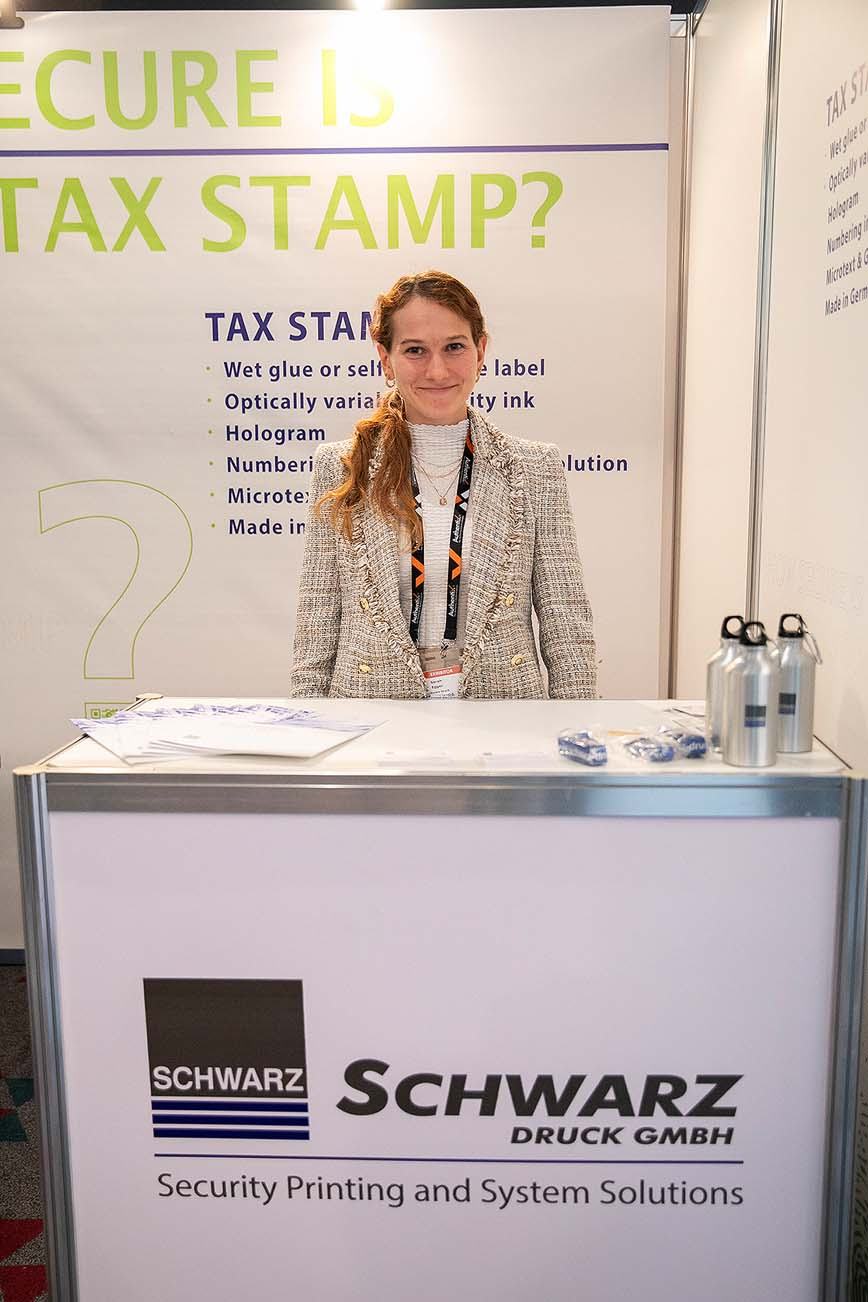
Another comment came from an exhibitor, who said it had been the best event in the Reconnaissance stable that he’d been to so far. When asked why that was, he replied: ‘lots of potential new customers’.

It’s true that there were plenty of revenue services registering this year, some of which we don’t often see at this event. These included Oman Tax Authority, General Tax Administration of Angola, State Revenue Committee of Armenia, Ministry of Finance Lebanon, Mongolian General Department of Taxation, Jordan Customs, and Ministry of Finance North Macedonia. All in all, 25 revenue and customs authorities registered for the event – a record number.

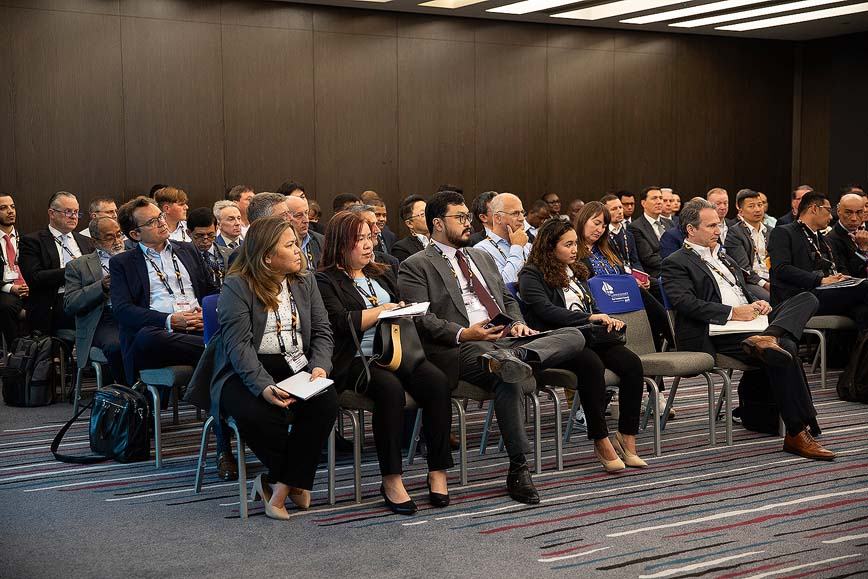
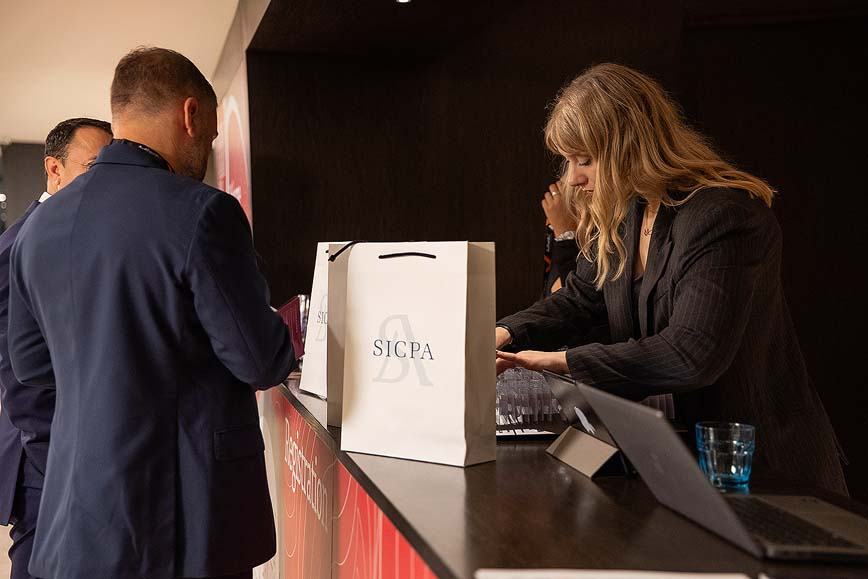
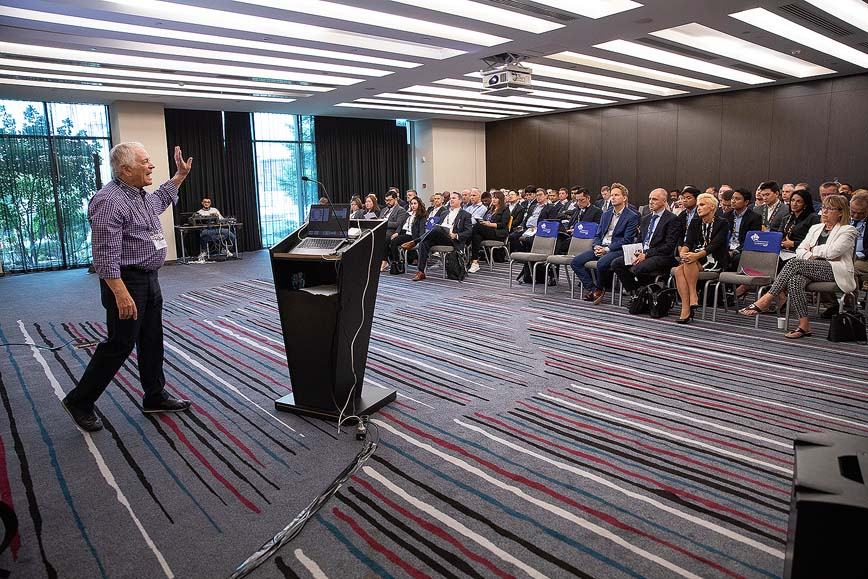
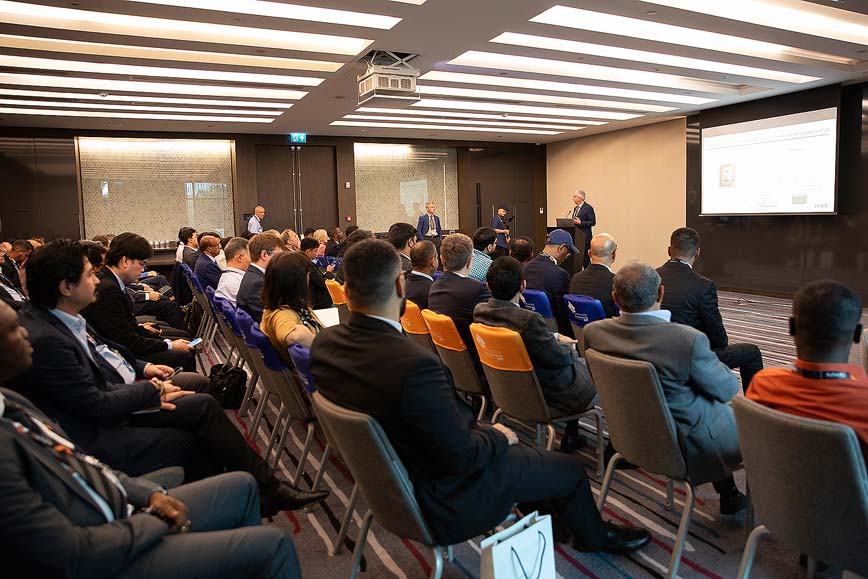
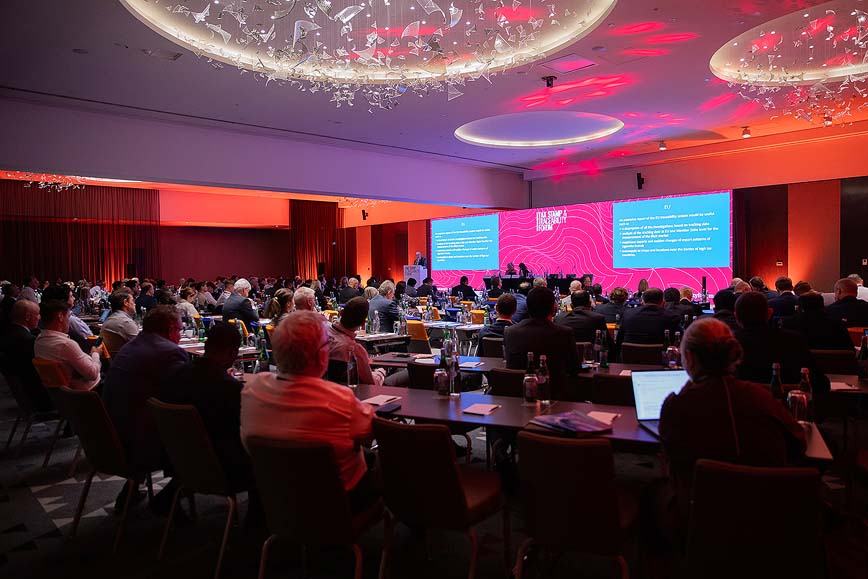
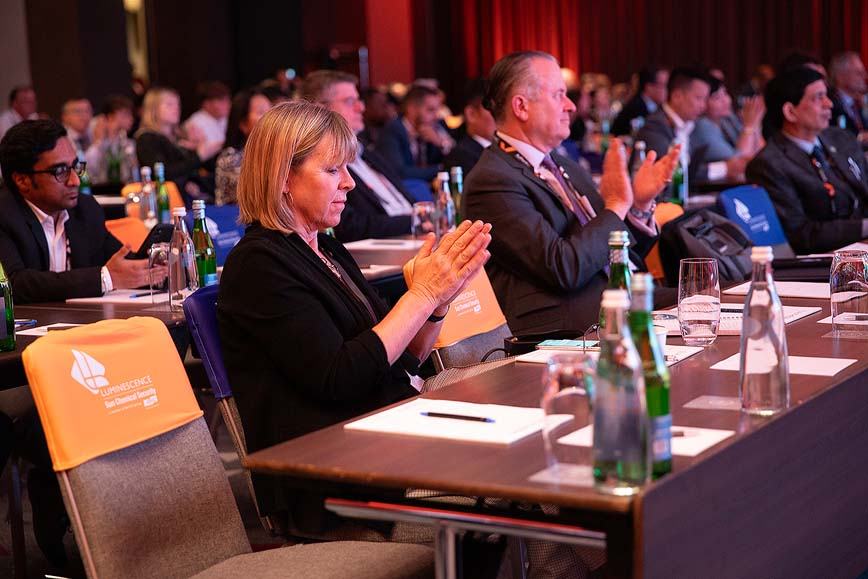
As far as total attendance was concerned, 213 registrants from 92 organisations in 45 countries signed up for TSTF 2023, representing 10% more people and almost 30% more countries than in 2022. In fact, this was one of the best forums in terms of attendance, which is a good indication that conferences are now back in full force.

Of particular importance for the sponsors of TSTF was the fact that several revenue authorities represented countries that hadn’t yet implemented tax stamps and track and trace – or that were looking to significantly upgrade and expand their existing programmes.

Having said this, some sponsors remarked that we could have done even better, by drawing more of the ‘greenfield’ countries to the conference – ie. those countries with nothing yet implemented.

This is why, going forward, Reconnaissance, with the support of the International Tax Stamp Association (ITSA), will implement a dedicated campaign to increase attendance by these key target countries at the next TSTF.

Another point that came across during the different discussions was that we should introduce a meeting for revenue and customs authorities only, as a platform for them to exchange experiences and ideas without suppliers being present. The aim of this is to make such exchanges freer and less guarded, and we will therefore be looking to incorporate this type of meeting in the next TSTF.


Key themes

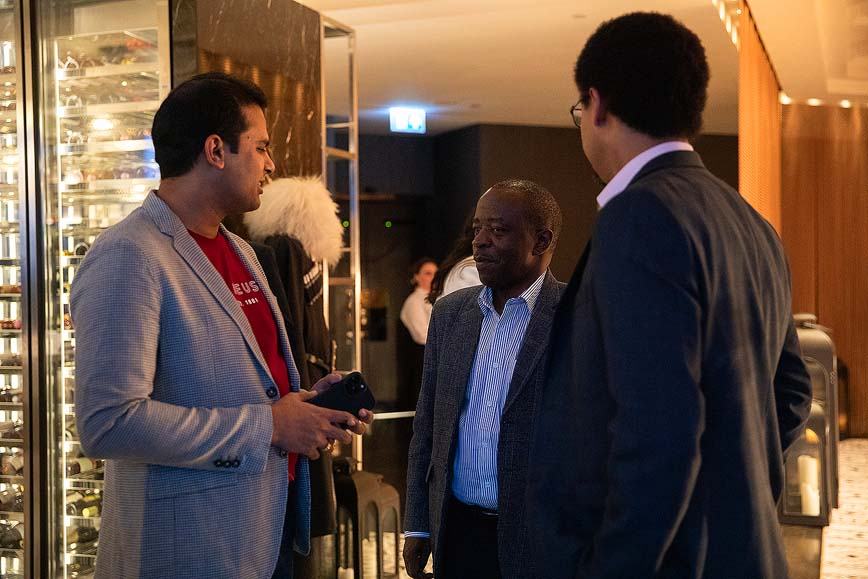
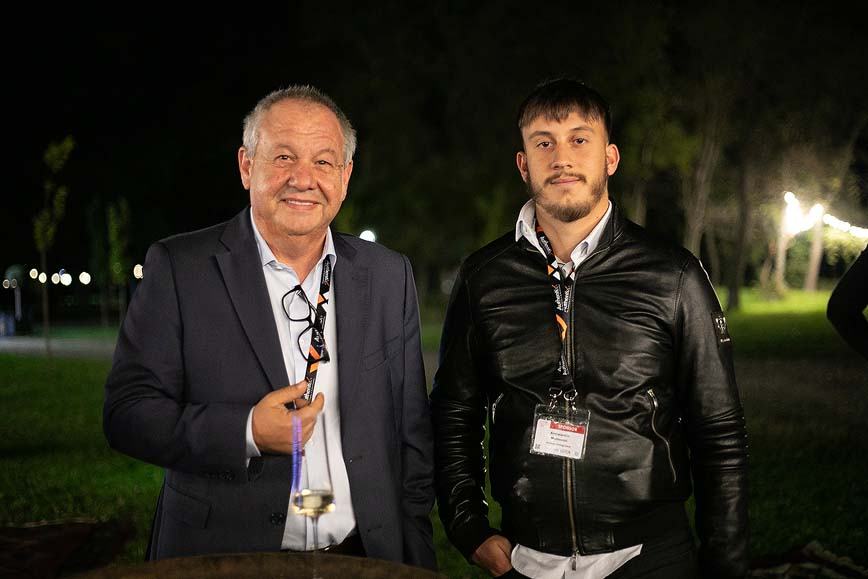
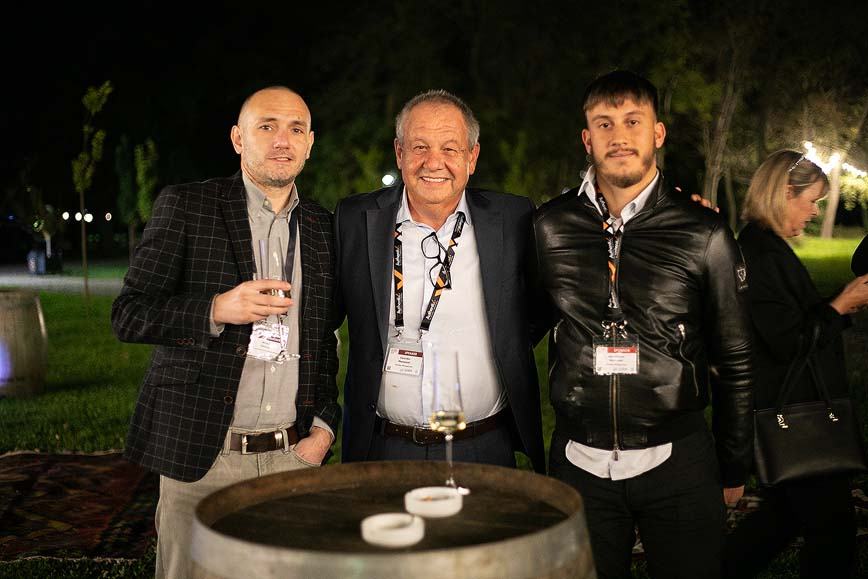
03 10 23 GalaDinner 001

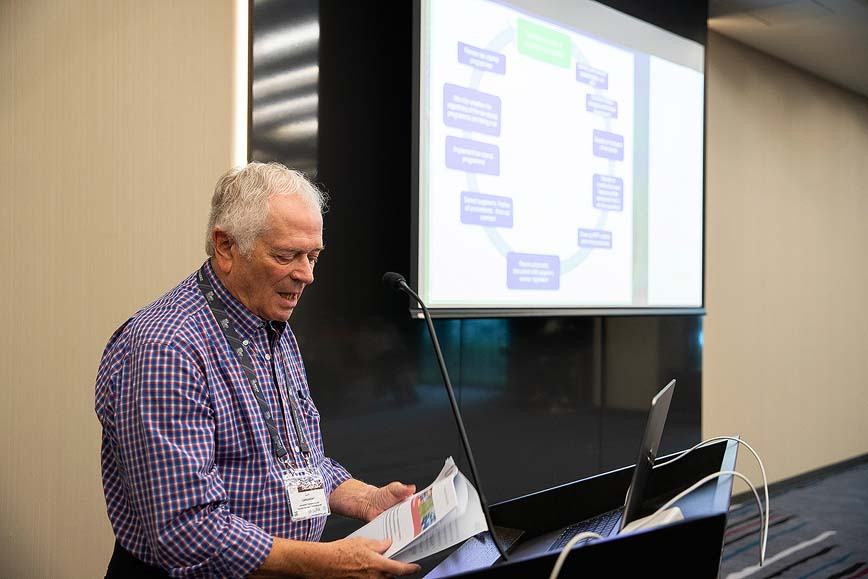
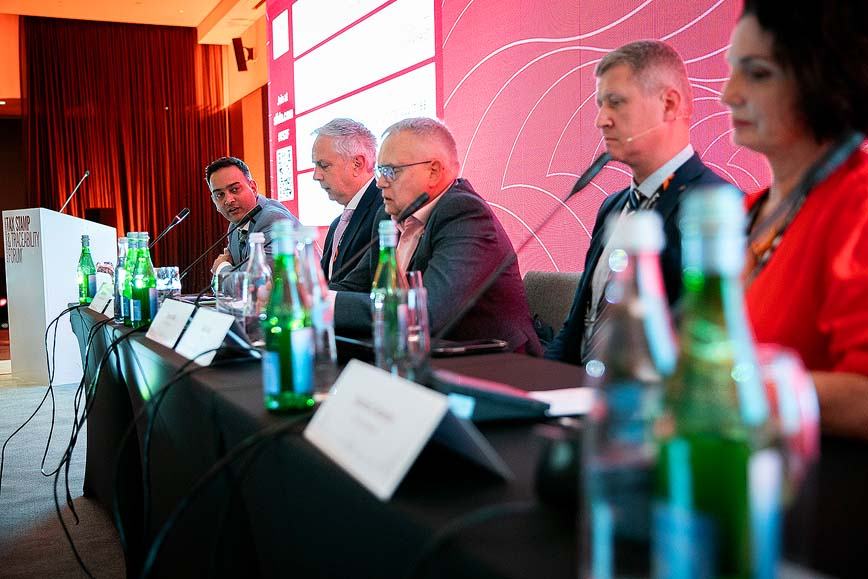
A number of key themes emerged from the presentations, panel discussion, and workshops at the conference.
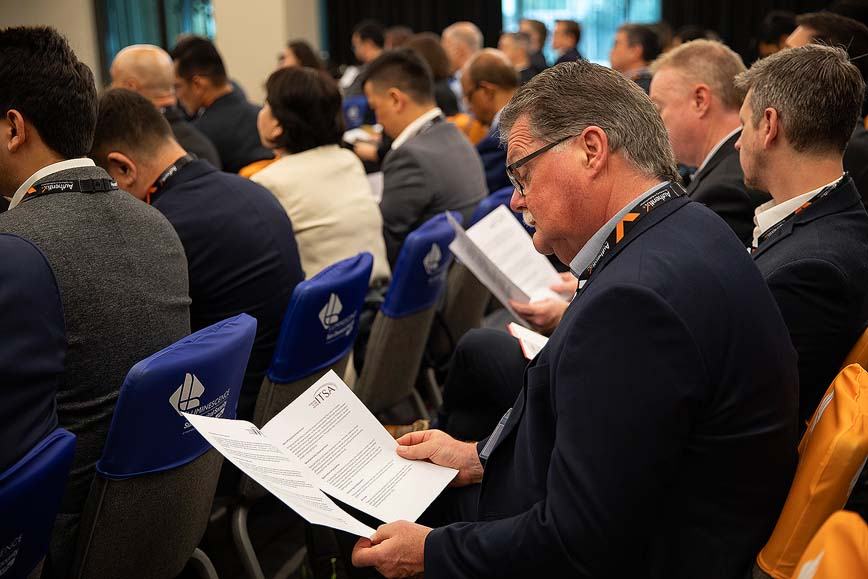
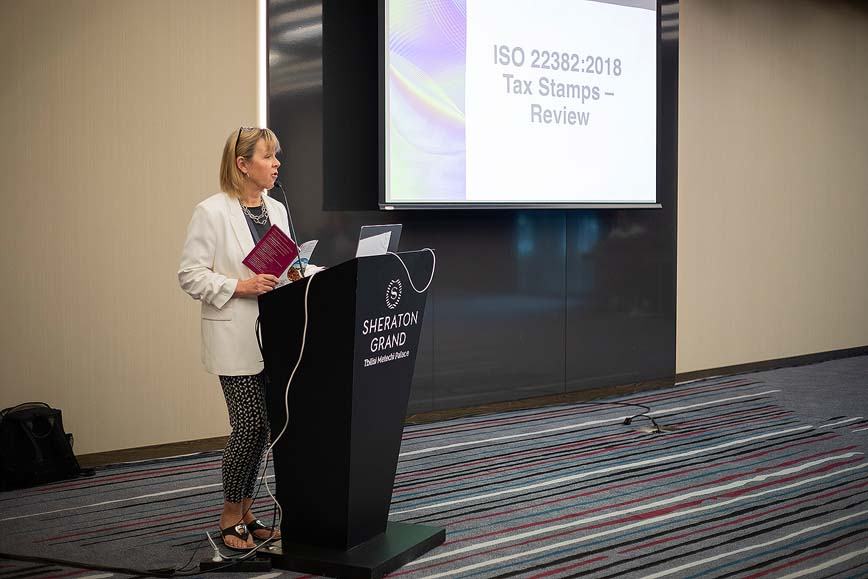
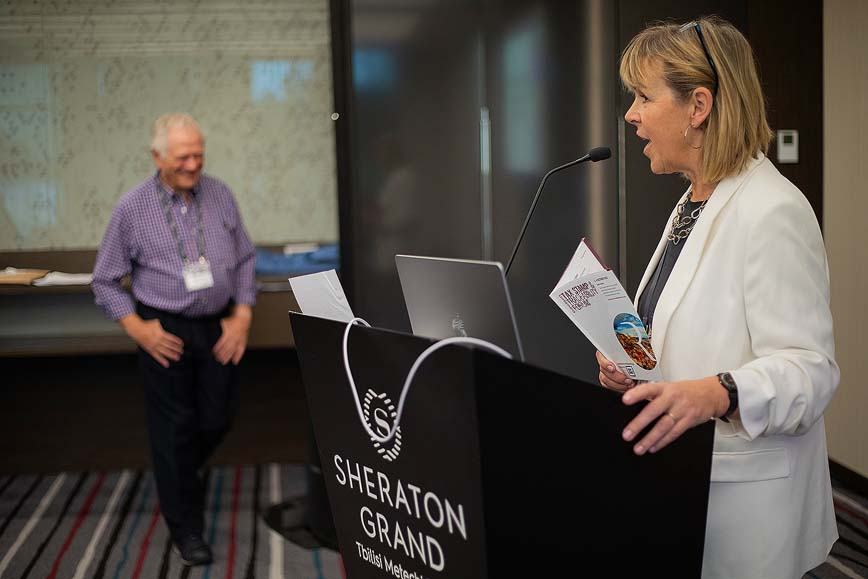
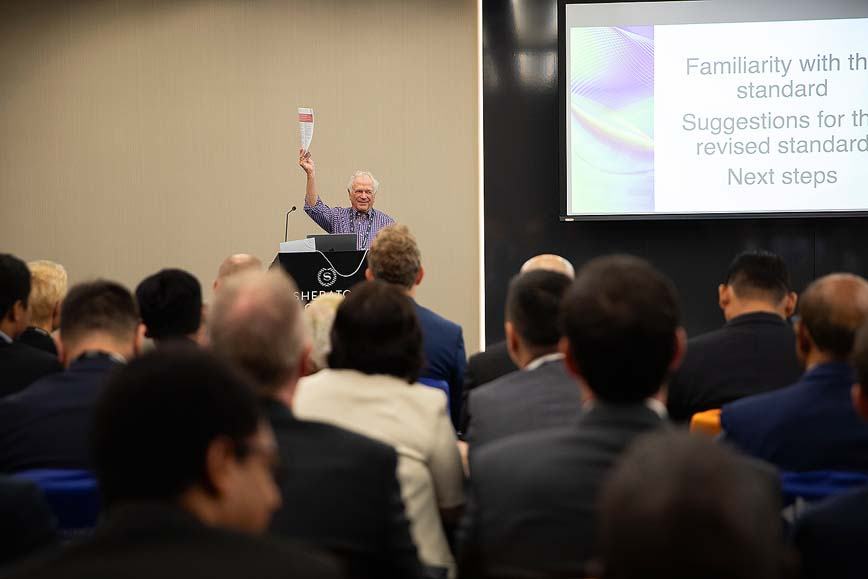
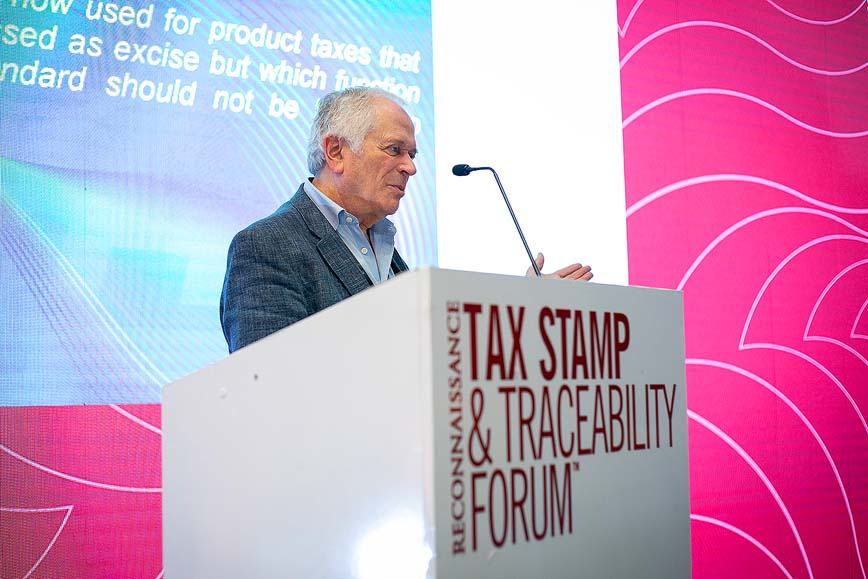
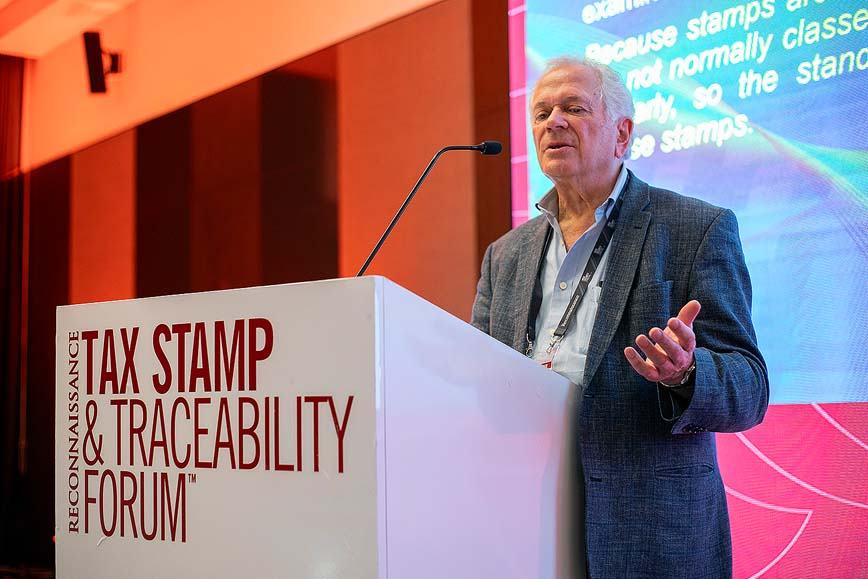
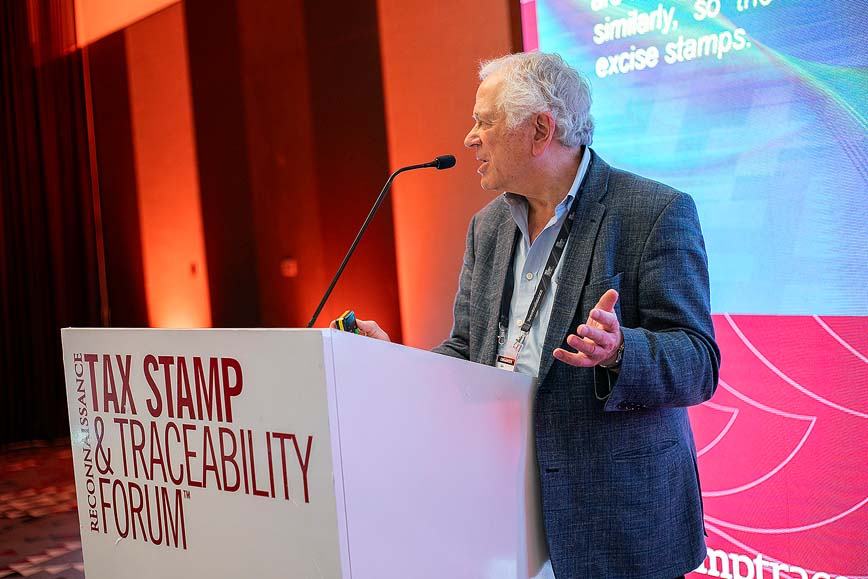
One key theme was the review of the tax stamp ISO standard 22382, which had its own pre-conference workshop. Ian Lancaster, Project Leader for the ISO review led the workshop, with the intention of gathering attendees’ views and ideas on what should be changed, taken out of, or added to the standard. One suggestion was that 22382 should include more recommendations related to track and trace systems, given that such systems are increasingly associated with tax stamp programmes.

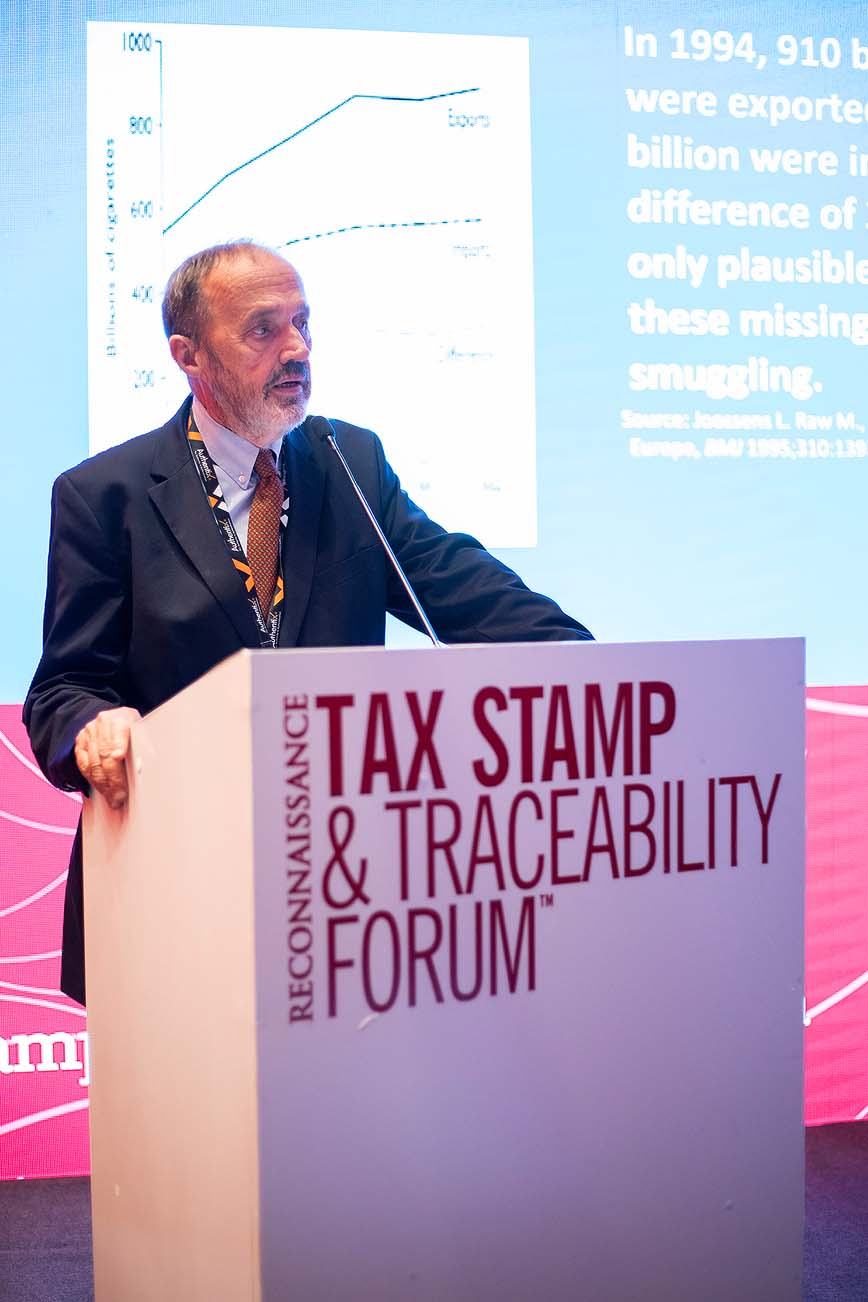
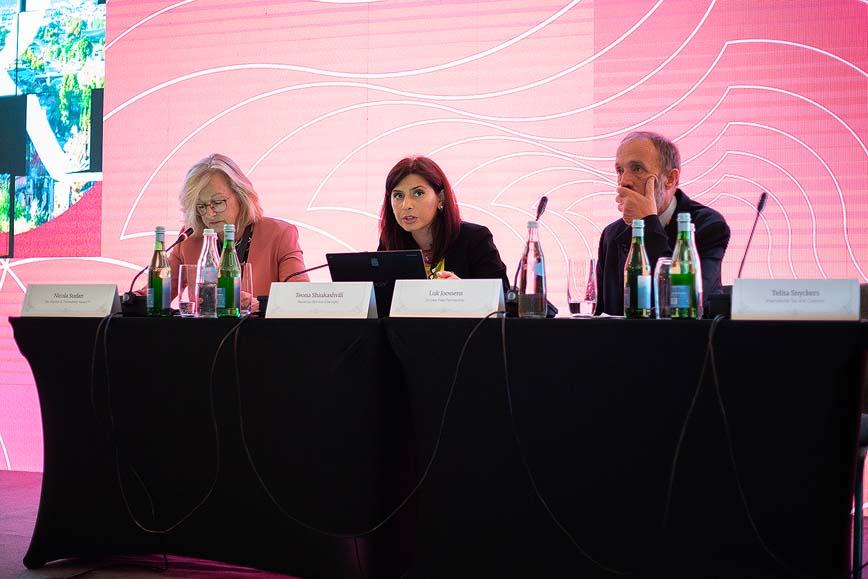
Another theme that was extensively discussed was the implementation of the track and trace system and global information sharing point mandated under the WHO FCTC Protocol to Eliminate Illicit Trade in Tobacco Products. There are currently 68 parties to the Protocol and most of them should have implemented track and trace by September 2023 – which is unfortunately not the case, as Luk Joossens from Smoke Free Partnership pointed out in his presentation on the global status of implementation of the Protocol.

Still on the subject of the Protocol, ITSA held a pre-conference seminar for revenue authorities and ITSA members, where it used two real-case examples to demonstrate how countries with tax stamp programmes already in place could use these programmes to exchange track and trace data in line with Protocol requirements. One key point raised during the seminar, by Luk Joossens, was that not enough countries were extending their tax stamp programmes to include export products, with the result that these unmarked, unmonitored products could be easily diverted to illicit channels.

A third key topic looked at what really happens in the field in terms of tax stamp inspection. Francisco Mandiola of FMA Secure was joined by Ghana, Mauritius and Panama revenue authorities to talk about their countries’ on-the-ground experiences.

High on the agenda as well was the use of direct marking programmes on beverages. Apart from presentations by SICPA and Optel Group, revenue authorities were treated to a tour of a nearby brewery where they could see direct fiscal marking on beverages in action.

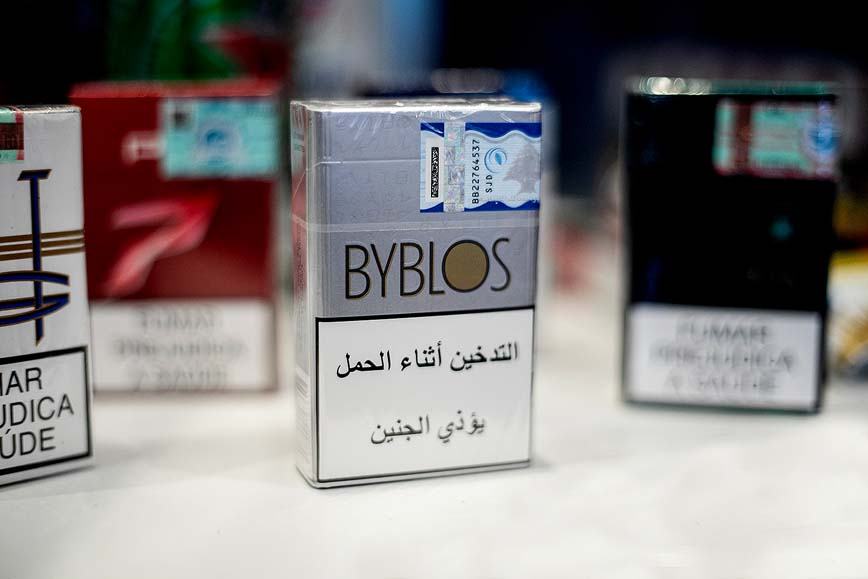
Finally, the conference covered a wide range of country case studies, including recreational cannabis legalisation in Canada, Lebanon’s new tobacco authentication and traceability programme, insights from implementing tax stamps across the countries of the Gulf Cooperation Council, and the extensive system used by our hosts, Georgia Revenue Service.

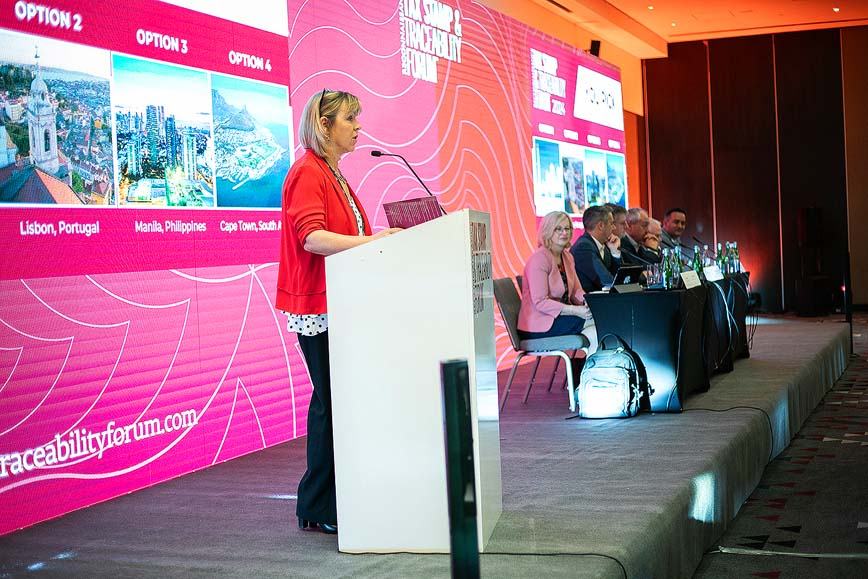
Moving to the next TSTF, we are pleased to announce that this will take place in early 2025 in Cape Town, South Africa, marking the second time TSTF has been held on the African continent. South Africa is a vast country with currently no tax stamp or track and trace system in place… on anything. So, a prime ‘greenfield’ if ever there was one.

In numbers
213Delegates
45Countries represented
92Organisations
25Government agencies
TSTF2023 · 1–4 October 2023

Programme

Welcome Reception – sponsored by Georgia Revenue Service

What’s Next for the International Tax Stamp Standard?

Come to this workshop to have your say on the next version of the international tax stamp standard.
Admission is free for revenue authorities, other government agencies, and ITSA members. All other attendees are subject to a fee of €350.

In 2018 the International Standards Organisation (ISO) published ISO 22382, ‘Guidelines for the content, security, issuance and examination of excise tax stamps’. This standard is primarily intended as guidance for tax stamp issuers – including specifiers and designers – but it has proven useful to suppliers in facilitating their discussions with customers. Some revenue agencies have already referred to ISO 22382 in their requests for proposals.

It is ISO procedure to review a standard every five years, so this standard is now due for review.

Implementing the FCTC Protocol

Guidelines for revenue authorities running tax stamp programmes International Tax Stamp Association (ITSA)

Admission reserved for revenue authorities, other government agencies, and ITSA members only. No other delegates will have access to this session.

Join ITSA for a discussion on how existing tax stamp programmes can technically comply with, and participate in, the global tobacco track and trace regime and information-sharing focal point (GSP) required under the WHO FCTC Protocol to Eliminate Illicit Trade in Tobacco Products.

Read more

ITSA will present a real-case example of two countries with tax stamp programmes already in place, to demonstrate how they can use their programmes to exchange track and trace data in line with Protocol requirements.

Tour of Zedazeni Brewery

We are very privileged to offer government delegates the chance to visit the Zedazeni brewery in Tbilisi on the afternoon of Monday 2nd October 2023. The visit will give government attendees the opportunity to see a direct marking project in operation. The Georgia Revenue Service will be in attendance and provide an overview of the overall fiscal marking programme as an introduction to the visit.

Session 1Welcome and Overview

09:00

, Tax Stamp & Traceability News™

Session 1 · Tuesday 3 October · 09:00

Welcome and Forum Overview

Nicola Sudan, Tax Stamp & Traceability News™

No_abstract

Nicola Sudan
Tax Stamp & Traceability News™ · United Kingdom

Nicola Sudan

Regional Director

Nicola Sudan has been with Reconnaissance International since 2010 and currently holds the title of Regional Director, in charge of the company’s tax stamp business. She is the editor of Tax Stamp & Traceability News™, director of the annual Tax Stamp & Traceability Forum™, and main writer and editor of the report Tax Stamps & Traceability: A Market Analysis and Technical Update, the third edition of which is due for release in 2020. In addition, she has been General Secretary of the International Tax Stamp Association since its founding in 2015. Nicola’s experience in the security printing and authentication industry comes from a career with SICPA in Switzerland where she held senior marketing and copywriting roles within both the security inks and government security solutions divisions. Prior to that, she worked for 13 years at JTI, in the marketing departments of the Middle East, Eastern Europe and Worldwide Duty-Free regions, which has given her a broad knowledge of the tobacco industry. Nicola’s core areas of competence in terms of providing a consultancy service relate to her wide knowledge of the excise tax stamp and associated track and trace industry, as well as her English writing expertise, coupled with extensive experience in the security printing and authentication industry. Nicola has a BA in Marketing and Accounting.

09:05

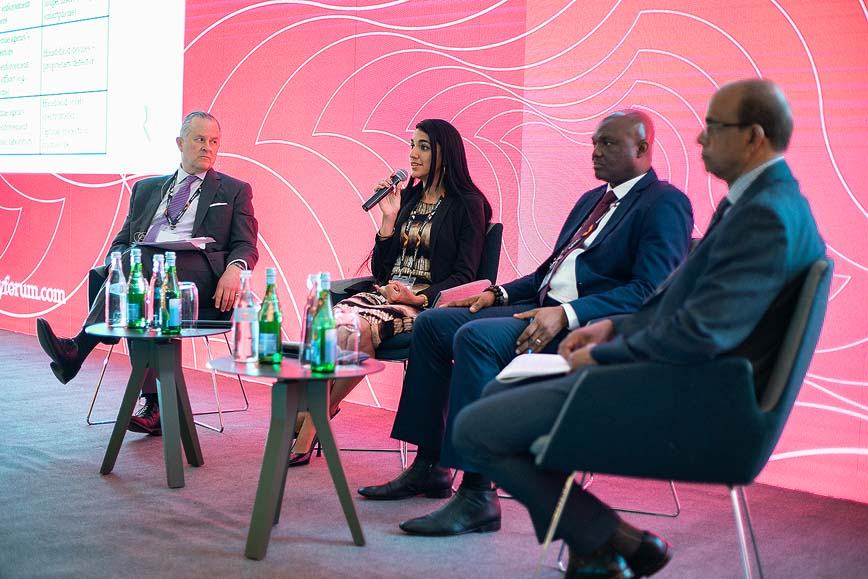
Levan Dgebuadze, Georgia Revenue Service

Session 1 · Tuesday 3 October · 09:05

Welcome Address

Levan Dgebuadze, Georgia Revenue Service

No_abstract

09:15Slides

, Revenue Service Georgia

Session 1 · Tuesday 3 October · 09:15

The Tax Stamp and Traceability System in Georgia

Teona Shiukashvili, Revenue Service Georgia

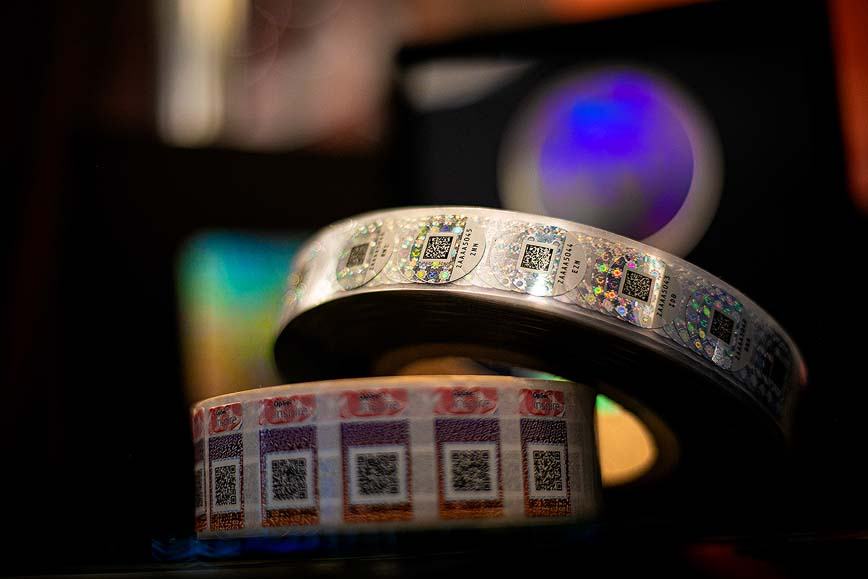
Until the early 2000s, all tax administration and tax services including excise stamps performed entirely on paper-based forms in Georgia. However, since then, significant results have been achieved in Georgia to the extent that the Revenue Service is now one of the most advanced and rapidly developing tax administration in the world. Now, excise stamps are two type: paper-based and electronically (direct marking) and all of them are traceability. Georgia Revenue Service strives every day to make the use of excise stamps more efficient for tax purposes. In this presentation, the Georgia Revenue Service will present the information about Tax Stamp and Traceability System in Georgia.

Download the slides PDF · 1.7 MB · delegates only

Revenue Service Georgia · Georgia

Teona Shiukashvili

Ms. Teona Shiukashvili holds the esteemed position of Head of the Taxpayer Service Division within the Ministry of Finance of Georgia's Revenue Service. With an impressive tenure dating back to 2007, she has demonstrated her expertise across various roles within the Revenue Service. In her current capacity, Ms. Shiukashvili diligently oversees the division, which assumes responsibility for the issuance of tax stamps for tobacco, alcohol, and non-alcoholic beverages. Furthermore, she serves as the Project Manager, a role endowed upon her by the Revenue Service in full accordance with prevailing legislation. In this capacity, she is vested with the authority to represent the Revenue Service before the Selected Person, namely "Sicpa," as per the terms and provisions delineated in the existing agreement. Her division also plays a vital role in granting preferential taxation regimes to eligible taxpayers. She earned BA and Master’s in Economics from Tbilisi State University.

09:30Slides

, International Tax Stamp, Authentication and Traceability Association

Session 1 · Tuesday 3 October · 09:30

The Importance of Analysis – Before and After Track and Trace Implementation

Nicola Sudan, International Tax Stamp, Authentication and Traceability Association

No_abstract

Download the slides PDF · 3.0 MB · delegates only

Nicola Sudan
International Tax Stamp, Authentication and Traceability Association · United Kingdom

Nicola Sudan

Regional Director

Nicola Sudan has been with Reconnaissance International since 2010 and currently holds the title of Regional Director, in charge of the company’s tax stamp business. She is the editor of Tax Stamp & Traceability News™, director of the annual Tax Stamp & Traceability Forum™, and main writer and editor of the report Tax Stamps & Traceability: A Market Analysis and Technical Update, the third edition of which is due for release in 2020. In addition, she has been General Secretary of the International Tax Stamp Association since its founding in 2015. Nicola’s experience in the security printing and authentication industry comes from a career with SICPA in Switzerland where she held senior marketing and copywriting roles within both the security inks and government security solutions divisions. Prior to that, she worked for 13 years at JTI, in the marketing departments of the Middle East, Eastern Europe and Worldwide Duty-Free regions, which has given her a broad knowledge of the tobacco industry. Nicola’s core areas of competence in terms of providing a consultancy service relate to her wide knowledge of the excise tax stamp and associated track and trace industry, as well as her English writing expertise, coupled with extensive experience in the security printing and authentication industry. Nicola has a BA in Marketing and Accounting.

09:45Slides

, Smoke Free Partnership

Session 1 · Tuesday 3 October · 09:45

Status of Track and Trace System Required Under WHO FCTC Protocol

Luk Joossens, Smoke Free Partnership

The objective of the WHO FCTC Protocol to Eliminate Illicit Trade in Tobacco Products (Protocol) is the elimination of all forms of illicit trade in tobacco products. The Protocol aims to secure the supply chain of tobacco products through a series of government measures. It requires the establishment of a global tracking and tracing regime by September 2023. There were 67 parties to the Protocol by 31 May 2023. 28 Parties to the Protocol are high income, 15 are upper-middle income,14 are lower-middle income and 10 are low income. We estimate that there are thirty-seven existing track and trace systems among Parties: 20 Parties have a system based on the EU regulations, 10 on tax stamp regimes and 7 on other characteristics. Low and middle-income countries struggle with the implementation of the Protocol obligations and the establishment of the tracking and tracing provisions. A global tracking and tracing regime, compromising national and/or regional tracking and tracing systems, might help to secure the supply chain and assist in the investigation of illicit tobacco trade, if enough Parties have a tracking and tracing system, covering all the obligations of the Protocol, based on robust data, without tobacco industry interference, access to the unique identifiers outside the jurisdiction and mutual recognizable data.

Download the slides PDF · 395.2 KB · delegates only

Smoke Free Partnership · Belgium

Luk Joossens

Luk Joossens has authored and co-authored 30 peer-reviewed, scientific articles on tobacco and illicit trade. He was of one the rapporteurs of the WHO expert group on illicit tobacco trade in 2007, which prepared a template for the WHO FCTC Illicit Trade Protocol. He attended all five INBs which negotiated the Illicit trade protocol. He was the lead author of the background paper on cigarette smuggling of the 2000 World Bank Report "Curbing the Epidemic". He advised international bodies (including the World Bank, The European Commission and the World Health Organization) and contributed to intergovernmental discussions in this area of tobacco control. in 2015, he received the World Health Organization Director-General’s Special Recognition of Contribution to Global Tobacco Control.

10:00Slides

, International Tax and Customs Transformation Consultant

Session 1 · Tuesday 3 October · 10:00

An Environmental Scan: Current Developments Impacting Tax and Customs Administrations, and How to Leverage Them to your Advantage

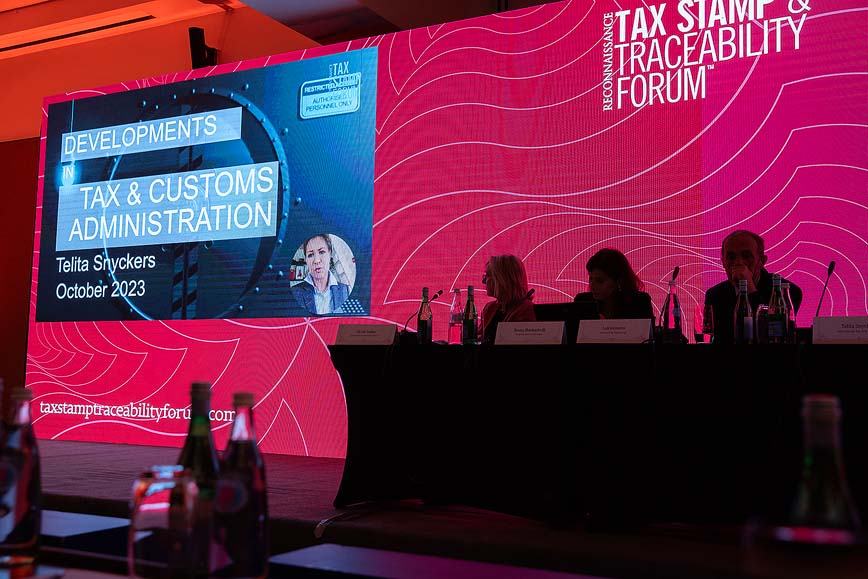
Telita Snyckers, International Tax and Customs Transformation Consultant

A review of the role excise duties play in the broader context and what it means for your business; what Ministers of Finance and Commissioners tend to focus on; current focus areas in respect of compliance, trade facilitation, tax administration strategy, and digitalisation; and developments in respect of public procurement.

Download the slides PDF · 956.6 KB · delegates only

International Tax and Customs Transformation Consultant

Telita Snyckers

Telita Snyckers is a commercial litigation lawyer, but has spent most of the past 30 years working in the tax and customs space, as a prosecutor, as the head of criminal investigations, as a strategy advisor to the Commissioner of the South African Revenue Service, and as an executive manager at the South African Revenue Service and the Singapore tax authority. She now works as an independent tax and customs consultant, with key clients including the International Monetary Fund, for whom she has done assignments in more than 20 countries. She also works as editor at the Tax Justice Network. She has deep domain expertise in revenue mobilisation strategies, tax and customs modernisation, illicit trade and supply chain security strategies. Her book Dirty Tobacco, on the role of multinational tobacco companies in smuggling and corporate espionage, was shortlisted for the Alan Paton non-fiction award.

Session 2Country Cases part I

11:00Slides

, Ghana Revenue Authority

Session 2 · Tuesday 3 October · 11:00

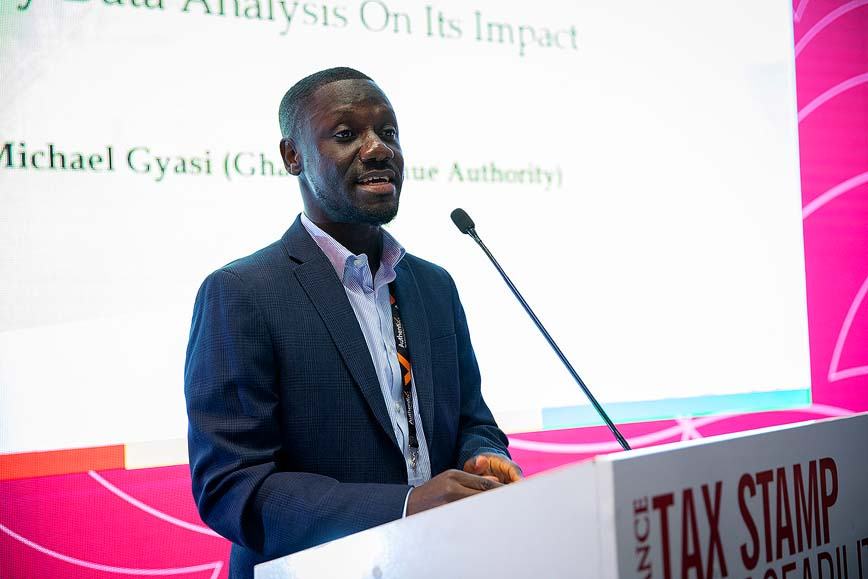
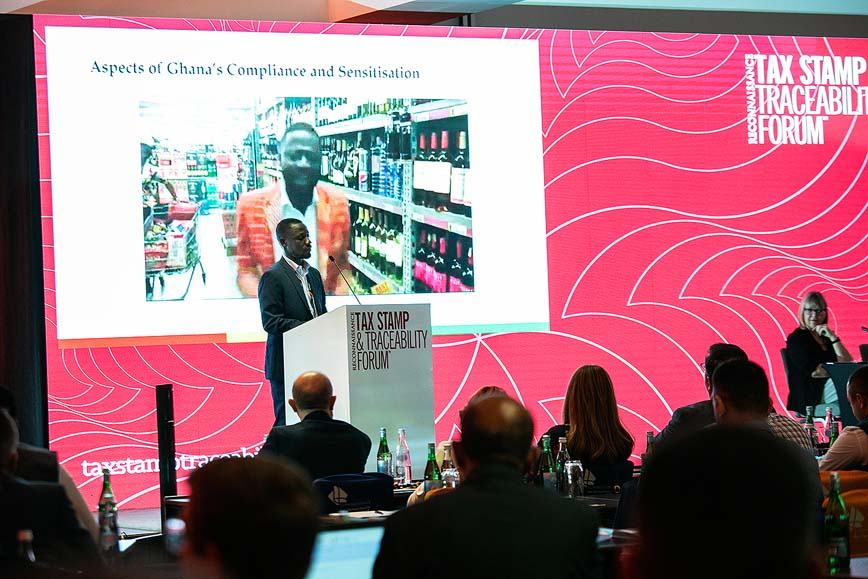
Impact of Tax Stamps on Ghana’s Excise Tax Revenue

Michael Gyasi, Ghana Revenue Authority

The basic premise of tax stamps, as originally intended, not only holds true today but the business case for using tax stamps has actually increased considerably as revenue authorities worldwide have secured valuable excise revenue from the importation and manufacturing of excisable products. The stamps act both as a record of payment and a barrier to the distribution of illicit products in any impermissible form.

Ghana Revenue Authority (GRA) therefore embraced its tax stamp programme, from its birth in 2010, and has gone through an iteration of processes amidst some significant investments, successfully sustaining the continued use of tax stamps in 2018 to leverage on their benefits.

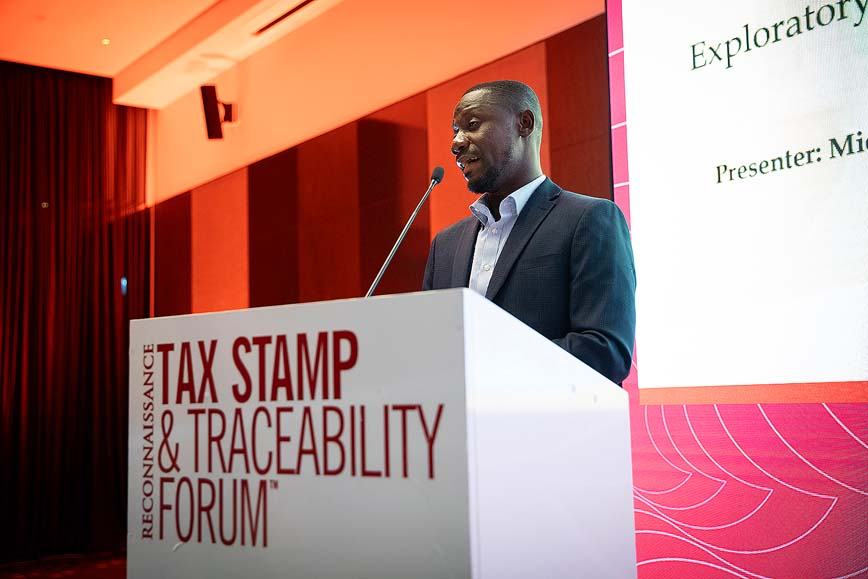
This paper adopts an exploratory data analysis approach to weigh the benefits that have been reaped, thus far, whilst proffering measures that could streamline any jagged edges. It analyses excise tax revenue performance prior to and post-implementation, scope and coverage, and the legal undertakings between GRA and tax stamp contractors, whilst assessing compliance by manufacturers, importers, and retailers to inform future policy.

Download the slides PDF · 833.9 KB · delegates only

Michael Gyasi
Ghana Revenue Authority · Ghana

Michael Gyasi

Senior Research Analyst

Michael is a self-motivated Research Analyst, Tax Technical Adviser, Auditor with an In-depth knowledge of the HubSpot Content Optimization and Project Management. He holds a Post-Chartered Diploma in Forensic Audit; He is a member of the Chartered Institute of Administrators and Management Consultants in Ghana. He obtained his Master's Degree in Information Technology Management in France, and a Bachelor's of Science Degree in Mathematics and Statistics from Ghana. He has publications including “Qualitative Perspective of Windfall Taxation, the case of Ghana”, and co-authored the “Framework of the Harmonisation of Minerals Policy for the ECOWAS sub-region”

11:15Slides

, VP Government Solutions SCOPSIS (OpSec)

Session 2 · Tuesday 3 October · 11:15

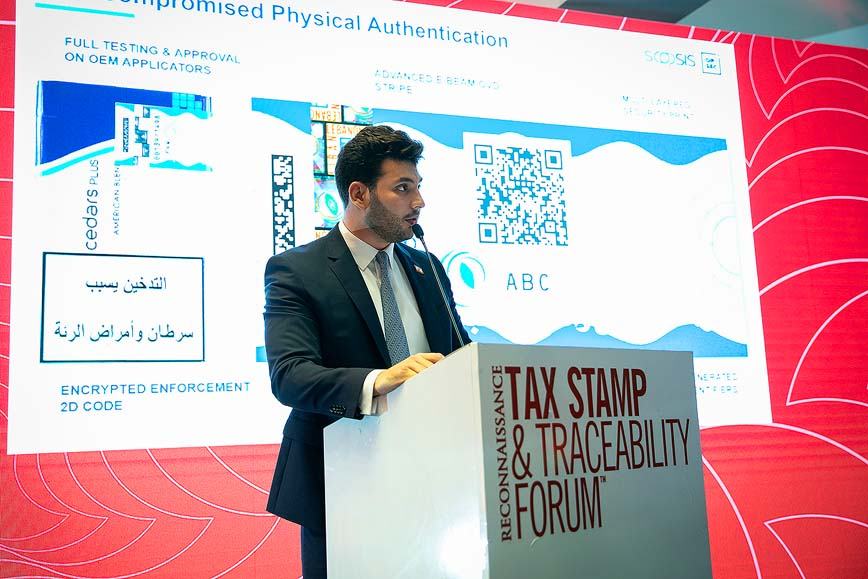
Protection from the Storm: Implementing Lebanon’s Authentication and Traceability Solution

Mohamad Ali Ahmad, VP Government Solutions SCOPSIS (OpSec)

Between 2018-2021, it was estimated that illicit cigarettes accounted for 25% of the total market within the Republic of Lebanon, costing the government between $200-$250 million in annual lost revenues.

Instability in the region, a prolonged economic crisis and the Covid pandemic combined to create the perfect storm for this illicit trade.

To combat this challenge, OpSec Security was contracted to plan, develop and implement a complete authentication and traceability solution for cigarette products produced in and for the Republic of Lebanon.

This white paper presentation details the specific regional and technical challenges faced during this process, and the key solutions developed to protect these vital government revenues.

Areas covered include new optical and digital security technologies, online industry protection and citizen authentication. The paper further highlights key regional customisations and considerations to ensure ongoing success of the programme.

Download the slides PDF · 1.6 MB · delegates only

Mohamad Ali Ahmad
VP Government Solutions SCOPSIS (OpSec) · United Kingdom

Mohamad Ali Ahmad

Mohamad Ali Ahmad currently holds the position of VP for Government Solutions at SCOPSIS. With a background as a technical consultant for governmental projects across Europe, he brought valuable experience to his role at SCOPSIS. At the organization, Mohamad has focused on aiding governmental entities in the MENA region, overseeing critical projects such as tax stamps, secure identification documents, and revenue optimization. His extensive experience and expertise in governmental solutions and private-public partnerships have significantly contributed to fostering collaboration and advancing transparency within the sector.

11:30Slides

, General Directorate of Revenue

Session 2 · Tuesday 3 October · 11:30

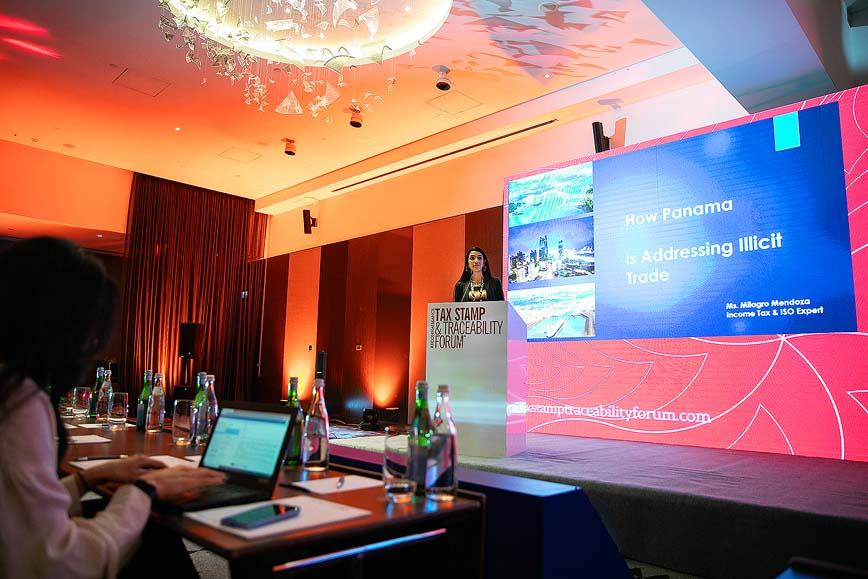
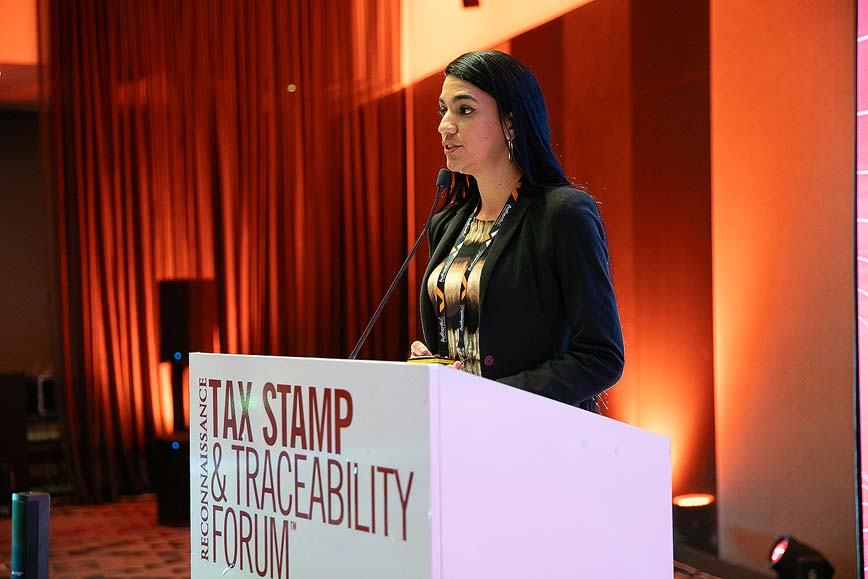
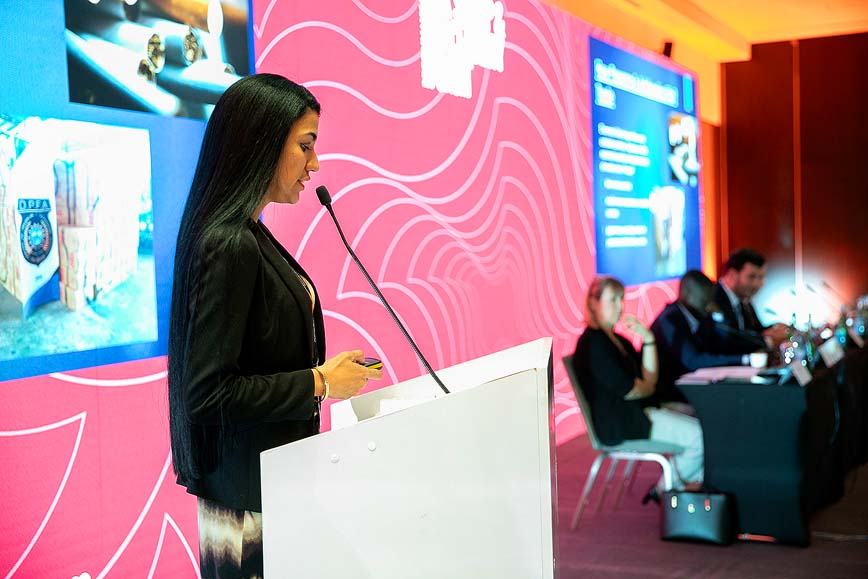
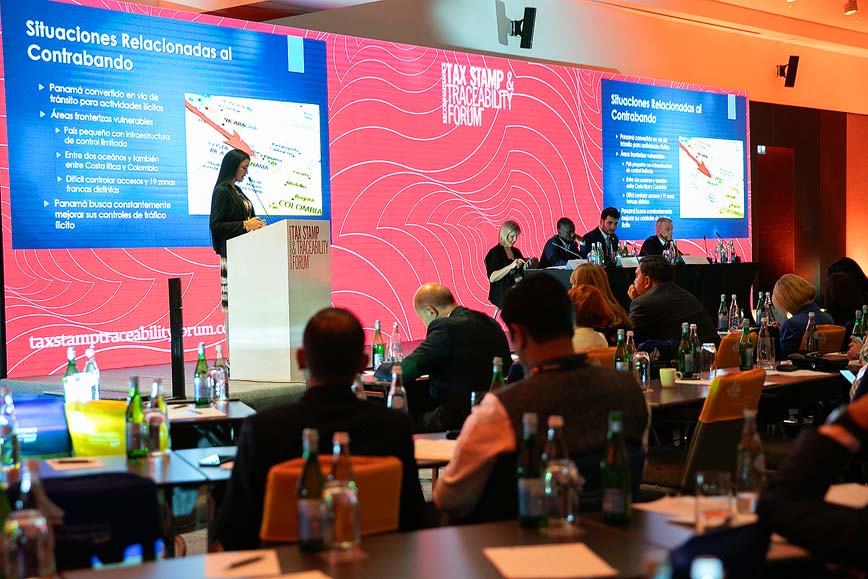
How Panama is Addressing Illicit Trade

Milagro Mendoza, General Directorate of Revenue

Panama is small country, but with a strategic location, where the Pacific and Atlantic oceans meet on either side of our borders. Our economy is based mainly on the services we provide in the canal zone, and the various alternative services we can provide in terms of free trade zones, free zones, port areas and fuel trade-zones.

Additionally, Panama maintains a robust financial center and has become in this way a business hub for the Americas.

All these advantages are very good, but at the same time these conditions leave us vulnerable to a series of crimes committed in the region. Samples of illicit trade are trafficking of psychotropic substances and merchandise such as liquor, cigarettes and gasoline.

For this reason, over the years, Panama has established laws and mechanisms to counteract these attacks, establishing new penalties, administrative sanctions, modifying procedures, etc. It has also created multidisciplinary teams that can help in the fight against these activities and trained its customs and tax officials in the different regions of the country where there is a threat of entry of illicit merchandise, to reduce incidences of illicit trade. Currently, Panama expects our next tender to address traceability of many of these products using modern traceability technology

Download the slides PDF · 639.0 KB · delegates only

General Directorate of Revenue · Panama

Milagro Mendoza

Milagro J. Mendoza is a Panamanian lawyer, currently working at the General Directorate of Revenues, Ministry of Economy and Finance of the Republic of Panama. She has a degree in Law and Political Science, as well as Master's Degrees in Tax Law, Administrative Law, Criminal Procedural Law, General Procedural Law, Family Law and Public Management. She stands out as a university professor and lecturer as well as a frequent speaker and presenter on tax issues in Panamá, for written and television media. She was appointed by her country as ISO Expert in 2023. Her experience in traceability is based on the five years she has been working as a lawyer in her country’s tax administration.

11:45Slides

, Authentix

Session 2 · Tuesday 3 October · 11:45

Successful Tax Stamp Programmes are Easy, So Why do So Many Fail?

Tim Driscoll, Authentix

There are many examples of digital fiscal marking and production monitoring programmes that have generated significant benefits for the impacted countries or regions. Even programmes which include a minimum of best practices and low levels of enforcement deliver benefits that justify the cost of the programme. Join us in this presentation as we share our thoughts regarding why, despite these considerations, many programmes still fail to launch or deliver the expected results.

Download the slides PDF · 1.3 MB · delegates only

Authentix · United States of America

Tim Driscoll

Tim Driscoll is the Senior Vice President and General Manager of Currency and Tax Stamp at Authentix, a company providing advanced authentication and track and trace solutions for governments, central banks and commercial products. Tim joined Authentix in 2005 and has been involved in the design, development and implementation of authentication solutions for banknotes and excise tax recovery for just under 25 years. Tim holds a PhD in physics from Brown University and a BSc in physics from Rensselaer.

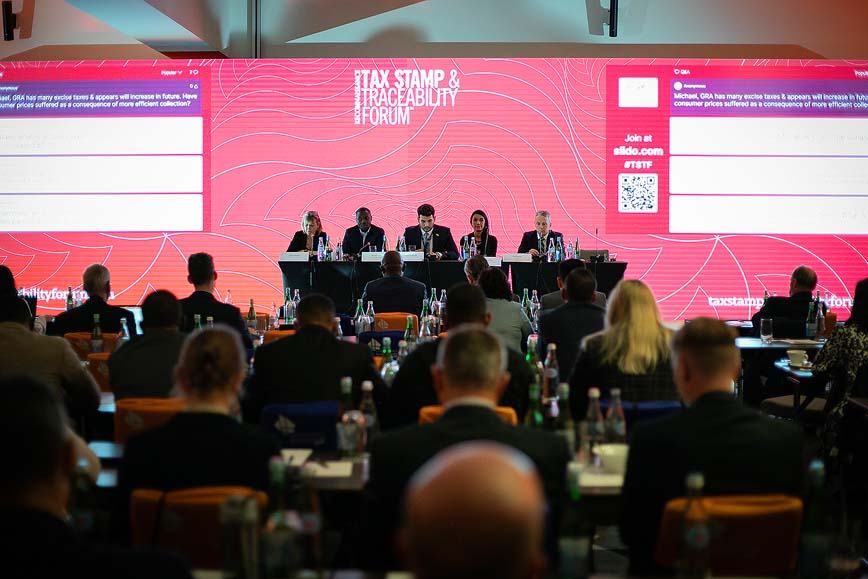
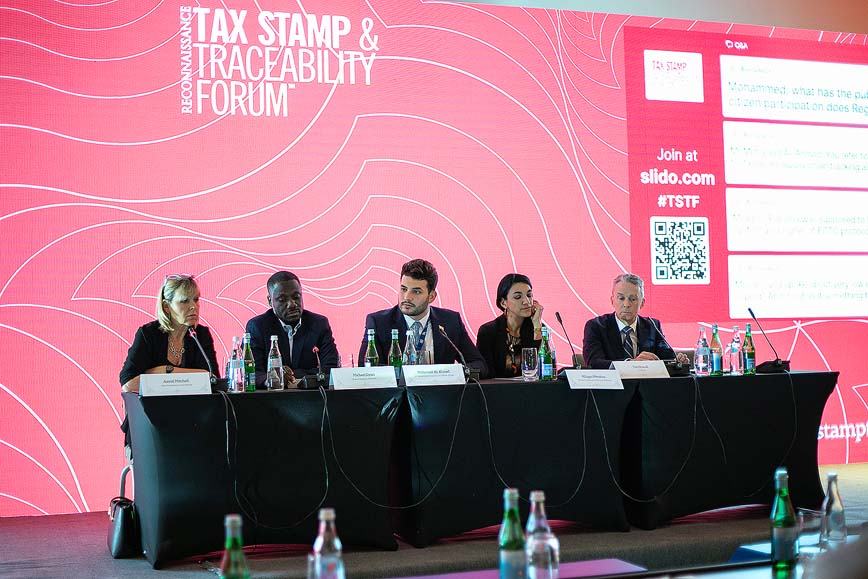
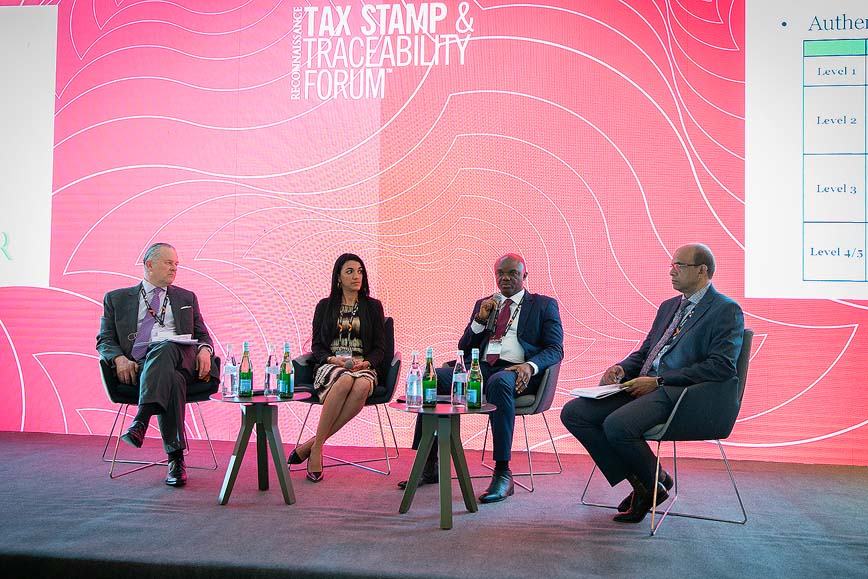
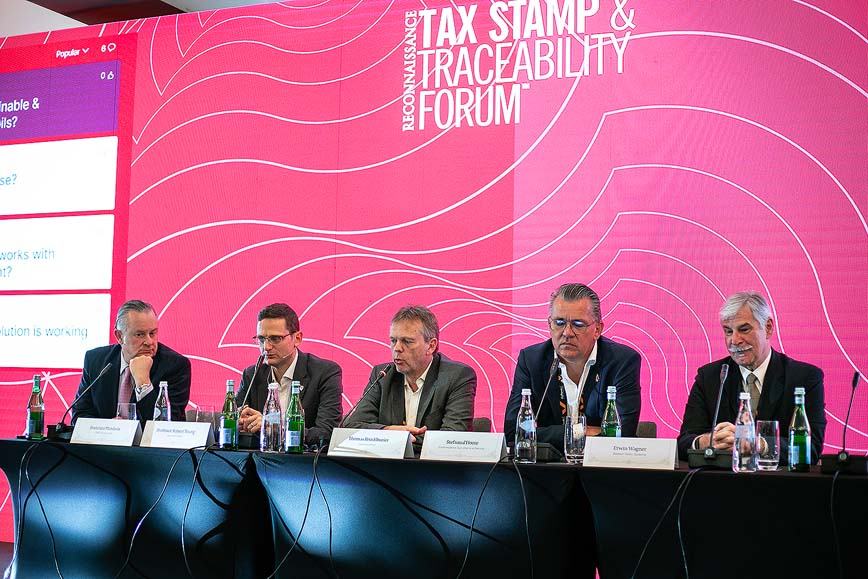
Session 3Panel Discussion – How do Inspectors Really Authenticate Tax Stamps?

Session 4Direct Marking / Serialisation

15:30Slides

, SICPA

Session 4 · Tuesday 3 October · 15:30

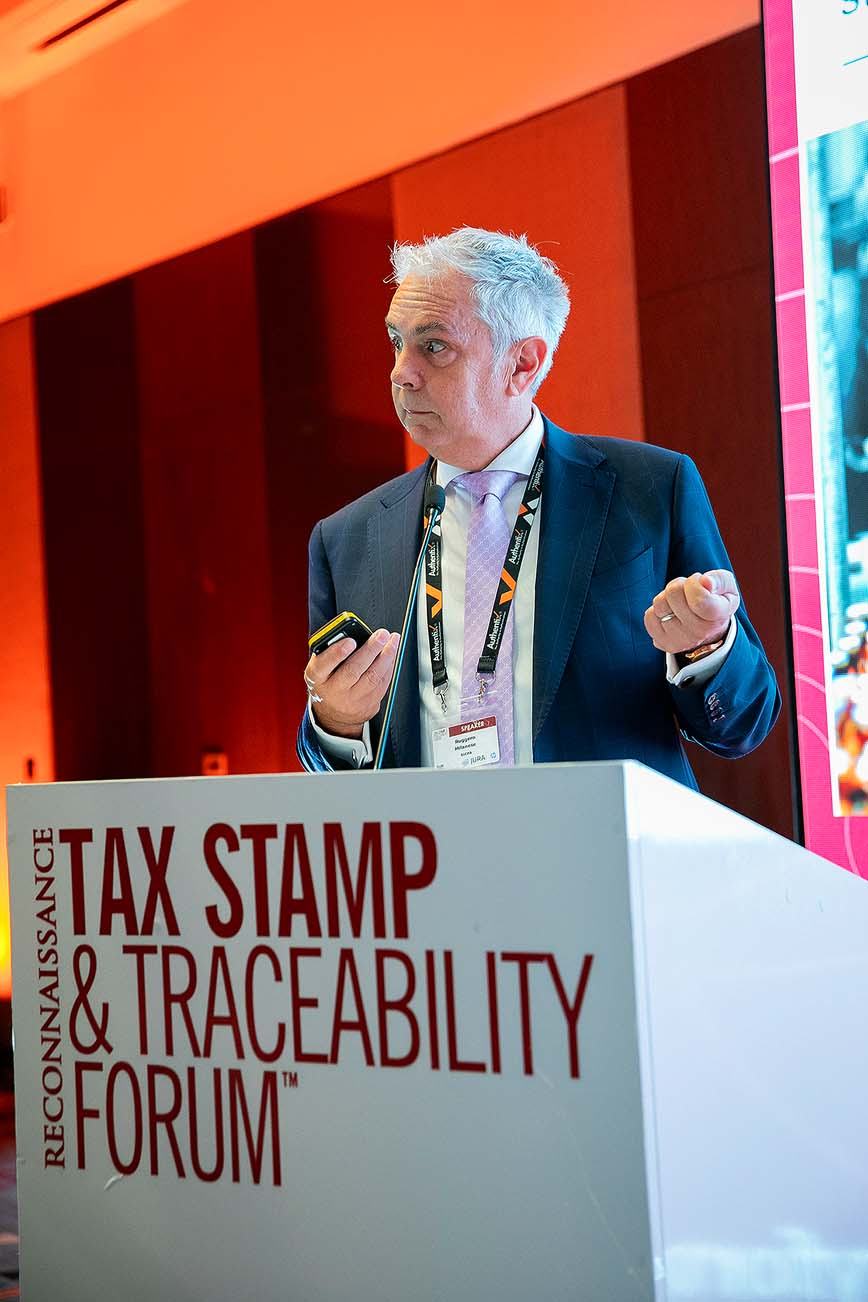
Beverage Tax Stamps with Secure Direct Marking: Benefits Across a Dozen Countries

Ruggero Milanese, SICPA

Beer is one of the most common product categories subject to excise duties, along with non-alcoholic beverages, such as soft drinks and bottled water. However, using paper-based tax stamps for these products poses several operational challenges.

A track and trace solution that prints unique codes directly on the bottle or can, using security inks, offers significant advantages, while keeping the ability to protect the system from fake and duplicated codes.

We will describe a solution that has been implemented by revenue authorities in over a dozen countries, and the benefits achieved. We will also present some recent innovations, which provide additional benefits, such as interoperability and consumer verification.

Download the slides PDF · 2.9 MB · delegates only

Ruggero Milanese
SICPA · Switzerland

Ruggero Milanese

Head of Market Segment

Director Product Marking &Traceability Solution SICPA SA, Switzerland Ruggero Milanese is Director of Product Marking & Traceability Solutions at SICPA. He has more than 10 years’ experience in designing secure track & trace technologies to control the production and distribution of tobacco products and other excisable goods for governmental organizations, such as Customs agencies and Revenue authorities. His responsibilities include market strategy, product management and pre-sales. Prior to his current role, Ruggero was head of Engineering at SICPA Government Security Solutions, through which he gained an in-depth knowledge of relevant technologies and practical expertise in deploying country-wide implementations. Ruggero holds a Ph.D. degree in computer science from the University of Geneva, and a postdoctoral fellowship at the International Computer Science Institute in Berkeley, California.

15:45Slides

, OPTEL

Session 4 · Tuesday 3 October · 15:45

Traceability Technology for Successful Tax Stamp Programs

Trevor Willis, OPTEL

Governments are extending tax collection programmes beyond traditional luxury products such as tobacco, wine and spirits to finance post-pandemic economic recovery and health care programmes. An example of these new markets are soft drinks, beer and water, to name a few.

While physical tax stamp technology has been used to address traditional market requirements, using track and trace systems, labels and enhanced security features, their application to new markets may become challenging due to several reasons.

First, products such as beer and soft drinks are less expensive than luxury goods such as tobacco and spirits. This makes manufacturers more price sensitive and requires an optimised project cost.

Second, production line speeds are faster and labelling products may reduce line performance.

Last but not least, product shapes and colours are variables and adding labels to the same production line is challenging. It may also raise some concerns related to the product brand.

Traceability has been used in various industries over the past decades to track and trace products across the supply chain. We discuss how this technology can help implement successful digital tax stamp programmes and how it can open the door to other applications such as returnable bottles management and inventory tracking, to name a few. We also provide a few recommendations about using the direct-to-print approach on beverage products.

Download the slides PDF · 1.4 MB · delegates only

Trevor Willis
OPTEL

Trevor Willis

Trevor is a graduate of the University of Leicester. His career has encompassed senior sales and management roles in all aspects of security document solutions from security paper, print, holography working for leaders in our industry. After working in the United States for one of the leading security paper manufacturers Trevor returned to the UK where he founded and published the industry magazine ‘Product and image security and data authentication’. His current role is as a Global Account director with the Optel Group developing secure Serialisation and vision systems with organisations around the world. Optel is a leading provider of hardware and software to the pharmaceutical, food and beverage and mining sectors and delivers innovative solutions for many leading blue chip organisations.

16:00Slides

, JURA

Session 4 · Tuesday 3 October · 16:00

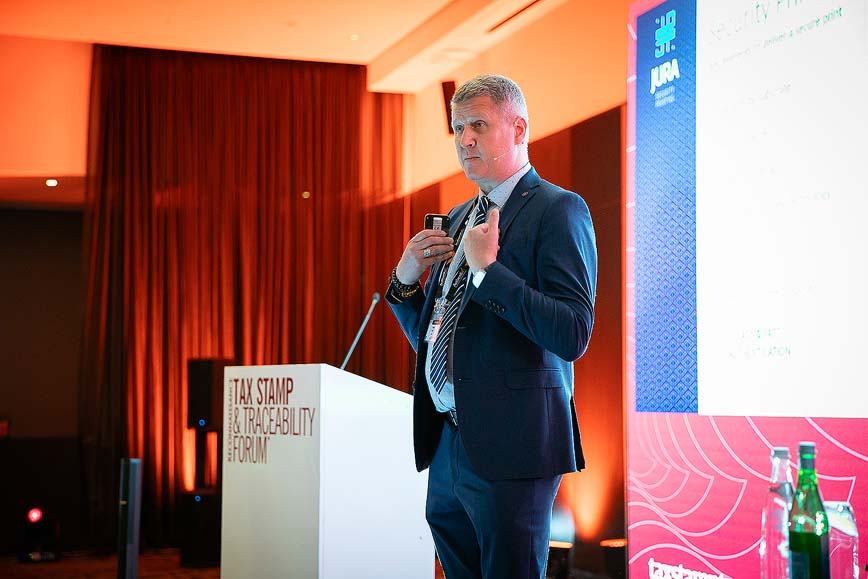
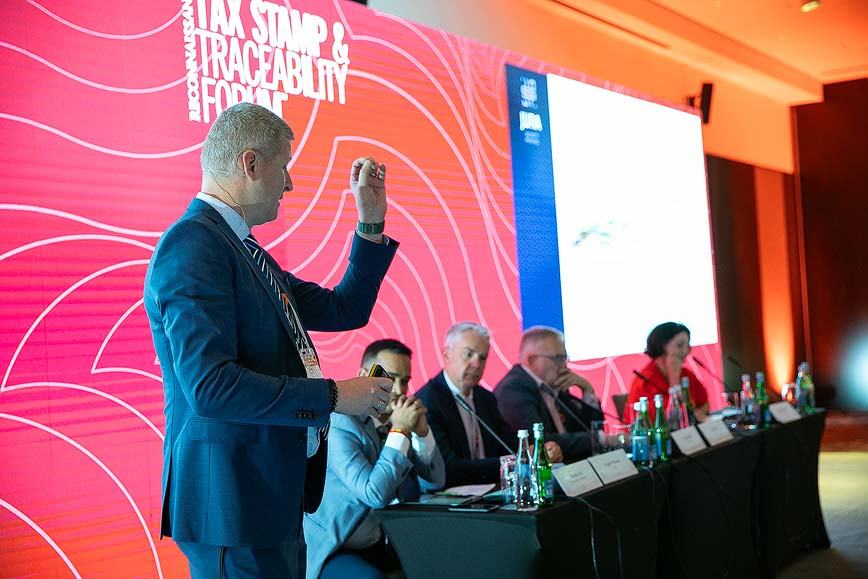
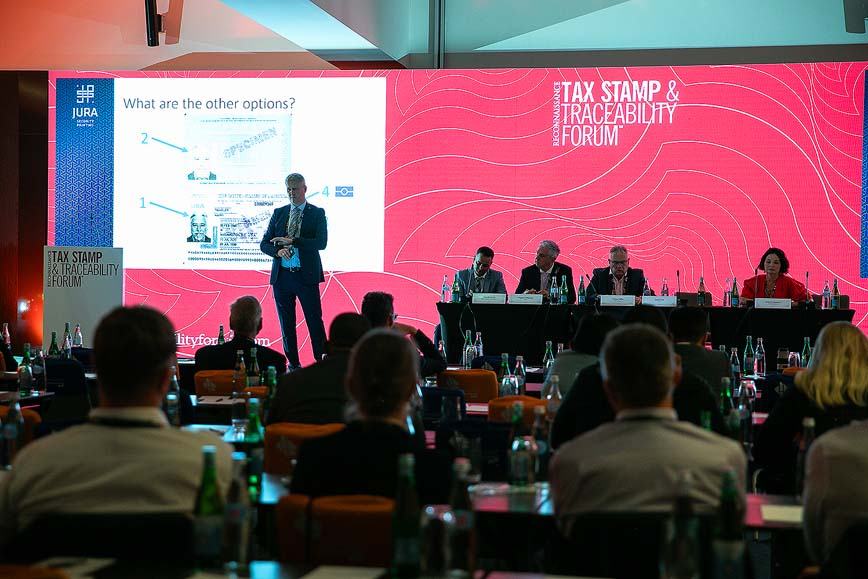
The Power of Digital Security Printing: Using Design / Personalisation Combinations to Solve Authentication Challenges

Tadej Turk, JURA

In traditional secure design/printing, all prints are identical and authentication is based on differences from the original print. In most cases, security design is connected to some key security elements such as guilloche, microtext, and latent images. These elements protect the product only if they are designed and printed based on strict rules. These rules are not flexible, they are limited by the existing technologies of the commercial market.

In the case of digital security printing, all prints are different and authentication is based on coded personal information that has to be decoded and identified. It is also important to note that security features should not be borrowed from traditional security printing but should be developed specifically for digital printing.

One of the biggest advantages of digital printing is that all the documents can be personalised, not only with a simple serial number but in a very complex way. We can personalise the design as well as any of the printed elements.

This paper presents real-life cases of how different combinations of design and personalisation can solve the challenges of authenticating and identifying secure documents.

Download the slides PDF · 3.8 MB · delegates only

Tadej Turk
JURA · Hungary

Tadej Turk

Director of Digital Security Progam

Tadej graduated at the University of Ljubljana (Slovenia) as Bachelor of Science in the Graphics Engineering (B.Sc.). He dedicated his studies to Security Printing and its vulnerabilities. He started to work in a printshop at the age of 14. There is no process in this industry that he is not at least familiar with. Previous working experiences gave him a good foundation and current placements have enabled him to develop not only specific security printing industry experience, but also a valuable and transferable skill set in this fast-paced sector, especially when we are talking about digital security printing.

16:15Slides

, JCIC International

Session 4 · Tuesday 3 October · 16:15

International Regulatory Aspects of Track and Trace & Related Issues

Jeannie Cameron, JCIC International

The presentation will cover an update on status of the track and trace aspects of the WHO’s Framework Convention on Tobacco Control (FCTC) Protocol on the Illicit Trade in Tobacco Products, and the upcoming 3rd Meeting of the Protocol Parties (MOP3) due to take place in Panama in November this year. It will also provide insights from the government perspective re meeting the national obligations under the Protocol, as well as companies that are required to implement the provisions.

Download the slides PDF · 122.7 KB · delegates only

Jeannie Cameron
JCIC International · United Kingdom

Jeannie Cameron

Jeannie Cameron is CEO of JCIC International, a UK based strategic advocacy consultancy focused on bespoke advice and engagement. Jeannie is a leading expert on the WHO Framework Convention on Tobacco Control FCTC, including its subsequent Protocol on Illicit Trade. Jeannie founded JCIC in 2011 but took an 18-month break in January 2020 to work as Vice President, International at Juul Labs. Jeannie has worked as a consultant for PMI on various global initiatives and formerly headed BAT’s International Political and Regulatory Affairs Division. Jeannie has an LLM in international law; a degree in politics/communications and a graduate diploma in finance and economics. She earned a distinction from King’s College University of London in 2007 for a dissertation on the international public health topic of Emerging International Public Health Issues – Human Rights, Harm Reduction and the Framework Convention on Tobacco Control (FCTC). Jeannie has been a parliamentary advisor and chief of staff as well as a civil servant in the International Legal Section of the Australian Cabinet. Jeannie has served as Co-Chair of the OECD’s Charting Illicit Trade Taskforce. She has worked as a consultant for the Pakistan Federal Board of Revenue while it considered its track and trace solutions. Jeannie is an active commentator on tobacco harm reduction, illicit trade, public administration, and governance reform.

Session 5Country Cases part II

09:00Slides

, Canadian Bank Note Company

Session 5 · Wednesday 4 October · 09:00

Recreational Cannabis Legalisation: The Canadian Experience

Tim McIntyre, Canadian Bank Note Company

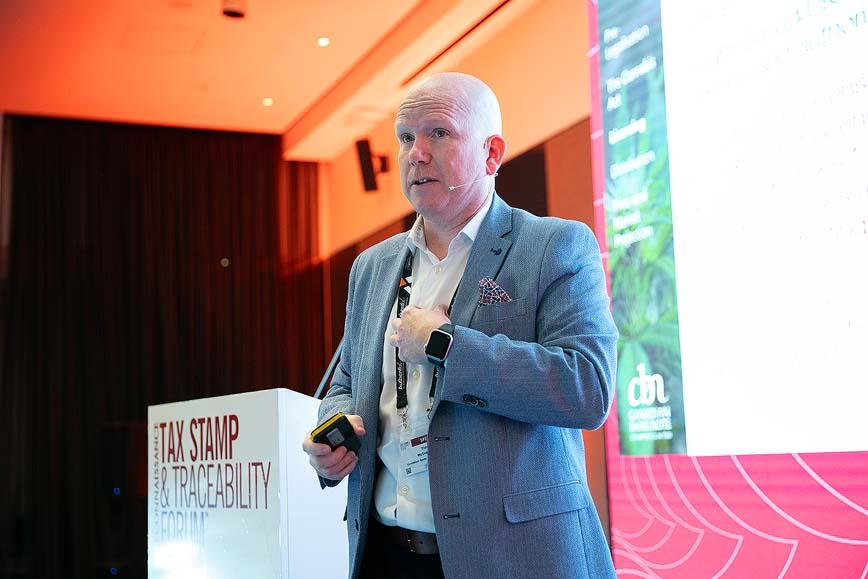
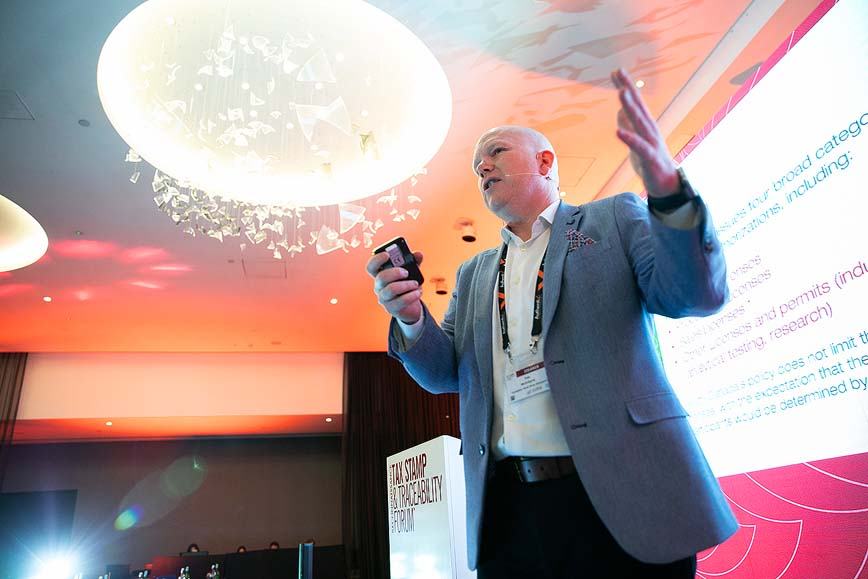
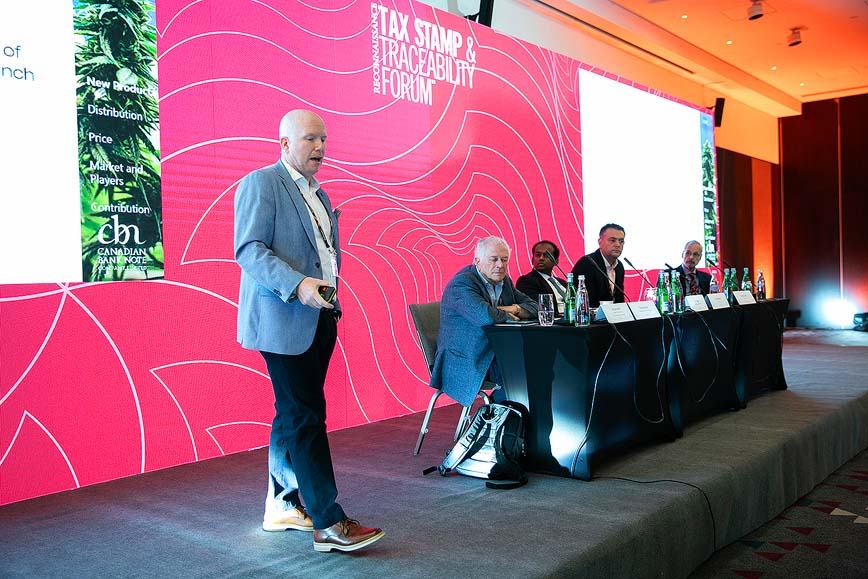
The journey to legalisation of recreational cannabis in Canada tells a story that the rest of the world can use to plot its own course. From public favour to political will, through the rigours of legislation and on to the practicalities of assembling and launching a brand new excise regime in a brand new market… it’s a remarkable tale.

The Canadian Bank Note Company was both quietly in the background and at times front and centre for most of these efforts. The lessons and experiences our organisation gained as being part of this success story are worth sharing. In our presentation, we will touch on themes and practical lessons which industry and government delegates alike can learn from as the rest of the world ponders the question: how to manage legalisation?

Download the slides PDF · 272.5 KB · delegates only

Tim McIntyre
Canadian Bank Note Company · Canada

Tim McIntyre

Chairman

Tim McIntyre is Chairman of the International Tax Stamp Association (ITSA) and head of the Excise Control Division at Canadian Bank Note Company. The excise division is responsible for delivering Canada’s tax stamp programme to tobacco, cannabis and vape licensees, as well as other international excise programmes.

Previously, Tim was in the logistics industry, where he helped FedEx and Purolator (Canada’s top domestic courier company) to build and strengthen their government service verticals.

As Chair of ITSA, Tim is committed to reinforcing the association’s position as an impartial authority on tax stamp solutions around the globe, by ensuring ITSA’s ongoing active engagement with revenue authorities and governments.

09:15

, Madras Security Printers

Session 5 · Wednesday 4 October · 09:15

Supply Chain Traceability for Punjab Excise

Asir Ratan Singh, Madras Security Printers

No_abstract

Madras Security Printers · India

Asir Ratan Singh

Mr. Asir Ratan Singh is Director of International Business at MSP. He also oversees the Digital Tax Stamp and Traceability Business Unit and is responsible for directing the vision of the Continuous Improvements and Continuous Development on MSP Confirma ©. He is also actively involved in strategy for sensitization, enforcement and citizen engagement activities to Revenue Authorities implementing Digital Tax Solutions.

09:30

, De La Rue

Session 5 · Wednesday 4 October · 09:30

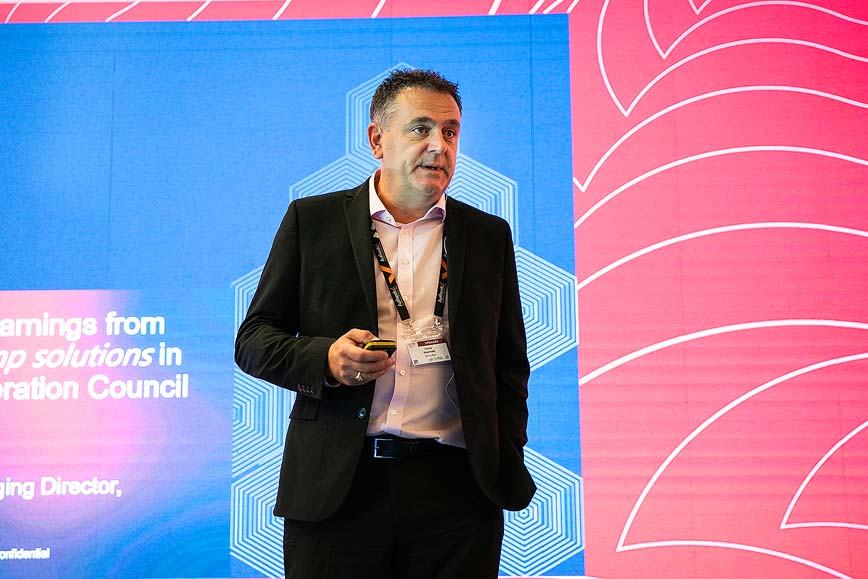
Insights and learnings from Digital Tax Stamp solutions in the Gulf Cooperation Council

Dave Sharratt, De La Rue

De La Rue implemented the first Digital Tax Stamp solution with the Federal Tax Authority in the United Arab Emirates in 2019, with similar schemes being implemented in Saudi Arabia, Oman, Qatar and Bahrain in the following years.

These solutions use a combination of physical tax stamps and directly printed pack codes to enable compliance with the WHO FCTC, Protocol to Eliminate Illicit Trade in Tobacco Products.

The presentation will share learnings from the implementation and operation of these schemes, with particular emphasis given to providing helpful advice for Tax and Customs Authorities considering how best to introduce a scheme for their country.

Dave Sharratt
De La Rue · United Kingdom

Dave Sharratt

TBC

09:45

, THYMARIS

Session 5 · Wednesday 4 October · 09:45

Encounters with Counterfeits of Digital Security Features

Sergej Toedtli, THYMARIS

Switzerland-based Thymaris provides integrated authentication technologies (software and machines) based on the principle of integrating serialisation and authentication into every barcode. For example, its AMACENA® Secure product authentication technology for high-volume security printing combines a full-stack serialisation suite with anti-counterfeiting technologies integrated as an additional layer into the barcode.

This technology is currently being used for a large-scale tax stamp programme, for an annual production of multiple billions of stamps, all of which carry an AMACENA Secure barcode.

The programme comprises a dashboard for data queries, as well as for analysing the different counterfeit codes found in the market on a daily basis.

This paper describes the different types and quality of counterfeits found, the equipment used by counterfeiters for high-end serial code printing, and the different levels of difficulty in detecting counterfeits. It also addresses the question of how many counterfeits should be identified in order to ensure successful outcomes.

Sergej Toedtli
THYMARIS · Switzerland

Sergej Toedtli

Sergej is a graduate as Mechanical Engineer of the Federal Institute of Technology ETH in Zürich. After a career as manager on top layer of large companies he started his own consulting & engineering company Vesdo Inc. in the year 2000, focusing on track & trace topics and authentication/ brand protection technologies. Based on the comprehensive know-how and experiences in the mentioned fields of expertise, we launched two daughter companies from Vesdo Inc.: Hicof Inc and Thymaris Ltd.

Session 6Innovations

11:00Slides

, Quantum Base

Session 6 · Wednesday 4 October · 11:00

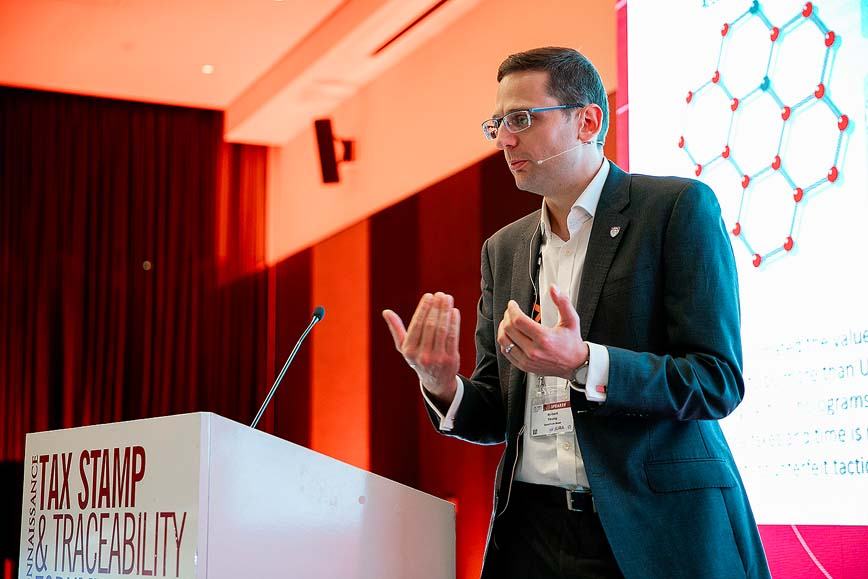
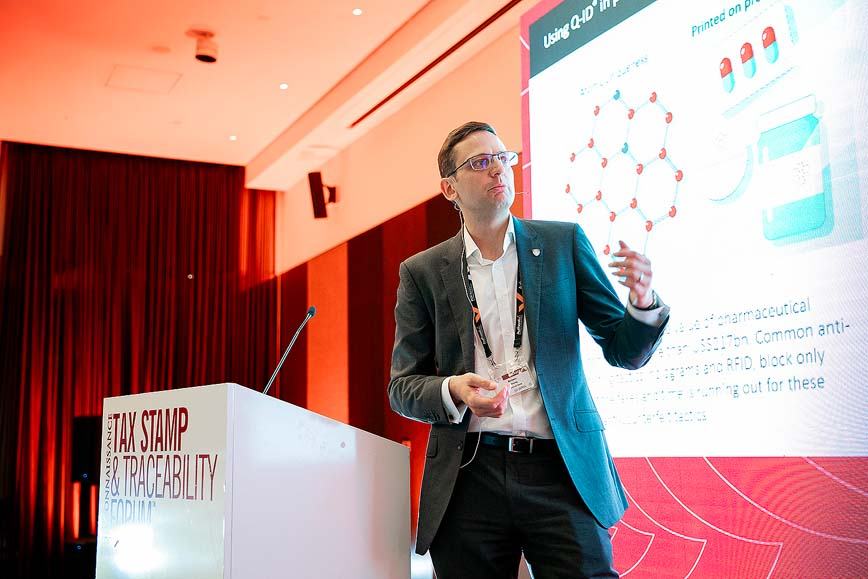
Optical Q-ID® – Unbreakable Quantum Signatures Verified by Standard Smartphone

Prof. Robert Young, Quantum Base

Introduction of Optical Q-ID®

Through a mix of software and hardware solutions, the security printing industry has witnessed stellar technological advancements in its ability to successfully secure global documents, currency, identity and brands across an array of vast and differentiated markets. Central to this success has been a commitment by the industry to drive sustained, collaborative innovation through research and development using next-generation materials, technologies and their effective integration. This commitment has allowed the security print industry to work collaboratively to push technological boundaries, and in doing so has successfully protected central banks, governments, issuers, brand owners and their end users across the globe.

Quantum technologies have been lauded as an enabler of such next-generation solution thinking. As such, we present Optical Q-ID® from Quantum Base Limited as a simple, cost-effective solution to drive unbreakable document security through our simple integration of quantum technologies into existing modern print manufacturing processes.

At the atomic scale, everything is unique. We have created the patented hardware ability to print and manufacture, at scale, Q-ID® tags which have embedded quantum properties, creating natural nanoscale, macroscopic imperfections – in effect, endless unique quantum identities. We celebrate these natural imperfections, creating patented software capabilities to allow a smartphone, with no additional hardware, to read these unique “quantum signatures” from each tag in less than a second – making cloning and simulation impossible. In essence, Q-ID® is the world’s first quantum security technology, empowering all in global markets to be the custodians of their document and brand security, armed with nothing more than a smartphone.

Download the slides PDF · 1.3 MB · delegates only

Prof. Robert Young
Quantum Base · United Kingdom

Prof. Robert Young

Prof. Rob Young: Rob is the co-founder and chief scientist at Quantum Base Limited (QBL), and he is a full professor at Lancaster University, a leading research-led university in the UK. Rob has a passion for developing practical applications of quantum technologies. The last decade saw the beginning of another new generation of technology, one that is underpinned by the quantum nature of the devices. This technology will have a huge impact on our lives in many ways - QBL’s mission is to develop simple solutions to some of the biggest problems the world currently faces in information security. Rob has degrees from both Oxford and Cambridge University, and he was a Royal Society Research Fellow for nine years. His twenty-year research career has been funded by the US Air Force, the Royal Society, and several government agencies in the UK and abroad, he has published more than 100 patents and research papers in leading journals, and he has won several awards for his work.

11:15Slides

, Leonhard KURZ

Session 6 · Wednesday 4 October · 11:15

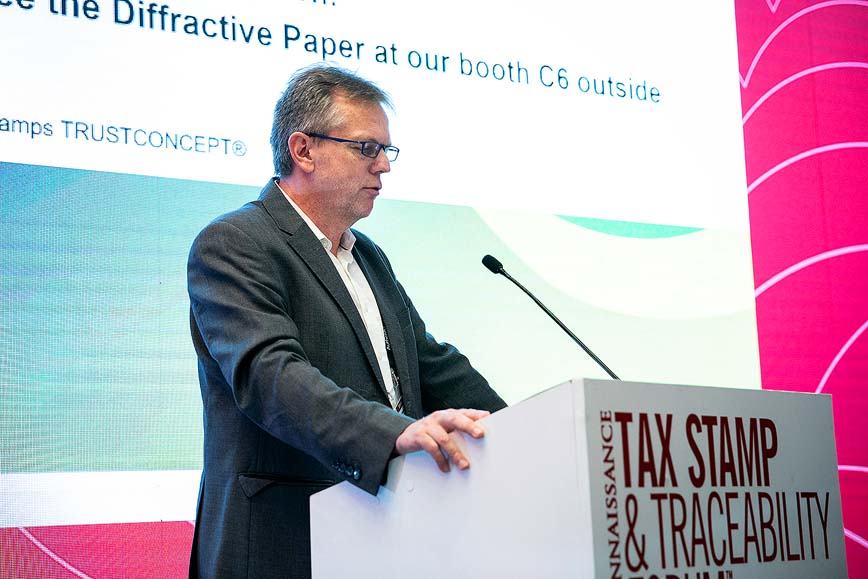
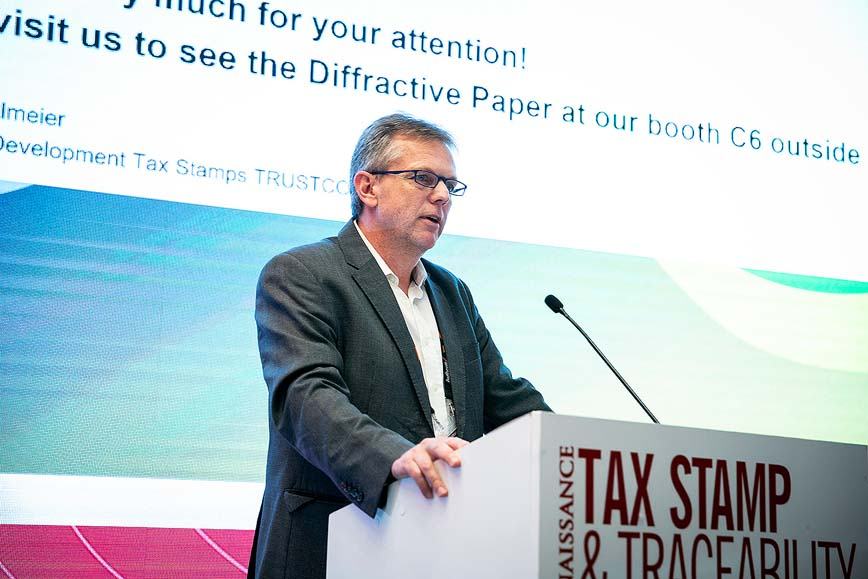
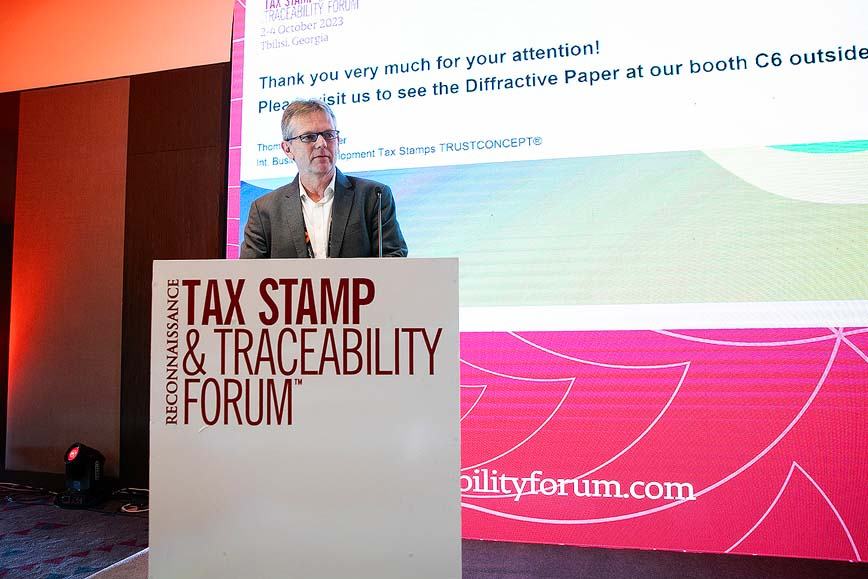
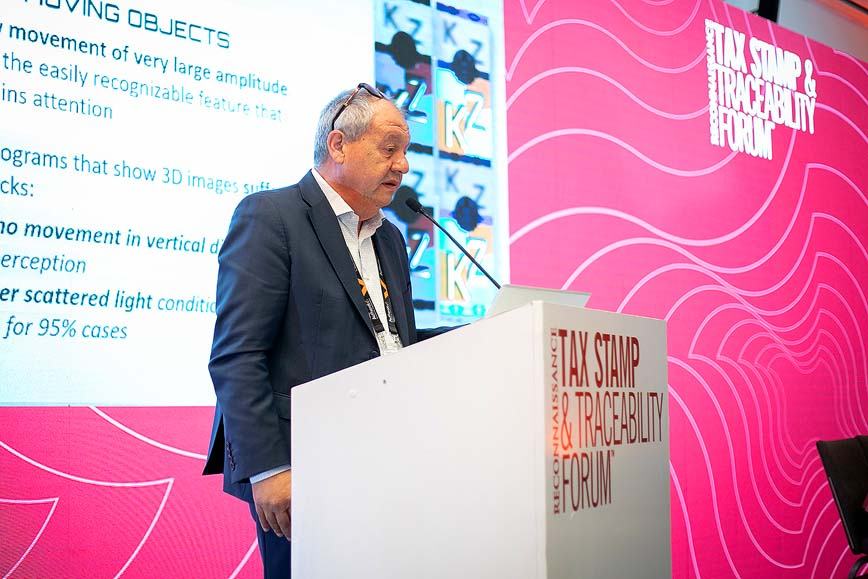
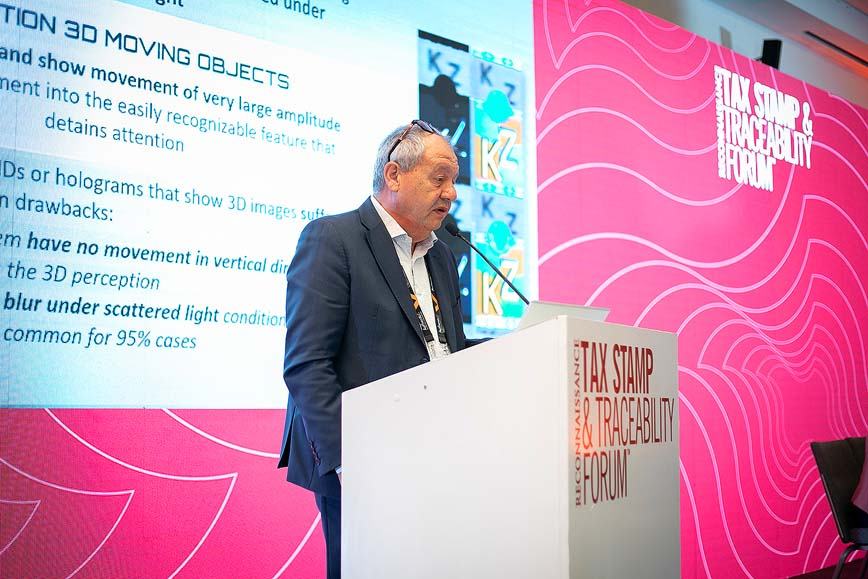
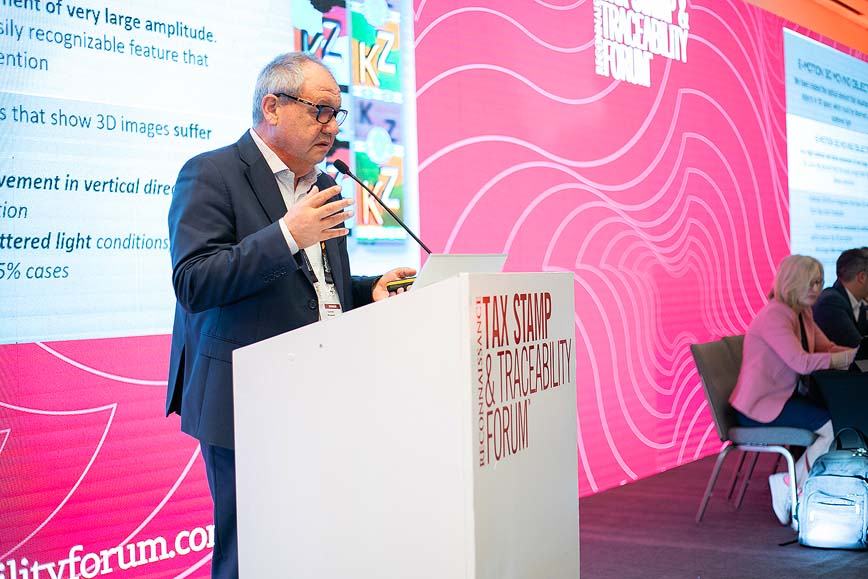
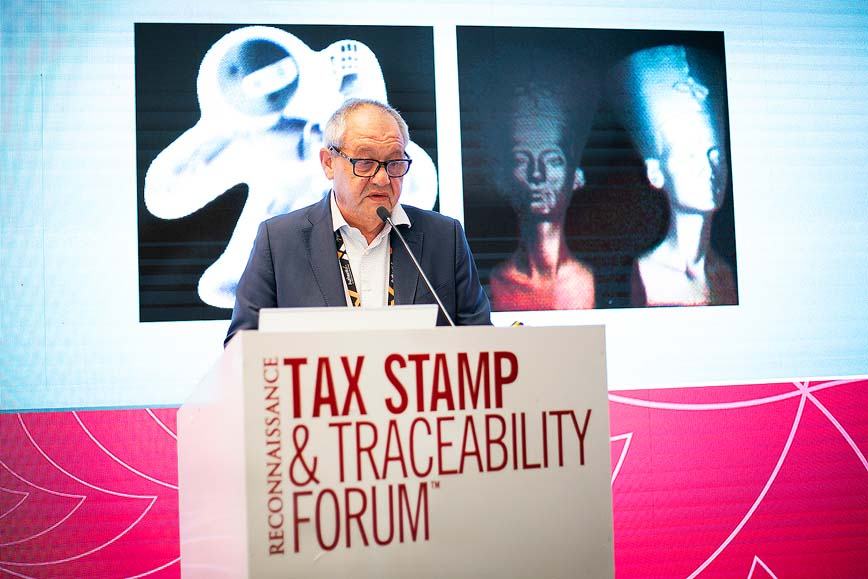
Introducing Diffractive Tax Stamp Paper

Thomas Brücklmeier, Leonhard KURZ

Leonhard KURZ Stiftung & Co. KG newly developed a tax label substrate to be deployed either for wet-glue or self-adhesive application.
By using the Diffractive Tax Stamp Paper, the production step of hologram application could be skipped; significantly reducing production times at the printing facilities.
In the future companies without foil application equipment could easier approach the tax stamp markets, too.
Certainly, our Diffractive Tax Stamp Paper can be serialised and personalised to suit the client’s needs.
This new look with a smooth metallic appearance is clearly visible to the public and definitely an eye catcher, serving as an integrated additional security feature.

Download the slides PDF · 3.4 MB · delegates only

Thomas Brücklmeier
Leonhard KURZ · Germany

Thomas Brücklmeier

Thomas has a background of 25 years in the security printing industry, starting out in EMV-card manufacturing and personalisation, moving on to ID-documents, visas, passports and tax stamps. He started his career in banking card manufacturing and personalization, later heading the international support department for ID-documents, Visas and Passports for an international security printing company. In 2002 he changed into sales with responsibility for the AMEA region. Working for a classical security printer thereafter, he got vast additional know-how and experience in the field of tax stamps. Early 2023 Thomas joined the company LEONHARD KURZ Stiftung & Co. KG, being responsible for tax stamp projects worldwide.

11:30Slides

, Luminescence Sun Chemical Security

Session 6 · Wednesday 4 October · 11:30

So Many Features, So Little Space – A Novel Look at Multifunctional Security Features

Stefaan D'Hoore, Luminescence Sun Chemical Security

Tax and Authentication stamps are found on an ever-increasing variety of products and have shrunk in size significantly over the past years. At the same time, the number of security features prescribed by legislatures have increased which leads to the need for multifunctional security features i.e. features that create security at the various level of authentication. This presentation will give an overview of the leading security features available today.

Download the slides PDF · 833.5 KB · delegates only

Stefaan D'Hoore
Luminescence Sun Chemical Security · United Kingdom

Stefaan D'Hoore

Business Development Director

Stefaan D’Hoore holds a Master in Chemical Engineering at the Faculty of Engineering Technology at KU Leuven (Belgium). He joined SunChemical in 1998 where he held different management positions. Since 2008 Stefaan has been leading the Security Inks business at SunChemical. In 2016, Stefaan got promoted to Business Development Director and helped growing the security business to a multi-million business. After the acquisition of Luminescence and the creation of the Luminescence, SunChemical Security Division, Stefaan became Business Development Director Security Inks. Stefaan has been involved in growing the tax stamp business at Luminescence, SunChemical Security and is currently working on the introduction of a nationwide Deposit Return Scheme for beverage containers.

11:45Slides

, Baldwin Vision Systems

Session 6 · Wednesday 4 October · 11:45

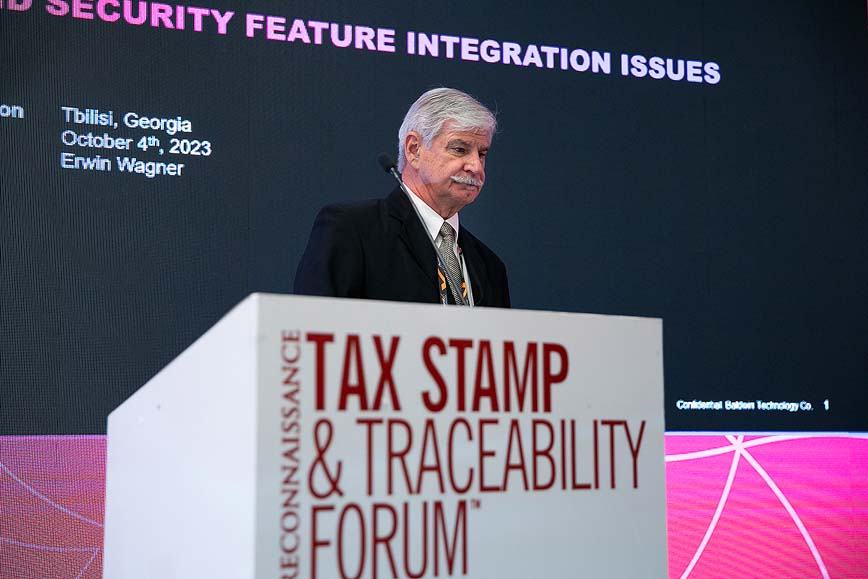
Who Cares About the Brakes on a Ferrari? Why Prioritizing Quality Control in Your Production Line will Help You Down the Line

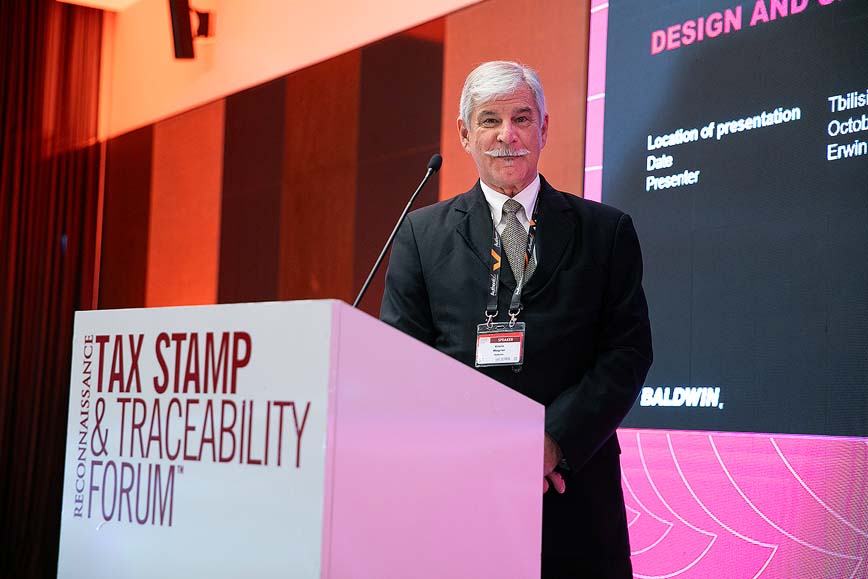
Erwin Wagner, Baldwin Vision Systems

A chain is only as strong as its weakest link. So why does quality control not get the love it deserves in the world of revenue tax stamps? In this field, precision and quality are of the utmost importance, so we argue that putting QC front and center is vital.

Because overt serial numbers and barcodes on revenue tax stamps need to be human as well as machine readable. A good contrast between the background print and the barcode or serial number is of great importance.

The printable area, or ‘real estate’, on tax stamps is very limited. This provides design challenges especially if multiple different security features are to be applied as well. Adding covert features as an invisible layer can provide the additional area required to integrate multiple features on a small product. Covert serial numbers and barcodes can provide additional security.

Is quality control of covert features even more important than the inspection of visible features? State-of-the-art quality control solutions don’t only assure that all print features are present, in the correct position, and without flaws. They also create special reports and data files. This data can be used to improve production, reduce waste, avoid future issues, and track the stamps through the finishing and packing process. The data files can become the basis of a unique and reliable track and trace solution.

Download the slides PDF · 2.2 MB · delegates only

Baldwin Vision Systems · United States of America

Erwin Wagner

Erwin Wagner is the Global Sales Manager for Security Print at Baldwin Americas Corporation. Educated in both Europe and the USA, Erwin worked as an Electronic Engineer in Germany developing software for automatic production lines, robots and robotic vision systems. Returning to the US in 1991, Erwin began his career in Security Print as a Support and Development Engineer for Camera Based Quality Control Systems. His most notable achievement was the design and development of the world’s fastest Document Imaging Scanner in 1999. Erwin Wagner is the Global Sales Manager for Security Print at Baldwin Americas Corporation. Educated in both Europe and the USA, Erwin worked as an Electronic Engineer in Germany developing software for automatic production lines, robots and robotic vision systems. Returning to the US in 1991, Erwin began his career in Security Print as a Support and Development Engineer for Camera Based Quality Control Systems. His most notable achievement was the design and development of the world’s fastest Document Imaging Scanner in 1999.

Session 7Digital and Physical Security

13:45Slides

, Advanced Track & Trace (ATT) · , Advanced Track & Trace (ATT)

Session 7 · Wednesday 4 October · 13:45

How to protect citizens while scanning 2D barcodes?

Zbigniew Sagan, Advanced Track & Trace (ATT) · Vincent Leyris, Advanced Track & Trace (ATT)

A user-centric cybersecurity approach for machine-readable codes on tax stamps, documents, and products.

The introduction of health passes during the COVID-19 pandemic has popularised the use of 2D barcodes. The upcoming implementation of GS1 Digital Link will further accelerate this trend. In Europe, the EU Eco-design for Sustainable Products Regulation will progressively implement the Digital Product Passport, which will encourage smartphone users to interpret 2D codes on products and components across various sectors.

Today, simply scanning a 2D code can lead to significant damage due to substitution fraud. Numerous testimonies have highlighted the potential risks, ranging from identity theft to compromised bank account access.
In this context, citizen cybersecurity must be prioritised as part of a due diligence approach enforced by authorities. It is essential to develop solutions that serve as a safety net, ensuring citizens’ security even when scanning a seemingly legitimate 2D code – since that code could actually be carrying a malicious link.
Three key goals for a digital tax stamp scheme will be depicted:
1. Centralised data and controlled excises volumes for government authorities
2. Simple and seamless integration for manufacturers
3. High protection and information accessibility for inspectors and citizens.

Download the slides PDF · 932.6 KB · delegates only

Zbigniew Sagan
Advanced Track & Trace (ATT) · France

Zbigniew Sagan

Business Development Director

Zbigniew is one of the founders of Advanced Track & Trace, a French company present on the market of authentication and secure traceability for over 20 years. He holds several patents in the field of document security and brand protection, focused on scientific, technological and regulatory issues related to anti-counterfeiting.
Advanced Track & Trace (ATT) · France

Vincent Leyris

Vincent has joined Advanced Track & Trace as Global PreSales Manager. He has 15+ years of experience in Brand Protection, Track & Trace and Security Document. He has been instrumental in implementing Tax Stamps Schemes in various countries. He has experience in designing complex technical architecture solutions for governments and brands. Vincent graduated from POLYTECH Montpellier.

14:00

, Demax Holograms

Session 7 · Wednesday 4 October · 14:00

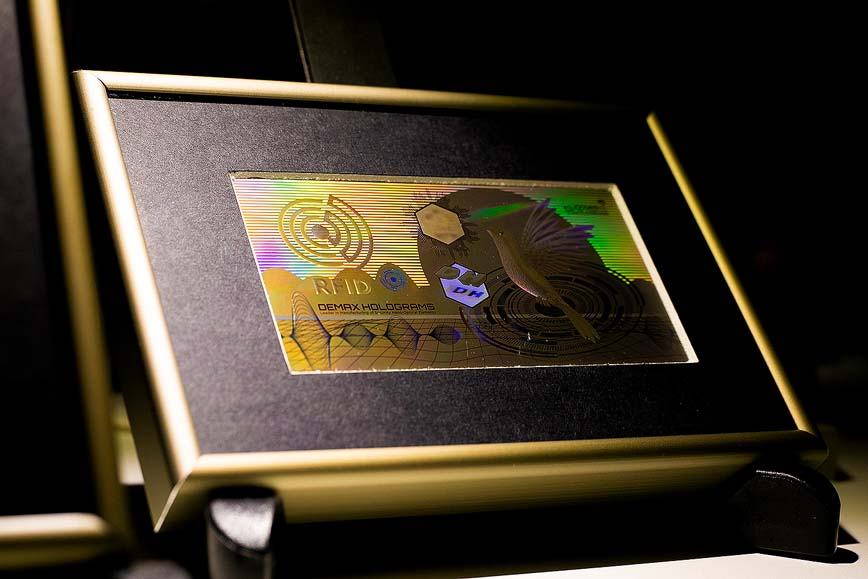
Nano-Optical Elements for Physical Security of Tax Stamps

Valentin Monovski, Demax Holograms

Excise tax stamps are valuable documents because they are used to regulate the production, distribution and consumption of a certain group of goods like alcohol and cigarettes and confirm payment of excise duty. Therefore, not only the products, but also the stamps themselves have value and are the subject of counterfeiting and falsification. However, the tax stamp industry faces many challenges, such as the increasing sophistication and diversity of counterfeiters, and the emergence of new technologies. Therefore, there is a need for innovative and effective solutions to enhance the security, efficiency, and revenue collection of excise taxation. The use of holograms for tax stamps is an innovative and effective solution to enhance the security, efficiency, and revenue collection of excise taxation. Tax stamps with holographic protection have been successfully used for several decades and the market for tax stamps is estimated at more than $30 billion.

Demax Holograms · Bulgaria

Valentin Monovski

Valentin Monovski is general manager and co-owner of Demax Holograms plc which provides complete security solutions for protection of document and trade marks to governments, private business and international customers. In 1989 Valentin graduated with first-class honors from the Institute for Fine Mechanics and Optics in Saint Petersburg, Russia. Between 1989-1995, Valentin worked as a research worker in the Central Laboratory for Optical Storage and image Recognition to the Bulgarian Academy of Sciences.

14:15Slides

, Lancaster Consulting

Session 7 · Wednesday 4 October · 14:15

The Future of the International Standard for Tax Stamps

Ian Lancaster, Lancaster Consulting

ISO 22382:2018, the international standard for tax stamps, is now due for its 5-yearly ISO review. As project leader for the standard, Ian Lancaster has been asking revenue agencies and suppliers for their view on whether and how the standard should be revised. He will present the key points coming out of this consultation and explain the ISO review process.

Download the slides PDF · 201.5 KB · delegates only

Ian Lancaster
Lancaster Consulting · United Kingdom

Ian Lancaster

Ian has worked in the authentication and secured document sector for over 25 years. As co-founder and 25-year CEO of Reconnaissance he oversaw the company's publications and conferences on secured documents – including tax stamps – and product protection. A member of the International Organisation for Standards technical committee on security and resilience, he was a key contributor to ISO 12931 (authentication solutions) and 14298 (management of security printing), then became Project Leader for ISO 22382, the new standard for tax stamps. He chairs the Optical Document Security conference, co-Chairs the new Digital Document Security conference and is a frequent presenter at the Tax Stamp Forum and other events. He has consulted for authentication and secure document suppliers and users.

14:30Slides

, Reconnaissance International

Session 7 · Wednesday 4 October · 14:30

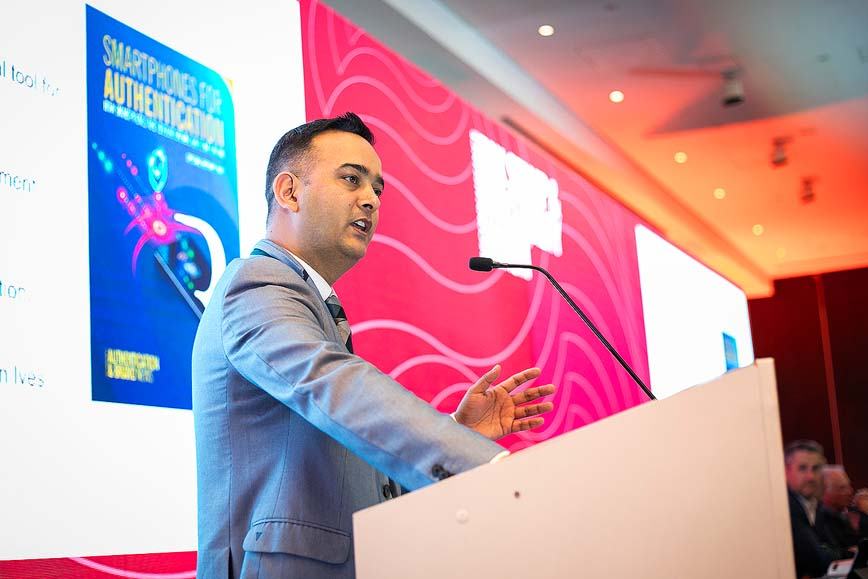
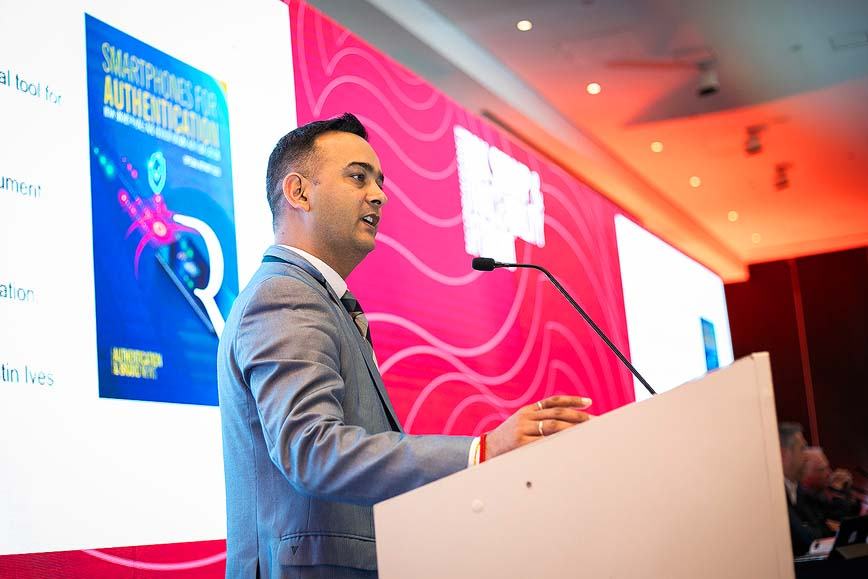
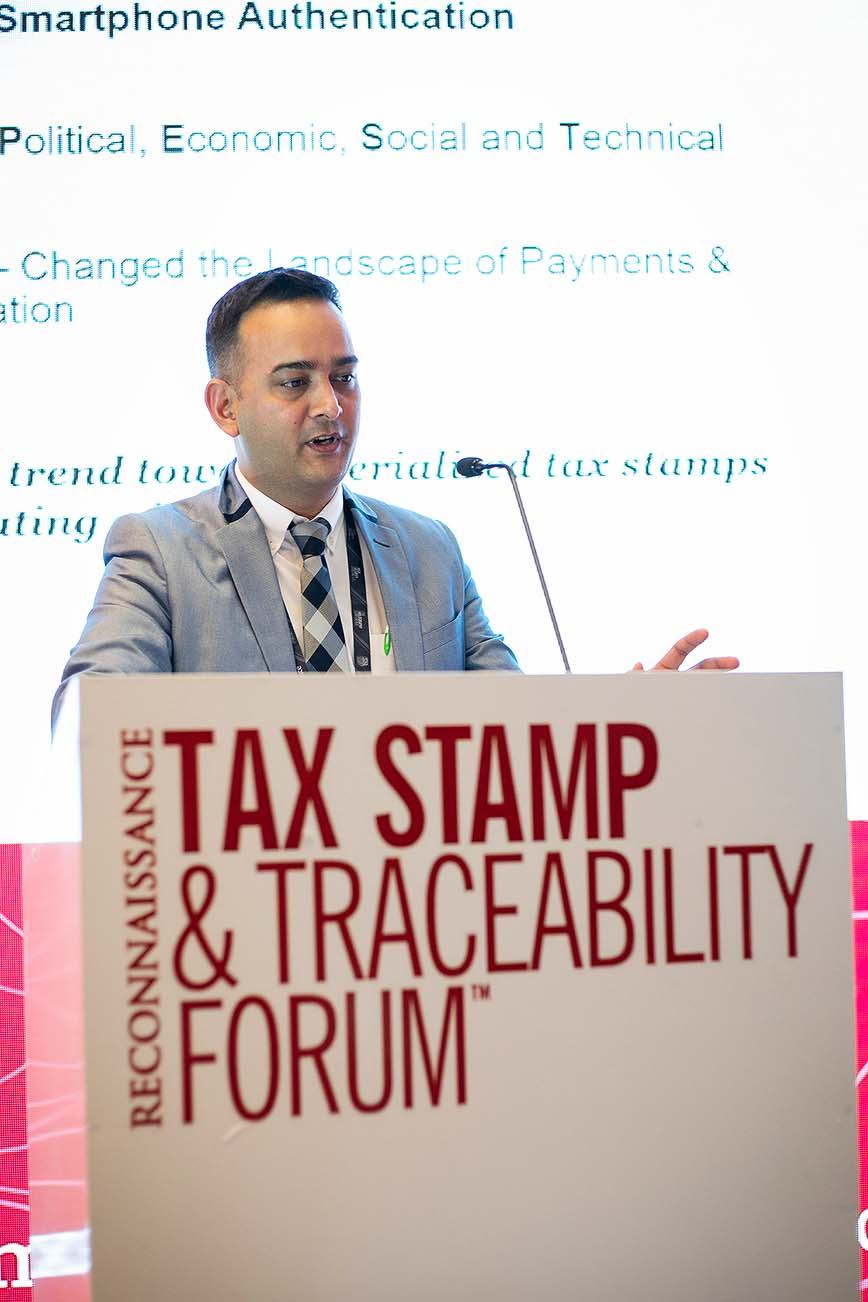
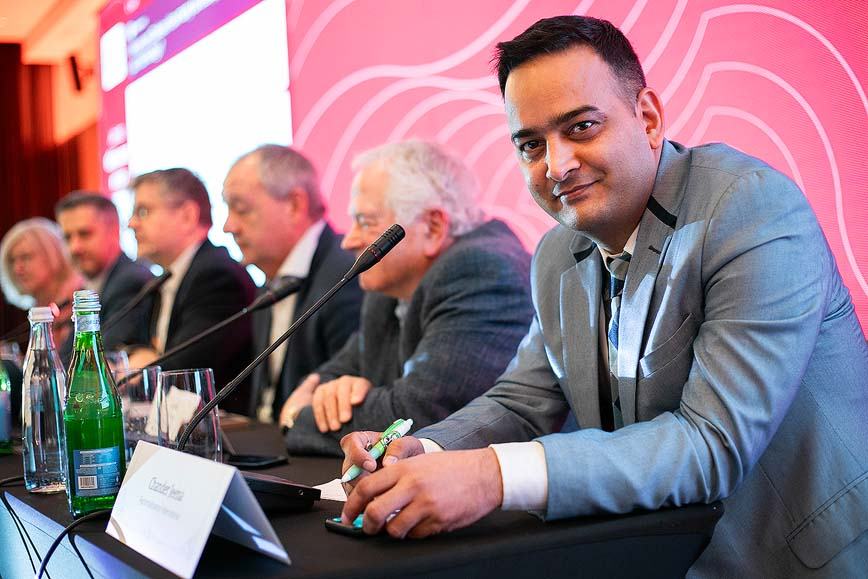
The Role of Smartphones in the Authentication Space – A New Report

Chander Shekhar Jeena, Reconnaissance International

No_abstract

Download the slides PDF · 537.8 KB · delegates only

Chander Shekhar Jeena
Reconnaissance International · United Kingdom

Chander Shekhar Jeena

Mr Chander S Jeena is the Secretary of Authentication Solution Providers’ Association (ASPA), a self-regulated non-profit organization formed in 1998 with a mission to drive the development, promotion, and adoption of authentication and traceability solutions as effective tools to curb counterfeiting and illicit trade. Mr Chander is the Secretary of the Authentication Solution Providers’ Association (ASPA) since 2006 and responsible for overall operation & building up authentication eco-systems in India. Also, he is editor of The Authentication Times and an Advisory member at Tax Stamp & Traceability News, UK. He is a frequent speaker on Anti-Counterfeiting Solutions & Tax Stamps and has represented ASPA at various national and international forums, including The Holography Conference (Shanghai, Budapest), Tax Stamp Forum (Berlin), High-Security Printing Conference (Malaysia) and others. He was also a part of the team which started brand protection awareness initiatives and tools in India, including The Authentication Forum, Brand awareness Seminars, and Counterfeit Repository. He holds a bachelor’s degree in Industrial Relations from Delhi University and a master’s degree in Mass Communication and Public Relations.

Want to speak or suggest a session? Get in touch.

Get in touch
Delegates only · password required

TSTF 2023 presentations

Access to the presentations is limited to TSTF 2023 attendees: please use the password sent by [email protected].

Download all · 20 files · 28.2 MB

Each talk's slides are also in the programme above.

TSTF2023 · 88 organisations

Attendees

  • Advanced Track & Trace (ATT)France
  • AlitheonUnited States of America
  • APO Production UnitPhilippines
  • AuthentixUnited States of America
  • Baldwin Vision SystemsUnited States of America
  • Banknote Corporation of AmericaUnited States of America
  • Canadian Bank Note CompanyCanada
  • Cartor Security PrintingFrance
  • Casa da Moeda do BrasilBrazil
  • De La RueUnited Kingdom
  • Demax HologramsBulgaria
  • D&H Sahar Security PrintingIndia
  • Digimarc CorporationUnited States of America
  • Estonian Tax and Customs BoardEstonia
  • Excise Department of Sri LankaSri Lanka
  • FCTC Implementation and Monitoring CenterGeorgia
  • Federal Board of Revenue - PakistanPakistan
  • FMA SecureChile
  • Garsu Pasaulis UABLithuania
  • General Directorate of CustomsAlbania
  • General Directorate of RevenuePanama
  • General Tax AdministrationAngola
  • Ghana Revenue AuthorityGhana
  • Government of IndiaIndia
  • Green Graphics Trading DMCCUnited Arab Emirates
  • GWT Wasser- und WärmetechnikAustria
  • Hicof AGSwitzerland
  • HP Indigo SecureUnited States of America
  • Hungarian Banknote Printing CompanyHungary
  • Imperial BrandsGermany
  • Imprensa NacionalAngola
  • Industrial InkjetUnited Kingdom
  • Inexto SASwitzerland
  • International Tax Stamp, Authentication and Traceability AssociationUnited Kingdom
  • Japan Tobacco International SASwitzerland
  • JCIC InternationalUnited Kingdom
  • Jordan CustomsJordan
  • JURAHungary
  • Kenya Revenue AuthorityKenya
  • Lake Image SystemsUnited Kingdom
  • Leonhard KURZGermany
  • LinxensGermany
  • Luminescence Sun Chemical SecurityUnited Kingdom
  • Madras Security PrintersIndia
  • Matrix SystemsUzbekistan
  • Mauritius Revenue AuthorityMauritius
  • Ministry for Finance and EmploymentMalta
  • Ministry of FinanceLebanon
  • Ministry of Finance – PolandPoland
  • Ministry of RailwaysBangladesh
  • Mongolian General Department of TaxationMongolia
  • MTDHouseAngola
  • National Tax and Customs Administration of Hungary (NTCA)Hungary
  • Oman Tax AuthorityOman
  • OpSec SecurityUnited Kingdom
  • OPTELIreland
  • Pakistan Revenue AuthorityPakistan
  • POLAR-MohrGermany
  • Polish Security Printing Works (PWPW)Poland
  • Proza HoldingsIsrael
  • Quantum BaseUnited Kingdom
  • RBC TURBrazil
  • Reemtsma Cig.fabrikenGermany
  • Republic of North Macedonia, Ministry of Finance, Customs AdministrationNorth Macedonia
  • Revenue Service GeorgiaGeorgia
  • Rogell Advisory Services
  • RSE Banknote Factory of the National Bank of the Republic of KazakhstanKazakhstan
  • Rwanda Revenue AuthorityRwanda
  • Schwarz DruckGermany
  • SCOPSISLebanon
  • Security Printing & Minting Corporation of IndiaIndia
  • SICPASwitzerland
  • Smoke Free PartnershipBelgium
  • Smurfit Kappa Security ConceptsIreland
  • Sri Lanka CustomsSri Lanka
  • Stardust SecuredUnited States of America
  • State Revenue CommitteeArmenia
  • State Tax ServiceAzerbaijan
  • Tanzania Revenue AuthorityTanzania
  • The Indonesian Government Security Printing and Minting CorporationIndonesia
  • THYMARISSwitzerland
  • TT TechnologiesAzerbaijan
  • Uganda Revenue AuthorityUganda
  • United Security PrintingUnited Arab Emirates
  • University of Illinois ChicagoUnited States of America
  • World Health Organization Country Office GeorgiaGeorgia
  • WorldlineFrance
  • ZEISERGermany
TSTF2023

Sponsors

Platinum

Gold

Silver

Exhibitors

Media

  • Media · TSTF2023
    Tax Stamp & Traceability News™

    Tax Stamp & Traceability News™

    Visit website

Gallery

Gallery · 26 photos

Welcome cocktail

Gallery · 23 photos

Seminars

Gallery · 144 photos

Conference

Gallery · 53 photos

Exhibition

Gallery · 114 photos

Gala dinner

Video

Video

Tax Stamp & Traceability Forum

Register your interest

Areas of interest